

Loading, please wait...
Loading, please wait...

Sexual assault remains a pervasive public health crisis with devastating consequences for survivor mental health. Emerging research consistently highlights the close connection between sexual victimization and PTSD among young adult women. When individuals endure interpersonal violence, distressing intrusive thoughts, hyperarousal, and emotional numbing frequently follow. Consequently, many survivors struggle with profound psychological distress that disrupts their daily functioning. To alleviate this overwhelming affective burden, some survivors turn to substance use as a maladaptive coping strategy. Therefore, evaluating how psychological distress drives coping-related drinking is critical for designing effective clinical interventions. A landmark cross-sectional evaluation recently explored these complex pathways across multiple university cohorts. Specifically, the investigators examined whether rape-supportive beliefs and societal victim-blaming attitudes modify the trajectory from initial victimization to severe alcohol misuse. Their observations offer valuable guidance for primary care physicians, psychiatrists, and women's health clinicians managing complex trauma.
Interpersonal trauma frequently shatters an individual's sense of bodily autonomy and safety. When college women encounter sexual assault, the sudden breach of personal boundaries often triggers intense neurobiological distress. Consequently, the hypothalamic-pituitary-adrenal axis undergoes profound dysregulation, which predisposes survivors to posttraumatic stress symptoms. Survivors often report persistent intrusive memories, recurrent nightmares, and pervasive hypervigilance. In addition, profound emotional avoidance often emerges as patients attempt to escape distressing internal reminders of the traumatic event. Research demonstrates that this psychological burden rarely develops in isolation. Instead, posttraumatic stress functions as a primary engine driving subsequent psychiatric and behavioral complications. Because collegiate environments often involve high social pressure, affected women frequently face unique challenges while navigating campus life. Furthermore, societal stigma and fear of disbelief compound this acute distress. When clinical providers identify survivors in primary care or emergency settings, they must recognize that posttraumatic stress represents a normal neurobiological reaction to severe interpersonal violation. Therefore, prompt assessment of acute trauma responses remains imperative for establishing effective therapeutic rapport and preventing long-term behavioral sequelae.
Substance misuse frequently co-occurs with interpersonal trauma across diverse demographic groups. Historically, clinicians debated whether substance use preceded assault or whether assault directly caused heavy drinking. However, modern empirical models reveal a distinct indirect pathway that clarifies this clinical relationship. Specifically, sexual victimization does not always lead directly to alcohol misuse on its own. Instead, posttraumatic stress symptoms mediate this relationship, acting as an essential psychological conduit. When survivors experience unmanaged hyperarousal, insomnia, and intrusive recollections, they frequently seek rapid psychological relief. Consequently, alcohol becomes a readily available pharmacological agent to numb painful emotional states. This mechanism aligns directly with the self-medication hypothesis of addictive behaviors. Unfortunately, regular alcohol consumption inevitably impairs cognitive processing and prevents the natural psychological resolution of trauma. Moreover, heavy drinking disrupts sleep architecture and exacerbates physiological anxiety over time. As a result, a destructive cycle emerges where worsening posttraumatic symptoms promote escalating alcohol consumption. Clinicians must therefore understand that problematic drinking in survivors typically reflects an attempt to manage intolerable distress rather than primary substance dependence.
Societal perceptions play a pivotal role in shaping how survivors interpret traumatic events. Rape myth acceptance refers to false, stereotypical beliefs that justify sexual aggression or minimize perpetrator culpability. Historically, researchers hypothesized that strong acceptance of these myths would worsen psychological outcomes for victims. Investigators anticipated that endorsement of victim-blaming attitudes would intensify internal guilt and accelerate posttraumatic distress. However, rigorous path analysis across extensive cohorts revealed a more nuanced reality. Overall rape myth acceptance did not statistically moderate the indirect pathway connecting victimization, trauma symptoms, and hazardous drinking. Similarly, generalized negative attitudes toward rape victims failed to alter the strength of this mediational relationship. These unexpected findings suggest that the internal neurobiological drivers of posttraumatic stress operate independently of broader cultural misconceptions. In other words, physiological arousal and intrusion occur regardless of whether a survivor consciously endorses societal stereotypes. Consequently, therapeutic interventions cannot rely solely on dismantling general societal myths to relieve trauma distress. Clinicians must instead focus directly on processing trauma-related memories, reducing emotional avoidance, and building adaptive distress-tolerance skills.
Although aggregate myth acceptance scores did not alter trauma outcomes, granular subfactor analysis revealed a striking paradox. Specifically, researchers identified an intoxication-related rape myth subfactor that exerted a measurable buffering effect on the victimization pathway. This specific belief system involves attributing sexual assault scenarios primarily to heavy alcohol consumption rather than malicious predatory intent. When survivors adhere to this narrow myth, they may externalize the assault as an unfortunate consequence of drinking rather than a targeted personal violation. Consequently, this cognitive rationalization appears to temporarily soften the immediate severity of posttraumatic stress. In effect, attributing the event to chemical intoxication offers a protective psychological shield against existential helplessness. However, this apparent buffer presents profound clinical risks over longer observation windows. Even though intoxication myths may momentarily blunt acute posttraumatic distress, they frequently fuel insidious behavioral self-blame. Furthermore, survivors who assign primary blame to alcohol may normalize dangerous environments or fail to seek formal psychological care. Therefore, healthcare providers must address these cognitive rationalizations carefully without validating victim-blaming premises during clinical consultations.
The intersection of sexual victimization, posttraumatic symptoms, and substance misuse demands a rigorous, trauma-informed clinical framework. Physicians in ambulatory care, emergency departments, and mental health clinics must routinely implement sensitive screening protocols. When a patient presents with escalating alcohol use, clinicians should inquire gently about underlying interpersonal trauma histories. Additionally, healthcare providers must screen survivors for core posttraumatic symptoms, including hypervigilance, insomnia, and emotional avoidance. Recognizing alcohol misuse as a secondary coping mechanism shifts the therapeutic focus toward comprehensive dual-diagnosis management. Rather than penalizing patients for hazardous drinking, clinicians should offer evidence-based psychotherapies such as cognitive processing therapy and prolonged exposure. Furthermore, pharmacotherapy targeting autonomic hyperarousal, including selective serotonin reuptake inhibitors, can stabilize neurobiological equilibrium. Clinicians must also provide psychoeducation regarding cognitive distortions and survivor self-blame. By addressing both the neurobiological sequelae of trauma and maladaptive chemical coping, medical practitioners can prevent chronic functional impairment. Ultimately, empathetic, non-judgmental validation empowers survivors to process traumatic experiences, discontinue hazardous drinking, and achieve sustainable long-term recovery.
Sexual trauma frequently induces severe posttraumatic stress symptoms, including intrusive flashbacks, persistent panic, and intractable insomnia. Because these neurobiological reactions cause intense emotional pain, survivors often utilize alcohol as an accessible chemical coping strategy. Alcohol temporarily dampens autonomic nervous system hyperarousal through central nervous system inhibition. However, repeated self-medication disrupts natural cognitive emotional processing, worsens physiological anxiety during withdrawal, and rapidly accelerates the transition into severe substance misuse disorders.
Intoxication-related rape myths attribute sexual violence primarily to heavy alcohol consumption rather than deliberate assault. Consequently, endorsing these misconceptions allows survivors to externalize the event as an alcohol-induced incident rather than targeted interpersonal harm. This cognitive framing provides a temporary psychological buffer against overwhelming helplessness, blunting immediate trauma scores. However, this defensive rationalization eventually fosters pervasive behavioral self-blame, prevents genuine emotional resolution, and discourages vulnerable individuals from seeking formal medical and psychological assistance.
Healthcare providers should adopt universal, trauma-informed screening utilizing validated questionnaires such as the Primary Care PTSD Screen and the AUDIT-C. When clinicians identify hazardous drinking patterns, they must explore co-occurring traumatic exposure in an empathetic, confidential setting. Additionally, practitioners should avoid judgmental language regarding substance use or situational factors. Establishing psychological safety encourages honest disclosure, enabling clinicians to connect survivors with integrated psychotherapy, non-addictive psychiatric medications, and specialized community support resources.
Disclaimer: This content is for informational and educational purposes only... Refer to the latest local and national guidelines for clinical practice.
References

Read summarized clinical updates, watch expert medical content, and earn CME certifications right from your smartphone.
Open your smartphone camera to scan and install.





This study examines how sexual victimization leads to alcohol misuse via PTSD symptoms among college females. While general rape myths show no moderating effect, intoxication-related myths exert a selective buffering role, highlighting the need for comprehensive trauma-informed dual-diagnosis interventions.
Today
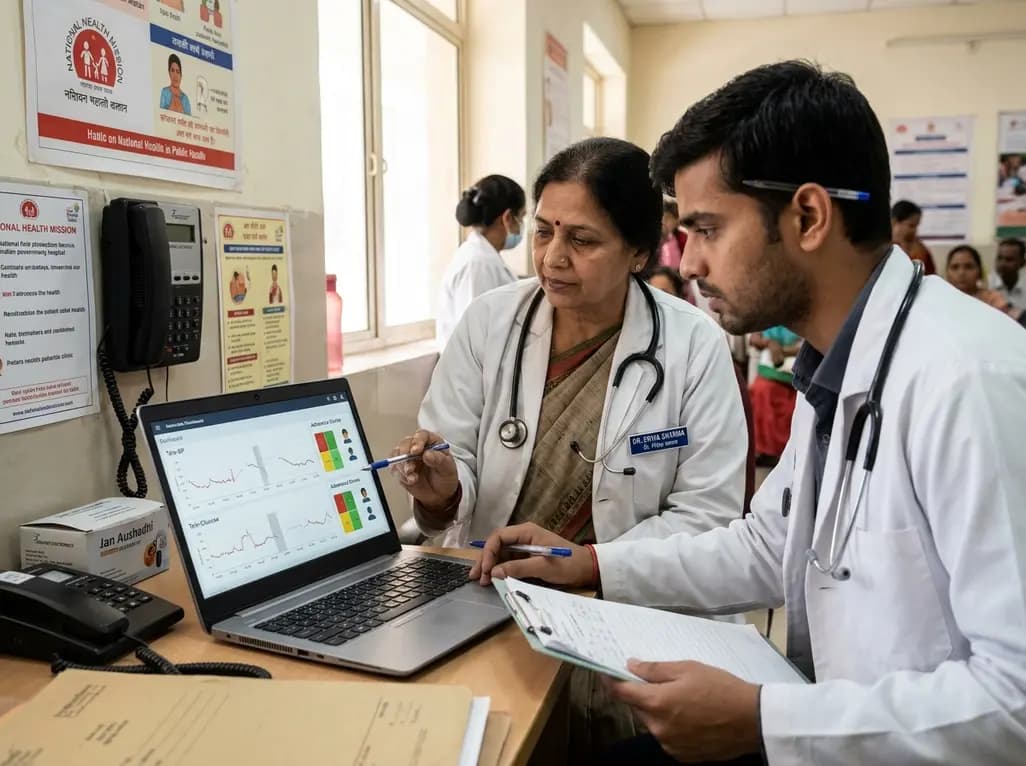
A novel adherence-driven sparsity framework demonstrates that missingness in patient-generated telemedicine data reflects human behavior rather than mere technical error, guiding safer clinical interpretations.
Today
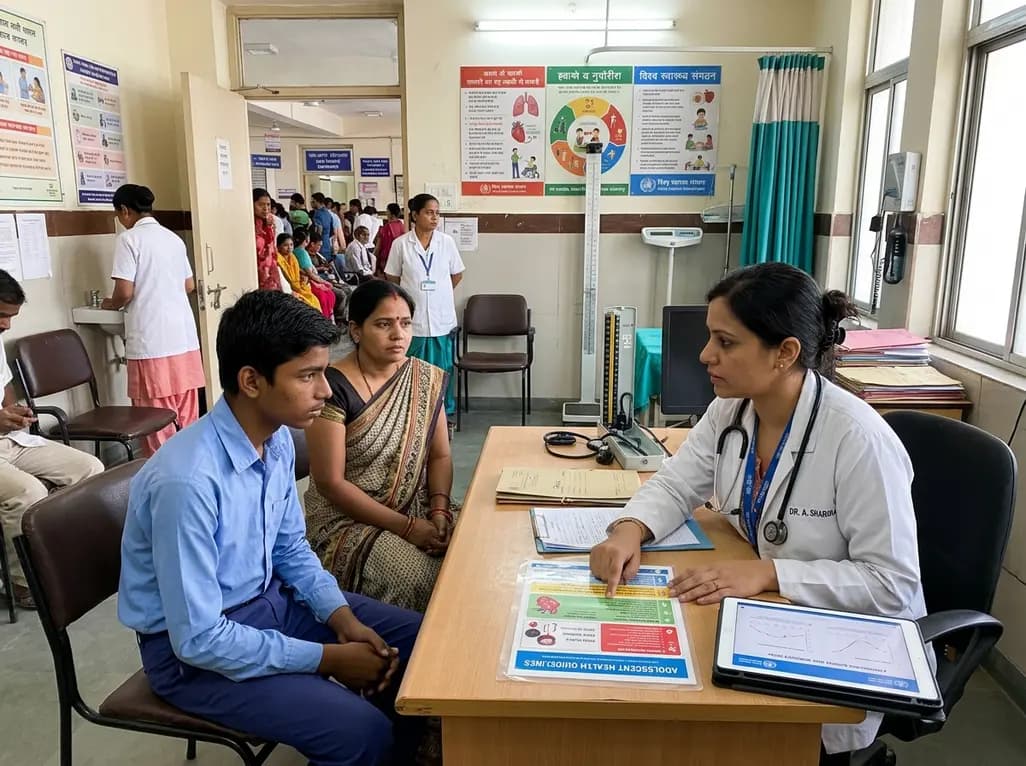
A major World Health Organization study reveals that one in four teenagers globally records zero active days per week. Discover the epidemiological data, cardiometabolic consequences of adolescent sedentary behavior, and practical guidance for clinicians to promote healthy lifestyle habits among youth.
Today

Arthrogryposis multiplex congenita affects fetal joint mobility, yet fewer than half of cases are detected prenatally. This review highlights dynamic fetal motor assessment, phenotypic subtyping, rapid exome sequencing, and multidisciplinary perinatal care to optimize diagnosis and parental counseling.
Today
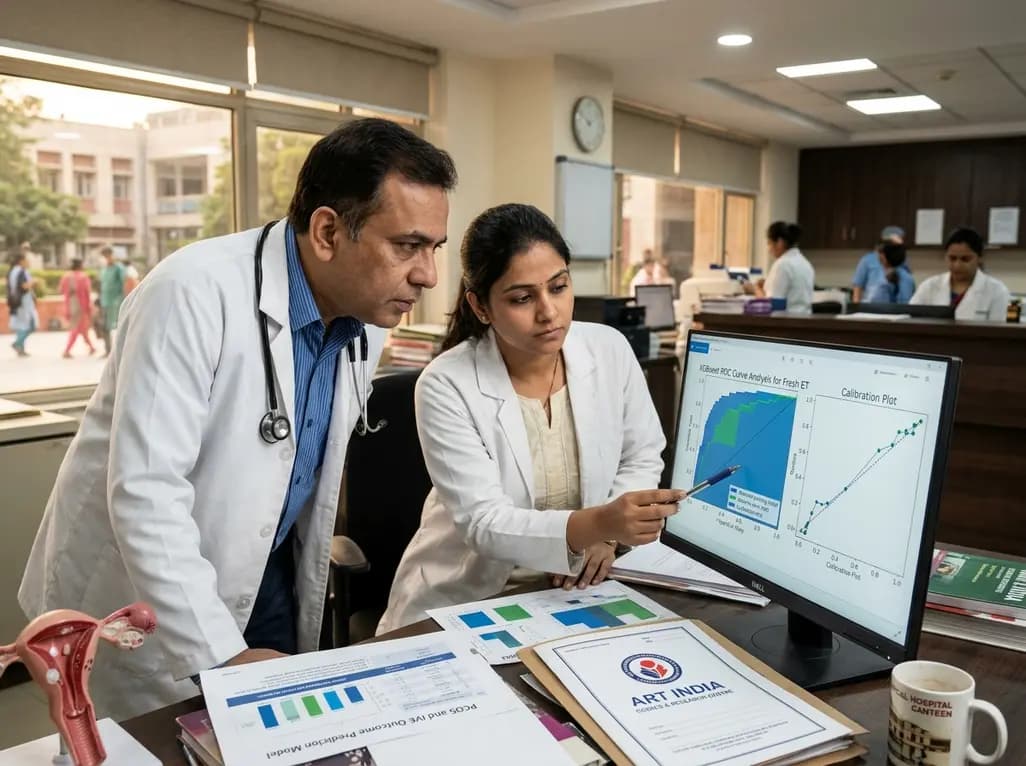
A multicenter study evaluates an XGBoost machine learning model to predict miscarriage risk in PCOS after fresh embryo transfer. While discrimination was strong internally, cross-cohort calibration drift emphasizes its role as a risk-ranking tool rather than a standalone diagnostic instrument.
Today
