.webp&w=384&q=75)

Loading, please wait...
Loading, please wait...

Working memory deficits are prevalent among individuals with mood disorders. These impairments often hinder daily activities and long-term recovery. Researchers have long suspected that serotonin and working memory share a complex relationship, particularly within the frontal cortex. A recent multi-cohort study used positron emission tomography (PET) brain imaging to examine these features. The study focused on both healthy individuals and patients to map neurobiological associations.
In this comprehensive analysis, the research team evaluated various 5-HT components. These included the 5-HT1B, 5-HT2A, and 5-HT4 receptors, alongside the serotonin transporter (5-HTT). Notably, the results showed no significant association between serotonin and working memory performance in healthy individuals. This suggests that in a typical physiological state, these specific receptor levels may not be the primary drivers of cognitive efficiency.
However, the findings were starkly different for patients diagnosed with mood disorders. Specifically, the study observed a significant positive association between 5-HT4 receptor binding and memory performance. This interaction effect highlights that pathologically altered signaling might be a contributing factor to cognitive impairment. Consequently, these findings suggest that targeting the 5-HT4 receptor system could be a viable therapeutic strategy for addressing cognitive deficits in clinical populations.
The discovery that 5-HT4 receptor levels correlate with memory in patients points toward a unique neurobiological mapping in disease states. This association might arise through downstream signaling pathways. Furthermore, it may involve interactions with other neurotransmitter systems like dopamine. Understanding these differences allows clinicians to better appreciate the heterogeneous nature of mood disorders. Therefore, these insights support the potential for personalized cognitive interventions in psychiatric care.
The study identified the 5-HT4 receptor as having a significant positive association with working memory performance in patients with mood disorders. Other markers like 5-HT1B and 5-HT2A did not show similar associations.
No, the research found no significant link between any of the studied serotonin receptors and working memory in healthy participants. This indicates the association may be specific to pathologically altered states.
The frontal cortex was chosen as the primary region of interest because it is critical for executive functions and working memory. PET imaging in this area allows researchers to quantify receptor binding directly related to cognitive tasks.
Disclaimer: This content is for informational and educational purposes only. It does not constitute medical advice or a professional relationship. Always seek the advice of your physician or other qualified health provider with any questions you may have regarding a medical condition. Refer to the latest local and national guidelines for clinical practice.
References
Dam VH et al. Serotonin and working memory in mood disorder and healthy states: multi-cohort positron emission tomography study. BJPsych Open. 2026 May 25. doi: 10.1192/bjo.2026.11045. PMID: 42179183.
Murphy SE et al. Translating the promise of 5HT4 receptor agonists for the treatment of depression. Psychological Medicine. 2020;50(11):1-10.
Knudsen GM et al. Serotonin 4 receptor brain binding in major depressive disorder and association with memory dysfunction. JAMA Psychiatry. 2023;80(4):352-360.
"
Read summarized clinical updates, watch expert medical content, and earn CME certifications right from your smartphone.
Open your smartphone camera to scan and install.





New PET imaging research identifies a significant link between the 5-HT4 receptor and working memory performance specifically in patients with mood disorder...
3 months ago
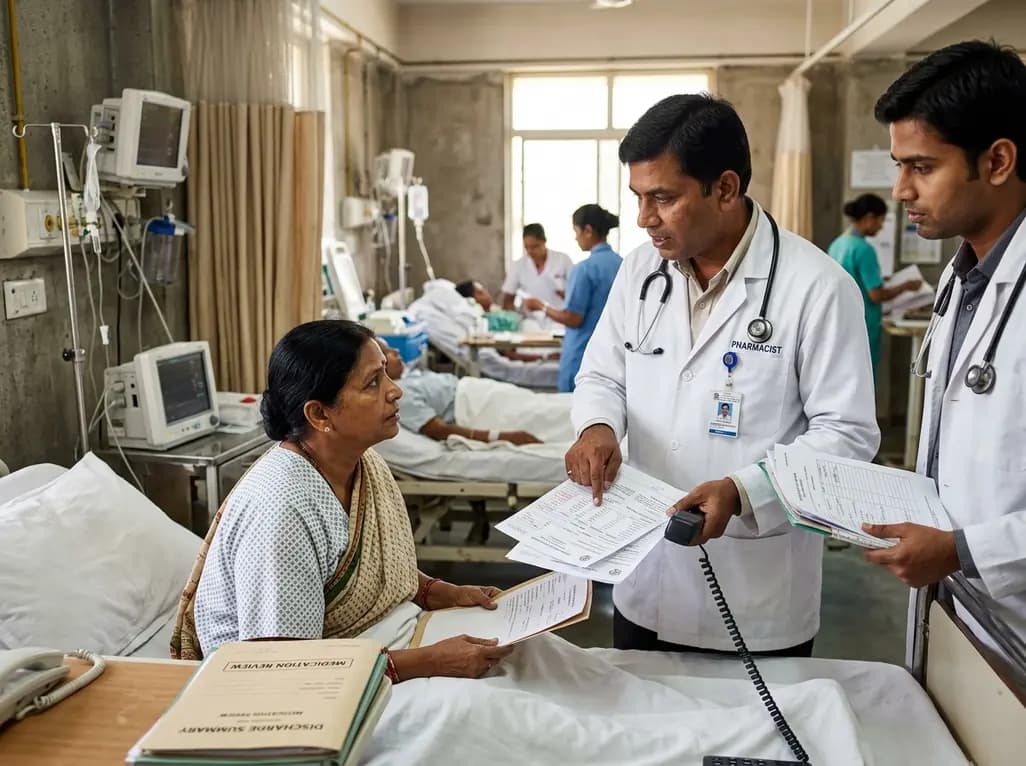
A retrospective cohort study demonstrates that comprehensive pharmacy transitions of care—including admission medication history, discharge review, and 72-hour telephone follow-up—significantly reduced 30-day readmission rates in acute care patients, highlighting the value of pharmacist-led clinical interventions.
Today

Meghalaya recorded a historic 55% reduction in maternal deaths, dropping from 244 to 107 over five years. Through the MOTHER app, dedicated transit homes, and expanded infrastructure like the 150-bed Tura Maternity Hospital with its first public NICU, the state demonstrates an effective public health model.
Today
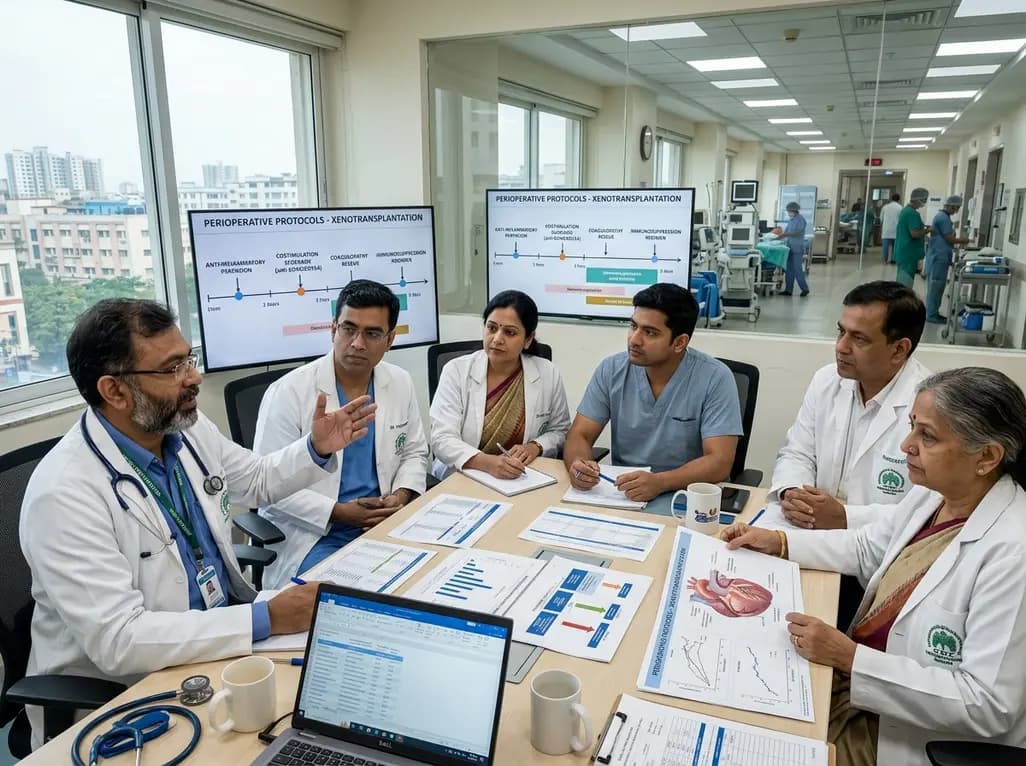
Explore modern perioperative management protocols for clinical xenotransplantation. Learn how costimulation blockade, anti-inflammatory perfusion, and coagulopathy rescue overcome interspecies hurdles.
Today
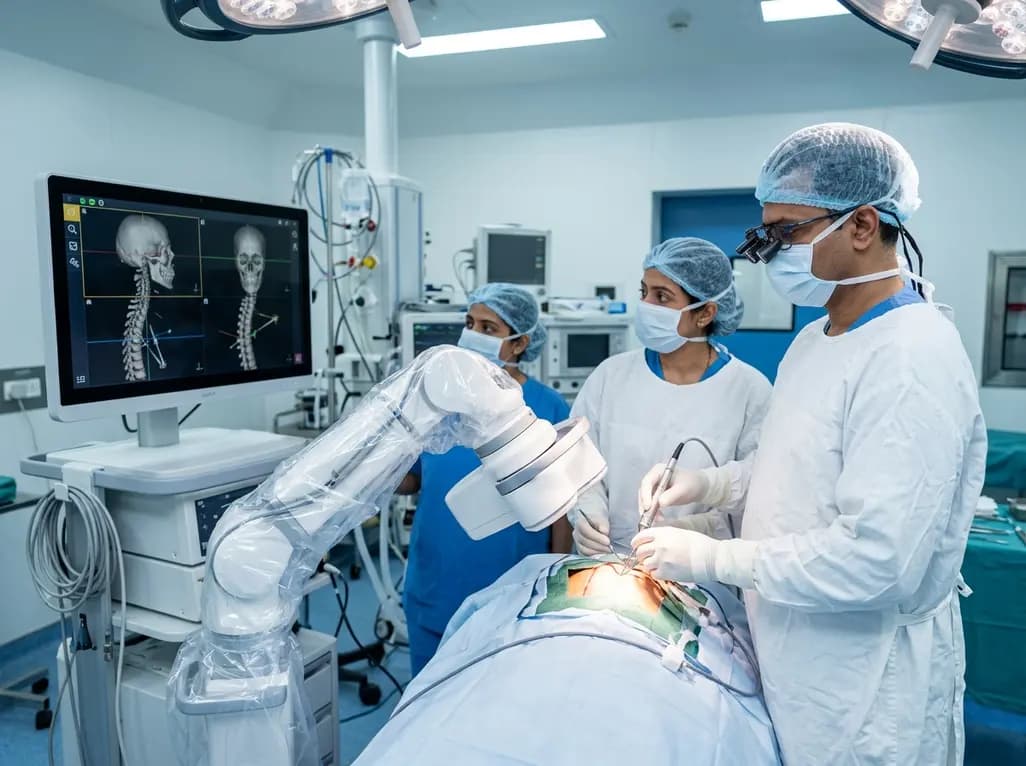
North India's first Centre of Excellence for Brain and Spine at Amrita Hospital Faridabad integrates Brainlab's Loop-X mobile robot. This landmark facility combines cone-beam computed tomography with surgical navigation to elevate precision, optimize operative workflows, and enhance specialized clinician training.
Today
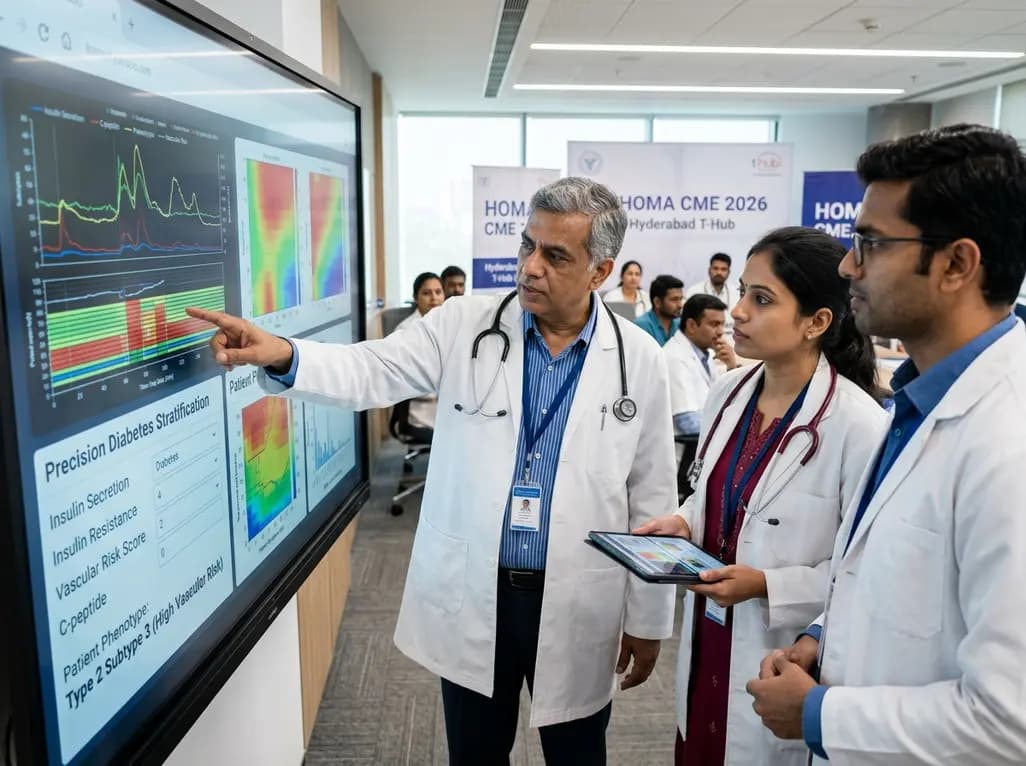
At Homa CME 2026 at Hyderabad's T-Hub, healthcare leaders emphasized moving beyond routine metrics through digital calculators and precision stratification. Discover why characterizing individual insulin secretion, resistance patterns, and vascular risks transforms chronic metabolic care in India.
Today
