

Loading, please wait...
Loading, please wait...

Total elbow reconstruction represents one of the most technically demanding interventions in modern reconstructive surgery. Over recent decades, orthopedic surgeons have increasingly relied on semi-constrained total elbow arthroplasty to manage severely destroyed joints that conventional fixation cannot rescue. While short-term investigations frequently show encouraging pain relief, surgeons require robust long-term data to guide patient counseling and implant selection. Recently, clinical researchers evaluated long-term functional recovery, radiological changes, and implant durability at a mean follow-up of approximately ten years. Their findings provide vital benchmarks for treating debilitating elbow disorders.
Historically, inflammatory arthritis served as the premier indication for linked elbow replacements. However, modern clinical practice exhibits a pronounced epidemiological shift toward posttraumatic sequelae and complex non-reconstructable distal humerus fractures. In this ten-year cohort, posttraumatic conditions represented roughly two-thirds of all surgical indications, followed by rheumatoid arthritis and primary osteoarthritis. Consequently, trauma surgeons frequently encounter fragile bone stock, distorted osseous landmarks, and compromised soft-tissue envelopes during initial reconstruction.
Furthermore, semi-constrained designs provide intrinsic mechanical stability through a loose hinge, often termed a sloppy hinge mechanism. This engineered laxity allows slight varus-valgus and rotational movement, which effectively dampens torsional stress transfer to the cement-bone interface. Therefore, surgeons select these linked devices when stabilizing collateral ligaments are deficient or irreparably damaged. Conversely, treating posttraumatic conditions often introduces heightened functional demands compared to systemic rheumatoid cohorts. Because posttraumatic patients often maintain higher activity levels, clinicians must emphasize appropriate postoperative joint protection. Balancing functional mobility against long-term mechanical wear remains paramount when establishing patient expectations before surgery.
Long-term clinical evaluation demonstrates that modern arthroplasty reliably delivers lasting pain relief and functional restoration. In the evaluated ten-year cohort, patients achieved an impressive mean Mayo Elbow Performance Score of 88.2 points. Concurrently, subjective patient-reported satisfaction remained high, as reflected by an average Oxford Elbow Score of 31.6. These scores demonstrate that patients preserve essential functional arcs necessary for daily living, personal hygiene, and independent self-care.
Moreover, pain reduction represents the most predictable benefit following primary intervention. Most patients transition from disabling baseline joint pain to mild, intermittent discomfort during strenuous activity. Additionally, restoration of stable forearm rotation and sagittal flexion-extension empowers patients to regain meaningful upper extremity function. Nevertheless, clinicians must remind recipients that an artificial elbow cannot endure unrestricted physical loading. Orthopedic teams generally advise patients to avoid lifting loads exceeding one to two kilograms repetitively. By enforcing prudent activity modifications, surgeons help preserve joint stability while minimizing early mechanical wear. Thus, sustained clinical success depends equally on precise surgical execution and patient adherence to physical limitations.
Serial radiographic surveillance remains critical for detecting subclinical mechanical degradation before catastrophic component failure occurs. In this cohort, investigators observed severe type 3 or type 4 radiolucency on the humeral side in four patients and on the ulnar side in three patients. Progressive radiolucent lines exceeding two millimeters or extending across contiguous prosthetic zones often signal impending aseptic loosening. Therefore, routine follow-up radiographs remain mandatory even in asymptomatic individuals.
In addition to radiolucent lines, surgeons must meticulously assess polyethylene bushing wear on serial plain radiographs. Over time, repetitive contact stress and cyclic loading inevitably degrade the articulating hinge bushings. Radiographic markers of bushing thinning include eccentric hinge tilting and asymmetric component seating. In this long-term analysis, grade 1 and grade 2 bushing wear appeared in seven and three patients, respectively. Complete bushing deterioration eliminates polyethylene dampening, precipitating direct metal-on-metal abutment and secondary osteolysis. Consequently, identifying advanced wear early enables timely hinge bushing exchange before major cortical bone erosion jeopardizes stem fixation.
Despite excellent functional scores, total elbow replacement retains an undeniably high overall complication rate. In this decade-long series, the total complication rate reached 25.8%, resulting in an overall reoperation rate of 17.7%. Periprosthetic joint infection represented one of the most destructive challenges encountered. Notably, four patients underwent reoperation for deep periprosthetic infection, each having undergone prior open reduction and internal fixation for trauma. Scarred soft-tissue beds, prior surgical incisions, and compromised local vascularity markedly amplify infectious risks.
Furthermore, mechanical issues accounted for several revision procedures. Three patients required hinge system exchange due to hinge dissociation, whereas one patient underwent revision arthroplasty for gross aseptic loosening. Another four patients suffered traumatic periprosthetic fractures around the rigid stems, and one patient experienced an acute triceps tendon rupture requiring open surgical repair. Therefore, surgeons must exercise extreme caution during soft-tissue exposure, extensor mechanism handling, and bone preparation. Promptly diagnosing minor complications prevents secondary structural failures and preserves salvage options.
Kaplan-Meier survivorship analysis provides the most reliable metric for evaluating the true durability of elbow implants. In this clinical series, implant survival rates were 100% at 5 years, 92.8% at 10 years, and 77.5% at 15 years. These survival figures align closely with international registry reports, confirming dependable mid-term longevity followed by progressive attrition after the first decade. Thus, patients can reasonably expect excellent durability through ten postoperative years.
However, mechanical loosening, bushing wear, and late periprosthetic fractures inevitably compromise construct integrity over the second decade. Younger and posttraumatic patients often display faster wear progression due to higher functional demands. Consequently, surgical teams should carefully consider chronologic age, bone quality, and functional expectations prior to primary implantation. When revision becomes necessary, surgeons face substantial bone deficiency, distorted soft tissues, and complex prosthetic extraction. Modular semi-constrained systems that allow isolated bushing exchange without removing stable cemented stems offer distinct advantages. Ultimately, understanding long-term survivorship kinetics helps surgeons choose appropriate candidates and schedule vigilance protocols across decades of postoperative life.
Achieving enduring outcomes in elbow reconstruction requires meticulous attention to surgical nuance and comprehensive postoperative care. Surgeons must execute gentle handling of the ulnar nerve, often performing routine anterior transposition to prevent postoperative neuropathy. Furthermore, preserving or securely repairing the triceps mechanism ensures active extension strength and joint stability. When cementing stems, pressurized modern cementation techniques optimize mantle thickness and reduce early radiolucent line formation.
Postoperatively, rehabilitation protocols must strike a delicate balance between early mobility and long-term joint protection. Although active-assisted range of motion begins within days to prevent stiffness, patients must avoid forced extension against resistance. Additionally, clinicians in developing healthcare settings must emphasize vigilant infection surveillance, especially in posttraumatic patients with multiple prior surgeries. Regular radiographic monitoring every two to three years beyond the five-year mark allows timely detection of bushing thinning. Proactive intervention via minor bushing exchange can avert catastrophic stem loosening and catastrophic bone loss. Thus, comprehensive lifecycle management ensures optimal functional longevity for patients undergoing elbow replacement.
Kaplan-Meier survival analyses show excellent durability over the first decade. Survival rates typically reach 100% at 5 years and 92.8% at 10 years. However, survival decreases to 77.5% at 15 years due to cumulative mechanical wear, aseptic loosening, and late fractures. Therefore, surgeons must counsel patients that while 10-year longevity is dependable, implant attrition accelerates significantly during the second postoperative decade.
Posttraumatic cases frequently present with significant soft-tissue scarring, compromised blood supply, and previous surgical implants. In clinical series, prior open reduction and internal fixation significantly heightened the risk of deep periprosthetic joint infection. Furthermore, posttraumatic patients are generally younger and physically more active than patients with rheumatoid arthritis. Consequently, their elevated functional demands place greater mechanical strain on the prosthetic hinges, accelerating component wear and loosening.
Surgeons should monitor bushing integrity using serial standardized radiographs every one to two years. Signs of wear include asymmetric joint space narrowing, prosthetic tilt, and component dissociation. When clinicians detect complete bushing loss, they should perform timely isolated bushing exchange before metal-on-metal abutment occurs. Proactive hinge replacement prevents aggressive particle-induced osteolysis, preserves host bone stock, and prevents the need for complex, complete revision arthroplasty.
Disclaimer: This content is for informational and educational purposes only and should not be construed as medical advice. Healthcare professionals must exercise their independent clinical judgment. Patients should seek guidance from qualified healthcare providers regarding any medical condition or treatment. Refer to the latest local and national guidelines for clinical practice.
References

Read summarized clinical updates, watch expert medical content, and earn CME certifications right from your smartphone.
Open your smartphone camera to scan and install.





A 10-year follow-up study reveals that primary semi-constrained total elbow arthroplasty provides reliable pain relief and functional restoration with a 92.8% ten-year implant survival rate, though periprosthetic infection, bushing wear, and reoperations require proactive clinical management.
Today
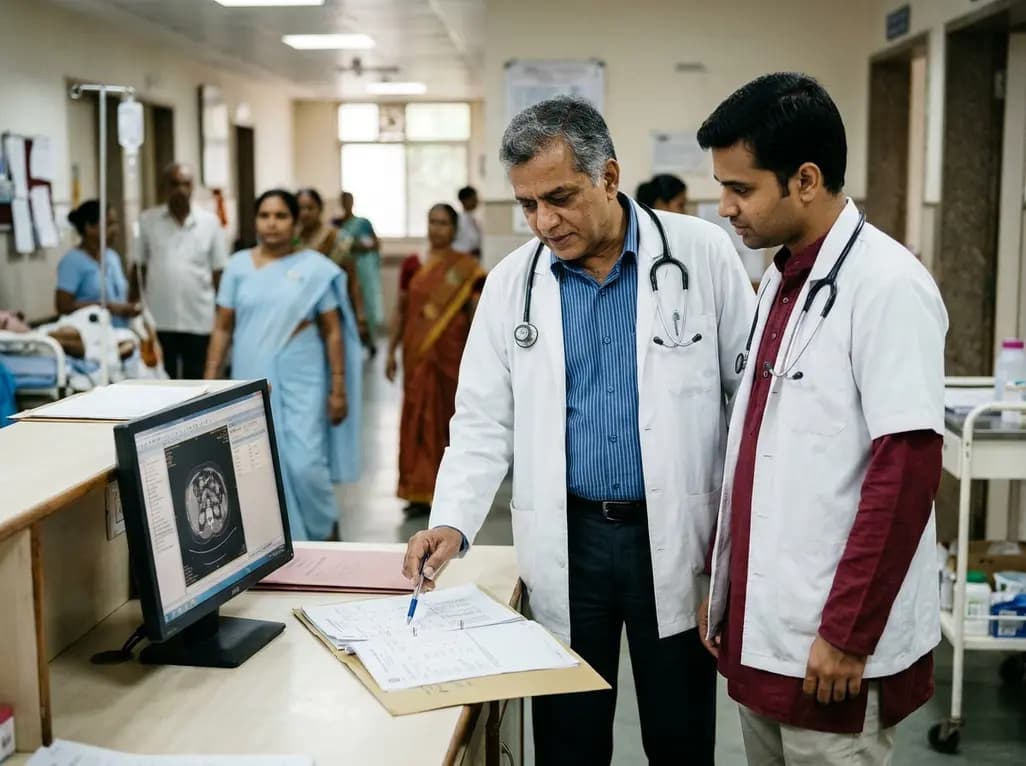
A retrospective study evaluates contrast-associated acute kidney injury (CA-AKI) incidence in oncology patients receiving active chemotherapy with preserved renal function, highlighting low overall risk and timing considerations.
Today
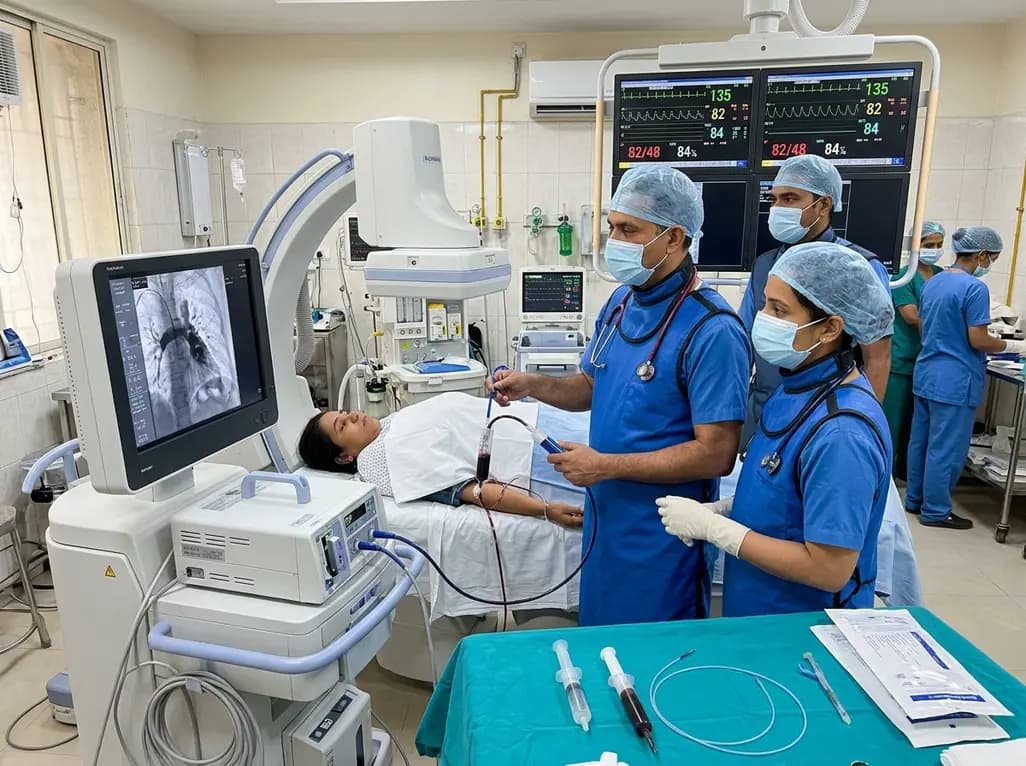
In high-risk pulmonary embolism complicated by severe anemia and active uterine bleeding, systemic thrombolysis is contraindicated. Large-bore aspiration thrombectomy provides rapid hemodynamic rescue without fibrinolysis, supported by inferior vena cava filter placement and multidisciplinary critical care.
Today
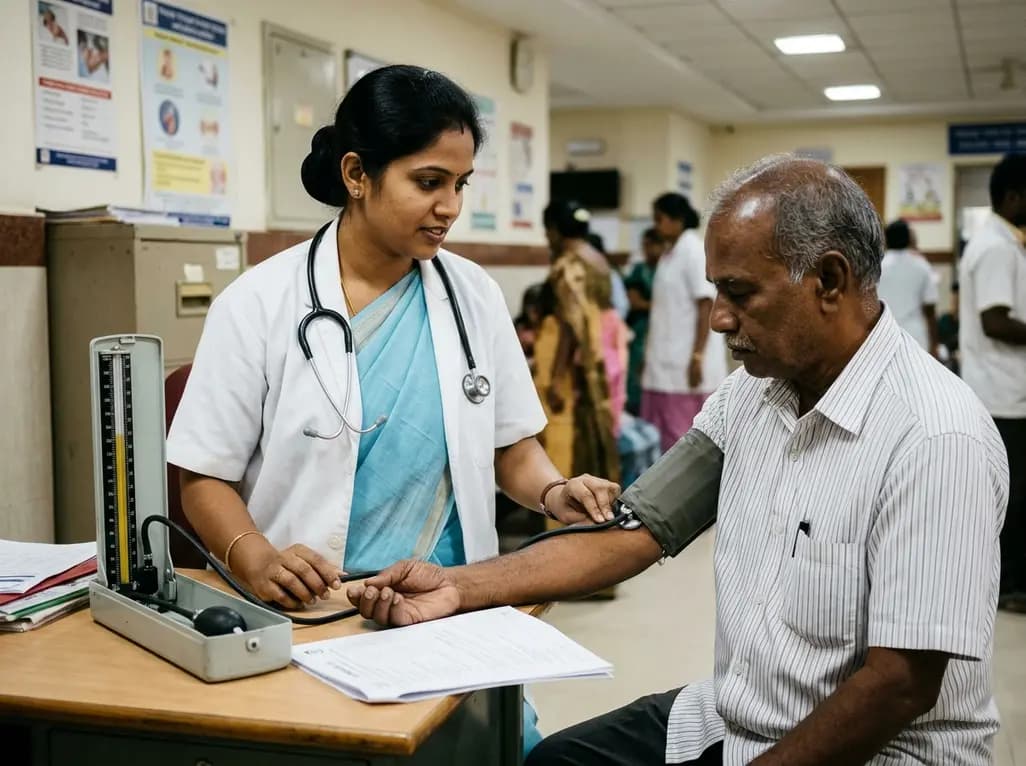
A cross-sectional study in Zanzibar reveals that 46.5% of adults with type 2 diabetes experience multidomain autonomic dysfunction on the COMPASS-31 tool, primarily orthostatic intolerance, while 45.9% exhibit cardiovascular autonomic neuropathy, highlighting the urgent need for structured clinical screening.
Today
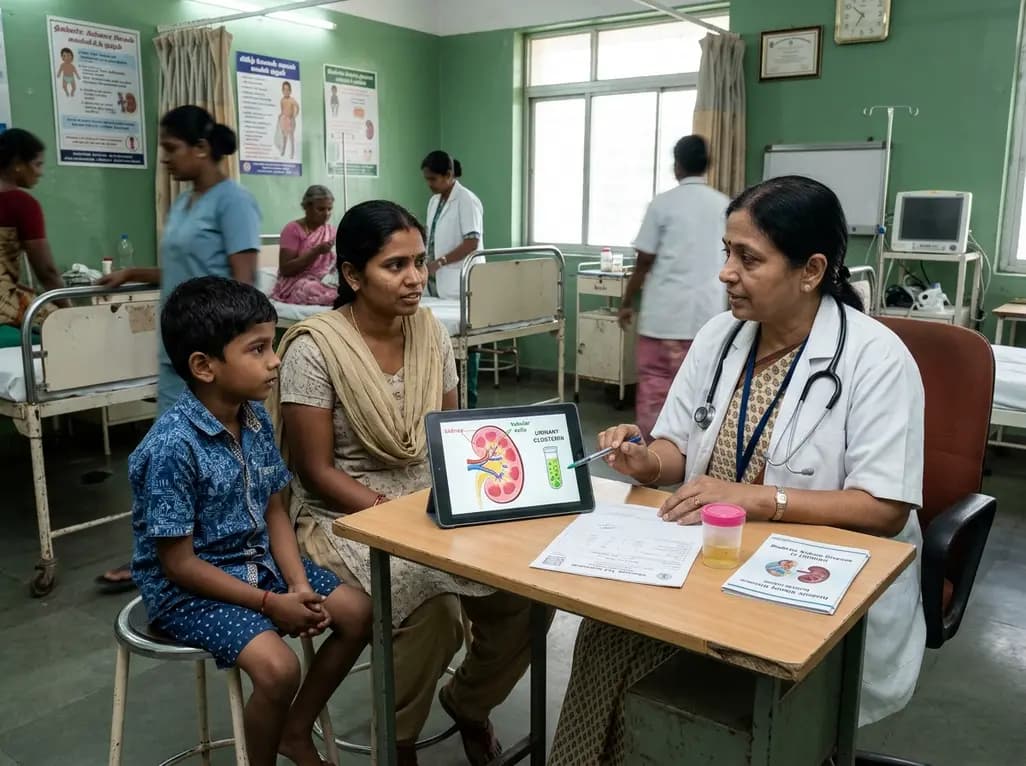
A recent case-control study reveals that urinary clusterin provides superior diagnostic performance for early diabetic kidney disease detection in pediatric type 1 diabetes mellitus, identifying tubular damage before conventional microalbuminuria occurs.
Today
