.webp&w=384&q=75)

Loading, please wait...
Loading, please wait...

Colorectal cancer remains a leading cause of preventable cancer mortality worldwide. Although routine preventative evaluation saves lives through the early detection and removal of premalignant adenomas, screening colonoscopy utilization among adults living with spina bifida lags significantly. Spina bifida represents the most common congenital neural tube defect compatible with extended survival. Advances in neurosurgical intervention, urological management, and rehabilitative technology now permit most pediatric patients to reach mature adulthood. Consequently, modern healthcare systems face unprecedented challenges in managing adult-onset oncological risks in individuals living with complex childhood-onset conditions.
Recent epidemiological investigations demonstrate alarming disparities in preventative endoscopic evaluation for patients with congenital spinal conditions. A comprehensive population-based analysis revealed that only 9.5% of eligible adults living with spina bifida aged fifty years and older underwent screening colonoscopy. In contrast, 13.0% of matched cohort controls successfully completed the procedure during the identical observation period. After rigorously adjusting for sociodemographic factors and baseline medical comorbidities, spina bifida remained independently associated with a significant 16% reduction in screening odds. Furthermore, these clinical data expose profound systemic inequities in preventative healthcare delivery for individuals with lifelong neurological impairments. Colorectal cancer guidelines consistently recommend universal preventative screening beginning at age forty-five or fifty for average-risk adults. However, clinical providers frequently fail to prioritize routine preventative health maintenance during appointments with adults who have chronic disabilities. Because physicians often concentrate their efforts on acute urological complications, shunt revisions, or pressure ulcers, routine cancer prevention is routinely sidelined. Therefore, clinical organizations and policymakers must deploy targeted educational interventions to rectify this persistent diagnostic care gap.
Historically, healthcare professionals considered spina bifida an exclusively pediatric condition because severe infant mortality was once prevalent. Today, advances in early myelomeningocele closure, ventricular shunt management, and clean intermittent catheterization protocols allow over 85% of affected infants to reach mature adulthood. Consequently, this expanding cohort encounters the exact same chronic degenerative, cardiovascular, and oncological conditions seen in the general population. However, the presence of neurogenic bowel dysfunction, neurogenic bladder, hydrocephalus, and progressive skeletal deformities complicates outpatient preventative services. Adults living with congenital spinal defects regularly attend multiple specialized appointments each year. They frequently consult neurosurgeons, urologists, orthopedic surgeons, and physiatrists to manage baseline anatomical impairments. Because formal transition models between pediatric centers and adult internal medicine remain inadequate, many patients lack a dependable medical home. As a result, routine preventative measures like colorectal cancer surveillance are frequently deferred during brief problem-focused clinical visits. Clinicians must recognize that longevity introduces typical age-related neoplasms that mandate proactive, evidence-based preventive evaluation across the entire adult lifespan.
Successful colonoscopic screening requires excellent mucosal visualization, yet adults with neurogenic bowel encounter severe physiological hurdles during traditional purgative regimens. In spina bifida, disrupted spinal autonomic pathways cause colonic hypomotility, delayed transit times, and pelvic floor dyssynergia, predisposing patients to persistent fecal impaction. Consequently, standard split-dose polyethylene glycol preparations frequently prove inadequate, leading to residual stool, aborted examinations, and missed adenomas. In addition, aggressive osmotic cathartics substantially elevate the clinical risk of hypovolemia, electrolyte disturbances, and potentially life-threatening autonomic dysreflexia. Beyond physiological difficulties, structural accessibility barriers present substantial obstacles to completing outpatient procedures. Many community endoscopy centers lack height-adjustable examination tables, ceiling-mounted patient transfer hoists, and staff trained in safe patient handling. Furthermore, patients experience significant transportation hurdles, wheelchair accessibility limitations, and financial hardships. Severe spinal contractures, previous spinal fusions, or Malone antegrade continence enemas also demand specialized procedural expertise from endoscopists. Therefore, eliminating these logistical bottlenecks necessitates customized pre-procedural coordination among gastroenterologists, primary care providers, and specialized rehabilitation teams.
Resolving entrenched health disparities requires comprehensive interventions that target clinical workflows, administrative infrastructure, and institutional policies. First, healthcare systems should implement automated clinical decision-support prompts within electronic health records specifically calibrated for adults with congenital disabilities. When clinicians manage patients with spina bifida, electronic systems should generate proactive notifications indicating age-eligible colorectal cancer screening milestones. Second, health centers must develop dedicated multidisciplinary transition clinics that bridge pediatric care and adult internal medicine. Pediatric rehabilitation centers excel at comprehensive coordinated care; however, adult healthcare remains fragmented and organ-focused. Consequently, adult patients frequently consult independent subspecialists who rarely coordinate broad preventative health maintenance. In addition, commercial insurers and public payers must reimburse specialized nurse navigator programs designed to assist patients through complex bowel preparations. Dedicated nurse navigators can educate patients regarding extended preparatory regimens, monitor hydration status, and coordinate specialized medical transportation services. By eliminating operational obstacles and redesigning healthcare delivery pathways, clinical systems can ensure equitable cancer screening across vulnerable populations.
Physicians caring for adults with neural tube defects should adopt individualized, proactive strategies to optimize colorectal cancer screening participation. First, gastroenterologists must perform comprehensive baseline bowel assessments before prescribing bowel cleansing solutions. Implementing an extended two-day low-residue diet paired with personalized split-dose osmotic regimens substantially enhances mucosal visualization in patients with neurogenic bowel. Moreover, clinicians should actively explore non-invasive screening modalities when physical or logistical barriers render colonoscopy impractical. Annual fecal immunochemical tests and multi-target stool DNA tests offer validated, home-based alternatives for average-risk individuals. Nevertheless, because positive non-invasive tests require prompt diagnostic colonoscopy, endoscopy centers must establish fully accessible procedural environments. Procedural staff should receive thorough training regarding transfer techniques, pressure sore mitigation, and latex allergy avoidance, which disproportionately impacts spina bifida patients. Through organized interdisciplinary collaboration among primary care physicians, gastroenterologists, urologists, and rehabilitation specialists, medical teams can deliver dignified, timely, and life-saving preventative oncological care.
Adults with spina bifida experience lower screening colonoscopy rates primarily due to structural healthcare fragmentation, physical accessibility barriers, and competing clinical priorities. Because patients manage complex chronic issues like neurogenic bladder and shunt revisions, clinicians often overlook routine preventative oncology. Additionally, inadequate wheelchair transport, lack of accessible transfer equipment in endoscopy suites, and fears regarding complex bowel preparation significantly discourage patient participation in standard colorectal cancer screening programs.
Clinicians must recognize that conventional single-day bowel preparations frequently fail in patients with neurogenic bowel dysfunction due to delayed transit. Therefore, gastroenterologists should recommend an extended preparation protocol consisting of a clear liquid or low-residue diet for two to three days before endoscopy. Combining split-dose polyethylene glycol solutions with gentle stimulant laxatives improves diagnostic visualization while minimizing dangerous electrolyte shifts, severe dehydration, or autonomic dysreflexia during the procedure.
Yes, non-invasive screening options such as annual fecal immunochemical tests and multi-target stool DNA tests represent practical alternatives for average-risk adults. When severe physical disability, travel limitations, or autonomic instability make colonoscopy difficult, non-invasive assays ensure patients receive baseline cancer surveillance. However, clinicians must counsel patients that any positive stool test necessitates a diagnostic colonoscopy, requiring thorough interdisciplinary coordination to arrange safe bowel preparation, accessible transport, and procedure room accommodation.
Disclaimer: This content is for informational and educational purposes only. It is not intended to provide medical advice, diagnosis, or treatment. Medical knowledge is constantly evolving; therefore, clinical correlation and individualised patient assessment are strongly advised. Refer to the latest local and national guidelines for clinical practice.
References

Read summarized clinical updates, watch expert medical content, and earn CME certifications right from your smartphone.
Open your smartphone camera to scan and install.





A large cohort study demonstrates that adults with spina bifida have 16% lower odds of undergoing screening colonoscopy compared to matched controls, highlighting urgent needs for accessible bowel preparation, specialized transitional care, and proactive colorectal cancer screening pathways.
Today
A scoping review maps conservative physiotherapy resources in lipedema, highlighting complex decongestive therapy, compression garments, and structured exercise. While multimodal therapy alleviates edema and pain, high-quality randomized clinical trials remain necessary to confirm definitive therapeutic efficacy.
Today
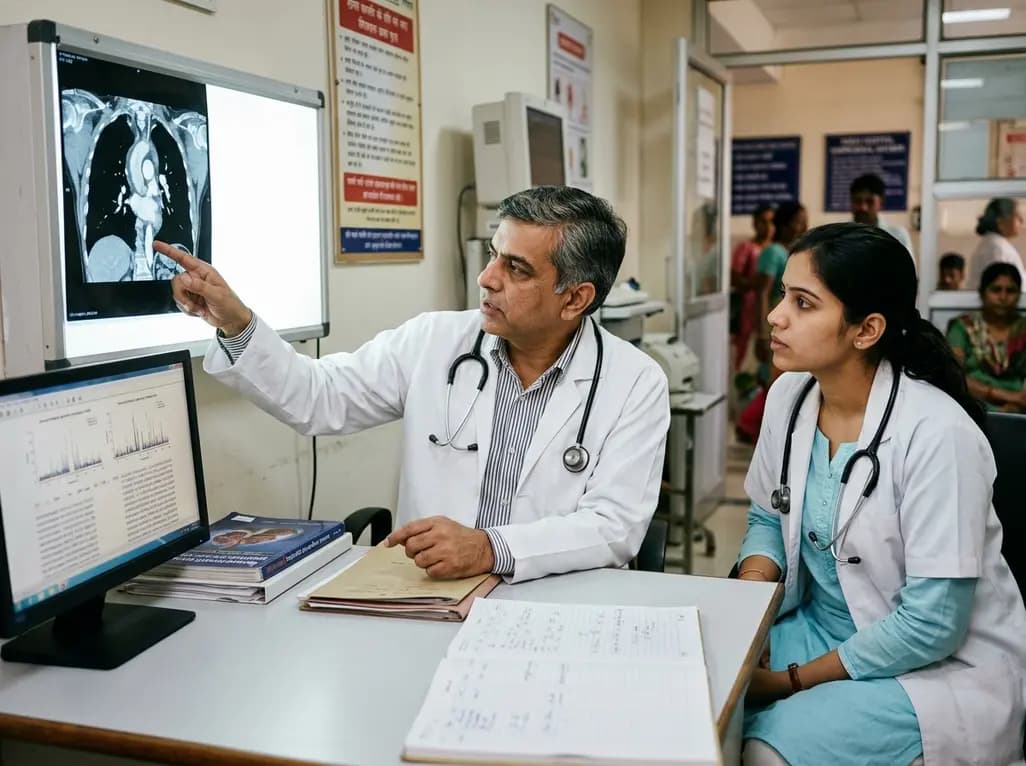
A study reveals that the MYLK c.4079G>A, p.(Gly1360Asp) variant is linked to high-penetrance heritable thoracic aortic disease and early-onset aortic dissection, showing a founder effect in Finnish cohorts. Findings emphasize early cascade screening and vigilant surveillance.
Today
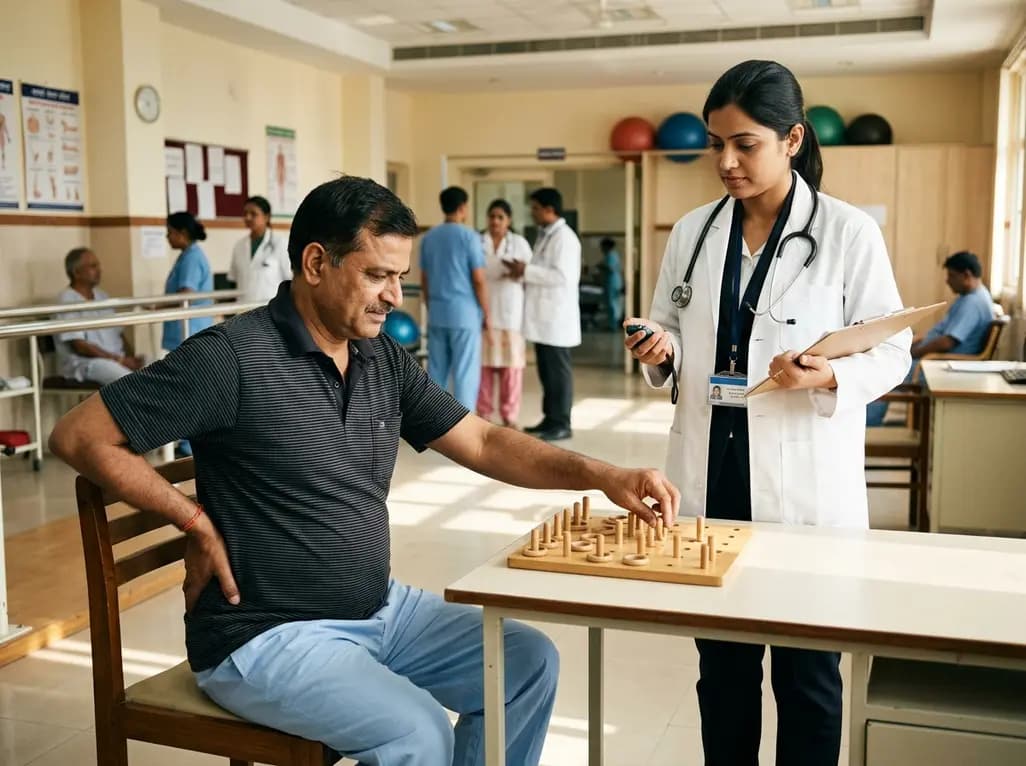
A cross-sectional study reveals that reduced upper extremity exercise capacity measured by the 6-minute pegboard and ring test significantly correlates with higher disability in non-specific chronic low back pain, highlighting the necessity of assessing whole-body functional chains in rehabilitation.
Today
An animal model study reveals that gestational exposure to polystyrene microplastics causes persistent intrauterine growth restriction, testicular hypoplasia, Leydig cell depletion, and an atypical low-testosterone, low-LH endocrine profile in male offspring from birth into adulthood.
Today
