.webp&w=384&q=75)

Loading, please wait...
Loading, please wait...
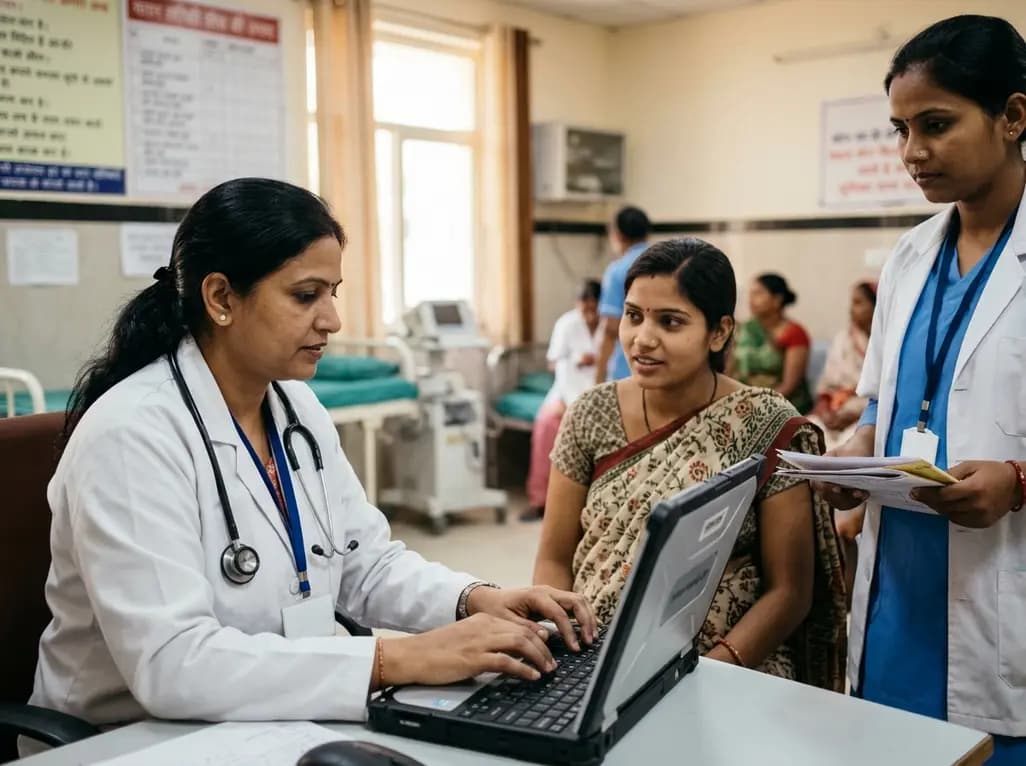
Maternal and perinatal outcomes remain critical indicators of public health efficacy across Indian healthcare systems. The Government of Haryana has launched a digital health surveillance framework centered on the SAMRIDDHI portal maternal health initiative. This technological intervention seeks to eliminate systemic delays in clinical triage, antenatal surveillance, and emergency obstetric management. Furthermore, the initiative mandates complete digital registration for every pregnancy across both public and private health sectors. Chief Minister Nayab Singh Saini emphasized that the primary goal is not mere documentation, but the prompt delivery of evidence-based clinical care. Consequently, the state is deploying a synchronized network comprising a central command unit, specialized call centers, and frontline healthcare personnel.
Under the new state policy, healthcare providers must register every pregnant woman on the digital registry. Each patient receives a unique SAMRIDDHI ID that remains active throughout pregnancy, childbirth, and the extended postpartum period. Consequently, medical teams can access longitudinal health records regardless of whether a patient visits a rural sub-center or an urban tertiary hospital. This unified tracking mechanism specifically bridges the communication gap between private maternity clinics, district civil hospitals, and government medical colleges. Therefore, clinicians can review prior obstetric histories, lab investigations, and ultrasound scans during emergency presentations without administrative delays.
Additionally, the portal maintains secure data storage while supporting real-time data entry by auxiliary nursing midwives (ANMs) and hospital physicians. Because patient records are centralized, clinical teams can quickly detect missed antenatal appointments or unperformed screening tests. Moreover, linking the unique identifier to subsequent birth registration enables continuous pediatric monitoring during the vulnerable neonatal stage. Thus, this integrated digital infrastructure creates an unbroken continuum of care spanning from early conception to infancy.
Timely identification of high-risk obstetric conditions represents the cornerstone of effective maternal mortality reduction. The digital platform incorporates algorithmic risk stratification that classifies pregnancies into standard and high-risk categories based on standardized clinical criteria. Specifically, conditions such as severe gestational anemia, pre-eclampsia, gestational diabetes mellitus, placenta previa, and previous operative deliveries trigger automated notifications. Consequently, attending obstetricians, medical officers, and field-level ANMs receive prompt system alerts outlining mandatory diagnostic workups and specialized consultations.
Furthermore, the monitoring protocol adjusts the frequency of patient outreach according to clinical risk severity. Healthcare teams evaluate individuals with uncomplicated pregnancies at structured three-month intervals. In contrast, staff contact and monitor women with high-risk markers much more frequently. Moreover, as the expected date of delivery approaches, automated surveillance accelerates to ensure that patients finalize institutional birth plans. Therefore, this active surveillance framework prevents unmonitored obstetric emergencies and promotes timely hospitalization before the onset of intrapartum complications.
To support real-time operational governance, the state has instituted a dedicated SAMRIDDHI Command Centre operating under the National Health Mission. Operating in multiple shifts, this six-seat centralized facility oversees data streams, referral queues, and clinical alerts from all districts. Additionally, the command hub integrates directly with the 102 Maternal and Child Health Call Centre. Trained nursing professionals staff the helpline to offer structured triage, symptom assessment, and health counseling to expectant mothers.
Whenever a nurse identifies warning symptoms during a telephonic interaction, the details upload immediately to the patient profile. Simultaneously, the command center receives an urgent flag to coordinate prompt clinical follow-up. For example, if a caller reports severe headache, visual disturbances, or decreased fetal movements, triage staff initiate immediate referral protocols. Consequently, the platform eliminates informal delay pathways by connecting community-level triage directly with specialized emergency units. Furthermore, district-level nursing supervisors monitor compliance to ensure that flagged patients reach appropriate medical facilities without delay.
Maternal mortality frequently stems from referral delays, inadequate transport coordination, and mismatched facility capabilities. Therefore, the digital system optimizes inter-facility transfers by directing high-risk patients only to centers with appropriate surgical and neonatal infrastructure. Before dispatching a patient, peripheral health centers can verify bed availability, blood bank reserves, and neonatal intensive care unit (NICU) readiness via the portal. Consequently, this preemptive coordination eliminates dangerous transit between multiple facilities during active labor or obstetric hemorrhage.
In addition, the system informs patients in advance about their assigned institutional delivery centers based on their specific health profiles. Dedicated district coordinators monitor each transfer to ensure smooth handovers between emergency transport services and receiving obstetric teams. As a result, tertiary institutions can mobilize surgical teams and blood products prior to patient arrival. Ultimately, this structured referral mechanism drastically shortens the critical interval between complication onset and definitive surgical or medical intervention.
The state has engineered the digital health framework in strict compliance with Ayushman Bharat Digital Mission (ABDM) guidelines. Consequently, the software architecture supports interoperability with national digital registries, electronic health records, and Ayushman Bharat Health Account (ABHA) IDs. This standardization guarantees robust data security, patient privacy, and seamless cross-platform utility. Furthermore, government authorities can analyze aggregated epidemiological metrics to detect regional trends in maternal morbidity and healthcare access disparities.
By digitizing maternal healthcare pathways, the administration provides healthcare workers with structured accountability and actionable clinical data. Public health administrators can monitor key performance indicators, such as institutional delivery rates and high-risk case resolution, in real time. Moreover, this transparent oversight ensures optimal resource allocation, adequate drug supplies, and targeted staff deployments in underserved community health blocks. Thus, the comprehensive digital initiative transforms maternal health governance into a proactive, data-driven, and life-saving public health ecosystem.
Q1: What is the primary purpose of Haryana's SAMRIDDHI initiative?
The primary purpose is to reduce maternal and neonatal mortality across Haryana through systematic digital tracking. By providing every pregnant woman with a unique identifier, the system enables continuous health monitoring from early pregnancy through the postpartum period. It also ensures early identification of complications, structured tele-triage, and prompt referral to equipped obstetric facilities.
Q2: How does the system manage high-risk pregnancies differently from normal pregnancies?
The platform categorizes pregnancies using standardized clinical risk criteria and generates automated alerts for medical personnel. While women with uncomplicated pregnancies receive structured check-ins every three months, high-risk cases undergo frequent, intensive monitoring. Furthermore, as the delivery date nears, contact frequency increases significantly to ensure safe, planned institutional delivery.
Q3: Does the mandatory digital tracking apply to private healthcare facilities?
Yes, the mandate encompasses all pregnant women seeking care across government hospitals, private maternity clinics, and medical colleges. Regardless of where a patient receives treatment, clinicians must update her records via her unique ID. This mandatory cross-sector coverage ensures an uninterrupted, comprehensive medical record across the entire state.
Disclaimer: This content is for informational and educational purposes only. It does not constitute medical advice or replace professional judgment. Refer to the latest local and national guidelines for clinical practice.
References

Read summarized clinical updates, watch expert medical content, and earn CME certifications right from your smartphone.
Open your smartphone camera to scan and install.





The Haryana government has unveiled the SAMRIDDHI platform to digitally register every pregnant woman, streamline high-risk referrals, and reduce maternal and neonatal mortality across public and private healthcare facilities statewide.
4 weeks back
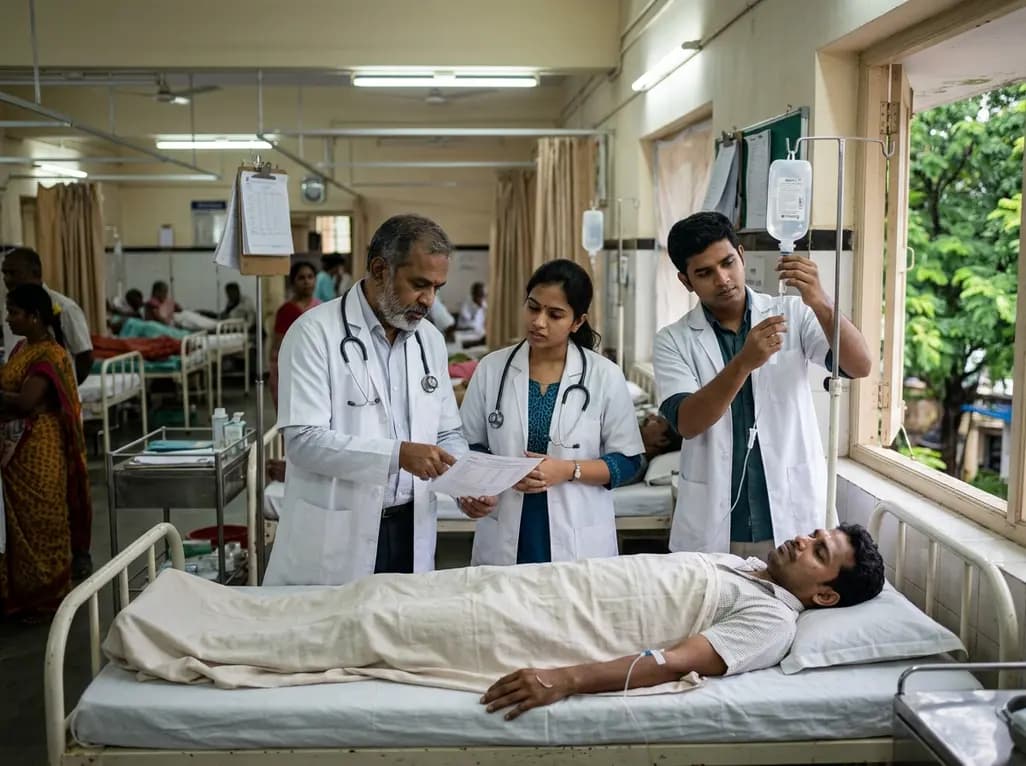
With post-monsoon dengue surges threatening South Asian health systems, physicians must refine triage and management. This guide covers vital warning signs, plasma leakage detection, crystalloid titration, and vector containment strategies to prevent mortality during seasonal arboviral epidemics.
Today
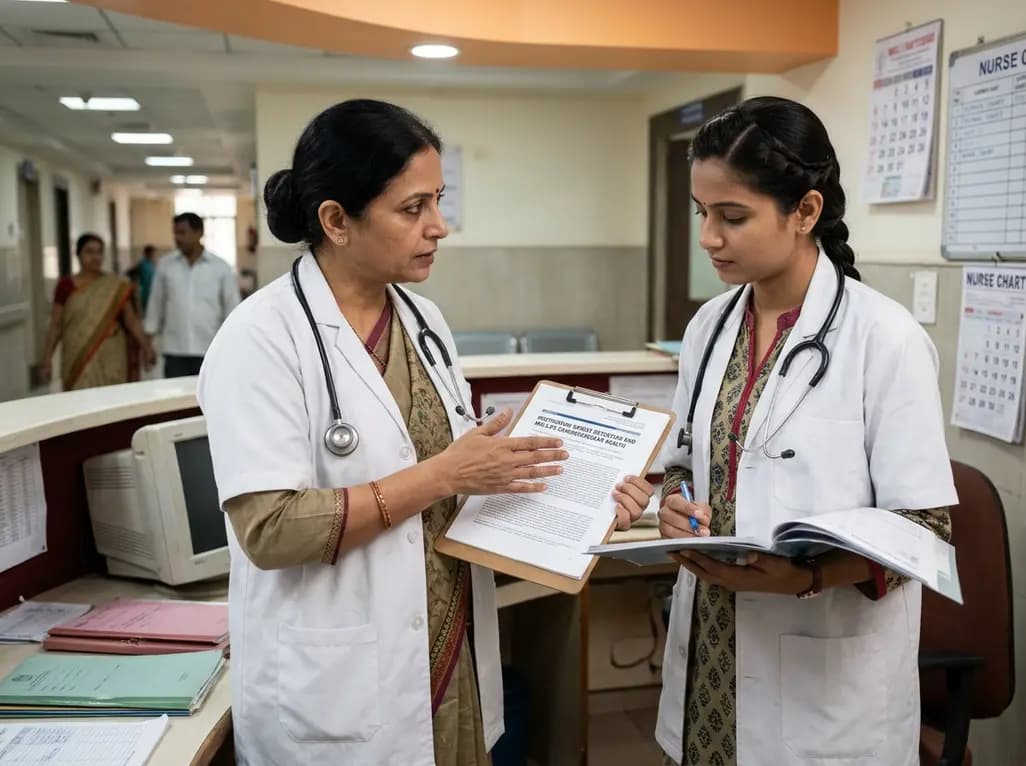
Findings from Project Viva indicate that sustained postpartum weight retention, rather than excessive gestational weight gain alone, directly worsens women's mid-life cardiovascular health, degrading blood pressure and glycemic parameters decades after delivery.
Today
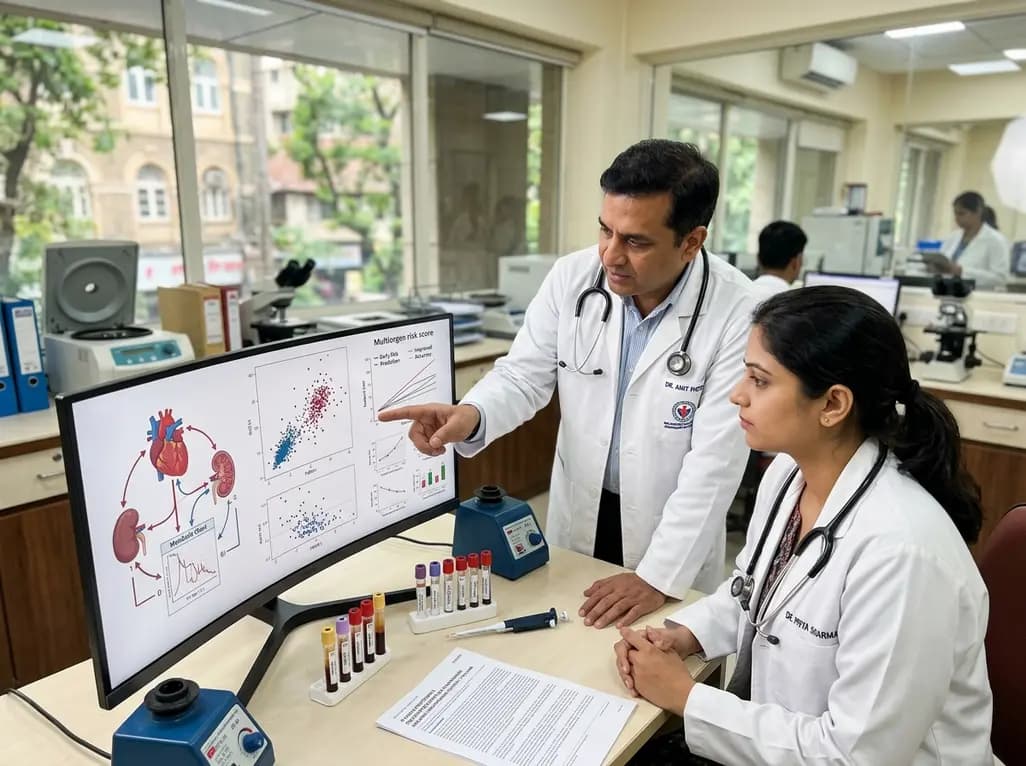
A large UK Biobank study reveals that plasma proteomic signatures capture preclinical organ damage and improve multiorgan risk prediction across early CKM syndrome stages 0 to 2 beyond traditional PREVENT clinical models.
Today
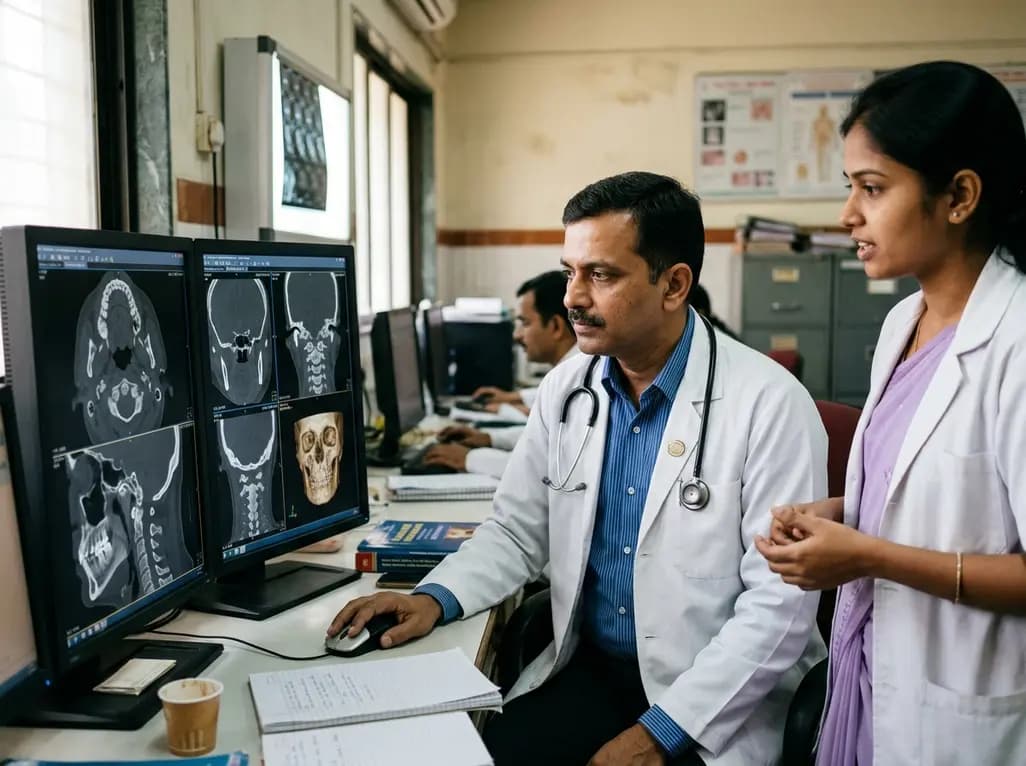
A retrospective CBCT study reveals that superior TMJ space asymmetry correlates moderately with occipital condyle-atlas-axis asymmetry in unilateral TMJ osteoarthritis, highlighting an imaging correlate between jaw biomechanics and upper cervical alignment rather than a standalone diagnostic marker.
Today

A Bayesian multilevel meta-analysis reveals that aerobic training combined with moderate carbohydrate restriction modestly lowers HbA1c in type 2 diabetes. However, sparse data and very low certainty leave incremental benefits over exercise or diet alone unproven, highlighting the need for individualized care.
Today
