.webp&w=384&q=75)

Loading, please wait...
Loading, please wait...
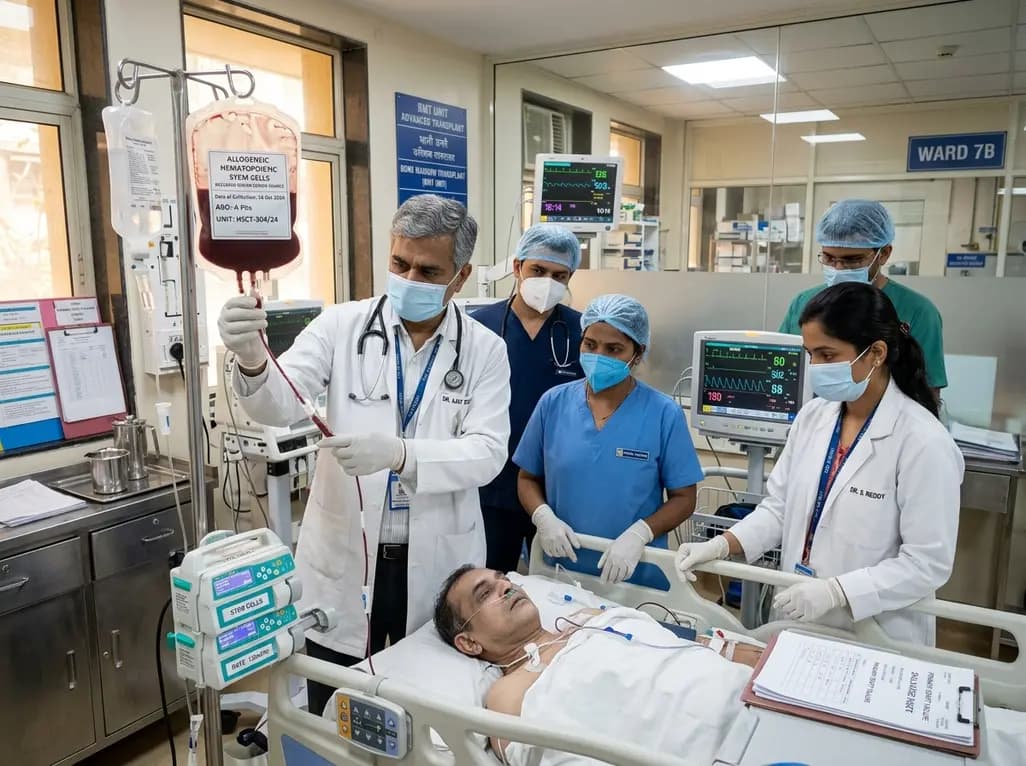
Allogeneic hematopoietic stem cell transplantation provides a life-saving therapy for complex hematologic malignancies. However, primary graft failure represents one of its most catastrophic post-transplant complications. Patients failing to achieve donor engraftment endure severe cytopenias, life-threatening opportunistic infections, and fatal bleeding risks. Consequently, urgent salvage transplantation is critical for survival. Historically, identifying and mobilizing a second living donor required weeks, often precluding timely intervention. A breakthrough report by Holtzman and colleagues demonstrates the successful salvage of primary graft failure using allogeneic stem cells harvested from a deceased organ donor, establishing an immediate, off-the-shelf alternative.
Primary graft failure constitutes an extreme medical emergency characterized by the absence of initial hematologic recovery. Specifically, clinicians diagnose this condition when absolute neutrophil counts fail to exceed 500 cells per microliter by day 28 post-transplant. Furthermore, marrow biopsy confirms severe hypocellularity lacking donor-derived chimerism. Multiple pathophysiological factors drive this complication. Pre-existing donor-specific antibodies frequently trigger antibody-mediated graft rejection. In addition, inadequate pre-transplant conditioning, low stem cell doses, and occult infections impair engraftment kinetics. Without immediate salvage, patient mortality rapidly approaches eighty percent. Uncontrolled aplasia exposes vulnerable patients to fulminant bacterial sepsis and angioinvasive fungal pneumonia. Concurrently, intractable thrombocytopenia precipitates catastrophic intracranial and pulmonary hemorrhages. Therefore, hematologists cannot rely on watchful waiting once graft rejection occurs. Standard clinical practice mandates an immediate second allogeneic transplant to restore hematopoiesis. However, conventional donor mobilization pathways cannot always meet this urgent timeline. Consequently, cellular therapy requires novel donor sources to prevent irreversible clinical decompensation in these fragile patients.
When primary graft failure emerges, clinical teams face severe temporal constraints. Procuring a second stem cell product from traditional sources presents formidable hurdles. For instance, requesting an urgent repeat mobilization from the original living donor often fails because of donor refusal, procedural exhaustion, or underlying graft inadequacy. Similarly, initiating an emergency search for an alternate unrelated volunteer donor requires lengthy administrative approvals, repeat infectious screening, and scheduled apheresis. These bureaucratic and clinical delays often consume four to eight weeks. Unfortunately, severely neutropenic patients rarely survive this prolonged waiting window. Umbilical cord blood units provide cryopreserved alternatives, but they harbor well-documented limitations. Specifically, cord blood grafts contain relatively low CD34+ cell numbers, producing delayed engraftment kinetics and high non-relapse mortality in adult recipients. Haploidentical family donors provide another theoretical option, yet family members may be medically ineligible or unavailable. Consequently, the transplant community has urgently sought an abundant, pre-banked graft source that enables immediate infusion without procedural lead time.
To overcome living donor procurement barriers, investigators explored deceased organ donors as an untapped stem cell reservoir. While deceased donors routinely provide kidneys, livers, and hearts, their skeletal structures house massive quantities of hematopoietic stem cells. Specialized recovery protocols procure the vertebral bodies of brain-dead organ donors alongside solid organs. Cellular processing facilities extract bone marrow mononuclear cells directly from the cancellous vertebral matrix. Remarkably, a single deceased donor yields billions of primitive CD34+ progenitor cells, often providing multiple adult therapeutic doses. Furthermore, laboratory teams process and cryopreserve these cells under rigorous Good Manufacturing Practice standards. These banked units undergo comprehensive high-resolution HLA typing and infectious disease screening prior to indefinite storage. Because these cellular grafts exist in pre-characterized repositories, transplant centers can order, ship, and thaw them within hours of confirming graft loss. Consequently, this innovation completely eliminates donor mobilization delays. Thus, cryopreserved deceased donor marrow offers a reliable, off-the-shelf platform for acute transplant emergencies.
The groundbreaking study by Holtzman and colleagues validated this novel paradigm in clinical practice. Specifically, the medical team treated an adult recipient who suffered life-threatening primary graft failure after allogeneic transplantation. Because no living donor was immediately obtainable, clinicians rapidly procured an HLA-compatible, cryopreserved vertebral bone marrow unit from a deceased donor bank. The team administered a targeted, reduced-intensity conditioning regimen to facilitate donor acceptance while minimizing systemic organ toxicity. Following intravenous infusion, the cryopreserved graft exhibited excellent tolerability without infusional toxicities. Remarkably, the graft established rapid, robust hematopoietic reconstitution. The patient achieved sustained neutrophil engraftment above 500 cells per microliter within expected post-transplant timelines. Furthermore, durable platelet recovery followed promptly, resolving transfusion dependency. Serial chimerism assays confirmed complete donor hematopoiesis without persistent recipient aplasia. This successful salvage definitively proves that cryopreserved bone marrow from deceased organ donors retains full repopulating capacity, effectively rescuing human recipients from otherwise fatal graft failure.
Beyond achieving successful hematopoietic reconstitution, deceased donor stem cells demonstrated remarkable immunological tolerability. Historically, transplant physicians feared that deceased donor grafts might trigger severe graft-versus-host disease due to diverse resident passenger leukocytes. However, modern prophylaxis incorporating post-transplant cyclophosphamide and calcineurin inhibitors successfully suppressed hyperacute alloreactive responses. The patient experienced no grade III or IV acute graft-versus-host disease. Furthermore, longitudinal immunophenotyping revealed balanced immune recovery across T-cell and B-cell subsets, preventing intractable opportunistic infections. This technological breakthrough carries profound implications for global cellular therapy. First, establishing centralized deceased donor stem cell banks can dramatically broaden donor access for underrepresented ethnic populations with rare HLA alleles. Second, off-the-shelf availability transforms emergency salvage management worldwide. In countries with burgeoning transplant programs, such as India, integrating vertebral marrow recovery into existing deceased organ donation frameworks could overcome critical donor shortages. Ultimately, this approach redefines cellular salvage therapy, offering immediate hope for patients who exhaust conventional donor options.
Traditional allogeneic grafts derive from living donors via granulocyte colony-stimulating factor mobilization for peripheral apheresis or direct iliac crest aspiration. In contrast, deceased donor grafts originate from the vertebral bodies of organ donors during organ procurement. Specialized processing laboratories extract mononuclear cells from cancellous bone, cryopreserving large CD34+ cell doses. These pre-tested, cryostored units remain immediately available off the shelf, completely eliminating donor mobilization and harvesting delays.
Primary graft failure leaves patients in prolonged, severe pancytopenia with zero functional immunity following myeloablative or reduced-intensity conditioning. Without rapid neutrophil recovery, patients face fatal opportunistic infections caused by multi-drug-resistant bacteria and invasive molds. Furthermore, persistent thrombocytopenia causes spontaneous, uncontrollable hemorrhage. Because mortality approaches nearly one hundred percent without rapid cellular reconstitution, clinicians must urgently administer a second allogeneic stem cell graft before irreversible septic complications or fatal bleeding events occur.
Current clinical and preclinical data demonstrate that deceased donor bone marrow achieves engraftment without precipitating disproportionate graft-versus-host disease. By implementing contemporary immunosuppressive regimens, such as post-transplant cyclophosphamide alongside calcineurin inhibitors, clinicians successfully regulate donor alloreactivity. Furthermore, vertebral bone marrow contains supportive mesenchymal and progenitor populations that may facilitate immunomodulation. Consequently, recipients experience stable donor chimerism, predictable immune reconstitution, and low rates of severe graft-versus-host disease comparable to conventional allogeneic donor sources.
Disclaimer: This content is for informational and educational purposes only... Refer to the latest local and national guidelines for clinical practice.
References
Holtzman NG et al. Salvage of primary graft failure with allogeneic hematopoietic stem cell transplantation from a deceased organ donor: report of a novel graft source. Haematologica. 2026 Oct 01. doi: 10.3324/haematol.2026.301384. PMID: 42817856.
Olsson RF, Logan BR, Chaudhury S, et al. Primary graft failure after myeloablative allogeneic hematopoietic cell transplantation for hematologic malignancies. Leukemia. 2015;29(8):1754-1762.
Kharfan-Dabaja MA, Kumar A, Ayala E, et al. Standardizing definitions of hematopoietic recovery, graft rejection, graft failure, poor graft function, and donor chimerism in allogeneic hematopoietic cell transplantation: a report on behalf of the ASTCT. Transplant Cell Ther. 2021;27(8):642-649.

Read summarized clinical updates, watch expert medical content, and earn CME certifications right from your smartphone.
Open your smartphone camera to scan and install.





A landmark report highlights the successful salvage of primary graft failure using allogeneic hematopoietic stem cells from a deceased organ donor. This novel strategy bypasses living donor procurement delays, providing off-the-shelf stem cell grafts for critically ill transplant recipients.
Today
With post-monsoon dengue surges threatening South Asian health systems, physicians must refine triage and management. This guide covers vital warning signs, plasma leakage detection, crystalloid titration, and vector containment strategies to prevent mortality during seasonal arboviral epidemics.
Today
Findings from Project Viva indicate that sustained postpartum weight retention, rather than excessive gestational weight gain alone, directly worsens women's mid-life cardiovascular health, degrading blood pressure and glycemic parameters decades after delivery.
Today
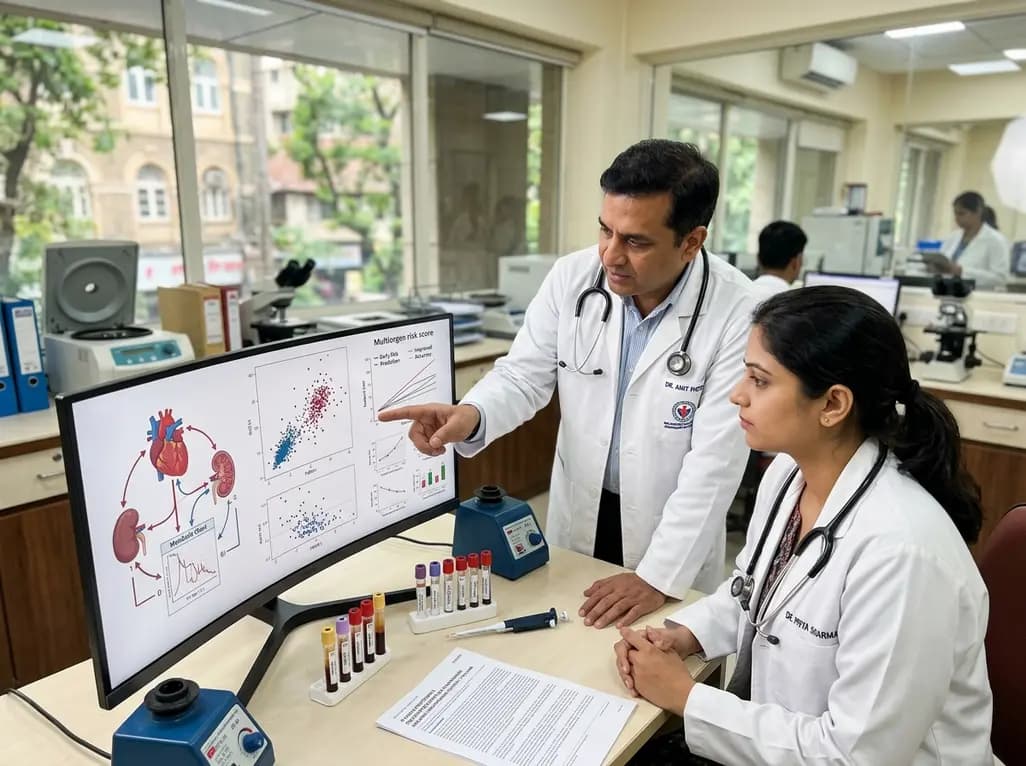
A large UK Biobank study reveals that plasma proteomic signatures capture preclinical organ damage and improve multiorgan risk prediction across early CKM syndrome stages 0 to 2 beyond traditional PREVENT clinical models.
Today
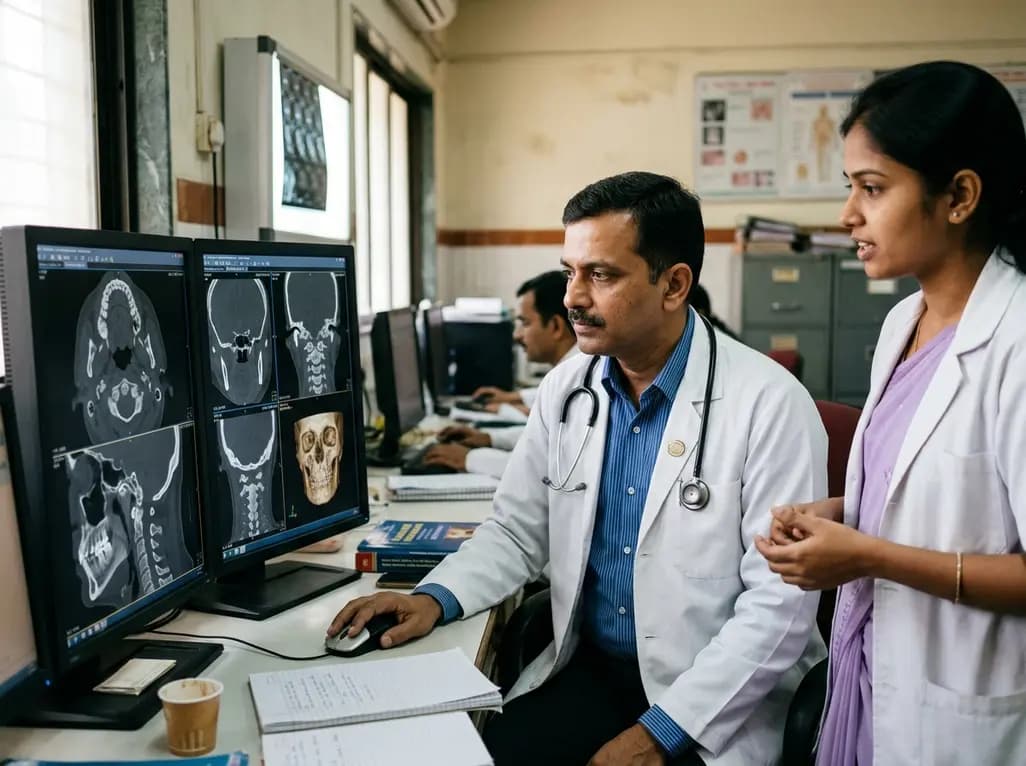
A retrospective CBCT study reveals that superior TMJ space asymmetry correlates moderately with occipital condyle-atlas-axis asymmetry in unilateral TMJ osteoarthritis, highlighting an imaging correlate between jaw biomechanics and upper cervical alignment rather than a standalone diagnostic marker.
Today

A Bayesian multilevel meta-analysis reveals that aerobic training combined with moderate carbohydrate restriction modestly lowers HbA1c in type 2 diabetes. However, sparse data and very low certainty leave incremental benefits over exercise or diet alone unproven, highlighting the need for individualized care.
Today
