.webp&w=384&q=75)

Loading, please wait...
Loading, please wait...
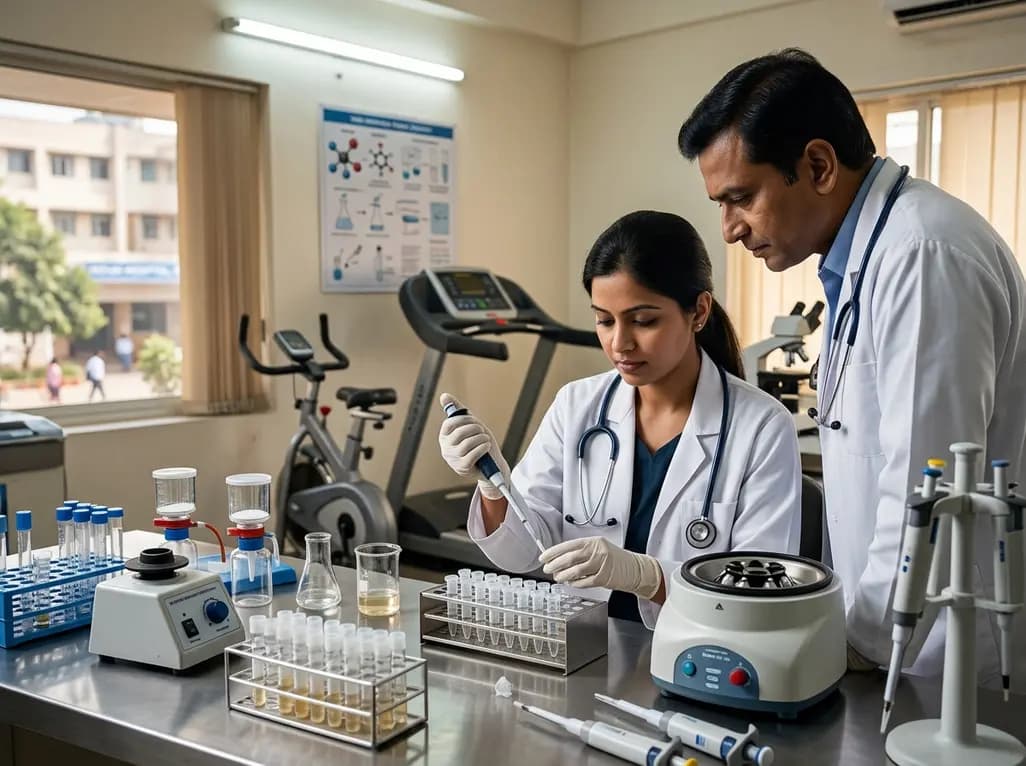
Salivary metabolomics processing represents a significant advancement in the non-invasive monitoring of physiological responses to physical exertion. Because saliva serves as a mirror of the body's internal state, it offers a practical alternative to invasive blood draws in sports medicine. However, the integrity of these molecular insights depends heavily on standardized laboratory techniques. Consequently, researchers must evaluate how pre-analytical variables influence the final data. This necessity led Thornton and colleagues to investigate the impact of various handling techniques on metabolite recovery. Their findings demonstrate that even subtle shifts in preparation can lead to quantifiable differences in metabolomics results. Therefore, clinicians and researchers in India must remain vigilant about the methods used to collect and prepare samples. By prioritizing consistency, the field can move toward more reliable assessments of exercise-induced stress. Furthermore, a deep understanding of these processes allows for better comparisons between saliva and blood-based biomarkers. Specifically, this knowledge helps refine our comprehension of metabolic adaptation during extreme environmental exposures. This article explores the specific methodological factors that determine the success of salivary stress profiling.
Centrifugation and filtration are standard steps in most biofluid preparation workflows. Specifically, these methods aim to remove cellular debris and clarify the sample for downstream analysis. However, Thornton et al. observed that adding these processing steps does not necessarily increase the number of detected metabolites. Instead, these methods can sometimes lead to the loss of specific small molecules through adsorption or mechanical disruption. Moreover, different centrifugation speeds can alter the protein and metabolite profile significantly. For instance, high-speed centrifugation might effectively clear the liquid but also potentially sequester metabolites bound to heavier cellular fragments. Additionally, filtration through various pore sizes can introduce variability if not strictly standardized across a study. Consequently, the study highlights that more processing is not always better for sensitivity or specificity. Researchers should instead focus on the minimal necessary preparation to maintain the natural metabolic signature. Furthermore, selecting the correct centrifuge settings is vital to ensuring that the supernatant remains representative of the original specimen. These nuances are critical for reproducing data across different clinical trials or athletic performance evaluations.
Time-of-day collection emerges as a primary variable in salivary metabolomics. Because many metabolic processes follow a strict circadian rhythm, the timing of saliva sampling can drastically shift the baseline results. Specifically, hormone levels and metabolite concentrations fluctuate throughout a 24-hour cycle. Therefore, collecting samples at disparate times during exercise studies can introduce significant confounding factors. Thornton et al. addressed this by assessing how collection timing interacts with processing outcomes. Their results suggest that the inherent biological variability of saliva often outweighs the differences introduced by laboratory preparation. Consequently, the research community must emphasize the importance of fixed collection windows. Moreover, these temporal shifts are particularly relevant for Indian athletes who may train under varying environmental conditions and times of day. By controlling for circadian influences, scientists can more accurately attribute metabolic changes to exercise-induced stress rather than daily biological cycles. Furthermore, subsequent studies should aim to establish diurnal reference ranges for key salivary markers. This approach will eventually facilitate more precise monitoring of recovery and performance readiness in high-performance settings.
Mucinase treatment is often employed to reduce the viscosity of saliva, making it easier to pipette and process. Specifically, this enzyme breaks down large glycoprotein complexes that can interfere with sensitive analytical instruments. However, the study by Thornton et al. determined that mucinase treatment does not significantly enhance the sensitivity or specificity of metabolomics results. Moreover, the addition of external enzymes might introduce unwanted background noise or chemical artifacts during mass spectrometry. Therefore, the researchers suggest that the benefits of simplified handling might not outweigh the potential for data distortion. Additionally, they noted that the number of detectable metabolites remained relatively stable across different treatment groups. This finding indicates that for broad-spectrum metabolic profiling, the natural state of saliva might be sufficient. Consequently, investigators should weigh the practical convenience of enzymatic treatment against the need for a pristine metabolic profile. Furthermore, the study underscores that every additional reagent used in processing represents a potential source of variability. Researchers must document these steps with extreme precision to allow for valid cross-study comparisons. This level of detail is essential for the long-term growth of salivary bioscience.
The field faces several challenges in salivary metabolomics processing that hinder its widespread clinical adoption. Specifically, the lack of a universal protocol for freezing and storage continues to create discrepancies in published literature. Many researchers delay freezing due to field conditions during exercise studies, which can lead to enzymatic degradation of unstable metabolites. However, the study highlights that understanding the timing of freezing is just as critical as the method itself. Moreover, the physical characteristics of saliva, such as flow rate and pH, can vary based on hydration and stress levels. These factors further complicate the standardization of preparation techniques. Consequently, the reproducibility of metabolomics data remains a central concern for the scientific community. Therefore, creating a comprehensive description of methods is not just a suggestion; it is a requirement for progress. Additionally, the field must address the differences between stimulated and unstimulated saliva collection, as each provides a different metabolic window. Furthermore, Indian medical educators should integrate these technical considerations into sports physiology curricula. By training the next generation of researchers in these methodological nuances, we can ensure the validity of future biomarker discoveries.
Achieving high reproducibility in salivary research requires a collective commitment to methodological transparency. As Thornton et al. conclude, the details of how a sample is treated between collection and analysis are paramount. Specifically, documenting the exact parameters of centrifugation, filtration, and storage allows other labs to replicate findings. Moreover, such standardization is the only way to build robust databases for exercise-stress biomarkers. Therefore, the sports medicine community must move beyond localized protocols and adopt standardized workflows. Additionally, consistent reporting will help clarify the relationship between saliva and other matrices like blood or tissue. Consequently, this will enhance our understanding of how non-invasive markers reflect systemic adaptations to environmental stress. Furthermore, future research should explore the use of stabilizers that could protect the metabolome during transportation from the field to the lab. By addressing these practical hurdles, salivary metabolomics can transition from a pilot research tool to a staple of clinical sports diagnostics. Ultimately, these efforts will lead to better health monitoring and performance optimization for athletes globally. Consistency in processing remains the cornerstone of this evolution.
Centrifugation primarily acts to remove cellular matter and debris from saliva, which clarifies the liquid for analysis. However, this process can alter the recovery of specific metabolites if they are adsorbed onto the removed solid components. While it is necessary for instrument safety, researchers must standardize the speed and temperature of centrifugation. This ensures that the results remain comparable across different samples and that the metabolic signature is not unintentionally shifted.
Filtration aims to further purify saliva by removing large proteins and remaining debris. Despite this, the study by Thornton et al. found that adding filtration did not increase the number of metabolites detected or the sensitivity of the assay. This occurs because filter membranes can sometimes trap the small molecules they are intended to pass. Therefore, excessive processing can introduce new variables and potential losses without providing a significant analytical advantage for metabolomics.
Salivary components are subject to significant diurnal variation, meaning that concentrations naturally rise and fall throughout the day. If researchers collect samples at different times, these biological fluctuations can mask the true effects of exercise-induced stress. To ensure reproducible data, studies must synchronize collection times across all participants. This rigorous control of temporal factors is essential for distinguishing actual physiological responses from the body's natural circadian rhythm shifts.
Disclaimer: This content is for informational and educational purposes only. It does not constitute professional medical advice, diagnosis, or treatment. Always seek the advice of your physician or other qualified healthcare provider with any questions you may have regarding a medical condition or research protocol. Refer to the latest local and national guidelines for clinical practice.
References
Thornton S et al. Sample processing methods affect salivary metabolomics in human exercise-stress studies. Metabolomics. 2026 Jul 09. doi: undefined. PMID: 42426550.
Franco-Martínez L et al. Effects of filtration and alpha-amylase depletion on salivary biochemical composition measurements. PLoS One. 2023 May 26;18(5):e0286092. doi: 10.1371/journal.pone.0286092. PMID: 37235581.
Nakhod VI et al. Sample Preparation for Metabolomic Analysis in Exercise Physiology. Biomolecules. 2024 Dec 7;14(12):1561. doi: 10.3390/biom14121561. PMID: 39766268.

Read summarized clinical updates, watch expert medical content, and earn CME certifications right from your smartphone.
Open your smartphone camera to scan and install.





This pilot study by Thornton et al. explores how sample processing methods, such as filtration and centrifugation, affect salivary metabolomics in exercise-stress research. It reveals that additional steps do not necessarily improve sensitivity, highlighting the need for standardized reporting protocols.
3 months ago

A retrospective comparative cohort study evaluated genitourinary safety in HFpEF between dapagliflozin and empagliflozin over six months. Rates of symptomatic UTI and asymptomatic bacteriuria showed no statistically significant differences, supporting comparable safety profiles across both SGLT2 inhibitors.
Today
A novel folate-conjugated tecto-dendrimer nanoplatform successfully delivers siRNA to achieve targeted HK2 silencing, disrupting ovarian cancer glycolysis and suppressing lactate output.
Today
A comparative non-contact study reveals that high-power radiofrequency delivery with the QDOT MICRO catheter induces an artifactual contact force rise. Electrophysiologists must understand this power-dependent thermal and electrical phenomenon to avoid inadvertent catheter withdrawal and ineffective ablation.
Today
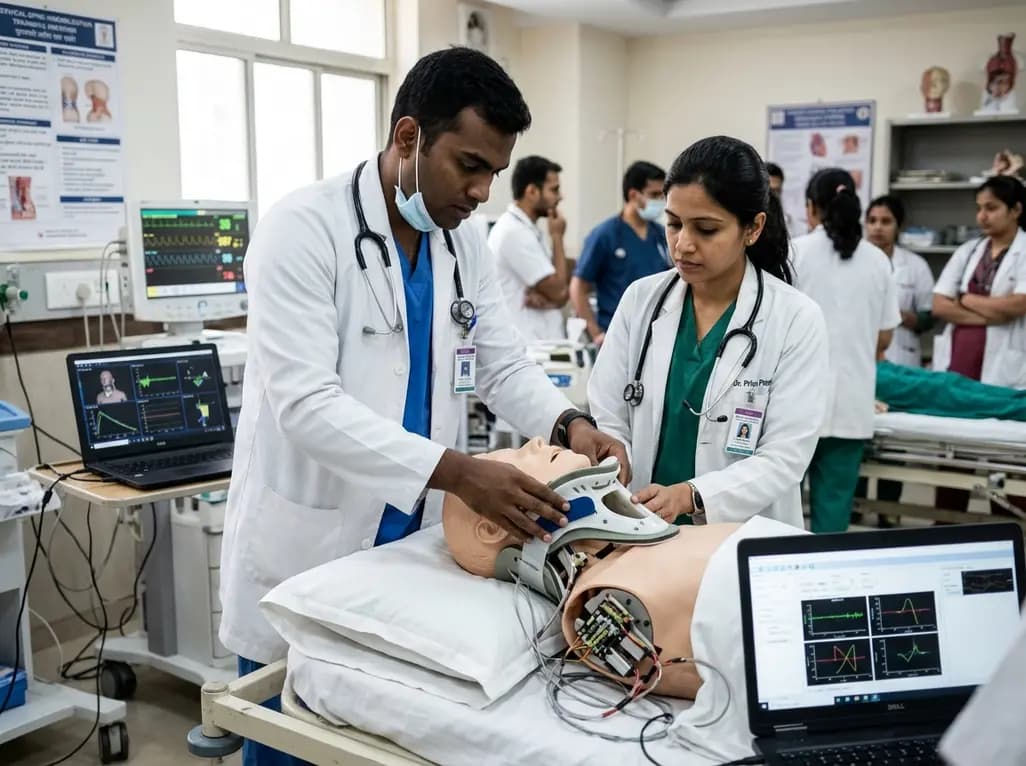
A novel proof-of-concept study presents a six-degree-of-freedom articulated manikin neck equipped with linear potentiometers. The system provides real-time kinematic motion feedback during cervical immobilisation, delivering sub-degree tracking accuracy to improve pre-hospital trauma training and patient safety.
Today
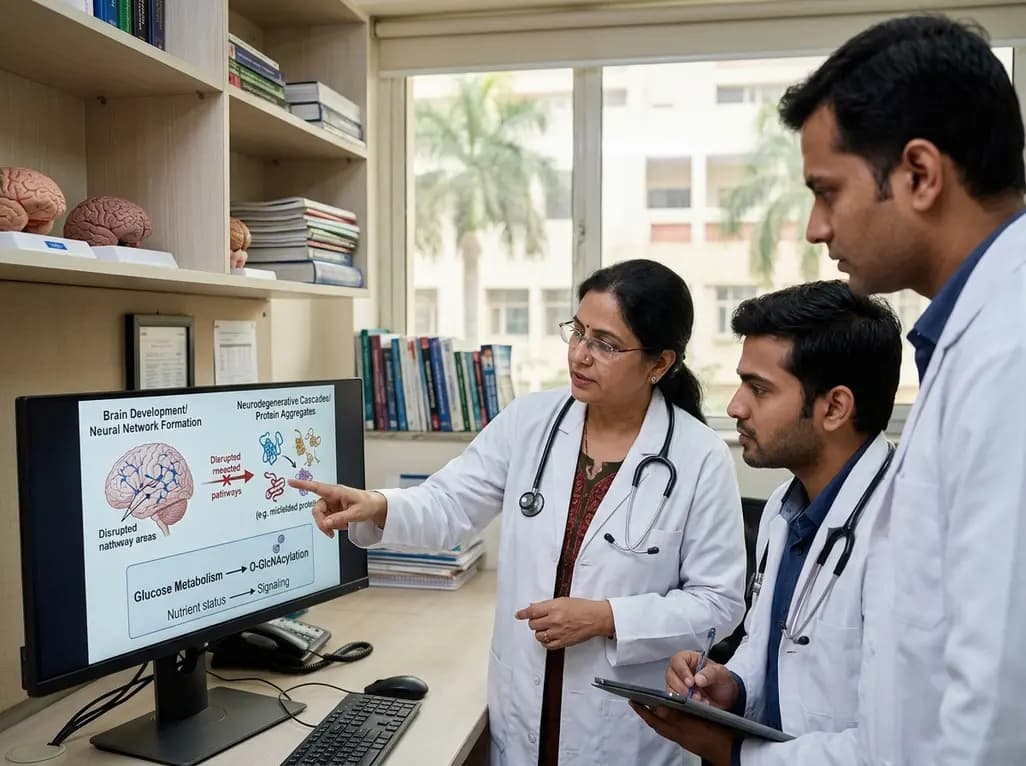
Protein O-GlcNAcylation couples cellular nutrient status to vital neuronal functions. This review explores how disrupted O-GlcNAc cycling drives both neurodevelopmental delays and neurodegenerative cascades, positioning metabolic post-translational modifications as therapeutic targets in clinical neurology.
Today
