.webp&w=384&q=75)

Loading, please wait...
Loading, please wait...

Cytotoxic drug safety is paramount for the health of oncology personnel, yet significant knowledge and practice gaps remain common in clinical settings. A study conducted at Komfo Anokye Teaching Hospital in Ghana evaluated 75 healthcare workers, including pharmacists and nurses. While respondents demonstrated a high mean knowledge score of 7.67/10, technical deficiencies regarding specific safety standards were evident. For instance, only a small fraction of participants understood glove variability or the limitations of gown reuse.
The research highlighted that high theoretical knowledge does not always translate into safe clinical behavior. Although overall practice scores were acceptable, approximately 15% of the staff admitted to touching cytotoxic tablets with bare hands. Furthermore, 19% of respondents reported reusing personal protective equipment (PPE). These actions significantly increase the risk of occupational exposure, which can lead to severe long-term health consequences such as reproductive toxicity and carcinogenesis. Consequently, ensuring the consistent availability of specialized PPE remains a critical institutional challenge.
Addressing these gaps requires a multifaceted approach involving both individual accountability and institutional support. The study found that professional cadre was a significant predictor of knowledge, suggesting that educational programs should be tailored to specific roles. Moreover, hospitals must reinforce safety policies to discourage the reuse of disposable equipment. Regular training sessions focused on technical standards, such as the NIOSH guidelines, can help bridge the gap between awareness and practice. Ultimately, fostering a culture of safety is essential to protect those who provide life-saving cancer care.
Occupational exposure to cytotoxic drugs can cause acute symptoms like nausea and skin irritation. Long-term risks include reproductive issues, organ damage, and an increased risk of developing leukemia or other cancers.
Double-gloving provides an extra layer of protection against micro-tears and permeability. It allows the outer glove to be removed if contaminated while the inner glove continues to protect the skin during cleanup or further handling.
Disclaimer: This content is for informational and educational purposes only. It does not constitute medical advice or establish a doctor-patient relationship. Refer to the latest local and national guidelines for clinical practice.
References
Mensah KB et al. Safe handling of cytotoxic and other hazardous drugs: Knowledge and practices among oncology staff in a teaching hospital. J Oncol Pharm Pract. 2026 Mar 27. doi: 10.1177/10781552261430332. PMID: 41891208.
National Institute for Occupational Safety and Health (NIOSH). NIOSH List of Hazardous Drugs in Healthcare Settings, 2024. Centers for Disease Control and Prevention (CDC). Publication No. 2025-103.
International Society of Oncology Pharmacy Practitioners (ISOPP). ISOPP Standards for the Safe Handling of Cytotoxic Drugs. Journal of Oncology Pharmacy Practice.

Read summarized clinical updates, watch expert medical content, and earn CME certifications right from your smartphone.
Open your smartphone camera to scan and install.





A study highlights critical gaps in the safe handling of cytotoxic drugs among oncology staff, focusing on PPE reuse and technical knowledge deficiencies....
6 months ago

Explore vital recurrent stroke predictors in lacunar stroke patients managed with intensive blood pressure lowering. This analysis examines trial findings from SPS3 to uncover residual vascular risks, metabolic factors, and targeted secondary prevention strategies for high-risk neurological patients.
Today
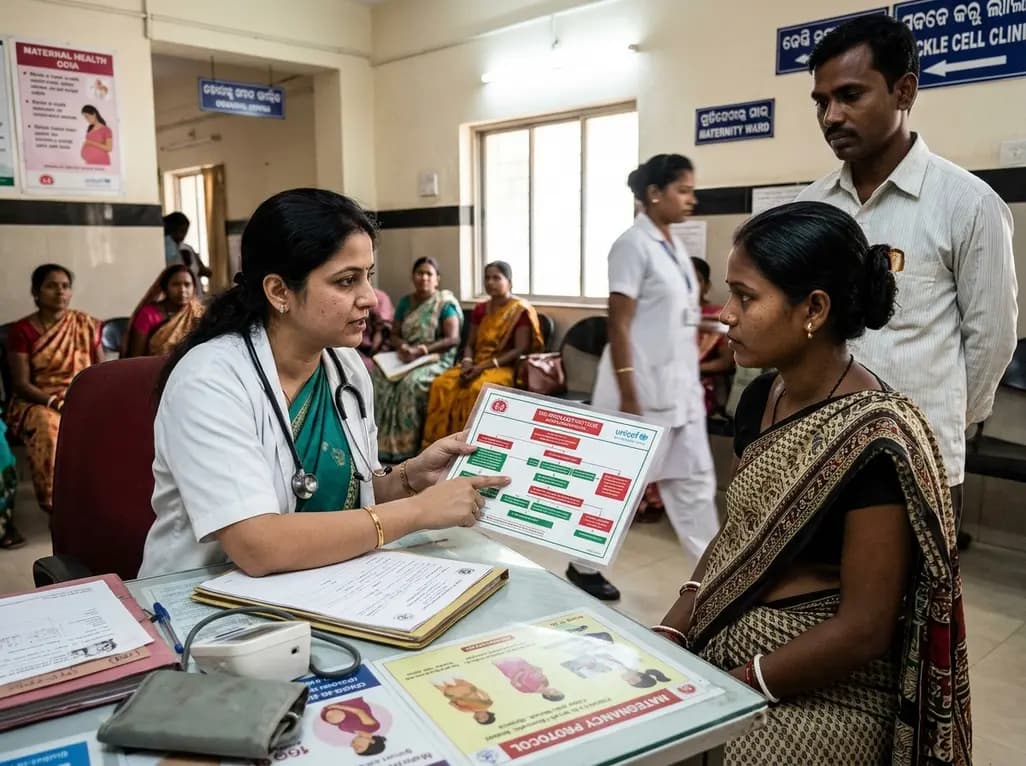
Odisha has established India's first state-level clinical protocol specifically tailored for pregnant women with sickle cell disease. Developed with NHM and UNICEF, the framework provides structured antenatal screening, crisis mitigation, standardized referral pathways, and specialized interdisciplinary care.
Today

India is advancing preventive healthcare by integrating genomics, artificial intelligence, and quantum technologies. With the SANGAM programme sequencing one million Indian genomes, clinicians can unlock personalized therapies, detect cardiometabolic risks early, and curb the burden of diabetes and heart disease.
Today
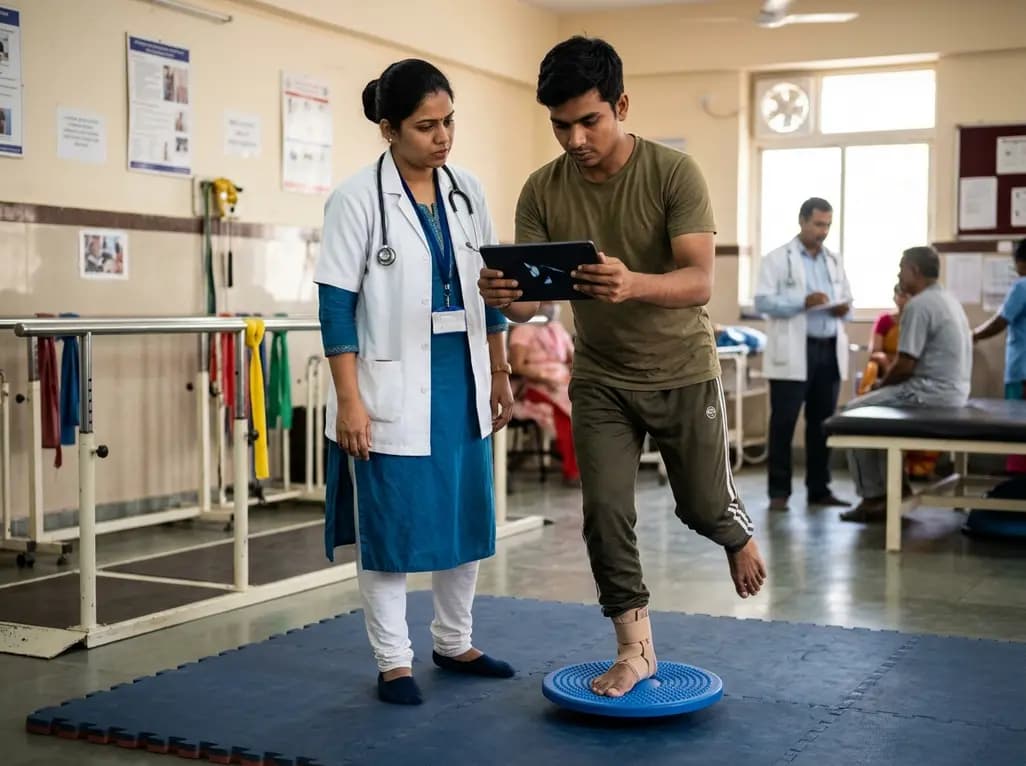
A randomized controlled trial demonstrates that an eight-week dual-task training intervention significantly improves static and dynamic postural control over standard balance exercises in individuals with chronic ankle instability, addressing critical neurocognitive deficits during athletic and daily activities.
Today
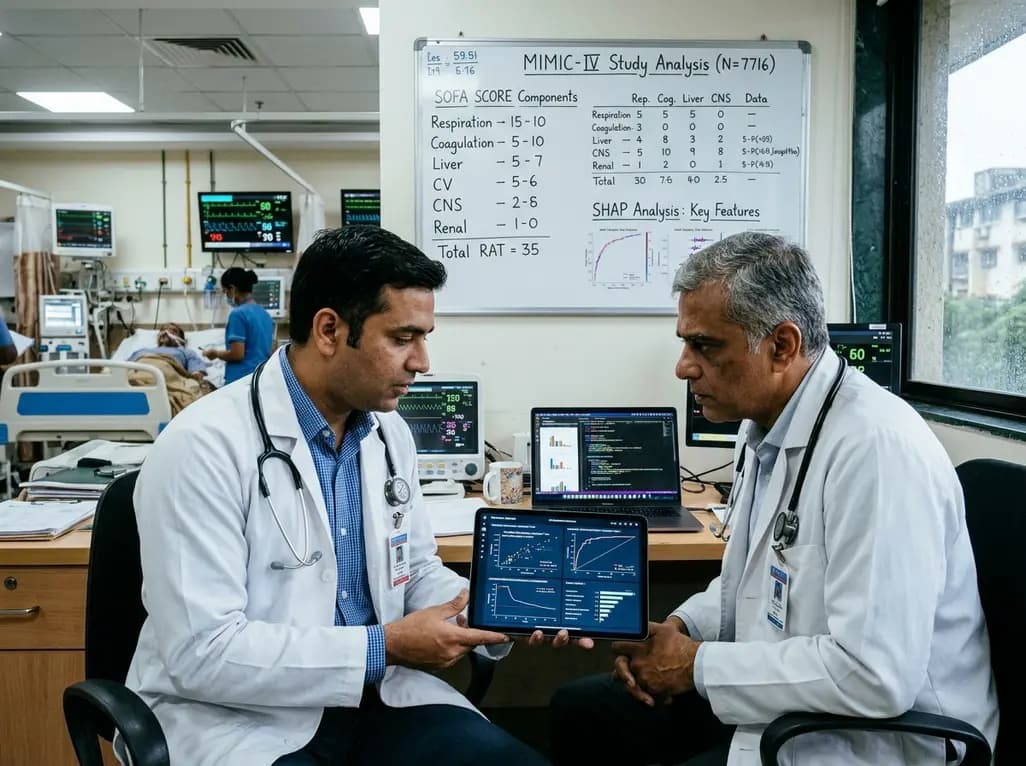
A retrospective cohort study of 7,716 ICU patients from the MIMIC-IV database demonstrates that Gradient Boosting Decision Trees significantly outperform traditional SOFA scores in predicting in-hospital mortality among patients with sepsis and diabetes, with SHAP analysis providing clinical interpretability.
Today
