.webp&w=384&q=75)

Loading, please wait...
Loading, please wait...
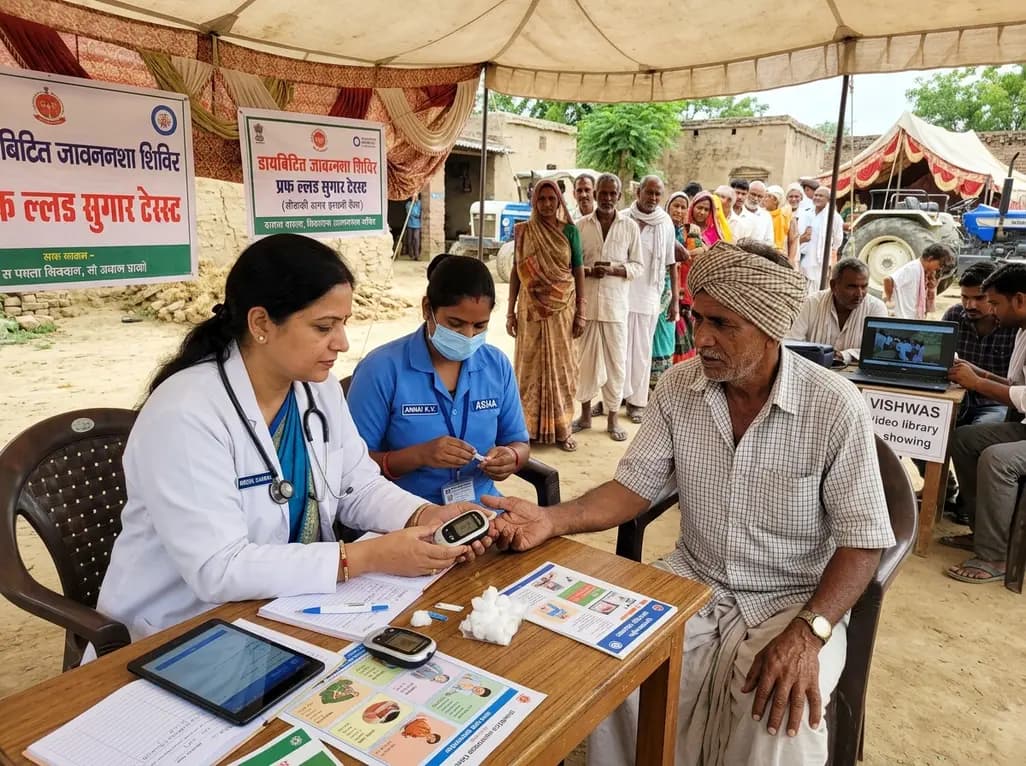
During a high-level national healthcare address, Union Minister of State for Science and Technology Dr. Jitendra Singh emphasized that rural diabetes prevention must become an urgent national health priority. Delivering his remarks at the inauguration of the Research Society for the Study of Diabetes in India (RSSDI) 'Diabetes Rural Outreach Digital Portal' and the launch of the VISHWAS educational platform, Dr. Singh highlighted the evolving epidemiology of non-communicable diseases. He stated that rural India is no longer insulated from the metabolic surge that previously affected primarily urban centers. Consequently, establishing proactive, community-led, and digitally enabled screening frameworks has become critical to safeguarding national productivity.
Historically, metabolic disorders in India were predominantly documented in affluent urban populations. However, national epidemiological data, including findings from the landmark ICMR-INDIAB study, reveal that rapid lifestyle transitions, dietary modifications, and changing physical activity patterns have accelerated diabetes prevalence across rural areas. Therefore, clinicians can no longer treat cardiometabolic conditions as urban-exclusive problems.
Moreover, the clinical implications for rural communities are particularly severe due to historical gaps in primary healthcare infrastructure and diagnostic accessibility. In addition, lower baseline awareness frequently leads to late diagnoses when microvascular and macrovascular complications have already progressed. Dr. Singh emphasized that over seventy percent of the Indian population is under forty years of age. As a result, unaddressed metabolic disease directly threatens the productive workforce necessary for economic advancement by 2047. Consequently, robust screening, prompt medical intervention, and structured risk stratification must be deployed systematically within primary care ecosystems.
To directly bridge the urban-rural care divide, the RSSDI launched its Rural Outreach Programme. This structured initiative demonstrates how medical professional societies can actively support public health infrastructure through structured village adoption models. Specifically, participating diabetologists and physicians adopt underserved rural communities to deliver structured awareness campaigns, point-of-care diagnostic screening, and standardized medical management.
Furthermore, the initiative has successfully expanded across approximately thirty villages in several Indian states, with extensive scaling planned. By organizing regular clinical camps and training local health workers, the programme ensures that rural patients receive specialized clinical advice without traveling vast distances. Consequently, early intervention prevents acute glycemic crises and curtails chronic complications such as diabetic retinopathy, peripheral nephropathy, and cardiovascular events. Thus, this grassroots model provides an adaptable blueprint for comprehensive chronic disease management nationwide.
The inauguration of the RSSDI Diabetes Rural Outreach Digital Portal establishes a standardized digital ecosystem for community healthcare documentation. Specifically, this platform enables longitudinal patient tracking, streamlined beneficiary registration, and continuous monitoring of therapeutic outcomes. Therefore, rural patients benefit from uninterrupted care pathways rather than episodic, uncoordinated clinical visits.
In addition, the portal functions as an invaluable engine for generating anonymized, real-world data from diverse rural cohorts. Because Indian populations exhibit distinct phenotypes with heightened visceral adiposity and early beta-cell dysfunction, standard Western treatment algorithms may not always provide optimal guidance. Real-world rural data collected through this digital portal will help clinical researchers understand rural disease trajectories, treatment adherence patterns, and pharmacological efficacy. Consequently, policymakers and clinical guideline panels can formulate customized, evidence-based public health strategies tailored to local demographics.
Health literacy serves as the foundation for effective chronic disease self-management. Addressing this need, the RSSDI introduced VISHWAS, a dedicated diabetes awareness video library created to provide accessible health education directly to patients and local caregivers. However, technology-driven health resources often struggle to achieve meaningful engagement if language barriers exist.
Dr. Singh emphasized that digital health solutions must respect India's vast linguistic and cultural diversity. Therefore, educational digital resources must move beyond formal languages to include colloquial dialects and regional idioms understood by rural citizens. By adopting localized visual communication, VISHWAS empowers patients to understand glycemic control, dietary modifications, physical activity recommendations, and early warning signs of complications. Consequently, culturally aligned digital communication significantly improves treatment compliance and promotes healthier daily lifestyle choices.
Managing the rising burden of non-communicable diseases requires moving past isolated medical specializations into cross-sector collaboration. Dr. Singh noted that the era of institutional silos has ended, emphasizing that medical science, engineering, and digital technology are converging to create innovative diagnostic and therapeutic tools. Accordingly, successful rural intervention requires unified coordination among government agencies, academic institutions, technological developers, and accredited social health activists.
Ultimately, safeguarding the health of young citizens is essential for preserving the economic benefits of India's demographic dividend. When youth-onset metabolic dysfunction is caught early through multidisciplinary community screening, secondary organ damage is substantially curtailed. Furthermore, integrating low-cost diagnostics with digital registries ensures long-term fiscal sustainability for the broader healthcare system. Thus, concerted institutional collaboration ensures that modern, evidence-based preventive care reaches every rural citizen effectively.
Q1: Why is diabetes prevalence rising rapidly in rural India?
Diabetes is increasing across rural India due to rapid socio-economic transitions, increased consumption of processed foods, reduced physical activity, and urbanized lifestyle patterns. Furthermore, historical disparities in diagnostic access have left many individuals undiagnosed until significant metabolic complications develop, making early rural screening programs vital.
Q2: What is the primary objective of the RSSDI Rural Outreach Digital Portal?
The digital portal provides a standardized platform for registering rural patients, documenting treatments, and tracking longitudinal clinical outcomes. Moreover, it aggregates anonymized real-world health data from rural communities. This data enables researchers and health authorities to design targeted, evidence-based interventions specifically suited for diverse Indian demographics.
Q3: How does the VISHWAS video library support grassroots diabetes education?
The VISHWAS platform offers accessible, video-based educational content designed to demystify glycemic management and lifestyle modifications. By incorporating vernacular languages and localized communication strategies, the library overcomes literacy barriers, empowering rural patients and community health workers to implement effective preventive care and maintain therapeutic compliance.
Disclaimer: This content is for informational and educational purposes only. It does not constitute medical advice or replace professional judgment. Refer to the latest local and national guidelines for clinical practice.
References

Read summarized clinical updates, watch expert medical content, and earn CME certifications right from your smartphone.
Open your smartphone camera to scan and install.





Union Minister Dr. Jitendra Singh has called for elevating diabetes prevention to a national priority, highlighting that rural India faces an escalating metabolic burden. Through the launch of the RSSDI Rural Outreach Digital Portal and the VISHWAS video library, nationwide efforts now target early rural detection.
last month
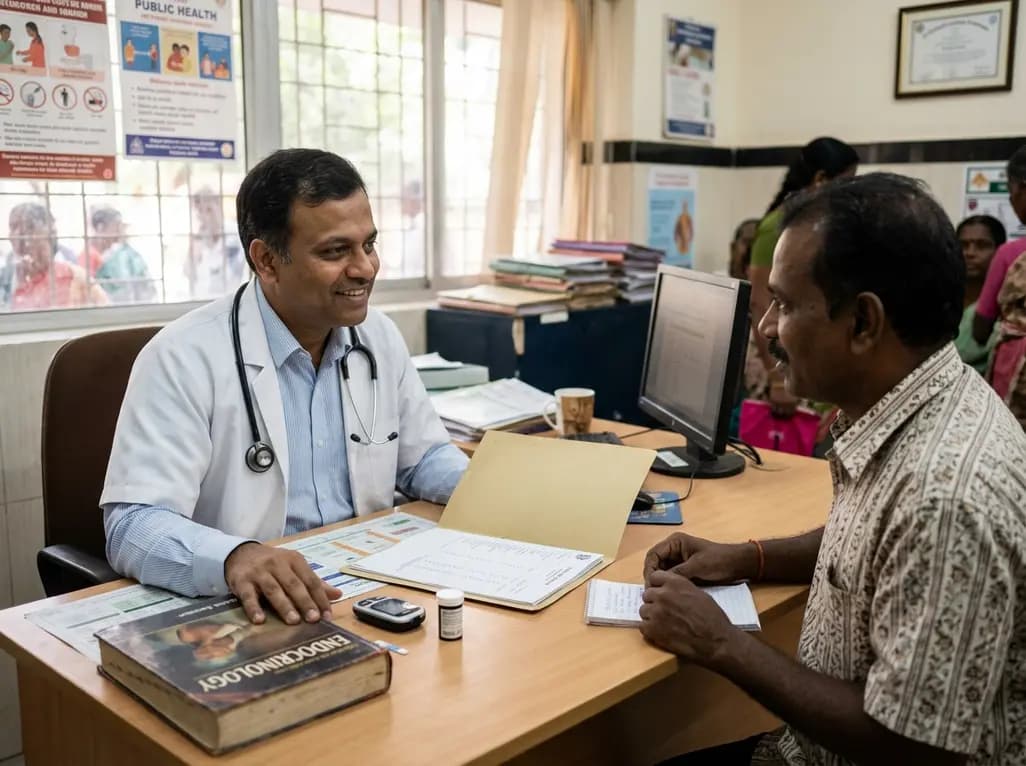
A Bayesian multilevel meta-analysis reveals that aerobic training combined with moderate carbohydrate restriction modestly lowers HbA1c in type 2 diabetes. However, sparse data and very low certainty leave incremental benefits over exercise or diet alone unproven, highlighting the need for individualized care.
Today
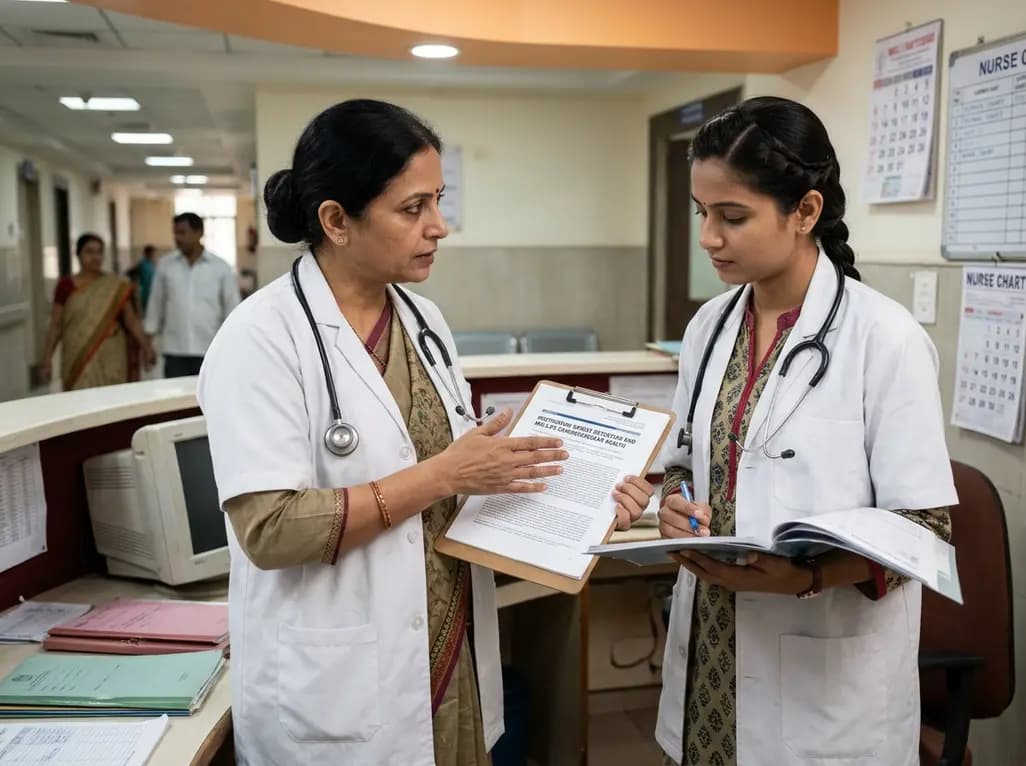
Findings from Project Viva indicate that sustained postpartum weight retention, rather than excessive gestational weight gain alone, directly worsens women's mid-life cardiovascular health, degrading blood pressure and glycemic parameters decades after delivery.
Today
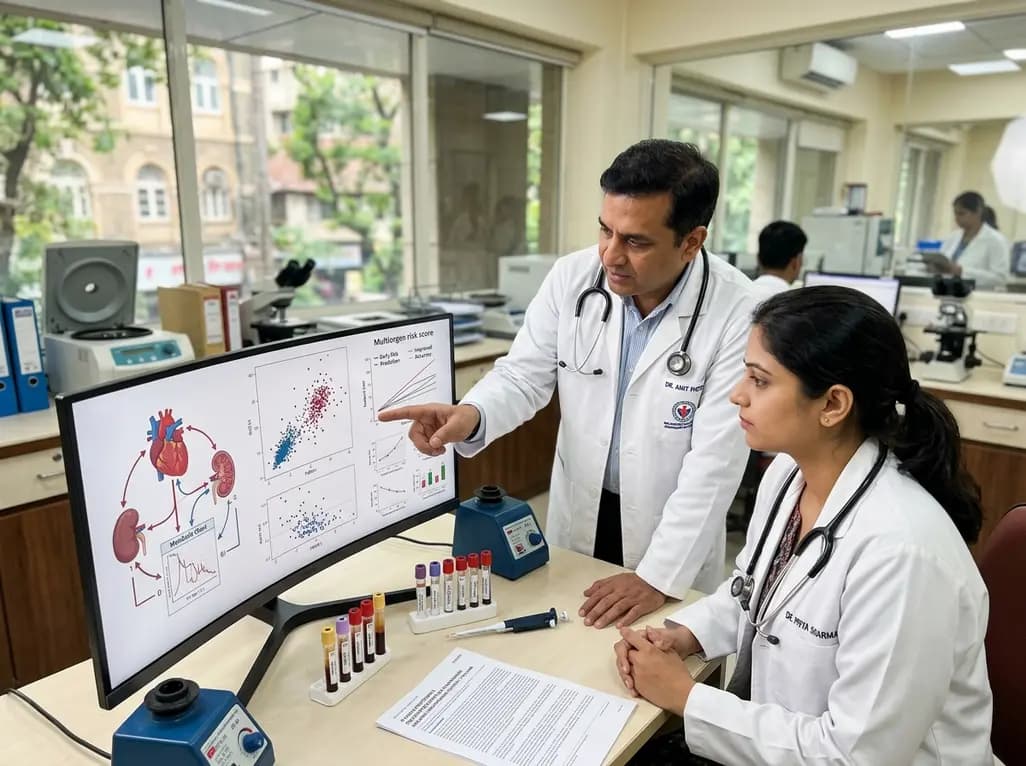
A large UK Biobank study reveals that plasma proteomic signatures capture preclinical organ damage and improve multiorgan risk prediction across early CKM syndrome stages 0 to 2 beyond traditional PREVENT clinical models.
Today
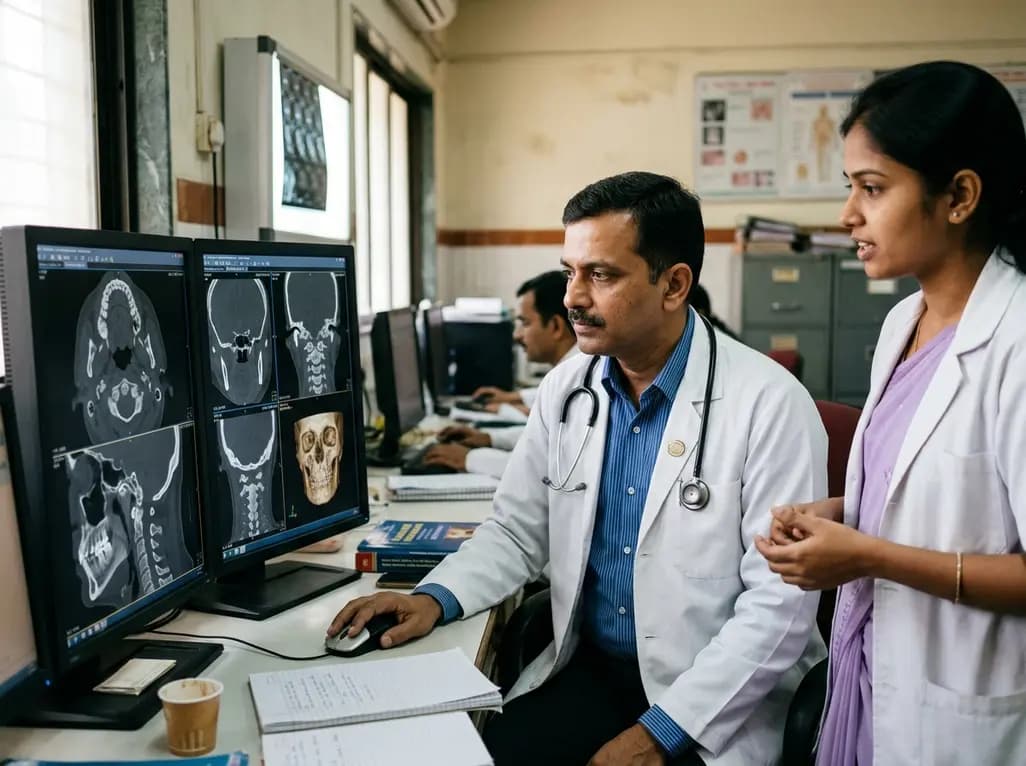
A retrospective CBCT study reveals that superior TMJ space asymmetry correlates moderately with occipital condyle-atlas-axis asymmetry in unilateral TMJ osteoarthritis, highlighting an imaging correlate between jaw biomechanics and upper cervical alignment rather than a standalone diagnostic marker.
Today
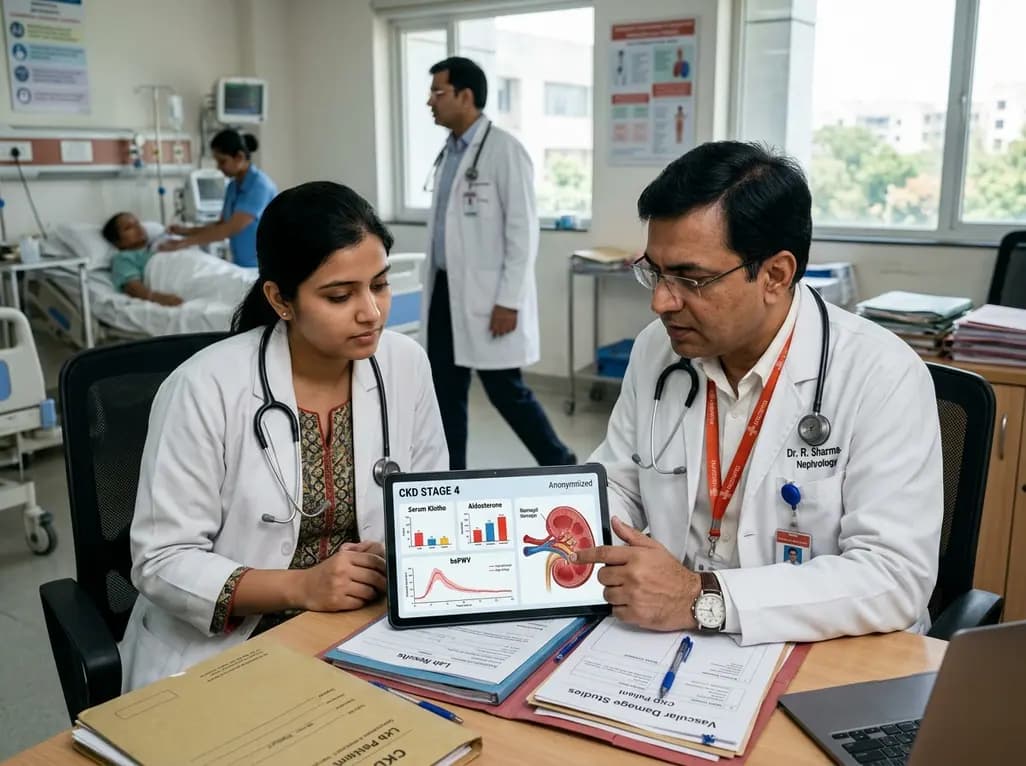
A cross-sectional investigation highlights the complex pathophysiological links between serum Klotho deficiency, secondary hyperaldosteronism, and vascular damage in CKD. Discover key insights into non-invasive vascular stiffness markers and targeted therapeutic pathways for cardiorenal protection.
Today
