.webp&w=384&q=75)

Loading, please wait...
Loading, please wait...

Extracorporeal membrane oxygenation represents one of the most advanced modalities in modern intensive care. Clinicians use this advanced technology to support patients experiencing catastrophic cardiac or respiratory failure. However, high clinical complexity and substantial mortality rates characterize these cases. Integrating specialized palliative care in ECMO pathways provides essential support for both patients and their families. Historically, medical teams reserved palliative consultations solely for imminent end-of-life scenarios. Today, evolving critical care paradigms demonstrate that proactive palliative integration delivers profound value regardless of the ultimate prognosis. Early palliative involvement establishes structured communication frameworks from the moment of cannulation.
Furthermore, palliative medicine specialists assist primary teams in navigating difficult clinical trajectories. They evaluate baseline values, establish surrogate decision-makers, and outline nuanced goals of care before catastrophic complications arise. Consequently, clinicians can align aggressive rescue therapies with authentic patient values. Rather than signaling therapeutic surrender, early palliative involvement acts as an additional layer of comprehensive clinical support. This collaborative paradigm ensures that intensive technological interventions remain tightly tethered to compassionate, individualized patient advocacy.
Currently, standardized national guidelines for palliative consultations during mechanical circulatory support remain limited. When intensivists rely solely on discretionary referrals, consultations often occur late in the clinical trajectory. Consequently, teams frequently encounter crisis-driven decision-making when weaning fails or irreversible neurological injury occurs. Recent observational studies evaluate the impact of embedding default palliative consults directly into electronic admission order sets. Under this opt-out framework, patients receive comprehensive palliative evaluations automatically upon cannulation.
Moreover, evidence confirms that protocolized order sets significantly improve consultation rates compared to ad-hoc physician referrals. Automatic triggers remove the psychological hesitation associated with requesting palliative support in salvage scenarios. Additionally, early integration allows palliative specialists to build longitudinal rapport with families before clinical crises emerge. This structural shift transforms palliative care from a reactive end-stage intervention into a proactive quality-improvement measure. By normalizing early specialty support, intensive care units optimize surrogate communication and reduce decision-making conflict among multidisciplinary providers.
One of the most immediate benefits of early consultation is the prompt establishment of legal surrogate representation. Adult patients supported on extracorporeal circuits frequently experience severe encephalopathy, deep sedation, or neuromuscular blockade. Consequently, these critically ill individuals cannot articulate their own medical preferences. Protocolized palliative involvement ensures that teams formally identify a designated medical power of attorney shortly after cannulation.
Furthermore, palliative consultants conduct structured family meetings to explore prior advance directives and personal values. They explore what the patient considered an acceptable quality of life before their acute decompensation. Therefore, when clinical crossroads occur—such as transitioning to long-term ventricular assist devices, proceeding with lung transplantation, or de-escalating non-beneficial therapy—surrogates feel prepared to make informed choices. This anticipatory guidance markedly mitigates surrogate guilt, anxiety, and post-traumatic stress. Transparent communication ensures that every invasive procedural step directly honors the patient's explicit philosophy of living.
Patients receiving extracorporeal life support endure substantial physical, psychological, and existential distress. Although heavy sedation often masks acute discomfort during the initial cannulation phase, awake ECMO strategies are increasingly common. In these conscious patients, severe air hunger, circuit-related discomfort, immobility, and profound delirium frequently emerge. Palliative care teams possess specialized expertise in titrating complex pharmacological regimens to alleviate refractory pain and dyspnea.
Additionally, palliative specialists address non-physical dimensions of suffering that intensive care staff may lack time to manage. They deliver targeted psychological support, coordinate pastoral care, and assist bedside nurses in interpreting subtle signs of distress. Furthermore, palliative clinicians provide crucial emotional debriefing for relatives who endure the daily trauma of seeing a loved one on mechanical support. This holistic attention to comfort ensures optimal pain relief while preserving cognitive lucidity whenever clinical conditions permit.
Extracorporeal therapies carry an inherent risk of creating a clinical dilemma known as a bridge to nowhere. In these tragic circumstances, the patient's native cardiopulmonary function fails to recover, yet the individual remains ineligible for organ transplantation or durable mechanical devices. Under such conditions, mechanical support merely prolongs biological life while precluding natural death. These complex situations generate profound ethical distress among healthcare providers and family members alike.
Fortunately, early palliative integration establishes proactive milestones and objective criteria for evaluating therapeutic responsiveness. When progressive multi-organ failure renders continued support medically non-beneficial, palliative teams guide compassionate decannulation protocols. They ensure adequate analgesia, prevent terminal agitation, and structure a dignified transition toward comfort-focused care. Consequently, clinicians avoid prolonged, non-beneficial invasive interventions while supporting families through a peaceful, well-orchestrated bedside farewell.
Integrating palliative medicine into critical care workflows requires interprofessional collaboration and cultural alignment. Critical care leaders must establish clear institutional policies that embed palliative evaluations into initial order sets. Furthermore, continuous educational initiatives help dispel lingering misconceptions that palliative medicine conflicts with aggressive restorative care. Multidisciplinary daily rounds should routinely incorporate palliative specialists alongside intensivists, perfusionists, and critical care nurses.
Ultimately, institutional data demonstrate that early consultation shortens unnecessary intensive care length of stay without adversely affecting survival. By bridging communication gaps and clarifying clinical trajectories, routine palliative consultations optimize high-stakes resource allocation. As technological capabilities continue to expand, healthcare systems must prioritize humanistic care alongside hemodynamic stabilization. Adopting routine palliative protocols ensures that every advanced life support intervention remains humane, ethically grounded, and patient-centered.
Routine palliative consultation does not reduce survival rates or compromise active life-prolonging interventions. Instead, proactive palliative involvement works synergistically with curative intensive therapies. Studies demonstrate that early consultation clarifies therapeutic trajectories, prevents non-beneficial invasive procedures, and improves the overall quality of intensive care delivery. Consequently, patients receive optimal medical management while families gain essential emotional and logistical support throughout the critical illness trajectory.
The optimal time to initiate palliative consultation is immediately upon cannulation or within the first twenty-four to forty-eight hours of support initiation. Early involvement establishes legal surrogate representation, documents patient values, and provides baseline psychological support before acute clinical deteriorations occur. Delayed consultations often lead to crisis-driven communication, heightened surrogate distress, and substantial ethical conflict during critical transitions of care.
Palliative care provides specialized, concurrent support focused on symptom management, communication, and quality of life alongside aggressive, curative interventions. Conversely, hospice care applies specifically to terminal prognoses where life-prolonging disease-directed treatments have ceased. In extracorporeal support, palliative clinicians assist actively treated, transplant-eligible, and recovering patients, demonstrating that palliative medicine is designed to support living well throughout serious illness rather than solely assisting the dying.
Disclaimer: This content is for informational and educational purposes only and does not constitute medical advice, diagnosis, or treatment. Healthcare professionals must exercise clinical judgment and verify details independently. Refer to the latest local and national guidelines for clinical practice.
References

Read summarized clinical updates, watch expert medical content, and earn CME certifications right from your smartphone.
Open your smartphone camera to scan and install.





A recent study highlights the critical benefits of routine palliative medicine consultations in adult ECMO care, demonstrating improved surrogate designation, clearer goals of care, and superior multidisciplinary communication for critically ill patients facing complex cardiopulmonary failure.
last month

With post-monsoon dengue surges threatening South Asian health systems, physicians must refine triage and management. This guide covers vital warning signs, plasma leakage detection, crystalloid titration, and vector containment strategies to prevent mortality during seasonal arboviral epidemics.
Today

Findings from Project Viva indicate that sustained postpartum weight retention, rather than excessive gestational weight gain alone, directly worsens women's mid-life cardiovascular health, degrading blood pressure and glycemic parameters decades after delivery.
Today
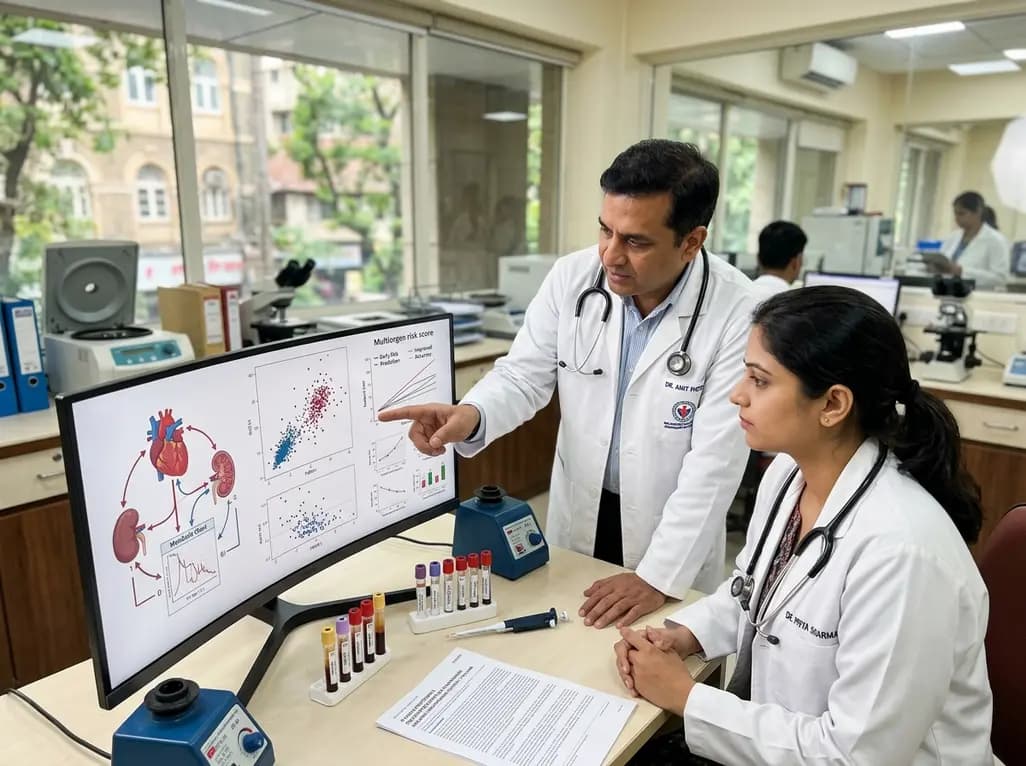
A large UK Biobank study reveals that plasma proteomic signatures capture preclinical organ damage and improve multiorgan risk prediction across early CKM syndrome stages 0 to 2 beyond traditional PREVENT clinical models.
Today
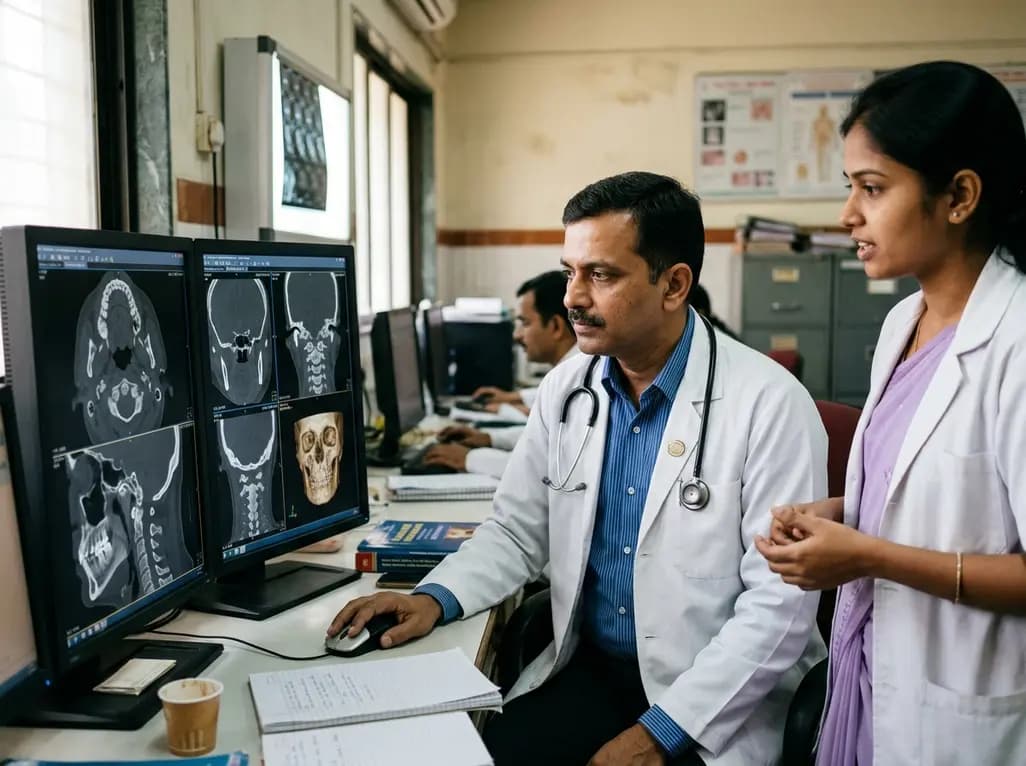
A retrospective CBCT study reveals that superior TMJ space asymmetry correlates moderately with occipital condyle-atlas-axis asymmetry in unilateral TMJ osteoarthritis, highlighting an imaging correlate between jaw biomechanics and upper cervical alignment rather than a standalone diagnostic marker.
Today

A Bayesian multilevel meta-analysis reveals that aerobic training combined with moderate carbohydrate restriction modestly lowers HbA1c in type 2 diabetes. However, sparse data and very low certainty leave incremental benefits over exercise or diet alone unproven, highlighting the need for individualized care.
Today
