.webp&w=384&q=75)

Loading, please wait...
Loading, please wait...

The medical device sector in India is experiencing transformative institutional investment. Recently, leading healthcare consumable manufacturer Romsons Group announced a landmark equity agreement with Singapore-based global investment firm Temasek. This milestone Romsons Temasek partnership represents a substantial private equity injection into one of India’s most established indigenous device brands. For over seven decades, Romsons has provided essential disposable devices across hospitals, intensive care units, and surgical suites. Consequently, this high-profile capital collaboration signals growing confidence in India’s MedTech manufacturing capacity. Furthermore, the strategic union highlights the evolving maturity of domestic consumable ecosystems. Healthcare professionals across disciplines rely heavily on reliable, high-volume consumables to deliver safe patient care. Therefore, substantial capital backing of this magnitude carries profound implications for clinical availability, device quality standards, and overall hospital procurement resilience.
Under the terms of this long-term agreement, Temasek enters Romsons as a key strategic minority partner. Although the official release kept financial terms private, market estimates value the transaction significantly. Furthermore, the partnership extends far beyond passive capital provision. Specifically, the leadership team emphasizes sustainable, long-term enterprise value creation over short-term financial returns. Romsons aims to leverage Temasek’s extensive global investment portfolio, operational experience, and international networks. In addition, company leadership confirmed plans to deepen its footprint in both mature domestic channels and emerging global territories. Managing Director Kishore Narain Khanna highlighted that the association marks a pivotal moment in the company’s 70-year operational history. Decades of steady domestic expansion have laid a dependable operational foundation across Indian healthcare facilities. However, scaling to compete against international device conglomerates demands advanced manufacturing automation and research capabilities. Therefore, partnering with a globally recognized institutional investor accelerates this technological transformation. Moreover, modernizing production facilities ensures compliance with stringent international regulatory frameworks. Consequently, Indian clinicians can anticipate a broader array of sophisticated disposables designed to optimize procedural efficiency. Ultimately, this strategic capital injection positions the manufacturer to transition from a dominant domestic supplier into an internationally competitive healthcare force.
Clinical environments across India require unbroken access to dependable, single-use medical consumables. Daily hospital operations depend directly on catheters, intravenous sets, respiratory tubes, and wound drainage systems. Furthermore, global supply chain disruptions have repeatedly illustrated the dangers of relying heavily on imported consumables. When supply chains fracture, hospital operating rooms and intensive care units experience acute shortages that compromise patient outcomes. Therefore, building robust domestic manufacturing capabilities serves as a vital safeguard for national healthcare security. Through this capital deployment, Romsons plans to expand its specialized manufacturing infrastructure across its primary production hubs. Additionally, the investment will support rapid warehousing expansion and modernized logistics pipelines across secondary and tertiary medical hubs. As a result, healthcare centers outside major metropolitan cities will enjoy more reliable inventory access. Consequently, procurement officers can maintain lean inventories without risking sudden stockouts of critical consumable items. In addition, domestic manufacturing shields Indian healthcare institutions from volatile foreign currency fluctuations that drive up procurement expenses. Furthermore, predictable local delivery timelines allow hospital administrators to forecast procedural operating budgets with greater precision and confidence. Ultimately, a fortified domestic supply network ensures that frontline healthcare workers possess the necessary procedural supplies whenever clinical emergencies arise.
Device safety and strict sterility directly impact patient morbidity and procedural success. For example, substandard infusion cannulas or defective drainage catheters can cause severe bloodstream infections and tissue trauma. In recent years, Indian regulatory authorities have tightened requirements under the Medical Device Rules to enforce global safety standards. Romsons intends to channel incoming capital toward advanced manufacturing technologies, materials research, and automated inspection systems. Consequently, higher automated precision reduces microscopic defects, material degradation, and batch-to-batch variation in mass-produced disposables. Moreover, investing in cleanroom automation minimizes endotoxin exposure risks during device fabrication. Surgeons and critical care specialists consistently demand high tactile ergonomics, flexible polymer designs, and smooth atraumatic catheter tips. Therefore, dedicating greater financial resources toward engineering superior biocompatible plastics enhances procedural comfort and reduces patient complications. In addition, modern manufacturing lines facilitate comprehensive digital batch tracking and post-market surveillance data collection. Thus, clinicians gain greater assurance regarding device safety across routine surgical, urological, and pediatric procedures. Furthermore, superior device craftsmanship enables clinical teams to perform complex interventions with heightened tactile control and reduced complication rates during prolonged operations. Ultimately, raising the manufacturing quality bar locally protects patient health while reducing hospital-acquired infection rates.
Historically, Indian hospitals have relied upon expensive imported technologies for specialized clinical procedures. While domestic manufacturers mastered basic disposables, multinational corporations retained dominance over proprietary, technologically advanced medical hardware. However, this strategic transaction equips Romsons with financial muscle to accelerate domestic research and development. Furthermore, the company explicitly outlined plans to evaluate strategic mergers, technology acquisitions, and joint ventures both in India and overseas. Such expansions will enable the enterprise to incorporate cutting-edge medical polymer technology and specialized catheter designs into its domestic pipeline. In addition, local manufacturing of specialized devices significantly lowers per-procedure healthcare costs for patients and healthcare systems alike. Clinicians actively welcome cost-effective, high-grade alternatives to expensive Western imports in fields such as airway management and interventional urology. Consequently, competitive domestic innovation expands patient access to advanced therapies without straining hospital operating margins. Moreover, Indian healthcare facilities gain access to products tailored directly to regional anatomical and demographic nuances. Therefore, fostering indigenous innovation establishes a sustainable platform for self-reliance and technological autonomy in healthcare delivery. Ultimately, strengthening home-grown medical engineering elevates India’s standing as an emerging exporter of world-class medical technologies to international healthcare systems.
Beyond immediate manufacturing upgrades, the transaction signals a fundamental evolution in corporate governance standards. Partnering with a premier global institution like Temasek introduces disciplined capital allocation, rigorous risk oversight, and international institutional practices. Furthermore, Romsons has formally indicated its intent to evaluate public market listings at an appropriate juncture. Transitioning toward a publicly listed entity demands comprehensive operational transparency, stringent regulatory adherence, and continuous investor reporting. For healthcare providers, dealing with a corporatized and publicly traded device manufacturer yields multiple distinct operational benefits. Specifically, transparent corporate structures provide heightened predictability in product lifecycles, regulatory disclosures, and recall management protocols. Additionally, strong corporate governance protects long-term supply stability by preventing operational mismanagement and erratic pricing policies. As the Indian medical device sector continues its rapid expansion, institutionalized governance models will become industry benchmarks. Therefore, this partnership establishes a credible blueprint for other domestic device makers seeking private capital. Furthermore, institutional maturity ensures that clinical procurement teams can forge sustainable, multi-year supply partnerships with absolute confidence in commercial stability. In conclusion, the collaboration marks a major step toward building resilient, transparent, and globally respected healthcare manufacturing enterprises in India.
Q1: What does the Romsons Temasek transaction mean for Indian healthcare facilities?
The strategic partnership provides Romsons with institutional backing and capital resources to scale manufacturing capabilities, upgrade technology, and modernize domestic supply networks. Consequently, hospitals and clinics across India can anticipate enhanced availability of single-use medical consumables, reduced stockout risks, improved pricing stability, and timely access to domestically produced medical devices that meet international quality and safety benchmarks.
Q2: How does domestic investment in medical device manufacturing impact patient care outcomes?
Domestic capital investments enable medical device makers to implement automated cleanroom manufacturing, superior polymer engineering, and rigorous automated inspection systems. As a result, critical clinical disposables such as intravenous catheters, drainage tubes, and airway devices exhibit higher structural integrity, smoother atraumatic finishes, and minimized contamination risks. Ultimately, these device improvements reduce catheter-related bloodstream infections, prevent mechanical procedural failures, and elevate overall patient safety during hospital stays.
Q3: Will the Romsons Temasek partnership alter the pricing of clinical disposables in India?
While transaction details remain confidential, scaling domestic manufacturing and optimizing supply chains generally protects healthcare providers from foreign currency volatility and high import tariffs. Furthermore, domestic production efficiencies help stabilize pricing structures across high-volume medical disposables over the long term. Therefore, hospitals can optimize procedural budgets while expanding patient access to dependable, cost-effective clinical consumables without compromising on international manufacturing standards.
Disclaimer: This content is for informational and educational purposes only. It does not constitute medical advice or replace professional judgment. Refer to the latest local and national guidelines for clinical practice.
References

Read summarized clinical updates, watch expert medical content, and earn CME certifications right from your smartphone.
Open your smartphone camera to scan and install.





Romsons Group has finalized a strategic private equity agreement with global investment firm Temasek. The capital injection targets medical device innovation, supply chain resilience, and global expansion, offering Indian healthcare providers greater access to high-quality disposable surgical and medical devices.
Today
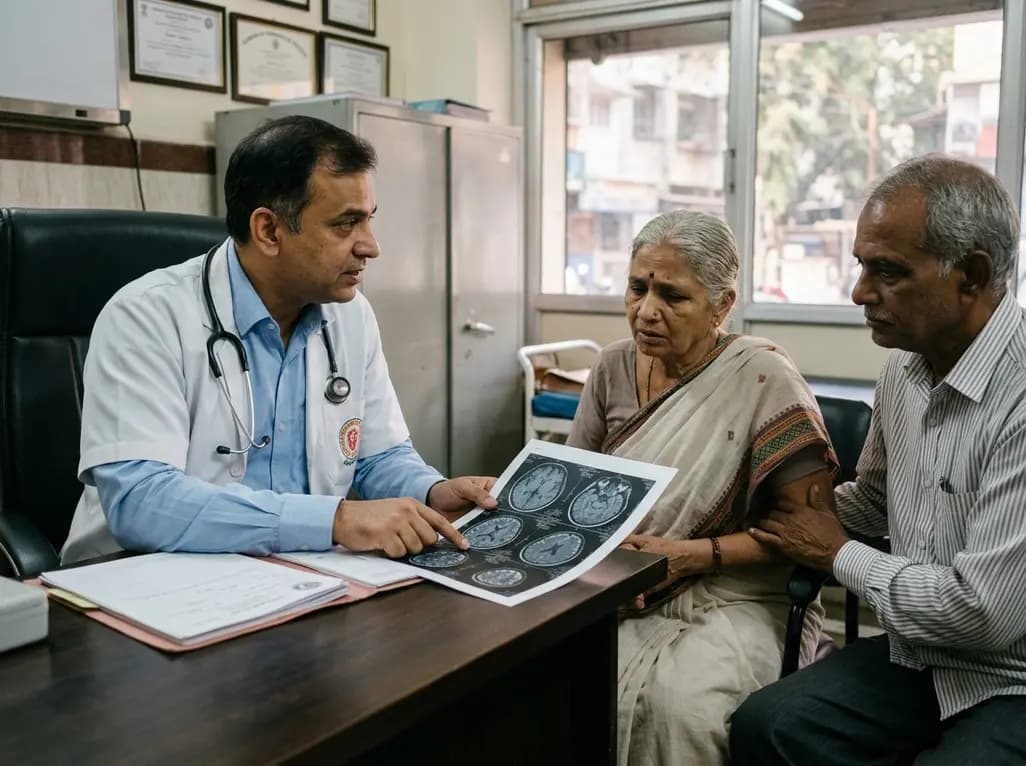
With dementia cases in India projected to double, clinicians must recognize neurodegenerative decline before irreversible neuron loss occurs. This review explores differential diagnostic strategies for memory loss, the growing disease burden, and the targeted application of newly approved anti-amyloid therapies.
Today

A school-based intervention using the Health Action Process Approach (HAPA) significantly enhanced adolescents' perceived benefits of consulting healthcare providers and promoted proactive menstrual health behaviors, offering key clinical insights for managing adolescent dysmenorrhea and endometriosis.
Today
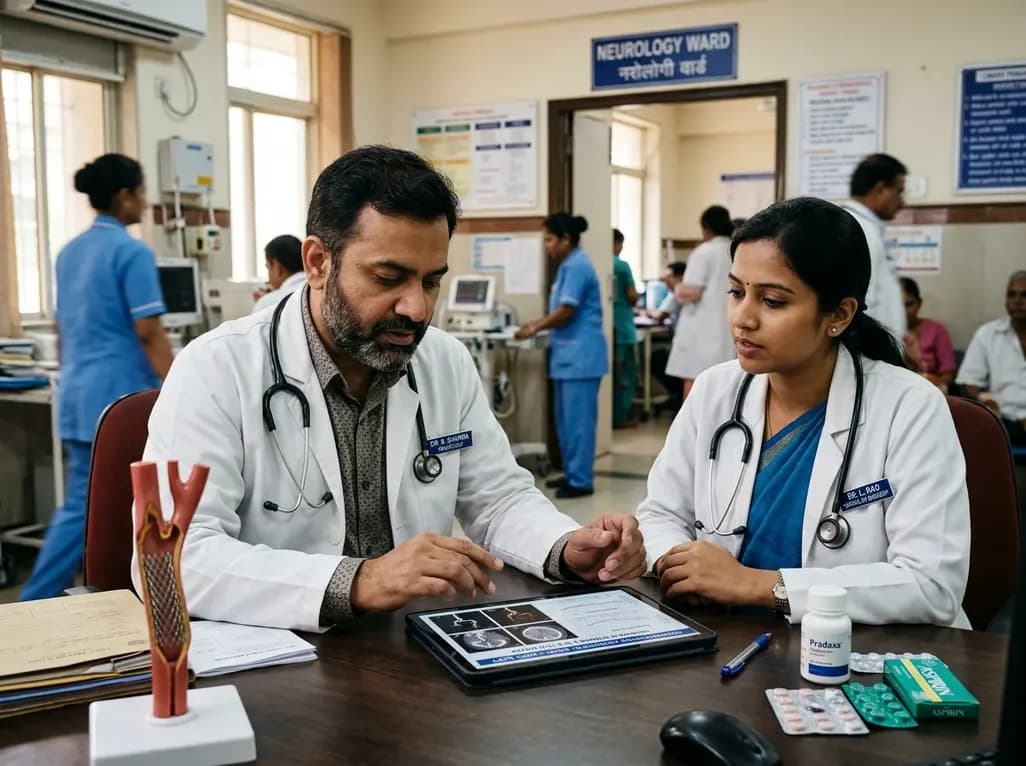
A multicenter propensity-matched study evaluated DOAC plus single versus dual antiplatelet therapy after carotid artery stenting. Findings revealed comparable intracranial hemorrhage and ischemic stroke rates, supporting DOAC plus SAPT as a viable antithrombotic strategy in high-risk patients.
Today
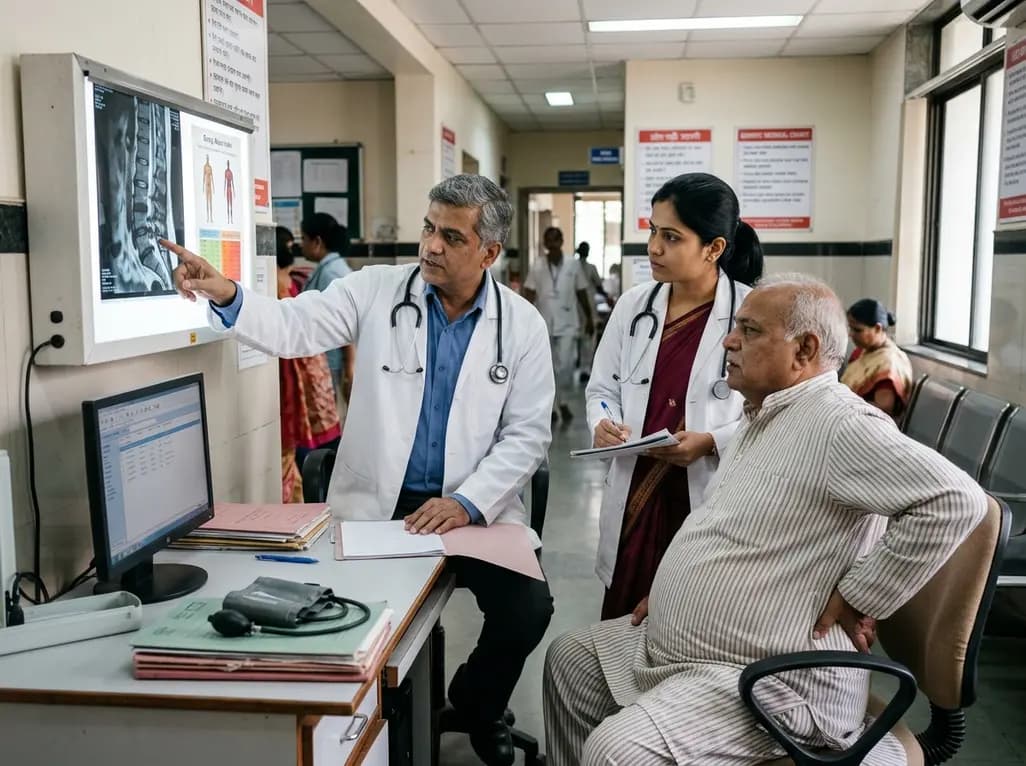
A cross-sectional study reveals that sarcopenic obesity independently increases functional impairment and severe disc degeneration in patients with degenerative lumbar spinal stenosis, highlighting the need for body composition assessment.
Today
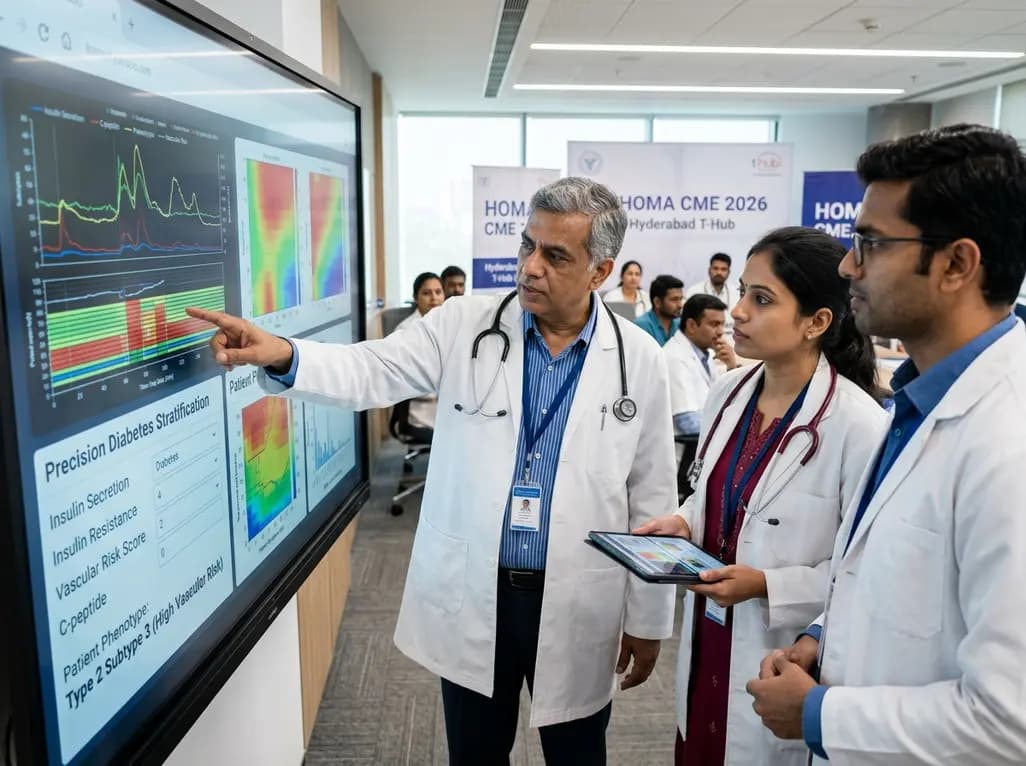
At Homa CME 2026 at Hyderabad's T-Hub, healthcare leaders emphasized moving beyond routine metrics through digital calculators and precision stratification. Discover why characterizing individual insulin secretion, resistance patterns, and vascular risks transforms chronic metabolic care in India.
Yesterday
