

Loading, please wait...
Loading, please wait...
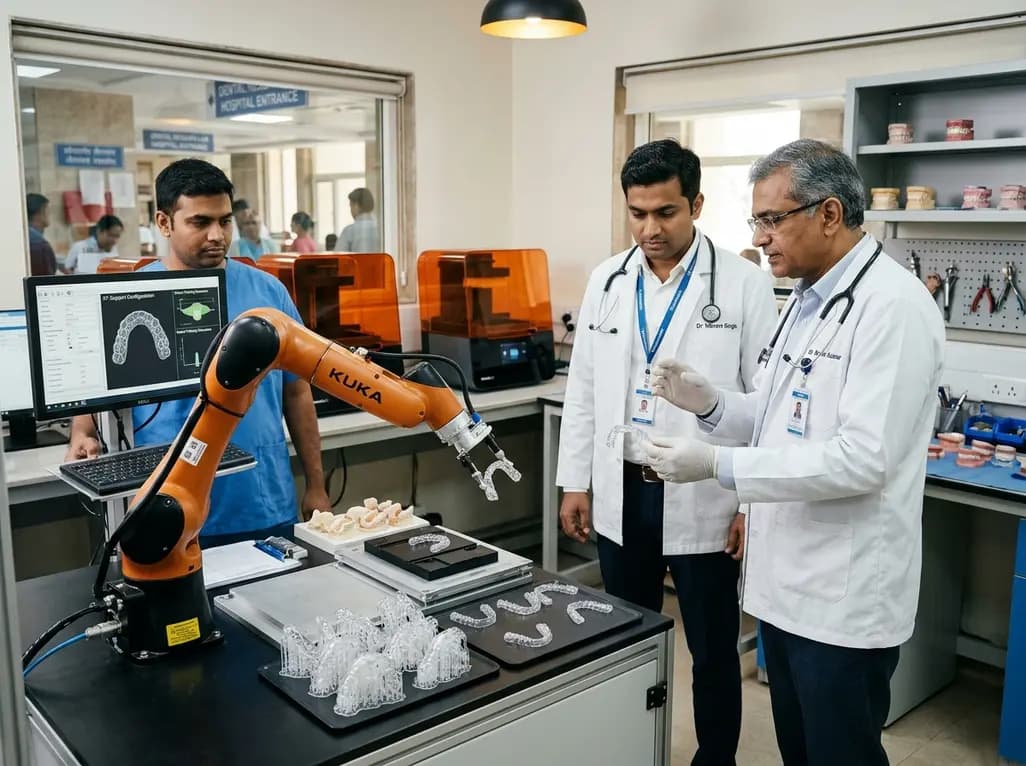
Digital orthodontics is advancing rapidly as direct-printed aligners emerge as a formidable alternative to conventional thermoformed appliances. Traditional aligner manufacturing demands multiple labor-intensive steps, including physical model fabrication and manual sheet trimming. Consequently, these analog steps introduce cumulative geometric errors and substantial material waste. In contrast, direct three-dimensional printing manufactures aligners straight from approved digital software plans. However, clinical implementation requires highly repeatable workflows, consistent resin polymerization, and reliable post-processing. A breakthrough investigation now clarifies how specific 3D printing parameters directly affect post-processing yields when utilizing shape-memory photopolymers.
Clear aligner therapy has transformed orthodontic treatment over the past two decades. Nevertheless, conventional thermoformed plastic appliances suffer from significant mechanical shortcomings. During thermoforming, polymeric sheets stretch unevenly over dental stone or 3D-printed resin models. As a result, the finished aligners display marked thickness variations, unpredictable edge integrity, and diminished force retention. Direct printing overcomes these intrinsic limitations by depositing biocompatible resin layer by layer. Furthermore, clinicians can program differential wall thicknesses across individual teeth, which optimizes localized biomechanical moments. Clinicians can also fabricate integrated attachments and customized bite ramps without laboratory delays. In addition, shape-memory resins allow appliances to recover their programmed form under intraoral body temperature. Therefore, direct printing offers superior biomechanical predictability compared to conventional techniques. However, scaling direct printing requires industrial automation. Manual washing, curing, and support removal create significant bottlenecks in high-volume dental laboratories. Automated robotic solutions now handle these delicate post-processing tasks, ensuring that practitioners achieve reliable, reproducible outcomes.
Achieving clinical precision requires rigorous optimization of initial printing parameters. Specifically, researchers recently investigated how build angles and support geometries influence automated manufacturing yields. In an extensive trial, investigators fabricated 972 direct-printed aligners from nine distinct maxillary digital dental models. They systematically varied the printing angle across three inclinations: 45 degrees, 55 degrees, and 65 degrees. Furthermore, they tested three discrete support configurations: 57, 82, and 95 support points. They replicated each unique model-parameter combination twelve times to ensure statistical power. After printing, the shape-memory appliances entered a standardized four-stage robotic post-processing workflow. Importantly, only three of the 972 aligners failed during the initial printing process. This remarkably low printing failure rate demonstrates the high baseline reliability of modern additive stereolithography. However, post-processing presented greater mechanical challenges. A generalized linear mixed-effects model subsequently evaluated conditional success across each sequential stage. Ultimately, the study provided vital empirical benchmarks regarding how initial software presets govern subsequent physical handling.
Post-processing transforms green-state printed resin into fully biocompatible, mechanically robust orthodontic appliances. In this automated workflow, a robotic platform guided each aligner through four distinct mechanical phases. Specifically, these stages encompassed preliminary platform removal, automated solvent washing, secondary light curing, and precise support detachment. Out of 969 aligners that entered the robotic line, 812 completed all four sequential stages successfully. Consequently, the cumulative robotic workflow achieved an impressive overall success rate of 83.8 percent. Statistical analyses revealed that success probabilities varied significantly across the sequential post-processing phases. In particular, the physical detachment of dense support structures presented the highest risk of structural fracture or robotic arm disengagement. Additionally, improper resin drainage during washing occasionally compromised subsequent optical curing. Therefore, each processing station requires customized robotic parameters tailored to appliance geometry. By automating these delicate repetitive movements, dental laboratories can minimize human error and significantly improve manufacturing throughput.
The investigation yielded critical insights regarding how hardware configuration governs robotic handling. Notably, the support configuration significantly influenced the overall conditional odds of workflow success. Appliances fabricated with 57 supports demonstrated substantially higher odds of completion than those utilizing 95 supports. Dense support arrays create excessive mechanical resistance during robotic stripping. As a result, dense supports increase aligner distortion and cause automated gripper failure. Conversely, minimal support scaffolding reduces surface tearing and speeds post-processing. Interestingly, the build angle did not produce a statistically significant effect on workflow success within the tested range. Aligners printed at 45 degrees, 55 degrees, and 65 degrees performed similarly throughout post-processing. Furthermore, arch-length discrepancy, analyzed as an exploratory variable, showed no significant correlation with robotic failure. Consequently, clinicians and dental technicians can prioritize lighter support structures without worrying about moderate dental crowding. This practical optimization streamlines manufacturing while safeguarding appliance integrity.
These technological findings hold immediate practical significance for orthodontists and dental laboratories across India and globally. Direct printing eliminates intermediate plaster models, drastically reducing clinical turnaround times. Consequently, practices can deliver customized appliances to patients within hours of an intraoral scan. In addition, shape-memory polymers deliver gentle, continuous physiological forces that enhance patient comfort and minimize root resorption. However, successful chairside printing requires rigorous standardization of pre-printing digital software settings. Clinicians must select optimized support counts to prevent post-processing breakage. Excessive supports waste expensive biocompatible photopolymer and increase finishing labor. Moreover, automated robotic workflows provide the exact repeatability necessary to scale aligner therapy in busy practices. As digital orthodontics continues its rapid evolution, integrating automated finishing with direct printing will lower production costs. Ultimately, these technological innovations allow clinicians to deliver highly personalized orthodontic care with unprecedented precision and clinical efficiency.
Direct-printed aligners are manufactured additively layer by layer directly from digital CAD software designs using light-cured shape-memory resins. In contrast, conventional aligners require printing dental stone models followed by manual thermoforming of clear plastic sheets. Consequently, direct printing eliminates intermediate steps, reduces plastic waste, and prevents thinning over dental crowns. Furthermore, direct printing allows orthodontists to program variable wall thicknesses, producing superior force distribution and more predictable physiological tooth movement during active clinical therapy.
Robotic post-processing automates essential sequential steps, including platform detachment, centrifugal resin washing, UV post-curing, and mechanical support removal. Direct-printed aligners remain delicate and pliable in their green state before final curing. Therefore, manual handling frequently introduces surface damage, warpage, or variable curing depth across aligner surfaces. Automated robotic systems provide consistent mechanical grip, exact solvent immersion timing, and standardized light exposure. Consequently, robotics drastically improves manufacturing yield, eliminates technician variability, and ensures optimal biocompatibility for clinical intraoral use.
Support density configurations directly influence mechanical stability during additive printing and subsequent automated detachment. Recent empirical research indicates that aligners printed with lower support counts, such as 57 supports, achieve significantly higher post-processing success than denser arrays of 95 supports. Denser support networks create excessive physical resistance during robotic removal, increasing the risk of structural fractures and appliance distortion. Therefore, selecting an optimized, lighter support configuration preserves appliance margins while streamlining finishing workflows in automated dental manufacturing.
Disclaimer: This content is for informational and educational purposes only... Refer to the latest local and national guidelines for clinical practice.
References
Zhang H et al. Robot-assisted post-processing for direct-printed aligners: Effects of printing parameters on workflow success. Korean J Orthod. 2026 Nov 25. doi: 10.4041/kjod26.140. PMID: 43080203.
Kim YJ, Miranda G, Kim KB. Direct-printed aligners in orthodontics: Integrating digital design, materials science, and clinical biomechanics. Korean J Orthod. 2026;56(4):257-276.
Mattle M, Zinelis S, Polychronis G, Makou O, Panayi N, Papageorgiou SN, Eliades T. Effect of heat treatment and nitrogen atmosphere during post-curing on mechanical properties of 3D-printed orthodontic aligners. Eur J Orthod. 2024;46(1):cjad074.

Read summarized clinical updates, watch expert medical content, and earn CME certifications right from your smartphone.
Open your smartphone camera to scan and install.





New evidence reveals that support configuration significantly impacts the workflow success of robot-assisted post-processing for direct-printed aligners. A 57-support configuration yielded higher completion rates than denser scaffolding, offering vital benchmarks for automated chairside clear aligner manufacturing.
Today

A case report details incidental nonocclusive superior mesenteric artery thrombosis during recurrent acute pancreatitis. Managed with therapeutic anticoagulation without bowel ischemia, the findings emphasize rapid computed tomography evaluation, watchful monitoring, and a staged etiological workup.
Today
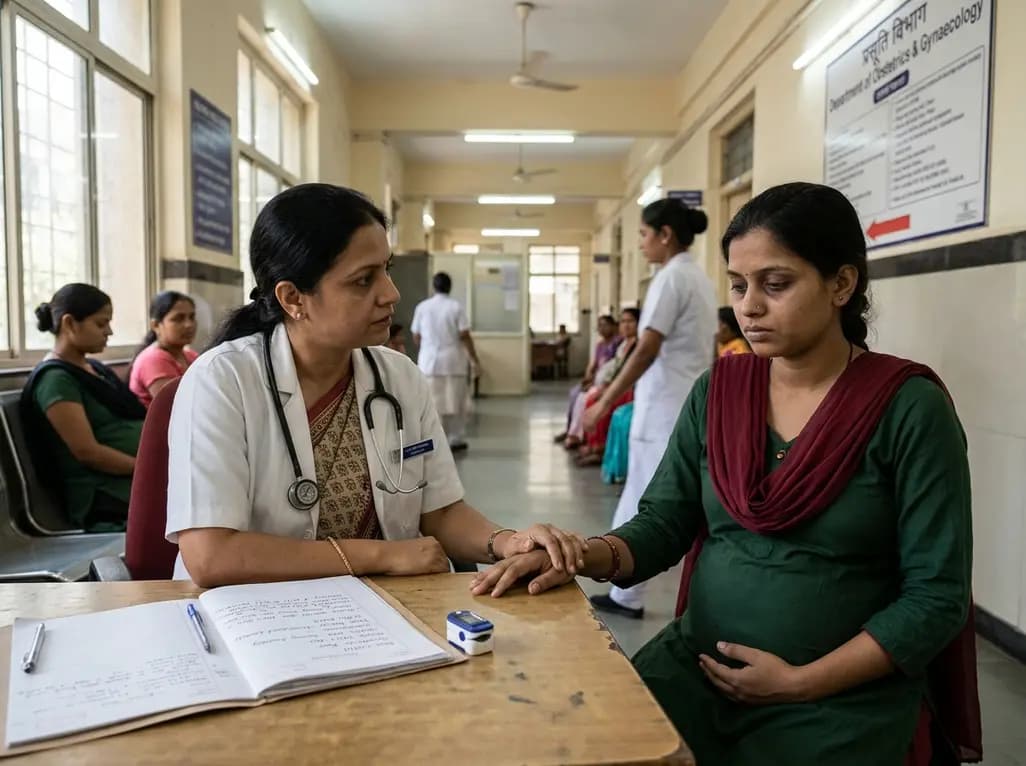
A matched cross-sectional study shows prior COVID-19 infection significantly increases maternal sleep disturbances, shortens sleep duration, and elevates psychological symptoms in pregnant women compared to uninfected peers, underscoring the urgent need for structured antenatal screening and support.
Today
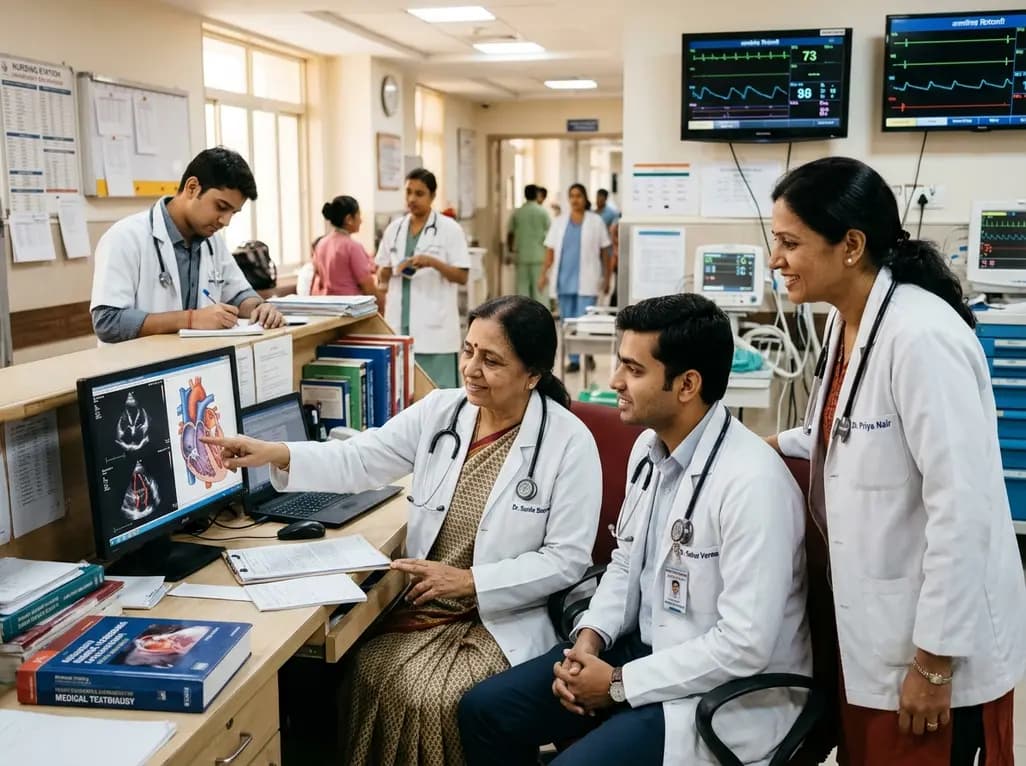
Discover how structured coaching, mentoring, and sponsorship frameworks sustain congenital cardiologists across their careers, enhancing technical competence, well-being, and equity.
Today
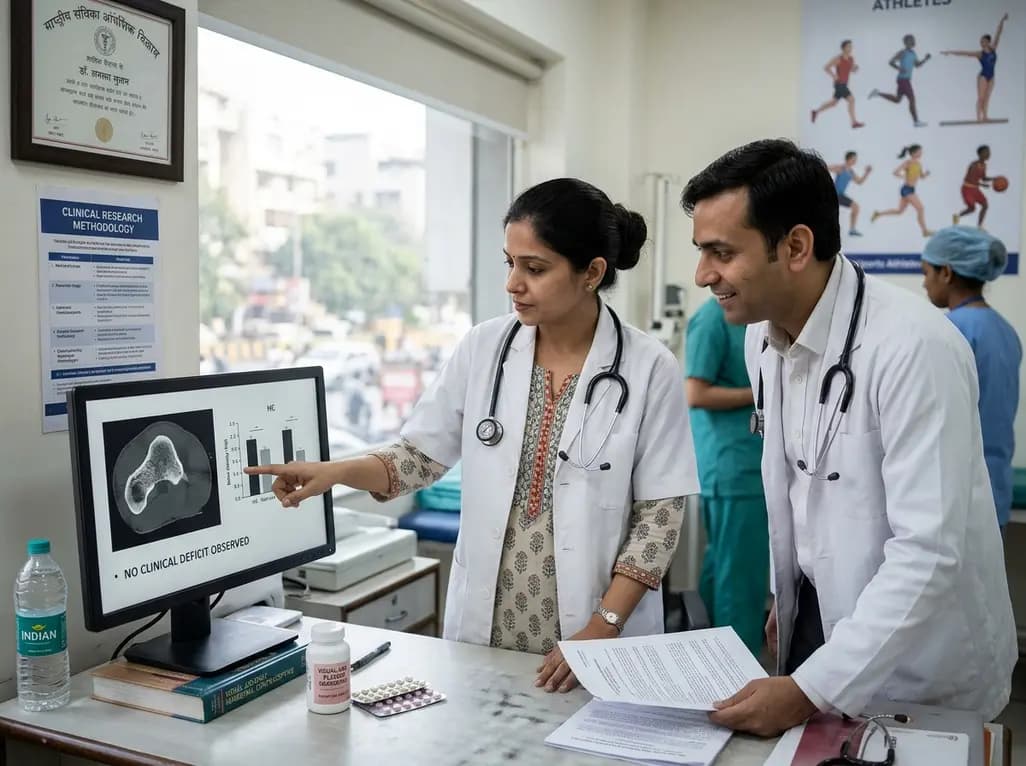
A recent Canadian study evaluates the relationship between hormonal contraceptive use, sport discipline, and volumetric bone density in elite female athletes. Using HR-pQCT, researchers found no clinically meaningful deficits, offering reassuring evidence for sports medicine and gynecology clinicians.
Today
A clinical evaluation in India reveals that pupillary dilation significantly improves image gradeability from 67% to 90% in older adults undergoing AI diabetic retinopathy detection. Pharmacological mydriasis overcomes senile miosis and media opacities, enhancing early diagnostic yield and screening reliability.
Today
