

Loading, please wait...
Loading, please wait...
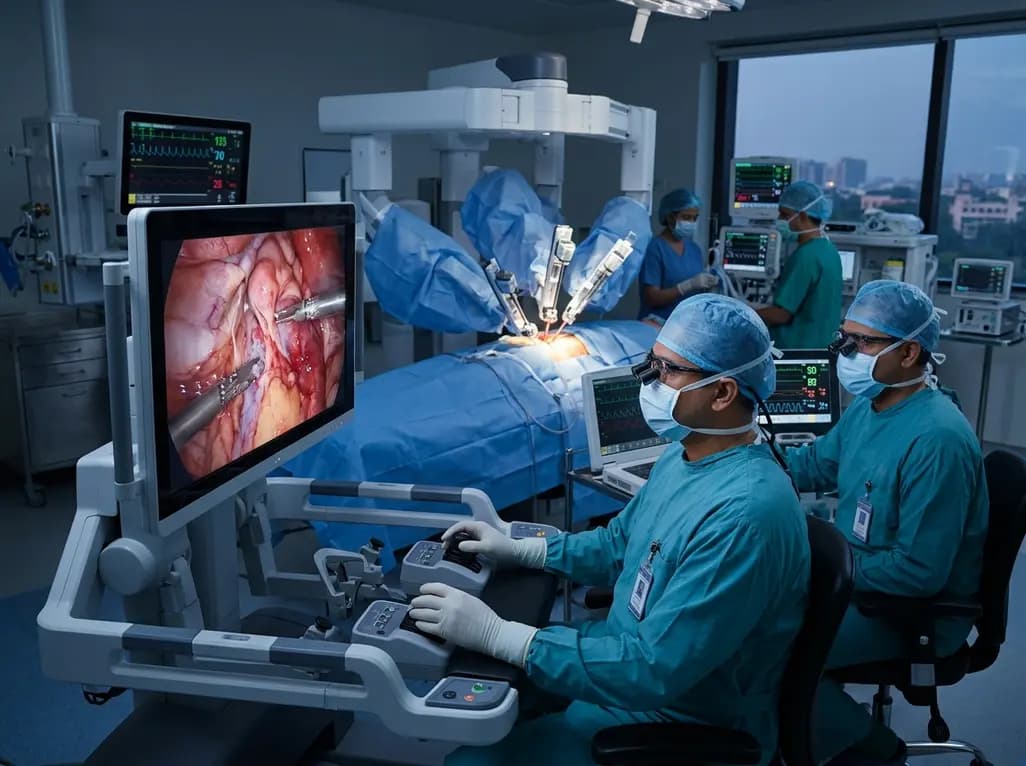
Modern cardiovascular care in India is experiencing a paradigm shift driven by technological innovations. Healthcare institutions increasingly adopt robotic cardiac surgery to treat complex coronary and structural heart conditions. This minimally invasive transition offers notable technical precision while significantly diminishing physical disruption for vulnerable patients. Consequently, clinical teams across major metropolitan centers report marked improvements in surgical delivery and perioperative outcomes.
Delhi-NCR currently stands at the forefront of advanced cardiovascular medicine across the Indian subcontinent. The National Capital Region houses 21 active robotic installations dedicated to cardiothoracic interventions. In 2025 alone, specialized teams completed approximately 1,800 robotic-assisted cardiac procedures in this territory. Furthermore, clinical projections estimate a 40 percent volume increase in 2026 as institutional capacity grows. Bengaluru closely follows Delhi-NCR in total technology deployment, yet the northern region maintains a distinct numerical advantage. This rapid clinical adoption stems from superior tertiary infrastructure and substantial patient density requiring specialized surgical revascularization. Additionally, pioneering surgical teams in Delhi embraced mechanical consoles early, establishing institutional familiarity and refined operating protocols. The Society of Minimally Invasive Cardiovascular and Thoracic Surgeons of India actively highlights this regional progress during international academic forums. Global clinical leaders consistently note that Delhi-NCR provides an operational template for expanding digital surgery across emerging markets. Consequently, local healthcare centers continue to invest heavily in advanced hardware and instrumentation. This concentrated technological footprint ensures that patients receive highly specialized treatment without traveling abroad. As procedural caseloads continue to multiply, regional centers accumulate crucial operative data that reinforces procedural safety and long-term clinical efficacy.
Traditional coronary artery bypass grafting requires a complete median sternotomy to expose the mediastinum. Although conventional sternotomy provides broad anatomical exposure, it inevitably inflicts substantial musculoskeletal trauma. In contrast, robotic-assisted coronary bypass operates entirely through tiny port incisions between the intercostal ribs. Robotic consoles provide surgeons with magnified, high-definition three-dimensional visualization of delicate coronary vessels. Furthermore, wristed robotic instruments articulate beyond the physical range of the human wrist. These technical features eliminate physiological tremors and allow ultra-precise anastomoses in restricted anatomical spaces. Because the breastbone remains intact, patients experience substantially reduced postoperative pain and lower systemic inflammatory responses. Consequently, wound healing occurs rapidly without the debilitating skeletal instability linked to conventional bone division. In addition, patients require fewer blood transfusions because smaller incisions naturally minimize intraoperative blood loss. Clinicians observe lower rates of deep surgical site infections, particularly in high-risk diabetic cohorts. Patients typically achieve independent ambulation within two days and leave the hospital within four to five days. Therefore, individuals resume professional careers and routine daily responsibilities significantly earlier. Overall, this minimally invasive approach preserves thoracic integrity while providing excellent clinical and cosmetic results.
Artificial intelligence now forms an essential pillar of contemporary cardiovascular surgery. Modern cardiac software combines algorithmic machine learning with high-resolution pre-procedural imaging. Specifically, algorithms reconstruct multi-slice computed tomography scans into predictive three-dimensional cardiovascular models. Surgeons use these patient-specific reconstructions to simulate port placement and map internal mammary artery harvest pathways before entering the operating suite. Moreover, intraoperative computer vision helps teams identify calcified coronary segments and optimize targeted arteriotomy sites. This digital integration improves anatomical predictability and avoids unforeseen intraoperative surprises. AI tools also assist operating teams by analyzing hemodynamic variables in real time. Consequently, perfusionists and cardiac anesthesiologists maintain tighter hemodynamic control during single-lung ventilation and cardiac manipulation. Furthermore, machine learning models analyze postoperative recovery parameters to identify impending complications before overt clinical symptoms arise. For instance, predictive monitors detect subtle arrhythmias and fluid shifts during early intensive care unit monitoring. This coordinated synergy between computational intelligence and mechanical dexterity fundamentally elevates patient safety. Thus, artificial intelligence transforms standard surgical workflows into highly tailored, precision-guided interventions. In the coming years, algorithmic tools will assist junior surgeons through augmented reality overlays, further standardizing surgical excellence across centers.
The current geographic and institutional landscape of digital surgery in India reflects notable disparities. Currently, private healthcare networks hold 87 percent of active robotic cardiac surgery installations. These corporate hospital systems possess the capital reserves necessary for purchasing cutting-edge robotic hardware and maintaining specialized service contracts. In contrast, government-run hospitals account for the remaining 13 percent of installed systems. However, public tertiary centers are gradually acquiring robotic consoles to democratize access for underserved populations. Coronary artery bypass grafting represents the largest single procedural indication across all operational units in Delhi-NCR. Surgeons also perform complex mitral valve reconstructions, atrial septal defect closures, and mediastinal tumor resections with robotic guidance. Nevertheless, financial cost remains a primary hurdle to universal adoption across smaller secondary centers. Robotic systems require recurring expenditures on proprietary disposable instruments and specialized surgical drapes. Consequently, health economists and surgical societies advocate for indigenously manufactured robotic systems to lower procedure costs. As domestic medical engineering progresses, device affordability will naturally increase across secondary tier cities. Furthermore, broader insurance inclusion will enable more socioeconomic groups to access advanced minimally invasive procedures. Expanding public healthcare installations will ultimately bridge the private-public divide and democratize modern cardiac surgical care.
India possesses immense clinical talent, expanding healthcare infrastructure, and unmatched surgical volume. Health experts project that India could surpass the United States in annual minimally invasive coronary bypass procedures by 2031. However, realizing this ambitious projection demands formalized training curriculums for young cardiovascular surgeons. Robotic platforms require distinct psychomotor adaptation and hand-eye recalibration because the console lacks direct haptic feedback. Therefore, surgical societies emphasize simulated dry-lab training, virtual reality modules, and structured proctorships. Academic conferences like SMICTSI 2026 play an indispensable role in standardizing robotic education. By collaborating with international bodies such as ATCSA and ISMICS, Indian institutions expose trainees to global best practices. Additionally, experienced mentors guide junior fellows through progressive milestones, moving from internal mammary dissection to complex intracardiac stitching. This structured mentorship ensures patient safety while rapidly flattening the institutional learning curve. Furthermore, establishing dedicated robotic fellowship programs across premier medical colleges will accelerate widespread technological mastery. As more trained surgeons enter practice, procedural efficiencies will improve and operative times will drop. Consequently, India will cement its reputation as a leading international hub for high-volume, cost-effective digital cardiac surgery.
Q1: Why is Delhi-NCR leading India in robotic-assisted cardiac procedures?
Delhi-NCR leads because it possesses advanced tertiary healthcare infrastructure, extensive private hospital investment, and pioneer surgical teams with early console experience. The region currently operates 21 robotic cardiac surgery installations, completing approximately 1,800 procedures in 2025 alone. Furthermore, high patient density and increasing clinical acceptance drive rapid regional growth. Academic collaborations and ongoing international surgical congresses in the capital territory also reinforce local expertise and surgical volume.
Q2: What are the main clinical advantages of robotic CABG over traditional open-heart surgery?
Robotic coronary artery bypass avoids a conventional full sternotomy by utilizing small intercostal incisions. This approach significantly reduces surgical trauma, minimizes intraoperative blood loss, and decreases the risk of deep wound infections. Additionally, three-dimensional magnified visualization allows surgeons to achieve exceptional microvascular precision. Patients experience substantially less postoperative pain, achieve rapid independent physical mobilization, and typically leave the hospital within four to five days instead of enduring prolonged recoveries.
Q3: How does artificial intelligence support robotic cardiac surgery teams?
Artificial intelligence enhances surgical planning by processing advanced imaging scans into three-dimensional anatomical models. Surgeons use these models to determine optimal port placement and map coronary targets before making incisions. Moreover, intraoperative algorithms analyze hemodynamic trends in real time, helping anesthesiology teams maintain stability during surgical manipulation. Postoperatively, machine learning algorithms track vital signs and laboratory parameters to detect early physiological deterioration, thereby improving patient safety throughout intensive care recovery.
Disclaimer: This content is for informational and educational purposes only. It does not constitute medical advice or replace professional judgment. Refer to the latest local and national guidelines for clinical practice.
References

Read summarized clinical updates, watch expert medical content, and earn CME certifications right from your smartphone.
Open your smartphone camera to scan and install.





Cardiovascular surgery is transforming rapidly across India as tertiary hospitals embrace robotic assistance and AI-driven planning. Delhi-NCR now spearheads this shift, demonstrating higher procedural volumes, lower tissue trauma, and accelerated patient recovery compared to conventional sternotomy approaches.
Today
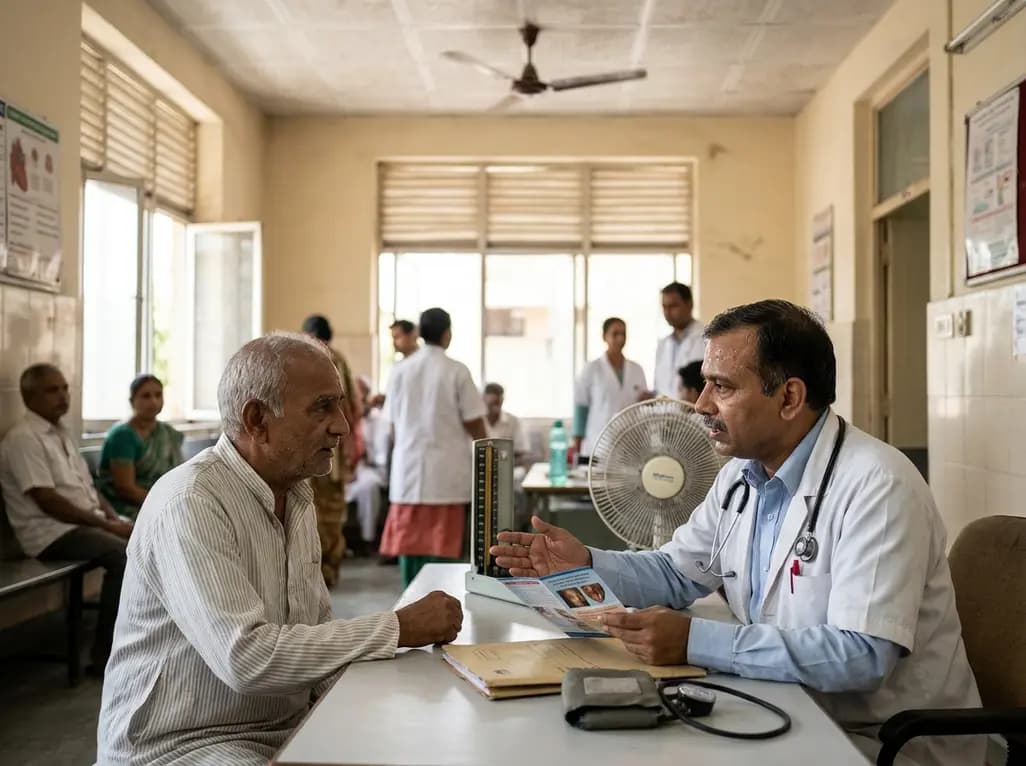
Patients with cardiovascular conditions face heightened health risks during extreme heatwaves. Discover findings from the ESC Patient Forum on climate change impacts, medication dilemmas, and actionable strategies for proactive heatwave preparedness in clinical practice.
Today

A large cohort study demonstrates that fetal growth restriction in a first pregnancy raises maternal cardiovascular risk within five years postpartum, including elevated rates of heart failure, stroke, and myocardial infarction. Clinicians must initiate proactive postpartum screening and cardiovascular prevention.
Today

A paired cadaveric study compared triple and quintuple percutaneous Achilles tendon lengthening. While quintuple hemisection showed numerically greater elongation, differences were not statistically significant.
Yesterday
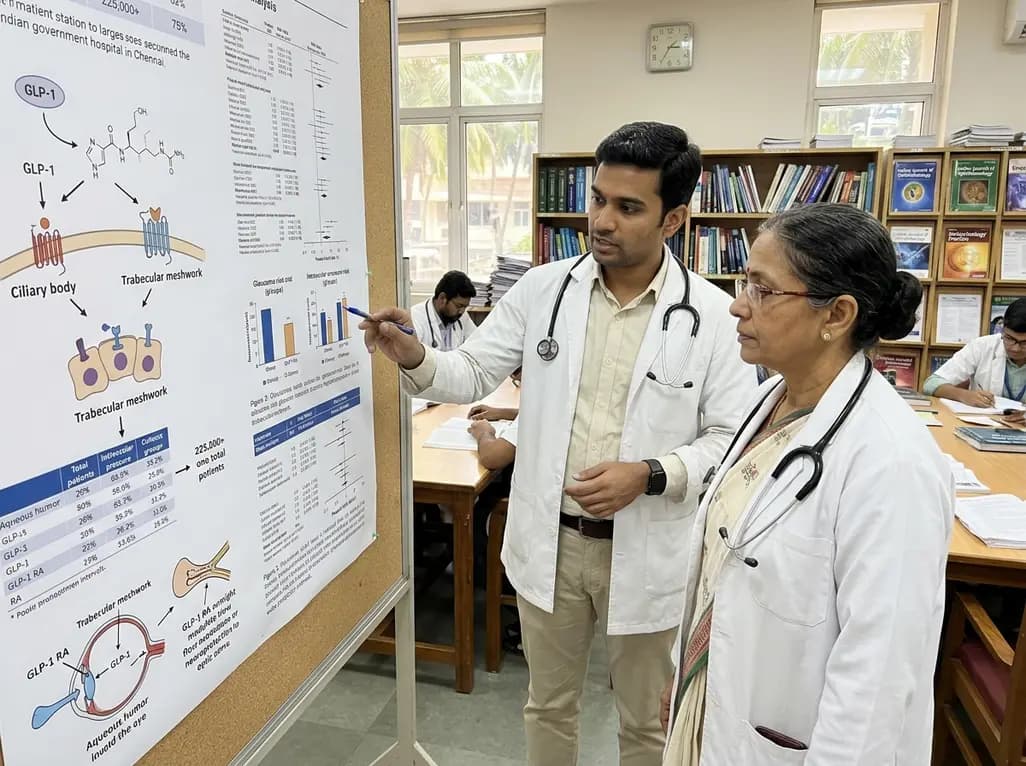
A systematic review and meta-analysis of over 225,000 patients explores whether GLP-1 receptor agonists reduce the risk of glaucoma and ocular hypertension. While pooled data show a 31% lower risk, low certainty and wide prediction intervals urge cautious optimism and further randomized trial evaluation.
Today
