

Loading, please wait...
Loading, please wait...

Rising global temperatures present unprecedented challenges for clinical cardiology and chronic disease management. Emerging evidence shows that the intersection between heat waves cardiovascular disease creates significant clinical morbidity and mortality. Recent dialogues with patient advocates highlight an urgent need for practical guidance during extreme weather events. Consequently, healthcare professionals must bridge the communication gap and equip vulnerable individuals with actionable adaptation strategies before temperatures surge.
Global climate disruption accelerates the frequency, intensity, and duration of extreme heat episodes worldwide. These environmental shifts severely impact individuals suffering from underlying cardiovascular conditions. When ambient temperatures rise, human physiology demands substantial cutaneous vasodilation to dissipate excess thermal energy. Therefore, the heart must dramatically augment cardiac output and increase stroke volume to preserve systemic perfusion. However, patients with compromised ventricular performance or severe coronary artery disease struggle to satisfy this heightened circulatory demand. Furthermore, prolonged exposure to high thermal indices triggers excessive diaphoresis, which rapidly leads to profound hypovolemia and hemoconcentration. This cascade promotes hypercoagulability, coronary plaque instability, and life-threatening thrombotic events. In addition, vulnerable individuals living in dense urban settings encounter microclimatic heat islands that prevent nighttime physiological cooling. Clinical practitioners frequently observe acute decompensated heart failure, malignant ventricular arrhythmias, and ischemic strokes during these sustained thermal surges. Consequently, clinicians must recognize ambient heat not merely as a meteorological curiosity, but as an acute environmental cardiotoxin that requires aggressive preventive intervention.
Direct testimony from members of the European Society of Cardiology Patient Forum reveals substantial anxiety surrounding summer temperature extremes. Many patients report alarming symptoms during sudden hot spells, including debilitating fatigue, dizziness, postural instability, and syncope. However, these individuals frequently encounter a persistent silence from their medical care teams regarding seasonal thermal safety. For instance, participants note that routine outpatient consultations rarely address heat mitigation, indoor cooling alternatives, or hydration boundaries. Consequently, many patients attempt unguided self-management strategies when hot weather arrives. Some individuals restrict their fluid intake excessively because they fear worsening congestion, while others consume excessive free water and develop acute hyponatremia. Moreover, several patients admitted to modifying or completely skipping prescribed therapies on extraordinarily hot days without medical supervision. These alarming behaviors underscore a profound disconnect between academic cardiovascular guidelines and real-world patient education. Patients clearly demand structured, empathetic instruction from their cardiologists long before the summer season begins. Establishing open dialogues empowers these individuals, diminishes medical uncertainty, and directly averts unnecessary emergency department presentations.
Effective clinical management during periods of acute temperature spikes necessitates proactive patient risk stratification. Clinicians must recognize that managing heat waves cardiovascular disease risks requires personalized counseling rather than generic public warnings. Specifically, physicians should identify high-risk cohorts, including frail older adults, individuals with stage C or D heart failure, and multi-morbid patients. Practitioners ought to establish proactive communication channels prior to forecasted heat extremes. For example, clinic support staff can transmit automated text reminders or distribute educational pamphlets focusing on ambient safety. In addition, clinical teams should guide patients on monitoring their daily weight, heart rate, and resting blood pressure at home. Daily self-monitoring helps detect early intravascular depletion before overt clinical decompensation occurs. Furthermore, doctors should advise patients to restrict rigorous outdoor physical exertion to early morning or late evening hours. Patients without household air conditioning need clear instructions on utilizing community cooling shelters or creating shaded ventilation zones. By implementing these structured primary and secondary prevention pathways, healthcare systems can shield vulnerable cardiac cohorts from severe, climate-induced physiological decompensation.
Standard guideline-directed medical therapy often disrupts normal human thermoregulation, creating significant clinical vulnerability during heat exposure. Diuretics, which remain vital for maintaining euvolemia in heart failure, pose substantial risks of severe hypovolemia, prerenal azotemia, and electrolyte depletion during heatwaves. Similarly, renin-angiotensin-aldosterone system inhibitors and calcium channel blockers promote peripheral vasodilation, which may amplify heat-induced hypotension and provoke syncope. Meanwhile, beta-adrenergic antagonists blunt compensatory tachycardia and limit cutaneous blood flow redistribution, directly impairing physiological heat dissipation. Therefore, clinicians must routinely review all cardiovascular pharmacotherapy ahead of anticipated heat spells. Physicians must provide clear, patient-tailored guidance on when to seek urgent dose titration rather than recommending arbitrary medication cessation. For example, temporarily reducing diuretic dosages during protracted heatwaves can preserve adequate renal perfusion in carefully monitored individuals. However, patients must never execute these pharmacologic adjustments unilaterally. Instead, clinical practices should establish accessible hotlines where patients can report dizziness, oliguria, or marked weight loss. Proactive pharmacological adjustments preserve therapeutic efficacy while minimizing serious adverse hemodynamic events.
Integrating environmental health into standard cardiology practice requires the development of formal heat-health action protocols. Healthcare providers should draft written action plans that define specific behavioral and medical steps for hot days. These documents must outline individual daily fluid limits, especially for heart failure patients who face strict volume restrictions. Furthermore, action plans should delineate red-flag symptoms that demand immediate clinical evaluation, such as sustained orthostatic lightheadedness, chest tightness, or confusion. In addition, clinicians must collaborate with allied healthcare professionals, including community nurses, clinical pharmacists, and social workers. Pharmacists can reinforce appropriate drug storage advice, because ambient heat degrades active pharmaceutical ingredients stored in non-cooled residences. Moreover, social workers can identify isolated patients who lack basic cooling devices or community support systems. Multidisciplinary outreach ensures that socioeconomic inequities do not exacerbate heat-related cardiovascular mortality. Ultimately, systematic preparedness bridges the gap between public meteorological alerts and individualized bedside medicine. By embedding climate resilience into daily practice, cardiologists can protect vulnerable lives in an increasingly warming world.
Clinicians should never advise blanket diuretic cessation during heatwaves. Instead, physicians must instruct patients to record their daily morning weights and blood pressure levels. If patients experience orthostatic dizziness, sudden weight loss, or reduced urinary output, they should promptly contact their medical team. Clinicians can then implement individualized, temporary dosage reductions to prevent dehydration and acute kidney injury while monitoring closely to avoid pulmonary congestion.
Cardiac patients should seek urgent medical attention if they experience profound lightheadedness, fainting, persistent palpitations, or chest pressure during hot weather. Additionally, confusion, extreme lethargy, nausea, hot dry skin, or cessation of sweating represent critical red-flag signs of life-threatening heatstroke. Rapid medical intervention prevents fatal cardiovascular collapse, malignant arrhythmias, and irreversible organ damage. Patients and caregivers must recognize these severe symptoms early and contact emergency medical services without hesitation.
Older adults exhibit diminished thermal sensitivity, reduced sweating capacity, and impaired cutaneous vascular reactivity, which severely limits their physiological heat dissipation. Furthermore, underlying conditions like heart failure or coronary disease impair the cardiac output expansion required for effective thermal regulation. When combined with polypharmacy—such as beta-blockers, ACE inhibitors, and diuretics—these physiological deficits rapidly lead to severe dehydration, hypotension, and heightened cardiovascular strain during prolonged high-temperature exposure.
Disclaimer: This content is for informational and educational purposes only. It is not intended to provide medical advice or substitute for professional clinical judgment, diagnosis, or treatment. Qualified healthcare professionals must evaluate all clinical cases independently. Refer to the latest local and national guidelines for clinical practice.
References

Read summarized clinical updates, watch expert medical content, and earn CME certifications right from your smartphone.
Open your smartphone camera to scan and install.





Patients with cardiovascular conditions face heightened health risks during extreme heatwaves. Discover findings from the ESC Patient Forum on climate change impacts, medication dilemmas, and actionable strategies for proactive heatwave preparedness in clinical practice.
Today

A large cohort study demonstrates that fetal growth restriction in a first pregnancy raises maternal cardiovascular risk within five years postpartum, including elevated rates of heart failure, stroke, and myocardial infarction. Clinicians must initiate proactive postpartum screening and cardiovascular prevention.
Today
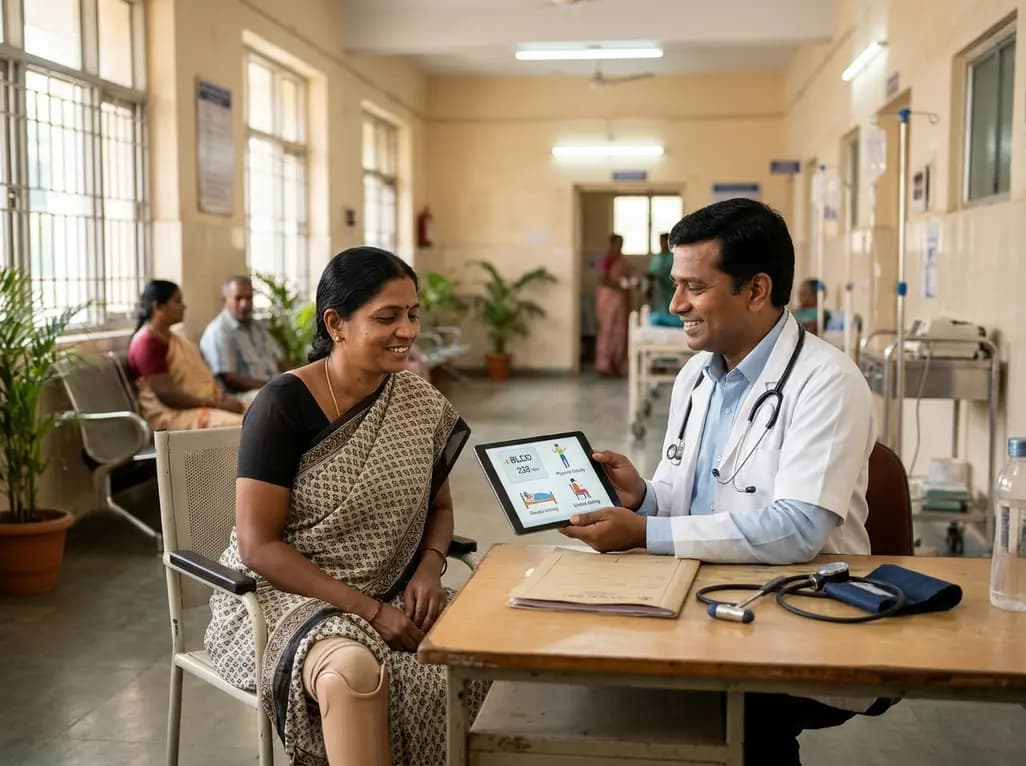
An NHANES analysis reveals that meeting 24-hour movement guidelines significantly lowers the odds of cardiovascular disease, obesity, hypertension, and diabetes among adults with disabilities, emphasizing the power of combined physical activity, sleep, and limited sedentary time.
Today

A paired cadaveric study compared triple and quintuple percutaneous Achilles tendon lengthening. While quintuple hemisection showed numerically greater elongation, differences were not statistically significant.
Yesterday
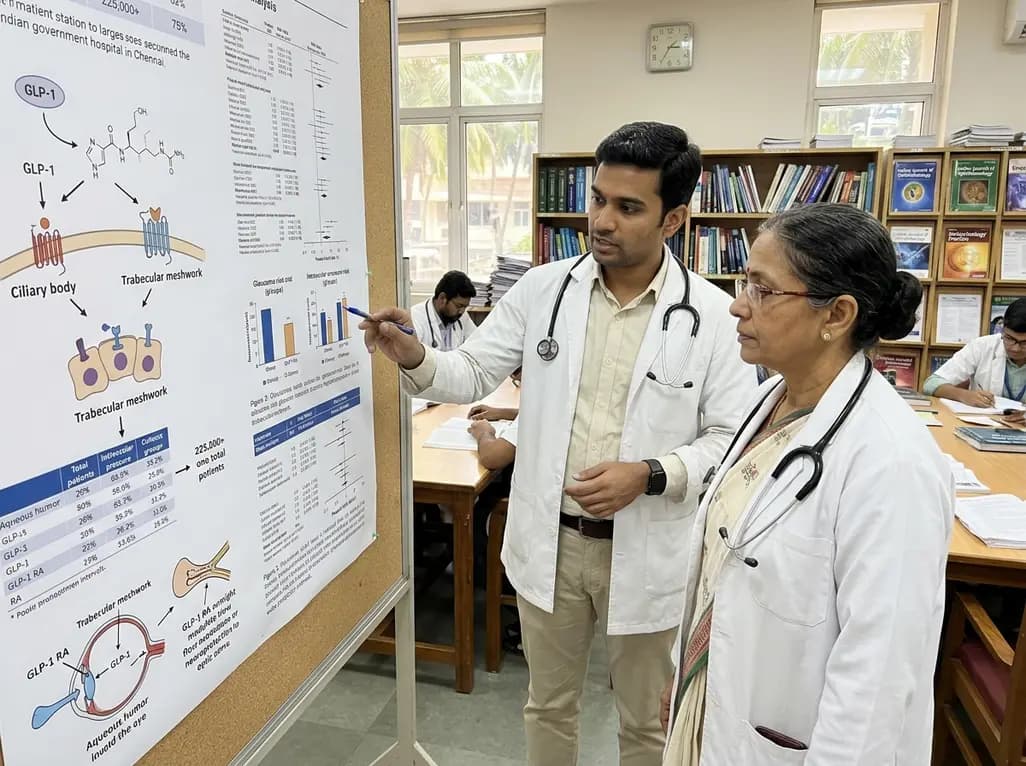
A systematic review and meta-analysis of over 225,000 patients explores whether GLP-1 receptor agonists reduce the risk of glaucoma and ocular hypertension. While pooled data show a 31% lower risk, low certainty and wide prediction intervals urge cautious optimism and further randomized trial evaluation.
Today
