

Loading, please wait...
Loading, please wait...
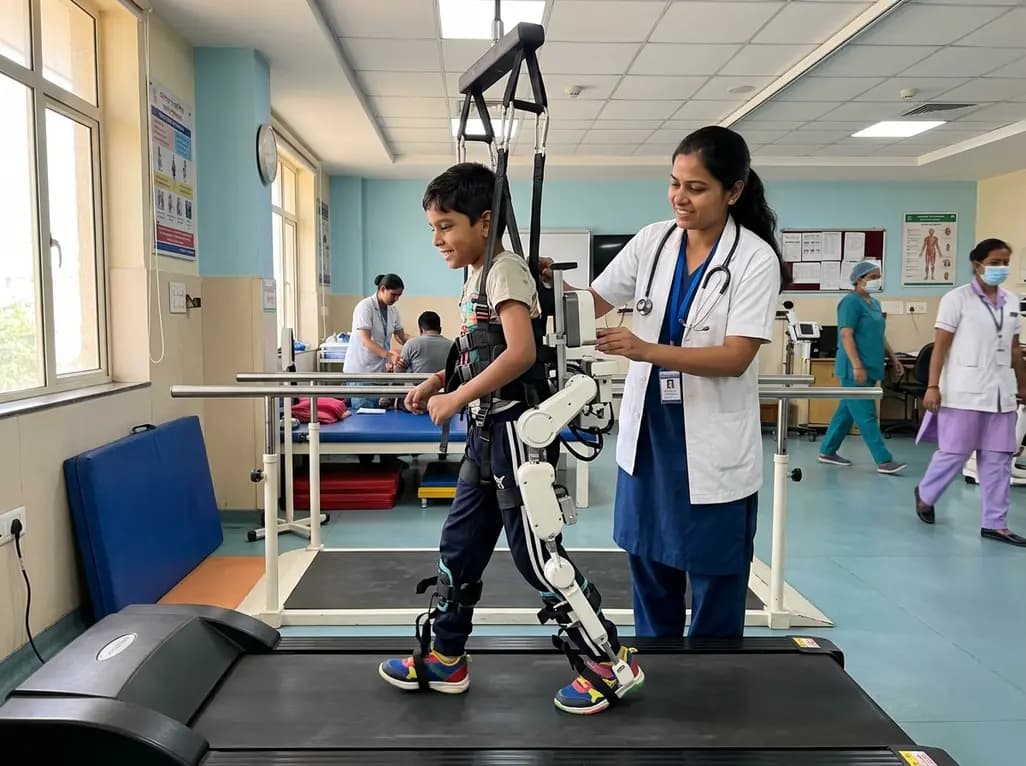
Cerebral palsy represents one of the most prevalent causes of physical disability in pediatric neurology. Children classified under Gross Motor Function Classification System levels III to V experience severe immobility that compromises pulmonary performance. Consequently, clinicians constantly seek multimodal interventions to improve both ventilation and quality of life. Emerging clinical research highlights robot-assisted gait training as a transformative therapy. By providing physiological upright movement, robotic devices engage postural muscles and promote vital respiratory expansion in non-ambulatory pediatric patients.
Children with bilateral or severe cerebral palsy frequently develop significant respiratory compromise that undermines daily function. Because prolonged immobility and chest wall deformities limit thoracic excursion, these young patients display reduced tidal volume and impaired clearance of pulmonary secretions. Furthermore, profound trunk muscle weakness and neuromuscular discoordination restrict the mechanical descent of the diaphragm during inspiration. Consequently, recurrent respiratory infections remain leading causes of hospital admissions and morbidity in this vulnerable pediatric cohort.
Historically, standard clinical management focuses on isolated chest physiotherapy, manual postural drainage, and dedicated respiratory muscle training. While targeted breathing exercises activate localized respiratory muscle groups, they unfortunately fail to reproduce whole-body physiological exertion or cardiovascular challenge. In contrast, functional upright locomotion actively demands coordinated diaphragmatic expansion, pelvic control, and dynamic trunk stabilization. Therefore, modern neurorehabilitation teams require innovative, dynamic strategies that combine gross motor facilitation with systemic ventilatory conditioning. Addressing both respiratory dynamics and postural control simultaneously offers children a far more comprehensive therapeutic trajectory.
A groundbreaking randomized crossover trial recently evaluated the comparative clinical efficacy of robotic locomotion against conventional respiratory muscle exercises. Investigators enrolled twenty-two children diagnosed with cerebral palsy across functional classification levels III through V. The participant cohort included thirteen boys and nine girls with a mean age approaching six years. Specifically, the researchers administered six weeks of structured robot-assisted gait training alongside six weeks of conventional respiratory muscle therapy. A critical four-week washout interval separated these two distinct interventional blocks to eliminate residual carryover effects.
To ensure comprehensive evaluation, the trial monitored tidal breathing mechanics, accelerometer-measured daily activity, and gross motor scores via the validated GMFM-88 scale. Additionally, primary caregivers completed the Caregiver Priorities and Child Health Index of Life with Disabilities to document functional daily gains and comfort. By employing a rigorous crossover methodology, each child served as their own control. Consequently, this design neutralized baseline inter-individual variability in motor impairment. The structured protocol enabled investigators to isolate the physiological effects of automated gait retraining from standard breathing drills, providing compelling evidence for pediatric clinicians worldwide.
The randomized trial demonstrated striking physiological advantages favoring robotic locomotor interventions over isolated breathing training. Most notably, robotic ambulation produced statistically superior increases in tidal volume compared to standard respiratory exercises. The continuous lower-limb stepping and dynamic body-weight support harness naturally stimulated deep ventilatory excursion and pulmonary expansion. Consequently, children demonstrated improved ventilatory efficiency during spontaneous resting breathing.
Moreover, the robotic intervention generated significant, clinically meaningful improvements in caregiver-reported quality of life. Parents observed substantial enhancements in personal care routines, transfer ease, positioning comfort, and overall vitality during daily activities. In addition, objective accelerometer data confirmed higher volumes of spontaneous physical activity during the robotic therapy phase. Similarly, participating children achieved superior gains on the eighty-eight-item Gross Motor Function Measure. Robotic stepping facilitated muscle activation across lower extremities and trunk stabilizers, reinforcing neuroplastic motor pathways. Thus, the investigators concluded that full-body robotic gait exercise dramatically outpaces isolated respiratory drills by addressing systemic musculoskeletal capacity and pulmonary conditioning simultaneously.
Clinicians often wonder how robotic ambulation induces superior pulmonary benefits compared to direct respiratory muscle training. First, maintaining an upright posture on a robotic treadmill expands the intrathoracic cavity. This posture relieves excessive intra-abdominal pressure against the diaphragm. Therefore, vertical alignment enhances functional residual capacity and optimizes ventilation-perfusion matching across previously collapsed basal lung segments.
Second, repetitive, motorized lower-limb kinematics trigger central pattern generators in the spinal cord and increase systemic metabolic demand. In response to this physiological load, children naturally adopt deeper, more rhythmic tidal breathing patterns. Furthermore, robotic suspension harnesses offer dynamic postural stabilization that activates abdominal wall and paraspinal muscles. Consequently, strengthening these core muscular structures improves intra-abdominal pressure regulation and enhances dynamic cough peak flow. Additionally, full-body rhythmic movement stimulates the clearance of accumulated tracheobronchial secretions through natural mechanical vibration. Thus, robotic locomotor training initiates a robust physiological cascade that sedentary exercises cannot reproduce in non-ambulatory pediatric patients.
Implementing robotic locomotion in clinical practice requires thoughtful interdisciplinary collaboration across pediatric neurology, pulmonology, and physical medicine departments. Clinicians must thoroughly evaluate joint range of motion, severe fixed contractures, and skin tolerance before fitting children into automated robotic orthoses. In addition, therapy teams should introduce body-weight suspension gradually to prevent early exhaustion or cardiovascular distress during initial sessions.
Furthermore, rehabilitation centers must integrate robotic sessions into broader holistic management plans. Rather than viewing robotic locomotion as an isolated novelty, clinicians should utilize it as a powerful anchor that reinforces daily motor activities. Meanwhile, therapists must continuously monitor objective parameters, including tidal breathing volumes, peripheral oxygenation, and caregiver burden scores. Accordingly, clinical teams can systematically customize stepping velocity and guidance force to match each child's Gross Motor Function Classification level. By individualizing training duration and harness support, practitioners maximize patient engagement and minimize therapeutic fatigue. Ultimately, integrating robotic gait platforms into standard pediatric protocols empowers severely impaired children to achieve previously unattainable developmental milestones.
Robot-assisted gait training places non-ambulatory children in an upright, weight-supported posture that reduces compressive intra-abdominal forces on the diaphragm. Additionally, repetitive mechanical stepping increases systemic metabolic demand, which naturally forces deeper tidal inspirations. This sustained vertical exertion activates accessory trunk muscles, promotes chest wall expansion, and coordinates breathing mechanics far more effectively than sedentary, isolated respiratory exercises alone.
Robotic locomotor training should complement, rather than completely replace, conventional pediatric chest physiotherapy. While robotic stepping provides remarkable systemic conditioning, improves tidal volume, and facilitates lung expansion, traditional chest physiotherapy remains vital for airway clearance and mucus evacuation. Therefore, multidisciplinary teams achieve optimal therapeutic success when combining robotic rehabilitation with targeted respiratory hygiene techniques and individualized motor therapy programs.
Rehabilitation teams typically select pediatric candidates based on age, skeletal maturity, and cognitive cooperation. Children categorized under Gross Motor Function Classification System levels III to V derive profound cardiopulmonary benefits. However, clinicians must carefully rule out severe unmanageable joint contractures, unstable hip subluxation, unhealed fractures, and skin breakdown. Proper candidate screening ensures patient comfort, biomechanical safety, and maximum functional gains during robotic sessions.
Disclaimer: This content is for informational and educational purposes only and should not be considered medical advice. Always consult a qualified healthcare professional before starting any treatment. Refer to the latest local and national guidelines for clinical practice.
References

Read summarized clinical updates, watch expert medical content, and earn CME certifications right from your smartphone.
Open your smartphone camera to scan and install.





A randomized crossover trial reveals that robot-assisted gait training significantly improves tidal volume, motor function, and quality of life compared to isolated respiratory training in children with non-ambulatory cerebral palsy.
Today

A study in The Neurologist reveals that neuroimaging in patients presenting with recurrent nonindex seizures yields acute actionable findings in only 3.7% of cases, primarily in those with head trauma. Clinicians should adopt selective imaging protocols to reduce costs, radiation, and emergency department delays.
Today
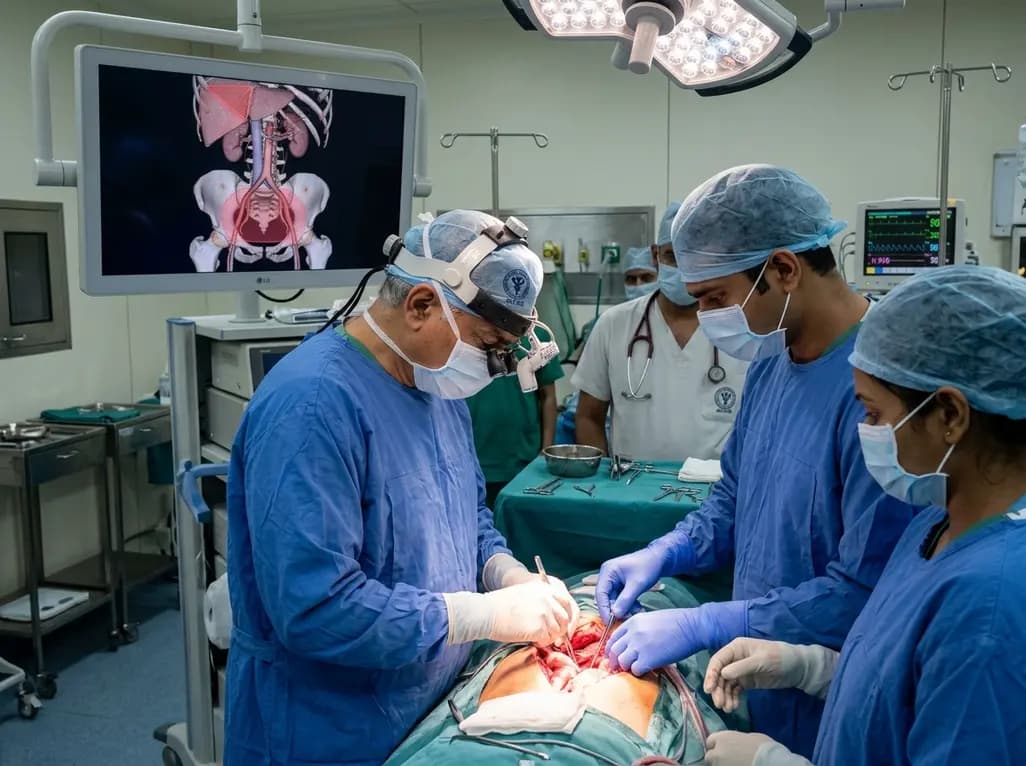
Surgical oncologists at AIIMS Delhi have mapped two critical anatomical landmarks: Ray's Zone in the deep pelvis and Ray's Hepatocaval Triangle near the liver. These predefined hazard boundaries guide dissection, dramatically reduce severe intraoperative bleeding, and preserve vital nerves and visceral organs.
Today

A study reveals that the MYLK c.4079G>A, p.(Gly1360Asp) variant is linked to high-penetrance heritable thoracic aortic disease and early-onset aortic dissection, showing a founder effect in Finnish cohorts. Findings emphasize early cascade screening and vigilant surveillance.
Today
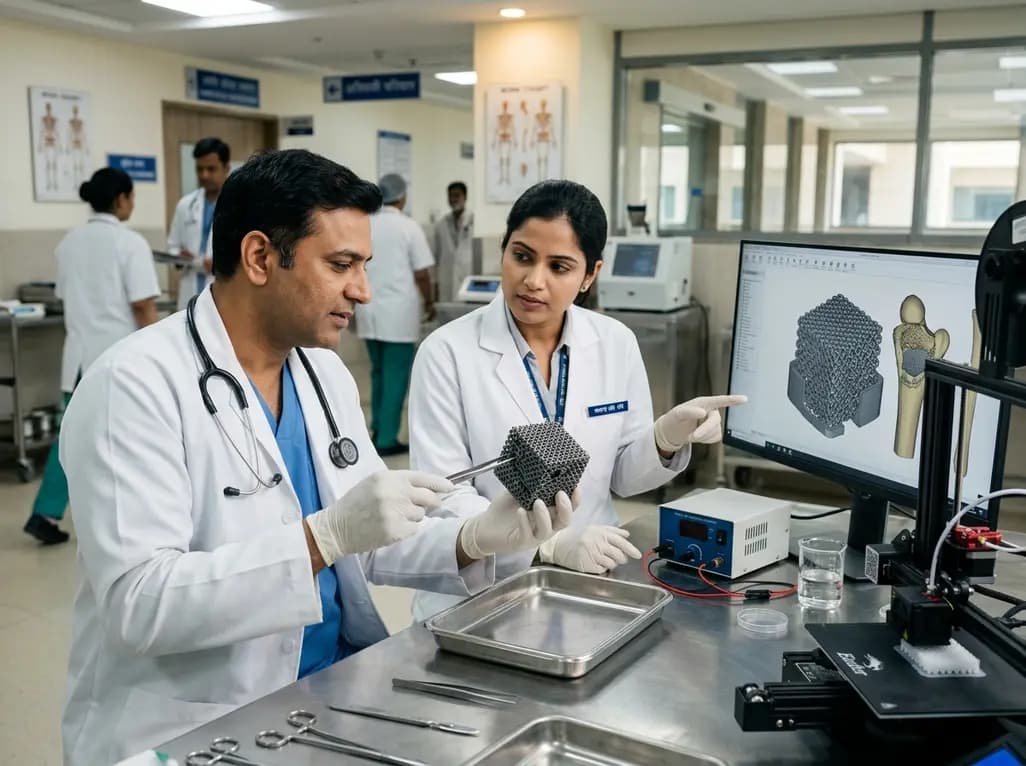
A novel sacrificial-template technique combines FDM polymer 3D printing and micro-arc oxidation to fabricate orientation-controlled porous titanium scaffolds. These bioactive constructs offer tailored stiffness, exceptional multidirectional load resistance, and robust osseointegration for bone defect repair.
Today
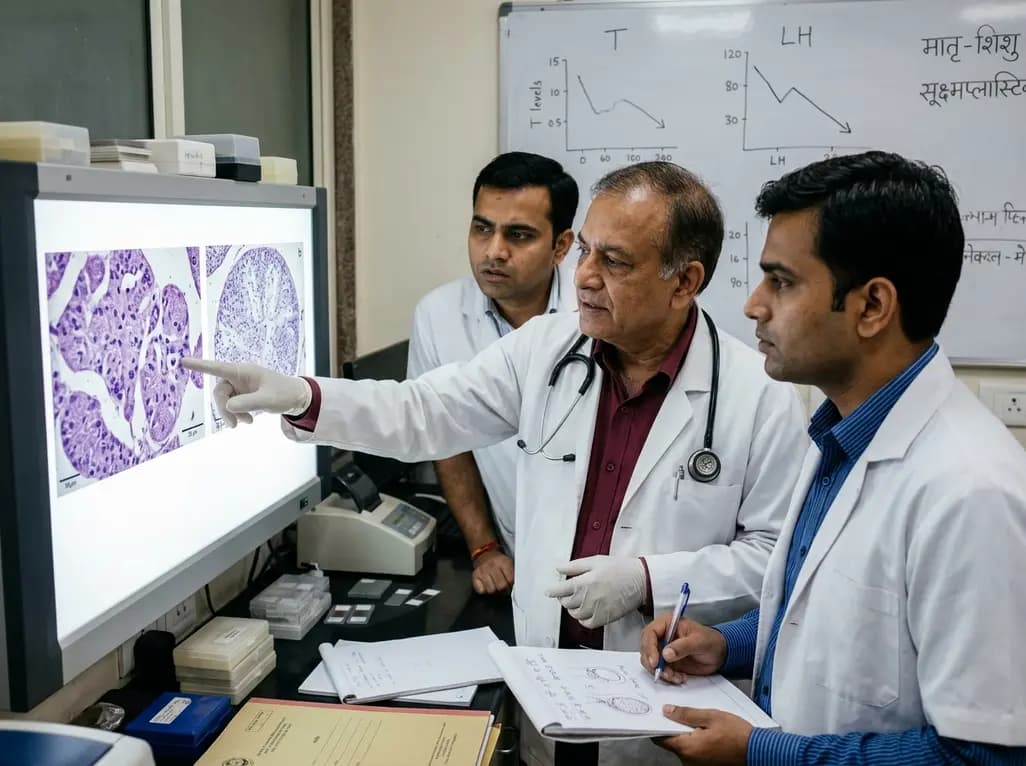
An animal model study reveals that gestational exposure to polystyrene microplastics causes persistent intrauterine growth restriction, testicular hypoplasia, Leydig cell depletion, and an atypical low-testosterone, low-LH endocrine profile in male offspring from birth into adulthood.
Today
