

Loading, please wait...
Loading, please wait...

The diagnostic management of central nervous system malignancies is undergoing a revolutionary transformation driven by rapid genomic advances. Historically, surgical teams depended on subjective histological frozen sections or delayed batch-processed microarrays to evaluate neoplastic brain tissue. Today, cutting-edge sequencing technologies empower clinicians to obtain real-time epigenetic insights directly within the operative window. A landmark multicenter study published in Neuro-Oncology has introduced ROBIN, a pioneering platform delivering intraoperative methylome classification alongside next-day comprehensive molecular profiling. This innovative assay bridges the historical divide between intraoperative histology and formal molecular diagnostics, presenting a paradigm shift for precision neuro-oncology.
Surgical neuropathology has historically relied on frozen section histological smears to guide intraoperative decisions. Although rapid, intraoperative frozen smears often fail to differentiate morphologically ambiguous lesions, such as low-grade versus high-grade gliomas, reactive gliosis, or primary central nervous system lymphomas. Consequently, neurosurgeons must frequently operate with diagnostic uncertainty, balancing the oncological benefits of radical resection against the catastrophic risk of neurological deficits.
Furthermore, definitive tumor classification now mandatorily incorporates molecular and epigenetic markers under World Health Organization classification guidelines. Traditional diagnostic pathways send excised tissue for formalin fixation, followed by DNA extraction, bisulfite conversion, and chip-based methylation arrays. Unfortunately, this conventional diagnostic cascade requires multiplex batch processing and centralized infrastructure. As a result, patients typically wait two to six weeks for a conclusive integrated diagnosis.
This prolonged waiting interval creates immense psychological distress for patients and families awaiting definitive prognostic clarity. Moreover, delayed molecular confirmation can postpone critical adjuvant therapies, including radiotherapy and personalized systemic regimens. Neurosurgeons often face difficult operative compromises because definitive tumor identities remain completely unknown until weeks after hospital discharge. Therefore, clinical oncologists require an ultra-rapid diagnostic workflow that yields immediate intraoperative answers without compromising comprehensive downstream molecular evaluation.
To dismantle these systemic delays, researchers developed ROBIN, which stands for Rapid nanpOre Brain intraoperatIve classificatioN. This novel platform harnesses high-yield PromethION nanopore sequencing technology developed by Oxford Nanopore Technologies. Unlike conventional array systems requiring labor-intensive chemical bisulfite treatment, nanopore sequencing decodes native, unamplified DNA molecules in real time. Because native DNA preserves covalent modifications, the sequencing software reads epigenetic methylcytosine marks simultaneously with canonical base sequences.
Crucially, the ROBIN workflow integrates three distinct methylation classifiers operating concurrently to maximize diagnostic precision. By deploying multiple complementary algorithmic models, the system mitigates noise and ensures robust classification even when handling sparse data from brief sequencing runs. Rapid automated tissue dissociation and DNA extraction protocols prepare viable libraries within approximately forty-five minutes of surgical resection.
Once the sequencing instrument initiates data collection, sophisticated computational pipelines analyze reading streams continuously. The algorithm maps methylated fragments against reference brain tumor methylome databases within minutes. Therefore, surgeons receive high-confidence intraoperative methylome classification before concluding the initial surgical exposure. In addition, the assay requires minimal computational infrastructure compared to legacy high-performance supercomputers. This efficiency allows localized adoption within standard hospital laboratories, fostering true democratization of cutting-edge epigenetic diagnostics.
The clinical validity of ROBIN was rigorously evaluated in a prospective cohort of fifty consecutive neurosurgical procedures. Throughout this prospective investigation, the platform demonstrated exceptional speed and analytical fidelity under real-world clinical conditions. Specifically, the technical team achieved a complete intraoperative diagnostic turnaround time of under two hours from tissue reception to reported result.
Remarkably, sequencing software generated robust tumor classifications within minutes of initiating flow-cell data collection. In seventy-six percent of cases, the system delivered actionable classification while the surgical team was actively operating in the neurosurgical theater. Furthermore, the intraoperative classifier demonstrated a remarkable ninety percent concordance with the final integrated diagnostic pathology confirmed weeks later.
The assay effectively classified a diverse array of intracranial lesions, including isocitrate dehydrogenase mutant astrocytomas, oligodendrogliomas, glioblastomas, meningiomas, and metastatic carcinomas. In contrast to traditional frozen sections that frequently yield indeterminate findings in heterogeneous tissue, ROBIN extracted clear epigenetic fingerprints from minute biopsy fragments. The platform exhibited high resilience against normal brain tissue contamination, maintaining diagnostic precision even in infiltrative marginal zones. Consequently, these prospective findings substantiate nanopore sequencing as a reliable, clinically actionable asset for real-time surgical oncology.
The integration of intraoperative sequencing fundamentally redefines operative philosophy across modern neurosurgery. Historically, neurosurgeons could only estimate tumor biology based on preoperative magnetic resonance imaging and macroscopic tissue appearance. However, neuroimaging frequently cannot differentiate high-grade glioma infiltration from primary central nervous system lymphoma, infectious cerebritis, or tumefactive demyelinating lesions.
When real-time sequencing identifies an aggressive glioblastoma, the neurosurgical team can aggressively pursue supramarginal resection utilizing intraoperative functional mapping. Supramaximal resection directly correlates with prolonged progression-free survival in patients harboring high-grade malignant gliomas. Conversely, if the classifier reveals primary CNS lymphoma within sixty minutes, the surgical team immediately halts aggressive resection. Because lymphoma responds exquisitely to systemic chemotherapy and methotrexate regimens, extensive surgical debulking merely confers unnecessary neurological morbidity without therapeutic benefit.
Similarly, identifying specific pediatric embryonal tumor subtypes or molecularly favorable meningioma variants during surgery dictates tailored surgical aggressiveness. Surgeons can safely preserve critical neurovascular bundles in eloquent cortical territory when dealing with responsive histologies. Thus, rapid epigenetic feedback replaces surgical guesswork with objective molecular precision, directly improving patient safety and maximizing functional neurological preservation.
While intraoperative methylation classification provides immediate direction during craniotomy, modern neuro-oncological management requires comprehensive multi-omic integration. Standard World Health Organization classification mandates the detection of discrete somatic driver mutations, gene copy variations, and structural rearrangements. Ordinarily, pathology laboratories must perform distinct supplementary assays, including targeted next-generation sequencing panels, fluorescence in situ hybridization, and Sanger sequencing.
ROBIN circumvents this fragmented paradigm by extracting all necessary molecular dimensions from a single continuous sequencing run. As the PromethION flow cell continues overnight sequencing, the platform accumulates deeper genomic coverage across the patient genome. Consequently, ROBIN detects single nucleotide variants, including critical hotspot mutations in IDH1, IDH2, BRAF, and H3F3A.
Additionally, copy number variant algorithms evaluate broad chromosomal gains and losses, such as whole-arm 1p/19q codeletion, chromosome 7 gain with chromosome 10 loss, and CDKN2A homozygous deletions. The pipeline also accurately characterizes structural variants, including pathogenic gene fusions involving EGFR, FGFR, or NTRK. By consolidating these disparate modalities, ROBIN establishes a comprehensive integrated diagnosis within twenty-four hours. This unprecedented efficiency eliminates weeks of administrative delay, enabling multidisciplinary tumor boards to finalize targeted oncological treatment protocols before patient discharge.
The operational feasibility of ROBIN provides immense encouragement for global health systems seeking decentralized precision diagnostics. Traditional microarray platforms demand substantial capital investments and expensive high-throughput processing suites that remain restricted to elite tertiary research institutes. In contrast, nanopore sequencing technology features compact benchtop hardware, lower start-up expenditure, and flexible single-sample execution without batching requirements.
Nevertheless, institutional integration demands structured cross-disciplinary workflows between neurosurgical suites, molecular pathology units, and bioinformatic specialists. Hospital centers must establish standardized tissue transport logistics to ensure rapid sample delivery into sequencing laboratories. Additionally, pathologists and laboratory scientists require focused training in interpreting real-time nanopore metric dashboards and confidence scoring models.
Looking ahead, ongoing clinical investigations, including clinical trial frameworks, seek to integrate rapid nanopore sequencing into adaptive therapeutic protocols. Researchers are actively expanding epigenetic classifier databases to encompass rare pediatric central nervous system neoplasms and non-neoplastic inflammatory lesions. Furthermore, pairing intraoperative tissue profiling with high-depth liquid biopsy sequencing of cerebrospinal fluid may unlock continuous longitudinal monitoring. Ultimately, unified nanopore diagnostics represent a foundational leap toward equitable, rapid, and individualized neuro-oncological patient care.
ROBIN utilizes real-time Oxford Nanopore sequencing to analyze native DNA without bisulfite conversion. As sequencing runs, the platform captures epigenetic methylation signatures across key genomic loci. Integrated machine-learning classifiers analyze these fragments simultaneously, enabling accurate tumor classification within minutes of sequence initiation and allowing surgeons to adapt operative strategies rapidly.
Beyond methylome signatures, the platform simultaneously detects single nucleotide variants, copy number variations, and structural rearrangements across the cancer genome. Consequently, clinicians gain immediate insight into critical diagnostic markers, such as IDH mutations, 1p/19q codeletions, and EGFR alterations, completing full molecular profiling within twenty-four hours without needing multiple separate assays.
Real-time molecular pathology empowers neurosurgeons to establish definitive tumor biological characteristics during surgery. When malignant infiltrative glioma or central nervous system lymphoma is recognized immediately, surgical teams avoid gratuitous neurological morbidity by tailoring radical resection versus targeted debulking, thereby preserving eloquent brain tissue and substantially improving overall patient functional outcomes.
Disclaimer: This content is for informational and educational purposes only and does not constitute medical advice, diagnosis, or treatment. Healthcare professionals should exercise their independent clinical judgment when evaluating patient care. Refer to the latest local and national guidelines for clinical practice.
References

Read summarized clinical updates, watch expert medical content, and earn CME certifications right from your smartphone.
Open your smartphone camera to scan and install.





ROBIN is a unified PromethION nanopore assay delivering intraoperative CNS tumor methylome classification in under two hours and complete integrated molecular profiling within 24 hours, transforming precision neurosurgical decision-making.
Today

Investigating the patterns, barriers, and facilitators of sedentary behaviour, physical activity, and nutrition among hybrid employees working from home, with practical recommendations for clinicians managing cardiometabolic and musculoskeletal health.
Today
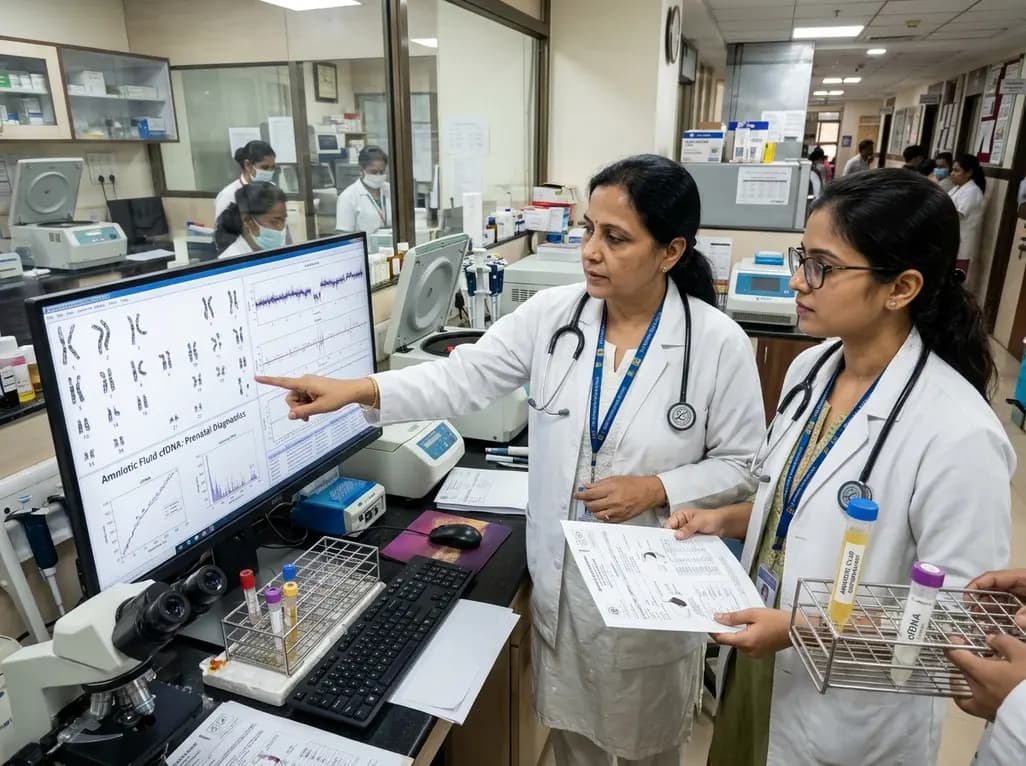
Amniotic fluid cell-free DNA offers a rapid alternative to cultured amniocytes in prenatal testing. With high yield, lack of maternal contamination, and full concordance across microarrays and exome sequencing, it dramatically cuts diagnostic turnaround time.
Today
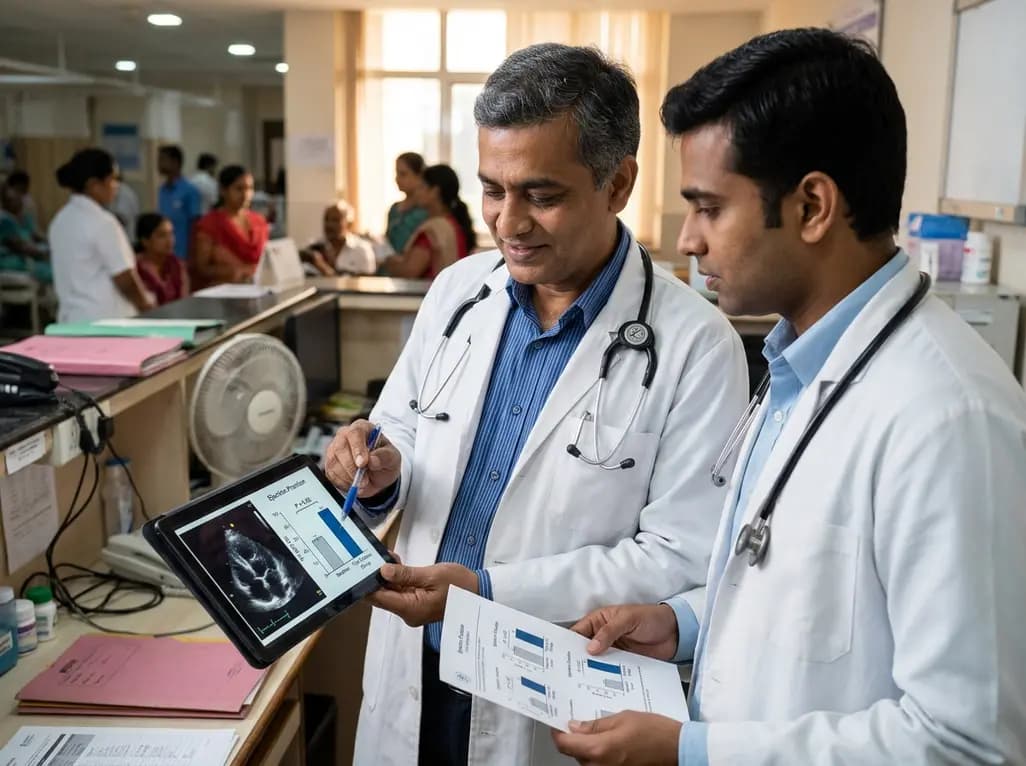
A prospective phase IIa trial investigated TSG-01, an agent rich in secondary ginsenosides, for chronic heart failure in coronary artery disease. While NYHA functional class did not differ, TSG-01 significantly improved ejection fraction in digoxin-free patients with a favorable safety profile across all groups.
Today
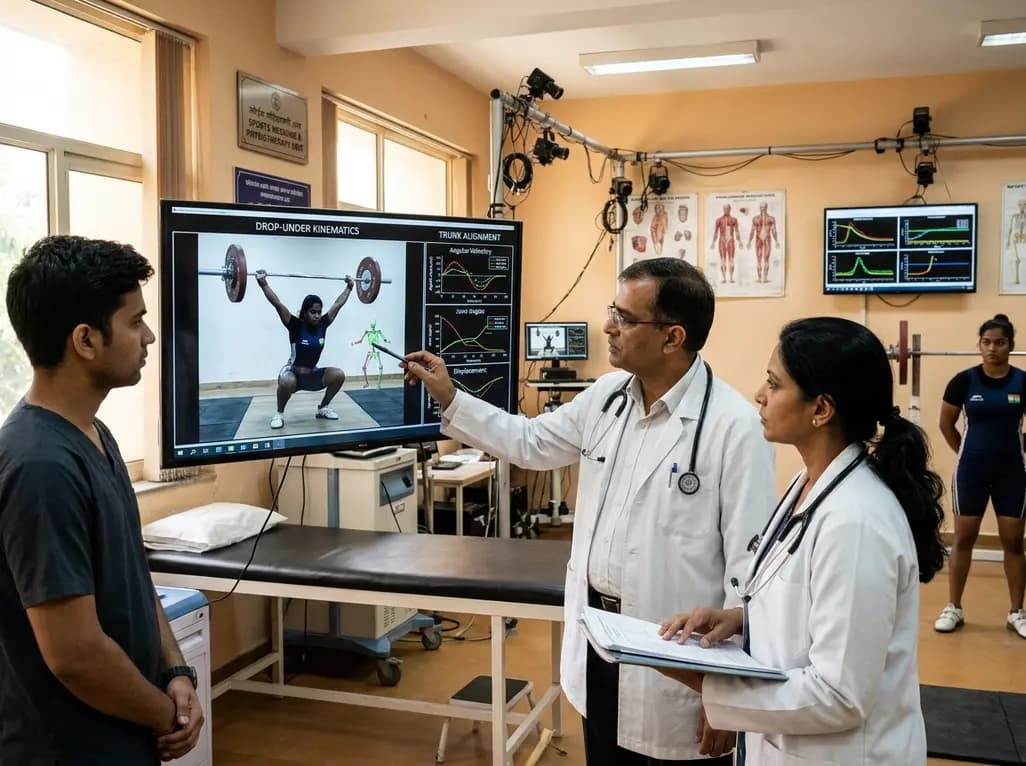
A systematic review of 15 studies and 574 competitive weightlifters establishes normative benchmarks for snatch drop-under kinematics, highlighting turnover speed, horizontal displacement, and trunk alignment to optimize performance and prevent overhead injuries.
Today

Knocking out the adipocyte ETB receptor attenuates high-fat diet-induced dyslipidemia, lowering LDL, cholesterol, and free fatty acids while preserving lipid oxidation gene expression in visceral adipose tissue.
Today
