

Loading, please wait...
Loading, please wait...

Ischemic heart disease remains the dominant driver of ventricular dysfunction worldwide. Consequently, clinicians constantly seek innovative solutions to enhance myocardial recovery beyond standard neurohormonal blockade. Modern chronic heart failure therapy often requires multifaceted strategies to stabilize hemodynamics and improve ventricular pumping capacity. Recently, a prospective phase IIa clinical trial evaluated TSG-01, an innovative compound enriched with secondary ginsenosides, in coronary artery disease patients. Ultimately, this trial delivers valuable preliminary insights into myocardial mechanics and therapeutic safety.
Secondary ginsenosides represent pharmacologically active metabolites derived from processed Panax ginseng species. In contrast to prototype ginsenosides, secondary variants exhibit markedly superior gastrointestinal absorption and intracellular bioavailability. Preclinical research demonstrates that these unique triterpenoid saponins stimulate mitochondrial adenosine triphosphate production and reduce oxidative injury in ischemic cardiomyocytes. Furthermore, secondary ginsenosides exert potent anti-inflammatory effects that mitigate pathological myocardial remodeling. They also improve coronary microvascular flow and preserve endothelial cell junctions during sustained ischemic stress. As a result, experimental heart failure models show reduced chamber dilation and lower pulmonary capillary wedge pressures after targeted exposure. Standard neurohormonal blockers effectively reduce mortality, yet many patients continue to experience debilitating exercise intolerance and progressive contractile failure. Therefore, researchers developed TSG-01 as an adjunctive metabolic and inotropic modulator. By targeting cellular energetics rather than solely blunting neurohormonal pathways, TSG-01 offers a distinct mechanistic approach. Consequently, investigating this agent in clinical trials helps determine whether cellular cardioprotection translates into measurable functional gains for patients with coronary artery disease.
The phase IIa prospective clinical trial enrolled 85 participants aged 40 to 75 years across multiple centers. Every participant carried an established diagnosis of coronary artery disease and symptomatic NYHA class III heart failure. Investigators implemented a rigorous, randomized, double-blind, placebo-controlled design over a 12-week intervention window. Specifically, the team assigned participants to high-dose TSG-01, low-dose TSG-01, or matching placebo. In addition to analyzing the intention-to-treat cohort of 85 individuals, researchers established an exploratory subgroup of 59 digoxin-free patients. Because concurrent cardiac glycosides confound contractility assessments, separating digoxin users provided crucial pathophysiological clarity. Throughout the study, all participants continued standard background guideline-directed medical therapy. Clinicians monitored functional capacity, biochemical markers, and serial echocardiographic indices at regular intervals. Moreover, investigators evaluated left ventricular ejection fraction to capture objective changes in myocardial performance. Thus, this trial design successfully isolated the physiological impact of secondary ginsenosides from routine baseline care.
When evaluating clinical efficacy, investigators observed nuanced outcomes across different study populations. For the primary symptom-based endpoint, researchers found no statistically significant difference in NYHA functional classification between groups. Subjective functional grading often exhibits substantial placebo responses in ambulatory heart failure trials. However, objective structural evaluations demonstrated encouraging physiological responses. Within the broad intention-to-treat cohort, patients receiving low-dose TSG-01 achieved a statistically significant improvement in left ventricular ejection fraction versus placebo. In contrast, the high-dose arm did not demonstrate a superior ejection fraction gain in this overall cohort. This finding suggests a potential non-linear biological dose-response curve for secondary ginsenosides. Furthermore, the exploratory digoxin-free cohort revealed pronounced myocardial benefits. In this subgroup of 59 patients, both low-dose and high-dose TSG-01 produced significant improvements in left ventricular ejection fraction. Consequently, eliminating concurrent digoxin unmasked meaningful improvements in intrinsic myocardial contractility. Therefore, these echocardiographic metrics indicate that TSG-01 actively supports left ventricular systolic performance.
Assessing drug safety remains a critical objective during early-phase cardiovascular drug development. Throughout the 12-week study duration, TSG-01 exhibited a favorable safety profile and demonstrated high overall patient tolerability. The investigators systematically monitored all treatment-emergent adverse events across organ systems. Notably, the most common adverse events involved the infectious system, the gastrointestinal tract, and the hematological system. Importantly, researchers documented no statistically significant differences in adverse event frequencies between active treatment arms and placebo. Participants experienced mostly mild or moderate symptoms that resolved without premature trial discontinuation. Additionally, neither dose of TSG-01 triggered dangerous ventricular arrhythmias, abrupt hemodynamic collapse, or hepatic toxicity. This clean safety profile is reassuring for physicians managing vulnerable coronary artery disease patients. In summary, secondary ginsenosides demonstrated reliable tolerability without amplifying systemic side effects compared to placebo. Furthermore, biochemical panels confirmed stable electrolyte levels and renal filtration markers across all observation windows. Consequently, the safety data support advancing this novel formulation into larger confirmatory clinical evaluations.
These phase IIa trial findings carry substantial clinical relevance for modern cardiovascular medicine. Heart failure secondary to ischemic heart disease continues to impose immense morbidity despite modern neurohormonal antagonist therapy. Therefore, clinicians urgently need innovative adjunctive therapies that safely augment myocardial contractility without triggering arrhythmogenesis. The observed systolic improvements in the digoxin-free subgroup provide compelling evidence for targeted metabolic support. When patients take digitalis glycosides, competitive binding or shared pathways may blunt the intracellular signaling of secondary ginsenosides. Conversely, avoiding digoxin appears to unmask the full inotropic and cardioprotective potential of TSG-01. However, clinicians must interpret these initial findings cautiously. Because the study evaluated a modest sample size of 85 participants, it cannot assess hard cardiovascular outcomes like mortality. Moreover, the lack of significant improvement in NYHA functional class indicates that structural gains require further functional verification. Consequently, investigators must conduct adequately powered phase III trials to validate long-term clinical efficacy and optimal dosing.
Traditional positive inotropes, including beta-agonists and phosphodiesterase inhibitors, improve hemodynamics by escalating intracellular cyclic adenosine monophosphate and cytosolic calcium. Unfortunately, this mechanism drastically increases myocardial oxygen consumption and triggers lethal ventricular arrhythmias, thereby increasing long-term mortality. In contrast, secondary ginsenosides enhance myocardial contractility through entirely non-canonical pathways. They optimize mitochondrial oxidative phosphorylation, elevate cellular ATP generation, and suppress excessive reactive oxygen species production in ischemic tissue. Furthermore, these active phytochemicals preserve microvascular integrity and alleviate microvascular endothelial barrier disruption during persistent ischemic strain. Because TSG-01 does not force intracellular calcium loading, it supports systolic pumping without accelerating arrhythmogenesis or exhausting myocardial reserves. Additionally, preclinical models show that TSG-01 induces gentle diuresis without inducing hypokalemia, preserving crucial electrolyte equilibrium in congestive states. Thus, secondary ginsenosides offer an attractive metabolic alternative to standard inotropic stimulation. Future clinical investigations should examine whether combining TSG-01 with contemporary guideline-directed medical therapy further retards adverse cardiac remodeling.
TSG-01 represents an innovative investigational botanical drug predominantly composed of secondary ginsenosides derived from processed ginseng. Unlike conventional inotropic agents that elevate cyclic AMP and intracellular calcium, TSG-01 supports failing myocardium through metabolic cytoprotection. Specifically, it stimulates mitochondrial ATP generation, attenuates oxidative stress, and protects microvascular endothelial connections. Consequently, it bolsters left ventricular systolic performance and coronary perfusion without increasing myocardial oxygen demands or provoking arrhythmogenic events in ischemic heart disease.
Digoxin acts as a potent cardiac glycoside that inhibits sodium-potassium ATPase, thereby elevating cytosolic calcium and increasing myocardial contractility. When participants concurrently take digoxin, this pharmacodynamic background may saturate inotropic signaling pathways or mask the metabolic contributions of TSG-01. In contrast, withdrawing or withholding digoxin allows secondary ginsenosides to act unimpeded on mitochondrial respiration and cellular energetics. Consequently, both low-dose and high-dose TSG-01 demonstrated statistically significant improvements in left ventricular ejection fraction exclusively within this digoxin-free cohort.
Throughout the 12-week trial, TSG-01 demonstrated remarkable tolerability across all treated participants. The most frequently recorded adverse events occurred within three physiological systems: infections and infestations, gastrointestinal disorders, and blood and lymphatic system disorders. Crucially, the rates of these events did not differ significantly between active treatment arms and the placebo group. Furthermore, investigators observed no treatment-related hepatotoxicity, acute renal impairment, or malignant ventricular arrhythmias, establishing a benign preliminary safety profile for future clinical studies.
Disclaimer: This content is for informational and educational purposes only... Refer to the latest local and national guidelines for clinical practice.
References

Read summarized clinical updates, watch expert medical content, and earn CME certifications right from your smartphone.
Open your smartphone camera to scan and install.





A prospective phase IIa trial investigated TSG-01, an agent rich in secondary ginsenosides, for chronic heart failure in coronary artery disease. While NYHA functional class did not differ, TSG-01 significantly improved ejection fraction in digoxin-free patients with a favorable safety profile across all groups.
Today
Amniotic fluid cell-free DNA offers a rapid alternative to cultured amniocytes in prenatal testing. With high yield, lack of maternal contamination, and full concordance across microarrays and exome sequencing, it dramatically cuts diagnostic turnaround time.
Today
Knocking out the adipocyte ETB receptor attenuates high-fat diet-induced dyslipidemia, lowering LDL, cholesterol, and free fatty acids while preserving lipid oxidation gene expression in visceral adipose tissue.
Today
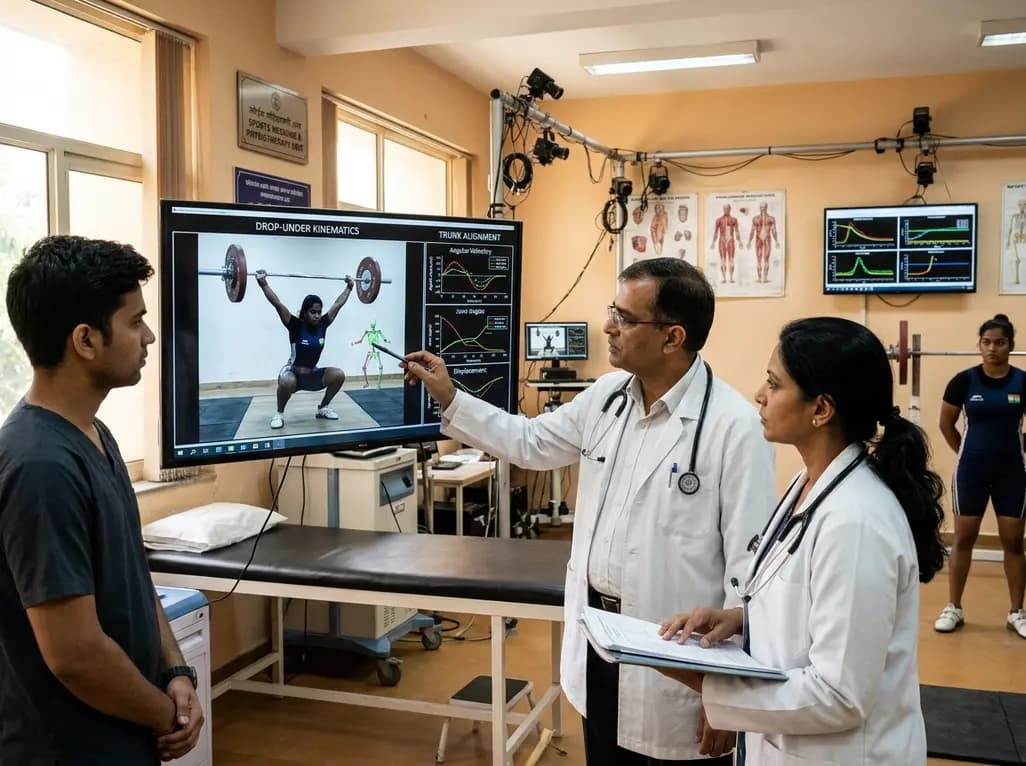
A systematic review of 15 studies and 574 competitive weightlifters establishes normative benchmarks for snatch drop-under kinematics, highlighting turnover speed, horizontal displacement, and trunk alignment to optimize performance and prevent overhead injuries.
Today
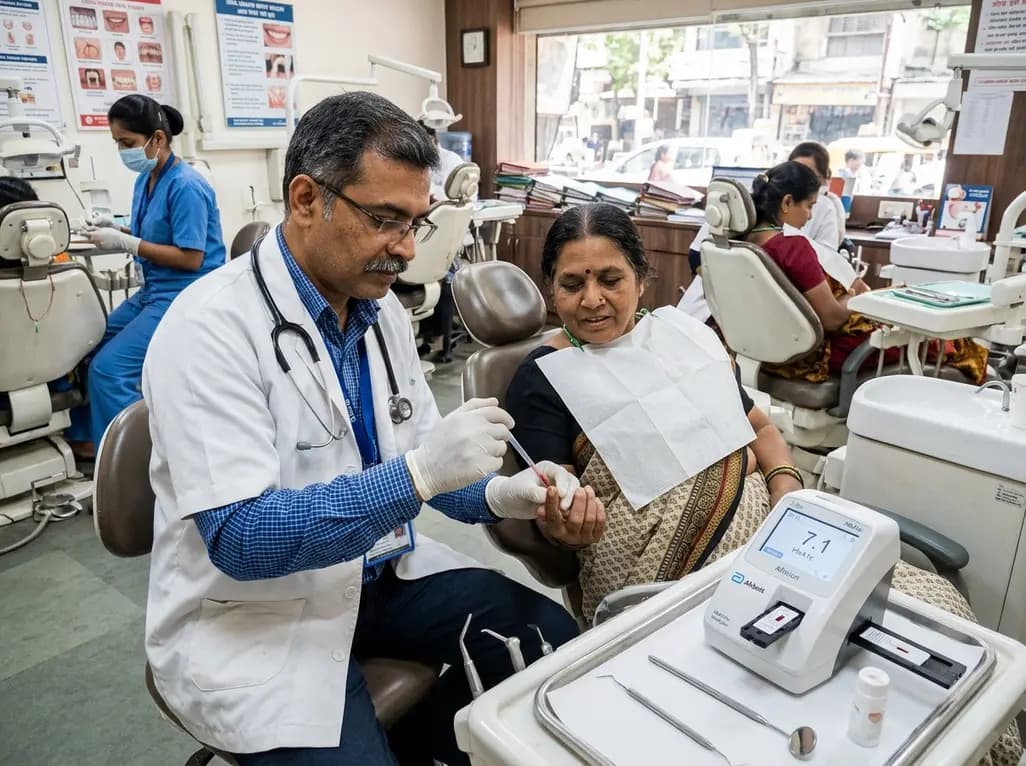
A cross-sectional study shows point-of-care HbA1c screening in dental settings detects elevated glycemia in 27.3% of adults. Over 60% of these patients had no prior glycemic concerns, especially those disconnected from primary care, highlighting the dental chair as an opportunistic screening site.
Today
