

Loading, please wait...
Loading, please wait...

The widespread adoption of flexible employment models has transformed routine daily occupational dynamics across India and the globe. However, recent public health evaluations highlight escalating cardiometabolic risks tied to sedentary behaviour hybrid workers encounter during remote days. When professionals shift from corporate office cubicles to residential desks, their incidental daily movement declines precipitously. Consequently, clinicians encounter increasing numbers of working-age adults presenting with early-stage dyslipidemia, insulin resistance, and persistent musculoskeletal complaints. Understanding the psychological, physical, and environmental determinants of these lifestyle shifts enables healthcare providers to deliver meaningful, actionable guidance.
Recent behavioural research underscores significant shifts in daily physical routines when employees work remotely. Without structured office commutes, physical transitions between conference rooms, or short walks across commercial campuses, daily energy expenditure plummets. Furthermore, qualitative studies utilizing the COM-B behavioural framework reveal that employees frequently log uninterrupted desk hours at home. Workers often remain seated for hours because domestic workstations blur the boundary between productive duty and personal rest. In addition, many professionals report losing track of time while handling digital communication platforms. This continuous desk confinement suppresses skeletal muscle lipoprotein lipase activity, impairing circulating lipid clearance and glucose uptake. Therefore, clinicians must recognize that working from home creates unique physiological vulnerabilities. Although patients often appreciate the comfort of home, this comfort inadvertently fosters severe physical inactivity. As remote employment continues across major tech and financial hubs, primary care physicians must address this silent occupational hazard proactively.
Achieving adequate daily exercise during remote days requires navigating formidable psychological and logistical obstacles. Specifically, qualitative evaluations indicate that many hybrid professionals struggle with pervasive feelings of workplace guilt. When working outside a formal supervisory office, employees fear appearing unproductive or absent on internal chat channels. Consequently, they deliberately avoid stepping away from their monitors, even for brief stretching routines. Moreover, heavy workloads, chronic mental fatigue, and perceived lack of personal motivation further stifle physical activity. Domestic environments also present substantial barriers. Many home offices lack ergonomic furniture, dedicated exercise space, or clear separation from family demands. Additionally, individuals lack the spontaneous social reinforcement that office colleagues provide through shared lunch walks or group gym visits. Thus, social isolation combines with digital presenteeism to anchor professionals to their chairs. Over time, these persistent psychological strains reinforce sedentary habits and diminish self-efficacy regarding personal fitness goals.
Interestingly, recent investigation reveals a notable divergence between movement patterns and nutritional choices among remote professionals. While physical activity noticeably diminishes at home, dietary behaviours frequently show measurable improvements compared to traditional corporate office environments. In conventional office settings, workers routinely face high-calorie catered lunches, vending machine temptations, and impulsive snacking during stressful commutes. Conversely, the domestic workspace grants individuals direct control over meal preparation and pantry contents. Many professionals prepare fresh, home-cooked meals featuring unrefined ingredients, balanced macronutrients, and lower sodium levels. Furthermore, individuals can regulate meal timings without adhering to rigid corporate schedules. Nevertheless, clinicians must remain cautious when evaluating patient nutrition. Some remote workers still struggle with boredom snacking, frequent tea or coffee breaks, and easy access to ultra-processed kitchen snacks. Therefore, doctors should encourage patients to capitalize on home cooking while maintaining structured meal schedules to prevent mindless caloric consumption during long screen hours.
In India, the urban workforce demonstrates exceptional susceptibility to lifestyle-induced non-communicable diseases. The rapid expansion of information technology and service sectors has placed millions into sedentary hybrid roles. Moreover, South Asian populations carry an innate predisposition toward visceral adiposity, premature coronary artery disease, and type 2 diabetes mellitus at lower body mass index thresholds. When prolonged sitting displaces daily step counts, metabolic dysfunction accelerates dramatically. Sustained muscular inactivity impairs peripheral insulin sensitivity, accelerates endothelial stiffness, and elevates circulating triglycerides. In addition, uninterrupted sitting exacerbates axial back strain, cervical spondylosis, and postural tension headaches. Consequently, primary care physicians frequently evaluate young corporate employees who demonstrate elevated fasting insulin, borderline hypertension, and hepatic steatosis. Addressing these emerging clinical parameters demands rapid identification of occupational sedentary patterns. Therefore, clinicians must view occupational ergonomics and daily movement as vital signs during routine health examinations.
To counteract prolonged sitting effectively, physicians should implement structured behavioural counseling during routine clinical consultations. First, clinicians must encourage patients to establish intentional micro-breaks throughout the working day. For example, individuals can utilize the 30-minute rule, standing or pacing for two minutes after every half hour of seated desk work. Furthermore, healthcare providers should advocate for dedicated environmental prompts, such as smartphone vibration alarms, smartwatch standing reminders, or specialized desktop software. Setting explicit, realistic daily movement goals also enhances patient compliance. Doctors can recommend walking meetings during audio-only calls, utilizing adjustable standing desks, or climbing stairs between virtual tasks. In addition, clinicians must emphasize the vital role of organizational culture and managerial support. When managers openly encourage physical breaks, employees shed the psychological guilt associated with stepping away from screens. By pairing practical environmental nudges with empathetic counseling, clinicians empower patients to reclaim metabolic vitality while excelling in hybrid careers.
Working from home substantially elevates prolonged sitting by removing daily commuting, campus walking, and incidental movement between conference rooms. Furthermore, home-based workers often experience blurred personal-professional boundaries and digital presenteeism. Consequently, they remain desk-bound for extended hours without regular breaks. This sustained physical inactivity lowers daily caloric expenditure and impairs normal glucose and lipid metabolism, significantly raising long-term cardiometabolic risks for corporate professionals.
Remote workers often maintain healthier diets at home because they possess greater control over food choices and ingredient quality. In office environments, professionals frequently encounter catered junk food, vending machines, and high-calorie restaurant takeout. Conversely, the home setting facilitates the preparation of fresh, balanced meals with lower sodium and preservative content. However, workers must still practice conscious portion control to avoid impulsive domestic snacking between virtual assignments.
Physicians can recommend adopting structured micro-breaks, such as standing or pacing for two minutes every half hour. In addition, patients should utilize automated environmental prompts, including smartwatch activity alerts or desktop timers. Doctors can also advise converting audio-only virtual conferences into walking meetings, installing sit-stand desk convertors, and climbing stairs during midday intervals. These simple behavioral nudges effectively disrupt prolonged muscular inactivity without disrupting daily occupational productivity.
Disclaimer: This content is for informational and educational purposes only. It is not intended to be a substitute for professional medical advice, diagnosis, or treatment. Always seek the advice of your physician or other qualified health provider with any questions you may have regarding a medical condition. Refer to the latest local and national guidelines for clinical practice.
References

Read summarized clinical updates, watch expert medical content, and earn CME certifications right from your smartphone.
Open your smartphone camera to scan and install.





Investigating the patterns, barriers, and facilitators of sedentary behaviour, physical activity, and nutrition among hybrid employees working from home, with practical recommendations for clinicians managing cardiometabolic and musculoskeletal health.
Today
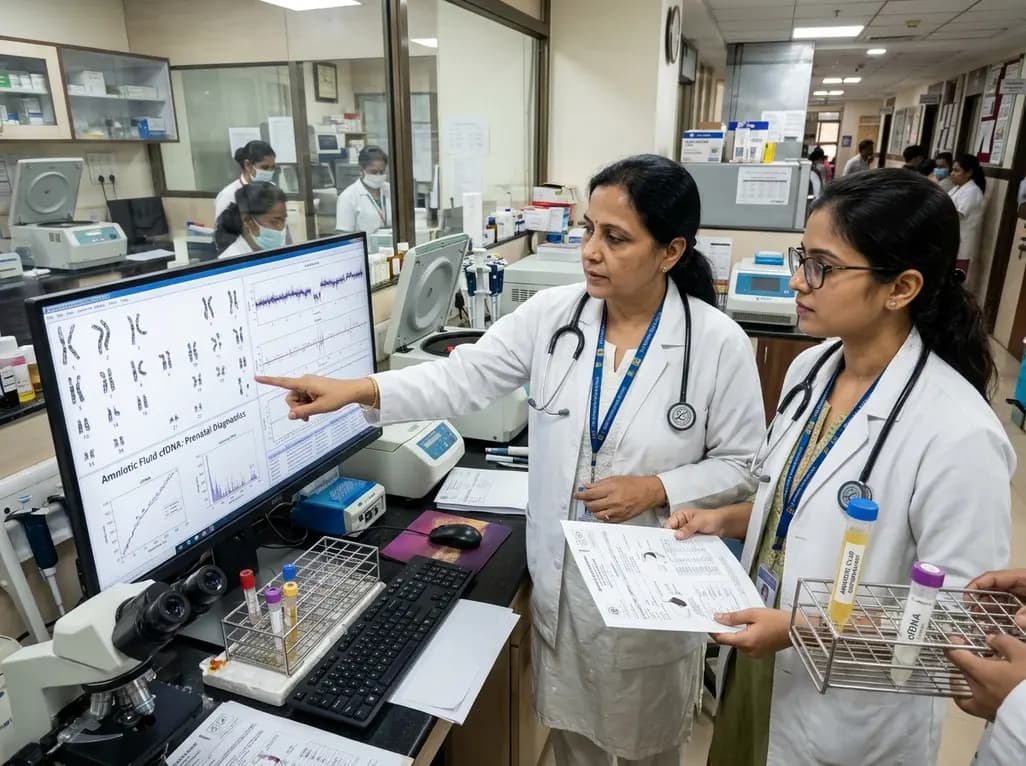
Amniotic fluid cell-free DNA offers a rapid alternative to cultured amniocytes in prenatal testing. With high yield, lack of maternal contamination, and full concordance across microarrays and exome sequencing, it dramatically cuts diagnostic turnaround time.
Today
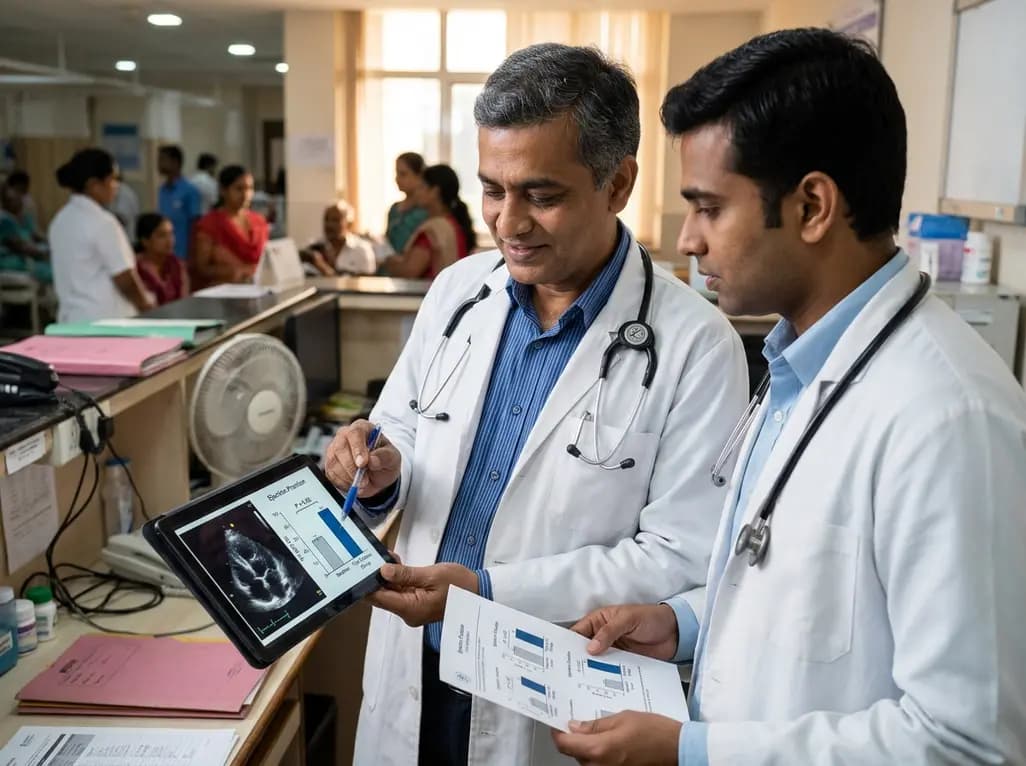
A prospective phase IIa trial investigated TSG-01, an agent rich in secondary ginsenosides, for chronic heart failure in coronary artery disease. While NYHA functional class did not differ, TSG-01 significantly improved ejection fraction in digoxin-free patients with a favorable safety profile across all groups.
Today
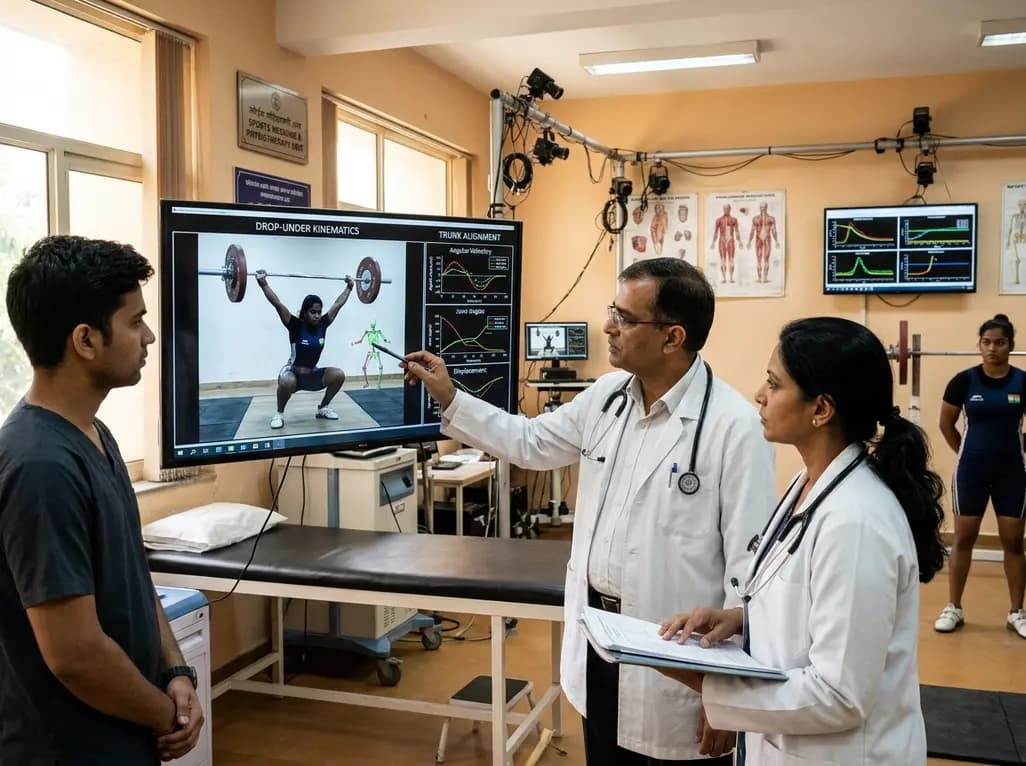
A systematic review of 15 studies and 574 competitive weightlifters establishes normative benchmarks for snatch drop-under kinematics, highlighting turnover speed, horizontal displacement, and trunk alignment to optimize performance and prevent overhead injuries.
Today
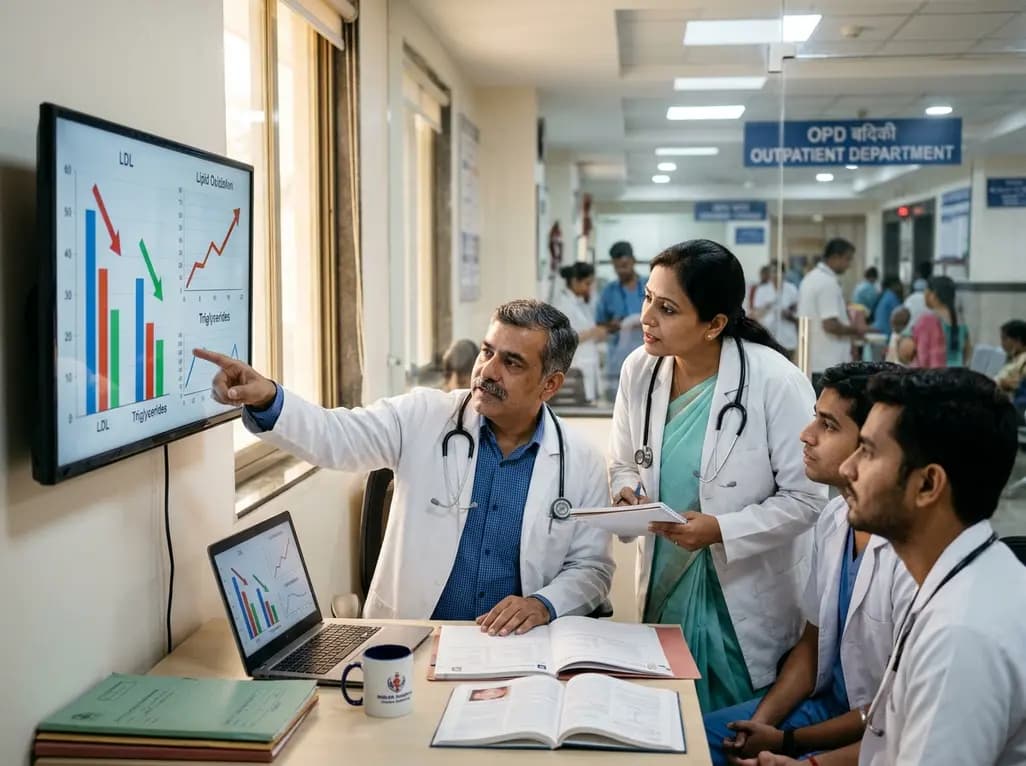
Knocking out the adipocyte ETB receptor attenuates high-fat diet-induced dyslipidemia, lowering LDL, cholesterol, and free fatty acids while preserving lipid oxidation gene expression in visceral adipose tissue.
Today
