.webp&w=384&q=75)

Loading, please wait...
Loading, please wait...

Patients often present with rhinosinusitis facial pain in otolaryngology clinics, yet the underlying patterns are frequently misunderstood. A retrospective study of 304 patients recently shed light on these clinical characteristics. Furthermore, the researchers observed that while the prevalence of such symptoms is high, the actual intensity is often mild. Consequently, identifying these subtle patterns is vital for accurate diagnosis and effective management.
Among the documented cases, approximately 42.1% of patients reported symptoms considered related to sinonasal inflammation. Interestingly, high-intensity pain was uncommon, with only a small fraction reporting elevated SNOT-22 scores. Moreover, the study found that middle meatal polyps were associated with significantly lower odds of experiencing facial pressure. Specifically, the odds ratio was 0.41, indicating that inflammatory polyps might physically cushion or alter the sensation of pressure.
Additionally, the relationship between imaging results and symptoms remains complex. While a maxillary sinus Lund-Mackay score of 2 showed an initial positive association, this significance diminished after statistical correction. Therefore, clinicians should not rely solely on radiological findings to explain a patient\'s pain. Instead, a combination of endoscopy and detailed history is preferred. However, active migraine was rare in this cohort, suggesting that most reported pain was indeed related to the underlying rhinosinusitis.
The research emphasizes the necessity of a systematic inquiry into patient symptoms. Because assessment variability can lead to inconsistent prevalence reports, doctors must employ standardized evaluation tools. Furthermore, by integrating endoscopic findings with patient-reported outcomes, specialists can better differentiate between secondary headaches and other facial pain disorders. In conclusion, a comprehensive diagnostic approach leads to more targeted treatments and improved patient outcomes.
Most patients with rhinosinusitis experience mild to moderate pain. High-intensity facial pressure is relatively rare, according to the latest clinical review.
Surprisingly, findings suggest that middle meatal polyps are associated with lower odds of headache or facial pain, contrary to the common belief that polyps increase pressure.
Disclaimer: This content is for informational and educational purposes only. It does not constitute medical advice or a professional relationship. Refer to the latest local and national guidelines for clinical practice.
References

Read summarized clinical updates, watch expert medical content, and earn CME certifications right from your smartphone.
Open your smartphone camera to scan and install.





A retrospective review of 304 patients reveals common but often mild headache and facial pain patterns in rhinosinusitis and their clinical associations....
4 months ago
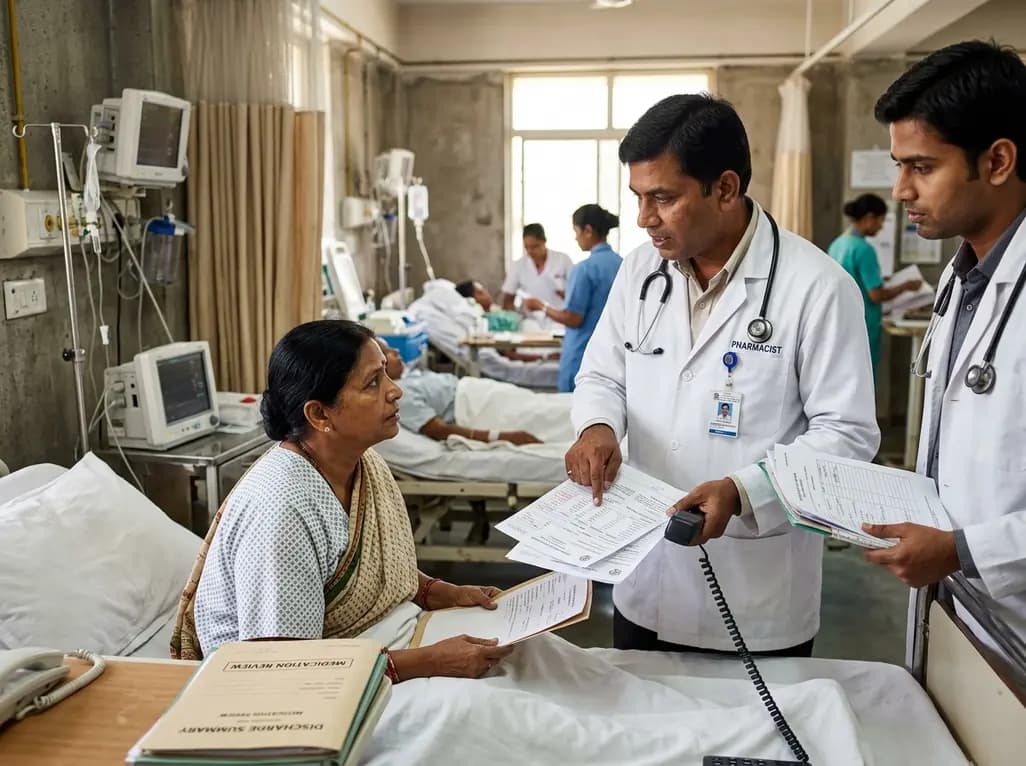
A retrospective cohort study demonstrates that comprehensive pharmacy transitions of care—including admission medication history, discharge review, and 72-hour telephone follow-up—significantly reduced 30-day readmission rates in acute care patients, highlighting the value of pharmacist-led clinical interventions.
Today
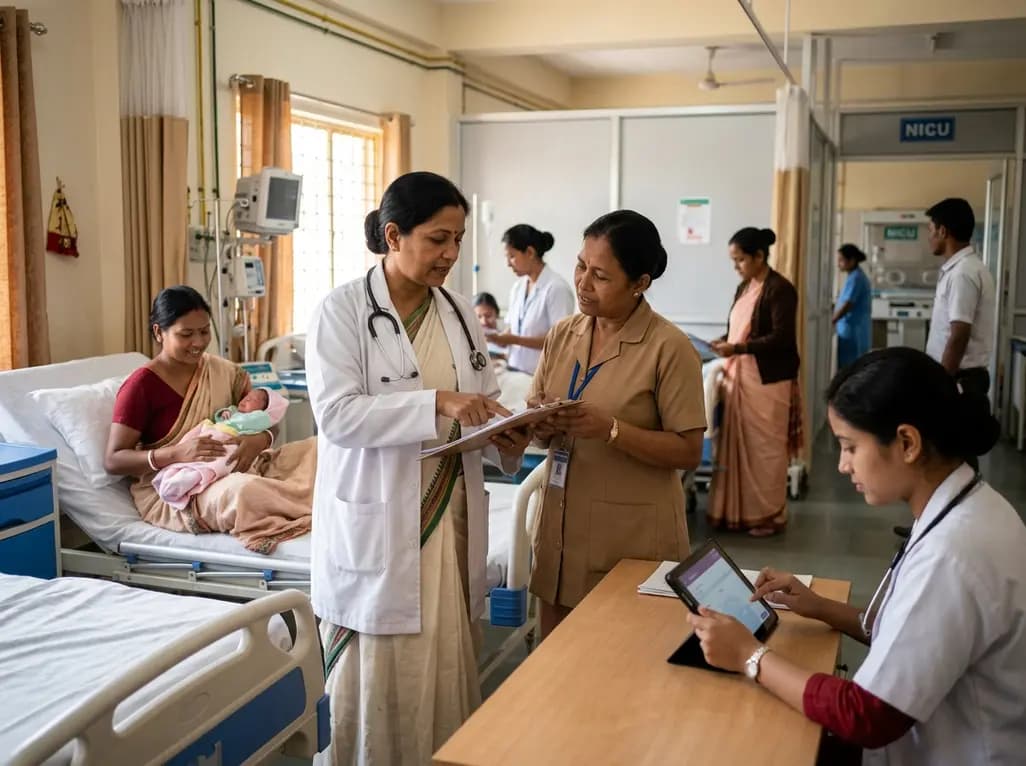
Meghalaya recorded a historic 55% reduction in maternal deaths, dropping from 244 to 107 over five years. Through the MOTHER app, dedicated transit homes, and expanded infrastructure like the 150-bed Tura Maternity Hospital with its first public NICU, the state demonstrates an effective public health model.
Today
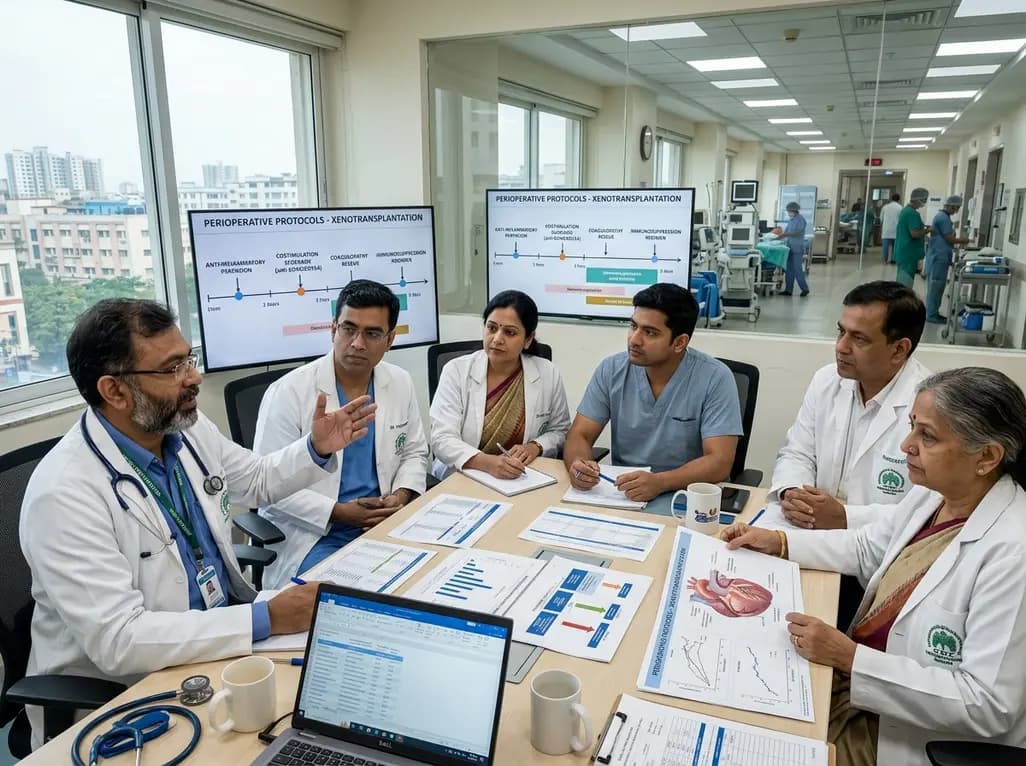
Explore modern perioperative management protocols for clinical xenotransplantation. Learn how costimulation blockade, anti-inflammatory perfusion, and coagulopathy rescue overcome interspecies hurdles.
Today
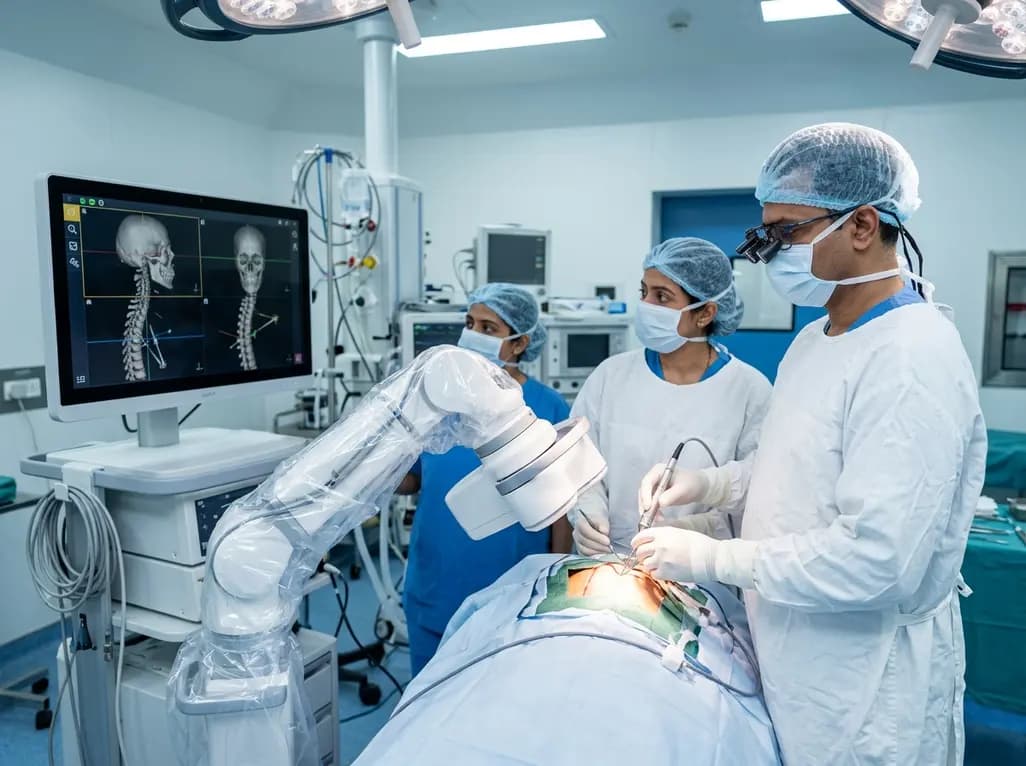
North India's first Centre of Excellence for Brain and Spine at Amrita Hospital Faridabad integrates Brainlab's Loop-X mobile robot. This landmark facility combines cone-beam computed tomography with surgical navigation to elevate precision, optimize operative workflows, and enhance specialized clinician training.
Today
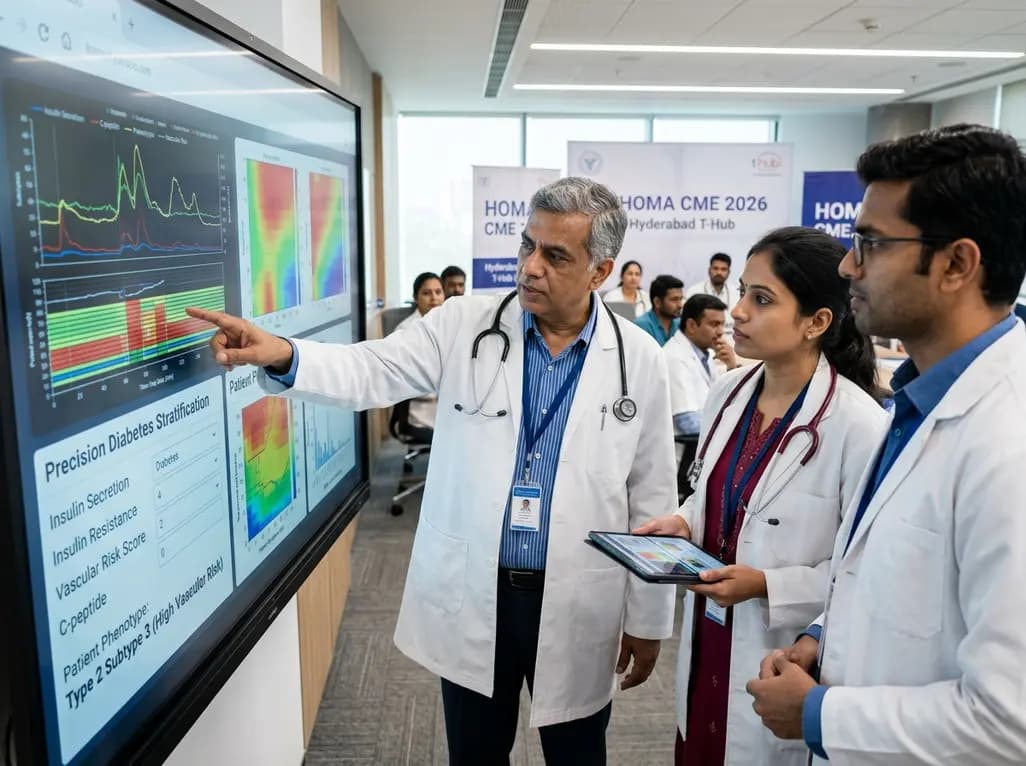
At Homa CME 2026 at Hyderabad's T-Hub, healthcare leaders emphasized moving beyond routine metrics through digital calculators and precision stratification. Discover why characterizing individual insulin secretion, resistance patterns, and vascular risks transforms chronic metabolic care in India.
Today
