

Loading, please wait...
Loading, please wait...

Restless legs syndrome (RLS), also recognized as Willis-Ekbom disease, represents a distressing sensorimotor neurological disorder that severely impairs sleep quality and daytime functioning. For decades, clinicians attributed its primary pathogenesis to central dopaminergic dysfunction and regional cerebral iron deficiency. However, groundbreaking research into restless legs syndrome proteomics demonstrates that the condition involves far broader molecular complexity than previously suspected. By examining cerebrospinal fluid from untreated patients, investigators have uncovered novel inflammatory, vascular, and regulatory pathways. Consequently, these findings reshape our clinical perspective on disease mechanisms and introduce sex-specific biological targets.
To characterize the central molecular architecture of the condition, researchers conducted an observational cross-sectional study analyzing cerebrospinal fluid from twenty-two untreated patients and eighteen matched controls. Crucially, the investigators matched participants for age, sex, and body mass index to eliminate major physiological confounders. They analyzed these biological samples using the high-throughput SOMAscan platform, which measures over seven thousand distinct peptides simultaneously. This multiplex affinity technology provides exceptional sensitivity, allowing researchers to capture subtle protein changes within the central nervous system.
Overall, the proteomic analysis revealed eight proteins with statistically significant differential abundance between patients and healthy controls. Furthermore, functional pathway analysis demonstrated that these altered proteins actively participate in immune defense, coagulation cascades, and cytoskeletal organization. Therefore, these findings confirm that neuroinflammation and microvascular dynamics contribute directly to disease pathophysiology. In addition, studying treatment-naive patients ensured that observed proteomic shifts reflect authentic disease biology rather than drug-induced alterations. Thus, this proteomic profile provides robust empirical evidence establishing Willis-Ekbom disease as a complex neuroinflammatory and neurovascular disorder.
Among the differentially abundant proteins identified across the cohort, four specific biomarkers demonstrated notable expression changes. Specifically, C-reactive protein (CRP) and junctional adhesion molecule-like protein (JAML) were significantly elevated in patients compared to controls. Increased central CRP indicates active neuroinflammation, which may increase blood-brain barrier permeability and heighten nocturnal sensorimotor distress. Concurrently, increased JAML highlights leukocyte recruitment and altered endothelial adhesion, corroborating the hypothesis of central microvascular dysfunction.
In contrast, researchers identified significant downregulation of two essential regulatory proteins: TAPBPL and IL1RL1. Because TAPBPL coordinates antigen processing and cellular surveillance, its reduction suggests impaired central immune homeostasis. Meanwhile, IL1RL1 functions as the cellular receptor for interleukin-33, an alarmin cytokine that ordinarily limits inflammatory cascades and promotes neural tissue repair. Consequently, the depletion of IL1RL1 compromises protective anti-inflammatory signaling within the central nervous system, fostering sustained inflammatory activity. Together, these divergent protein levels reveal a pathogenic imbalance between inflammatory injury and endogenous neuroprotection.
When investigators stratified the proteomic data by biological sex, they uncovered profound differences between male and female cohorts. Most notably, male patients exhibited substantially more extensive proteomic alterations than their female counterparts. Specifically, men with the disorder demonstrated sixty-eight differentially abundant cerebrospinal fluid proteins compared to male controls, whereas women exhibited only seventeen altered proteins. This quantitative difference underscores that biological sex heavily influences the central biochemical manifestations of the disease.
Furthermore, gene enrichment analysis revealed that dysregulated proteins in men strongly correlate with gene regulatory machinery and epigenetic factors. For example, affected pathways involve chromatin remodeling, transcriptional regulation, and histone modifications. Consequently, male patients may exhibit elevated biological susceptibility to environmental stressors, such as circadian disruption, psychological stress, infections, and dietary variations. Therefore, epigenetic flexibility might drive clinical symptom fluctuations in men. In addition, these observations suggest that men may benefit uniquely from targeted lifestyle and epigenetic interventions. Thus, sex-stratified proteomics reveals distinct disease pathways that demand tailored clinical approaches.
Although female patients exhibited fewer differentially abundant proteins, their proteomic signature revealed a distinct and highly focused biological profile. Specifically, pathway enrichment analyses showed that women with the disorder experienced prominent alterations in systemic inflammatory processes and vascular pathways. These molecular findings align closely with clinical observations, as women frequently report comorbid conditions characterized by endothelial dysfunction and heightened inflammatory tone.
Moreover, biological sex hormones, particularly estrogens, likely exert a major influence on these sex-specific alterations. Estrogen receptors exist extensively throughout cerebral vasculature and immune cells, modulating microvascular resistance and cytokine synthesis. Consequently, hormonal fluctuations during the menstrual cycle, pregnancy, and menopause may directly modulate symptom severity and therapeutic responsiveness. In addition, the prominent involvement of vascular pathways suggests that localized microvascular impairment and transient hypoxia contribute significantly to female sensorimotor symptoms. Thus, treating female patients requires heightened vigilance for systemic vascular and inflammatory comorbidities. Ultimately, targeting these vascular mechanisms could substantially improve symptom control in affected women.
These proteomic discoveries carry profound implications for practicing physicians managing Willis-Ekbom disease across diverse healthcare settings. Historically, clinicians have relied almost exclusively on dopaminergic agents, such as pramipexole and ropinirole, or alpha-2-delta ligands, such as gabapentin. However, long-term dopaminergic therapy frequently leads to augmentation, an agonizing complication characterized by earlier daily onset and anatomical symptom spread. Therefore, uncovering novel non-dopaminergic pathways provides an essential roadmap for safer pharmacological development.
Furthermore, integrating sex-divergent findings allows clinicians to move toward personalized therapeutic strategies. For instance, female patients presenting with severe refractory symptoms may benefit from interventions optimizing vascular health and reducing systemic inflammation. In contrast, male patients may achieve superior outcomes through comprehensive programs targeting modifiable lifestyle factors, stress mitigation, and metabolic parameters that influence epigenetic expression. In addition, identifying specific biomarkers like CRP and IL1RL1 creates valuable opportunities for repurposed immunomodulatory therapies. Consequently, embracing biomarker-guided, sex-stratified care will enable clinicians to optimize long-term outcomes while minimizing treatment-related adverse effects.
Cerebrospinal fluid proteomics demonstrates that restless legs syndrome is not solely a dopaminergic or iron-deficiency disorder. Instead, it reveals marked neuroinflammation, endothelial adhesion, and immune dysregulation. Specifically, proteins like CRP, JAML, and IL1RL1 indicate active neuroinflammatory signaling, shifting the scientific paradigm toward multimodal precision medicine.
Biological sex significantly influences disease pathobiology through hormonal and genetic mechanisms. Estrogens modulate vascular reactivity and inflammatory pathways, leading to pronounced vascular and immune signatures in women. In contrast, men show extensive epigenetic and gene-regulatory alterations, suggesting heightened sensitivity to environmental factors and lifestyle stressors.
These proteomic insights encourage clinicians to look beyond standard dopaminergic drugs, especially given the frequent risk of medication augmentation. Clinicians should evaluate systemic inflammatory markers, screen for vascular dysfunction in women, and address modifiable epigenetic triggers in men to tailor more effective, personalized treatment plans.
Disclaimer: This content is for informational and educational purposes only. It is not intended to be a substitute for professional medical advice, diagnosis, or treatment. Always seek the advice of your physician or other qualified health provider with any questions you may have regarding a medical condition. Refer to the latest local and national guidelines for clinical practice.
References

Read summarized clinical updates, watch expert medical content, and earn CME certifications right from your smartphone.
Open your smartphone camera to scan and install.





A landmark cross-sectional study reveals sex-divergent cerebrospinal fluid proteomic profiles in restless legs syndrome. While men exhibit pronounced epigenetic and gene-regulatory alterations, women display pathways dominated by vascular and systemic inflammation, guiding targeted therapies.
Today

Investigating the patterns, barriers, and facilitators of sedentary behaviour, physical activity, and nutrition among hybrid employees working from home, with practical recommendations for clinicians managing cardiometabolic and musculoskeletal health.
Today
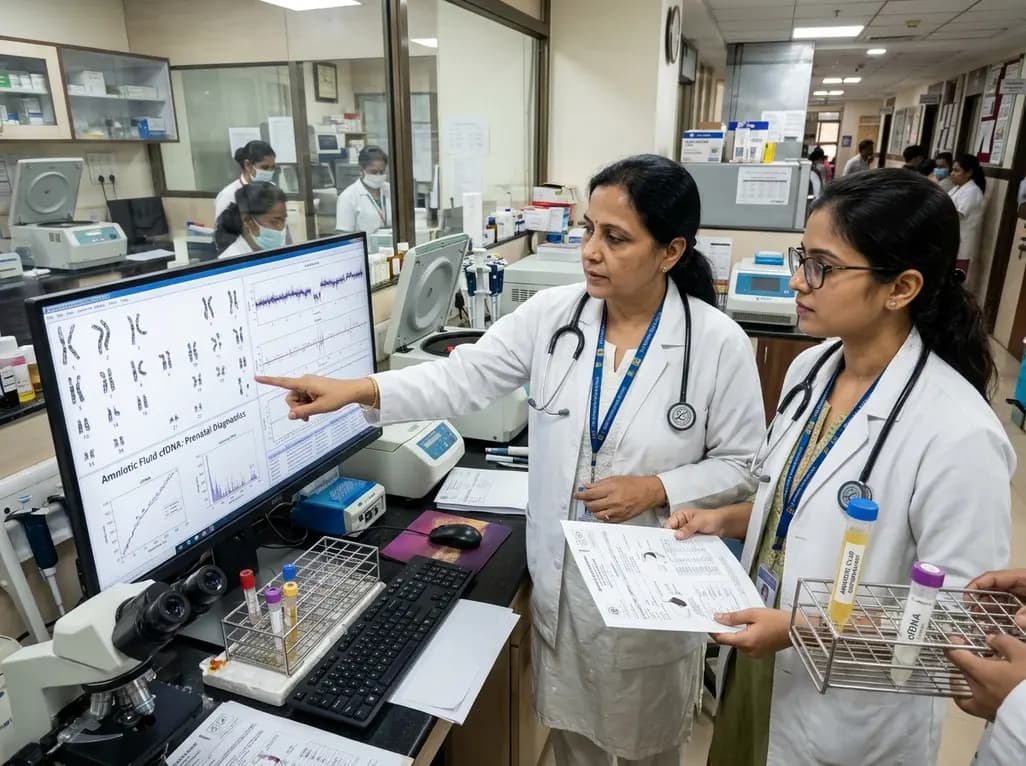
Amniotic fluid cell-free DNA offers a rapid alternative to cultured amniocytes in prenatal testing. With high yield, lack of maternal contamination, and full concordance across microarrays and exome sequencing, it dramatically cuts diagnostic turnaround time.
Today

A prospective phase IIa trial investigated TSG-01, an agent rich in secondary ginsenosides, for chronic heart failure in coronary artery disease. While NYHA functional class did not differ, TSG-01 significantly improved ejection fraction in digoxin-free patients with a favorable safety profile across all groups.
Today
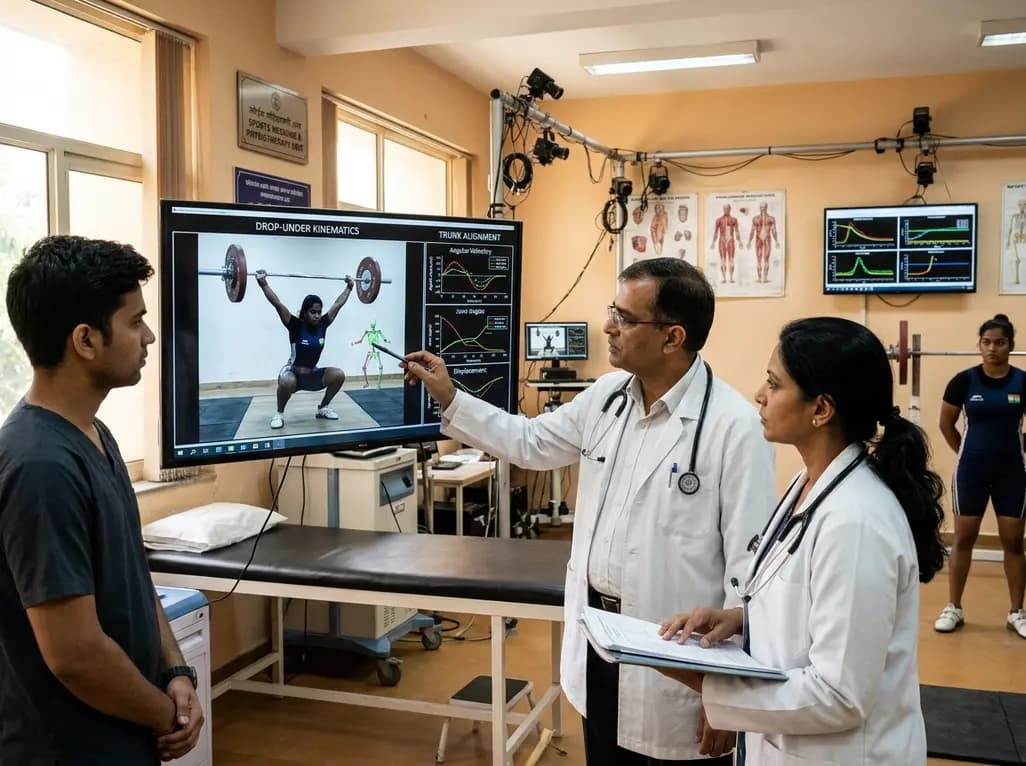
A systematic review of 15 studies and 574 competitive weightlifters establishes normative benchmarks for snatch drop-under kinematics, highlighting turnover speed, horizontal displacement, and trunk alignment to optimize performance and prevent overhead injuries.
Today

Knocking out the adipocyte ETB receptor attenuates high-fat diet-induced dyslipidemia, lowering LDL, cholesterol, and free fatty acids while preserving lipid oxidation gene expression in visceral adipose tissue.
Today
