.webp&w=384&q=75)

Loading, please wait...
Loading, please wait...
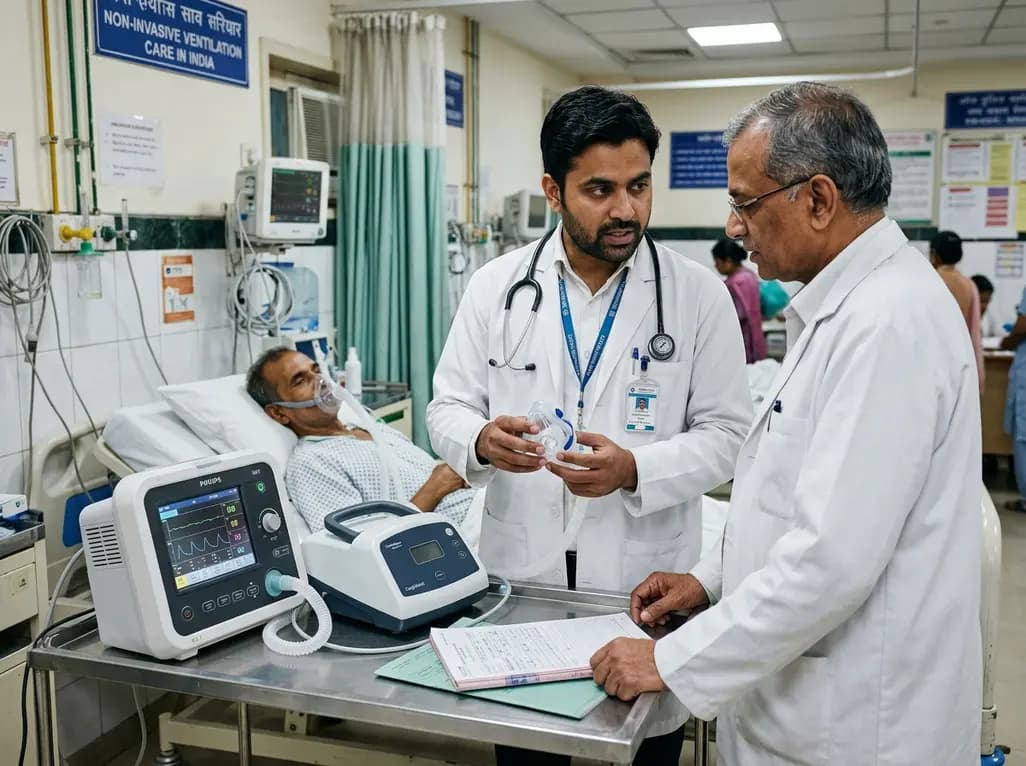
Modern medical advances have significantly transformed life expectancy for individuals with Duchenne muscular dystrophy. Historically, progressive respiratory failure caused early mortality during the second decade of life. Today, proactive protocols have redefined respiratory care in DMD, enabling many patients to live into their thirties and beyond. However, prolonged survival introduces complex clinical scenarios that pediatric frameworks cannot fully address. Specialized clinicians now manage extreme respiratory muscle weakness in adult cohorts. A recent retrospective single-center study analyzed 44 adult individuals aged 30 years and older who received respiratory physiotherapy. Notably, the median age reached 37 years, representing a mature population surviving with end-stage disease. As skeletal muscles deteriorate, complete loss of inspiratory and expiratory function ensues. Consequently, clinicians must implement specialized adult-focused monitoring pathways to preserve respiratory function. Understanding this late-stage trajectory helps multidisciplinary teams design tailored interventions that prevent acute decompensation. Therefore, clinicians must re-evaluate conventional monitoring approaches to support these medically fragile adults effectively.
Adult patients in advanced disease stages exhibit severe restrictive pulmonary limitations. In the evaluated adult cohort, the median vital capacity was only 275 mL. This value demonstrates the near-total loss of spontaneous inspiratory muscle power. Furthermore, unassisted cough peak flow dropped to 0 L/min across these individuals. Without sufficient expiratory airflow velocity, patients cannot clear basic secretions from their airway tree. Consequently, even mild upper respiratory viral illnesses cause life-threatening airway mucus plugging. Prolonged immobility and scoliosis exacerbate these restrictive defects by stiffening the thoracic cage. As a result, microatelectasis develops throughout dependent pulmonary zones, significantly diminishing parenchymal compliance. Moreover, severe hypoventilation produces progressive hypercapnia and nocturnal hypoxemia. Standard pulmonary function tests lose discriminatory power once vital capacity drops below 500 mL. Clinicians must therefore look beyond unassisted spirometry during clinical encounters. Incorporating assisted mechanical evaluations provides a more realistic assessment of real-time respiratory capacity. Recognizing these profound baseline deficits ensures that clinical teams initiate timely protective ventilatory interventions.
Lung volume recruitment serves as an essential therapy and diagnostic tool in advanced neuromuscular disease. During this procedure, clinicians deliver consecutive positive pressure breaths via a manual resuscitator bag or mechanical insufflator. The patient closes the glottis after each delivery to stack volumes before exhaling. In the retrospective study, lung volume recruitment achieved an impressive median insufflation volume of 1040 mL. This result represents a substantial fourfold improvement compared to baseline vital capacity. Additionally, assisted insufflation expanded cough peak flow from 0 L/min to a median of 150 L/min. Although 150 L/min remains slightly below optimal clearance goals, it significantly enhances mucus mobilization when combined with manual abdominal thrusts. Mechanistically, lung volume recruitment stretches chest wall tissues and expands poorly ventilated alveolar units. Furthermore, regular breath-stacking maintains thoracic cage range of motion, delaying progressive joint stiffness and contractures. Accordingly, therapists gain the ability to measure lung insufflation capacity reliably even in non-communicative or severely weakened patients. Incorporating this routine technique preserves pulmonary compliance and supports daily airway hygiene effectively.
Managing end-stage respiratory insufficiency requires consistent non-invasive mechanical support. Among the studied cohort, 95.5% of adult patients utilized non-invasive ventilation regularly. Moreover, 79.5% required continuous ventilatory support extending throughout both day and night. This finding confirms that continuous non-invasive ventilation offers a viable alternative to invasive tracheostomy for extended survival. Patients typically use nasal or full-face masks at night and switch to open mouthpiece circuits while awake. Concurrently, 95.5% of participants utilized mechanical insufflation-exsufflation to facilitate secretion clearance. Mechanical cough assist machines rapidly alternate between positive insufflation and negative exsufflation pressures. Consequently, this dynamic pressure gradient generates high expiratory airflow that evacuates peripheral secretions toward the pharynx. Family caregivers must receive rigorous operational training to operate cough assist machines during acute chest infections. Without aggressive daily clearance protocols, retained secretions quickly cause lobar collapse, respiratory exhaustion, and emergency hospitalizations. Therefore, combining non-invasive ventilation with mechanical cough augmentation forms the essential standard of care in advanced disease management.
Extended longevity in muscular dystrophy brings substantial secondary cardiorespiratory complications. In the reported cohort, 70.5% had a prior history of pneumonia, underscoring persistent infectious susceptibility. In addition, 29.5% experienced at least one episode of pneumothorax during follow-up. This striking incidence emphasizes alveolar fragility under chronic positive pressure ventilation. Subpleural blebs and stiff parenchymal architecture increase barotrauma risks during mechanical insufflation. Thus, clinicians must maintain high suspicion for pneumothorax whenever sudden chest pain or unexplained oxygen desaturation occurs. Simultaneously, progressive cardiomyopathy creates complex cardiopulmonary interactions. The cohort demonstrated a median left ventricular ejection fraction of 42%, reflecting moderate systolic dysfunction. Overall, 18.2% of individuals died during the study observation window, predominantly from cardiorespiratory collapse. Because cardiac and pulmonary failure progress together, multidisciplinary teams must balance ventilatory settings against cardiac preload and afterload. Furthermore, clinicians must avoid isolated supplemental oxygen therapy without ventilatory support, as it worsens hypercapnic respiratory arrest. Proactive cardiovascular management, timely vaccinations, and vigilant pulmonary monitoring together optimize outcomes in these complex patients.
Lung volume recruitment stacks successive inspiratory volumes to inflate the lungs beyond spontaneous capacity. Consequently, increased pulmonary volume stretches the chest wall and generates higher elastic lung recoil pressure. When patients or caregivers combine this elevated recoil pressure with an assisted abdominal thrust, expiratory air velocity increases significantly. Therefore, this maneuver raises peak cough flow above critical clearance thresholds, facilitating effective mobilization of retained tracheobronchial secretions and decreasing acute respiratory infections.
Adults with advanced neuromuscular disease experience chronic structural lung remodeling and microatelectasis. Furthermore, long-term exposure to positive pressure ventilation, coupled with high-pressure cough assistance, places mechanical stress on weakened alveoli. Chronic shallow breathing also promotes subpleural bleb formation in fibrotic pulmonary regions. Consequently, elevated transpulmonary pressures during mechanical insufflation or sudden coughing can rupture these fragile blebs. Clinicians must maintain heightened clinical vigilance because subtle signs like unilateral chest pain often indicate pneumothorax.
Clinicians should initiate nocturnal ventilatory support upon detecting sleep-disordered breathing, hypercapnia, or nocturnal hypoxemia. However, as diaphragmatic weakness progresses, daytime respiratory symptoms emerge, including dyspnea, fatigue, and cognitive slowing. When vital capacity falls below 500 mL or daytime arterial carbon dioxide levels remain elevated, daytime support becomes necessary. Clinicians typically introduce daytime mouthpiece ventilation alongside nocturnal nasal interfaces. Consequently, patients successfully maintain 24-hour non-invasive ventilation, avoiding emergency invasive tracheostomy while preserving verbal communication.
Disclaimer: This content is for informational and educational purposes only and does not constitute formal medical advice, diagnosis, or clinical guidelines. Clinicians must exercise independent judgment when managing complex neuromuscular respiratory complications. Refer to the latest local and national guidelines for clinical practice.
References

Read summarized clinical updates, watch expert medical content, and earn CME certifications right from your smartphone.
Open your smartphone camera to scan and install.





Discover key insights into respiratory care in DMD for adults aged 30 and older. Learn how lung volume recruitment, non-invasive ventilation, and mechanical cough assist manage profound restrictive decline, elevate peak cough flow, and mitigate critical complications like pneumonia and pneumothorax.
last month

As monsoon seasons elevate arboviral disease threats, Tamil Nadu has initiated an ICMR-monitored evaluation of the tetravalent dengue vaccine in Tenkasi district. Clinicians emphasize clinical monitoring, public prevention, and high-quality early pediatric care to reduce disease morbidity across endemic regions.
Today

Leucine Rich Bio has introduced South Asia's first comprehensive vaginal microbiome test, BugSpeaks. By profiling microbial dysbiosis, pathogens, and antimicrobial resistance, this next-generation diagnostic platform provides clinicians with deeper insights into recurrent infections, fertility, and reproductive health.
Today

Review how tailored exercise programs benefit frail older patients with heart failure. Explore pathophysiological mechanisms, individualized training prescriptions, and strategies to overcome adherence barriers in clinical practice.
Today

This comparative study evaluates posterior labral tears with and without glenohumeral instability, highlighting distinct demographic patterns, MRI underestimation in stable shoulders, and successful arthroscopic repair outcomes.
Today

A clinical study demonstrates that early intervention with tocilizumab, either as monotherapy or bridged with corticosteroids, achieves significant proptosis reduction and resolves active inflammation in treatment-naive thyroid eye disease.
Today
