.webp&w=384&q=75)

Loading, please wait...
Loading, please wait...

Traditional clinical risk management strategies have historically focused on identifying errors, analyzing adverse events, and rectifying failure points to prevent future harm. This defensive posture, often categorized as Safety-I, provides essential safeguards across ambulatory care settings. However, relying solely on error mitigation is insufficient to achieve optimal diagnostic excellence, especially when managing medically fragile youth. The emerging field of resilience engineering introduces Safety-II, an innovative framework focusing on how healthcare systems consistently succeed despite inherent variability and clinical uncertainty. Rather than analyzing system breakdowns exclusively, Safety-II examines everyday clinical operational adaptations that protect vulnerable patients from potential diagnostic mishaps. Recent qualitative investigations emphasize the critical value of examining successful outcomes in complex ambulatory environments. By understanding how healthcare providers, patients, and families collaboratively overcome obstacles, medical organizations can institutionalize proactive safety strategies. Applying these proactive principles to paediatric outpatient diagnosis allows multidisciplinary teams to identify system strengths and elevate standard clinical workflows. Children with medical complexity present unique diagnostic challenges due to overlapping symptom profiles, multisystem involvement, and complex therapeutic regimens. Evaluating successful daily adjustments offers valuable insights into maintaining diagnostic accuracy across busy outpatient clinics, ambulatory subspecialty practices, and community healthcare centres globally.
Children presenting with chronic complex conditions require continuous care coordination, precise diagnostic surveillance, and frequent multidisciplinary evaluations. In the demanding environment of paediatric outpatient diagnosis, clinicians routinely encounter fragmented communication channels, constrained appointment lengths, and incomplete longitudinal medical records. Despite these operational impediments, clinical teams consistently deliver accurate diagnostic evaluations by employing flexible problem-solving strategies and real-time clinical adjustments. Resilience engineering formalizes these adaptive behaviors into measurable system properties, acknowledging that frontline clinicians constantly adapt their practice to accommodate fluctuating clinical realities. Rather than viewing practice variations as compliance failures, Safety-II frameworks interpret mindful adaptations as necessary tools for maintaining system stability and clinical safety. For example, clinicians often adjust their communication styles, consultation schedules, or diagnostic workups based on parental feedback and subtle physiological cues. Recognizing these proactive adjustments enables healthcare leaders to support, rather than hinder, the flexible problem-solving capacities of their staff. When medical facilities encourage resilient behaviors, they foster an environment where clinical uncertainty is effectively managed through collaborative problem-solving. Consequently, integrating resilience concepts into outpatient pediatrics helps transform standard clinical guidelines into dynamic, highly adaptable systems capable of managing complex diagnostic presentations.
Parents and primary caregivers serve as critical pillars of diagnostic safety when navigating paediatric outpatient diagnosis for children with complex healthcare needs. Operating as intuitive historians, caregivers notice subtle physiological changes, functional regressions, or altered behavioral patterns long before these shifts become clinically overt. In complex outpatient scenarios, family members frequently exhibit proactive behaviors, such as maintaining comprehensive home health logs, tracking medication responses, and synthesizing input from multiple subspecialists. These parental adaptations bridge crucial information gaps, providing clinicians with invaluable context that direct clinical examinations might otherwise overlook during brief outpatient consultations. Furthermore, experienced caregivers often learn to advocate effectively within busy ambulatory systems, ensuring that urgent clinical changes receive prompt medical attention. When clinicians actively encourage parental engagement, they establish a collaborative partnership that significantly mitigates diagnostic delays and diagnostic misinterpretations. Recognizing parents as expert observers allows healthcare teams to incorporate longitudinal family observations directly into the diagnostic decision-making process. Systemically facilitating parental involvement through accessible communication channels, structured preparation tools, and patient portals empowers families to contribute meaningfully to diagnostic safety. Ultimately, honoring and integrating family-driven adaptations strengthens the overall diagnostic safety net across ambulatory clinical settings.
Pediatric healthcare providers routinely perform complex cognitive work while managing time constraints, administrative demands, and diagnostic ambiguity in busy outpatient clinics. To ensure accurate paediatric outpatient diagnosis, clinicians rely on flexible cognitive strategies, thorough review protocols, and informal peer consultations. They frequently cross-check historical data, re-evaluate working diagnoses when unexpected clinical developments arise, and seek secondary opinions from multidisciplinary colleagues. These informal professional network interactions represent vital resilient behaviors that compensate for administrative delays or systemic resource constraints. Furthermore, adaptive clinicians often modify standard clinical encounters by carving out additional time for complex history taking or arranging early follow-up appointments. Modern health systems can support these clinician-led adaptations by implementing supportive scheduling models, intuitive electronic health records, and streamlined interprofessional communication pathways. When healthcare institutions recognize the value of clinical flexibility, they design infrastructure that accommodates necessary adaptive behaviors rather than enforcing rigid, counterproductive administrative mandates. Facilitating clinician autonomy and collaborative diagnostic review reduces cognitive burden while improving clinical precision. By studying how clinicians successfully navigate operational barriers, clinical managers can refine system workflows, ensuring that frontline staff possess the structural resources required to maintain diagnostic excellence under variable clinical demands.
For resilience engineering principles to flourish within ambulatory environments, healthcare organizations must cultivate structural properties that promote systemic adaptability and psychological safety. Fostering a supportive institutional culture allows healthcare workers and family members to raise diagnostic concerns without fear of administrative reprisal or dismissal. Robust organizations establish clear communication channels that connect primary care pediatricians, subspecialists, allied health professionals, and emergency department teams. This seamless information exchange ensures critical diagnostic findings are transmitted rapidly across care transitions, mitigating the risk of diagnostic oversight. Additionally, resilient organizations invest in continuous learning systems that analyze successful clinical outcomes alongside diagnostic failures, gathering comprehensive operational insights. Implementing flexible operational protocols enables clinical units to redistribute workloads dynamically during peak demand, protecting clinicians from cognitive fatigue during critical diagnostic evaluations. Providing adequate administrative time for comprehensive record reviews and interdisciplinary conferences further strengthens institutional diagnostic capacity. When healthcare leaders prioritize organizational resilience, they build durable systems capable of absorbing operational stress without compromising patient safety. Elevating systemic adaptabilities ensures that paediatric outpatient diagnosis remains accurate, safe, and family-centered across diverse clinical healthcare environments.
Operationalizing Safety-II frameworks within routine paediatric outpatient diagnosis requires a intentional shift in clinical risk management and quality improvement initiatives. Healthcare leaders must complement traditional root cause analyses with systematic inquiries into daily clinical successes, identifying factors that consistently yield positive outcomes. Quality improvement teams can conduct observational studies and structured interviews to document how resilient behaviors prevent diagnostic errors during routine care encounters. These findings can then inform clinical training programs, medical education curricula, and institutional policy design, reinforcing effective safety behaviors across all provider levels. Moreover, healthcare systems should refine clinical performance metrics to reward proactive safety adaptations, effective teamwork, and meaningful patient engagement. Empowering clinical staff to co-design operational workflows ensures that electronic health records, scheduling tools, and referral processes facilitate rather than obstruct flexible clinical decision-making. As ambulatory care environments grow increasingly complex, adopting a balanced approach that combines error analysis with resilience engineering becomes essential for sustaining diagnostic excellence. By recognizing, supporting, and scaling adaptive behaviors among clinicians and families, pediatric practices can establish robust diagnostic systems capable of serving children with medical complexity safely and effectively.
Safety-I focuses primarily on identifying, analyzing, and preventing medical errors and adverse events. Conversely, Safety-II emphasizes understanding how everyday healthcare operations successfully adapt to manage complexity. While Safety-I aims to minimize failures, Safety-II actively seeks to maximize successful clinical outcomes by analyzing and reinforcing resilient system behaviors and adaptations.
Family members act as critical diagnostic partners by maintaining detailed health records, recognizing subtle clinical changes, and summarizing advice from multiple subspecialists. Their proactive observations provide valuable contextual details that help clinicians make accurate diagnostic decisions, bridge communication gaps across care transitions, and avoid potential diagnostic delays in complex pediatric conditions.
Organizations can enhance diagnostic resilience by fostering open communication, supporting flexible scheduling for complex cases, and creating accessible channels for interdisciplinary collaboration. Establishing psychological safety, streamlining electronic health record workflows, and analyzing routine clinical successes alongside adverse events help healthcare systems build robust infrastructure capable of sustaining high-quality diagnostic performance.
Disclaimer: This content is for informational and educational purposes only and does not constitute medical advice. Healthcare professionals must exercise independent clinical judgment and verify information with primary medical literature and established practice standards. Refer to the latest local and national guidelines for clinical practice.
References
Cifra CL et al. Beyond 'diagnostic error': an ethnography of resilient behaviours and system adaptations in paediatric outpatient diagnosis. BMJ Qual Saf. 2026 Aug 11. doi: undefined. PMID: 42581009.
Hollnagel E, Wears RL, Braithwaite J. From Safety-I to Safety-II: A White Paper. The Resilient Health Care Net: University of Southern Denmark, University of Florida, Macquarie University; 2013.
National Academies of Sciences, Engineering, and Medicine. Improving Diagnosis in Health Care. Washington, DC: The National Academies Press; 2015.

Read summarized clinical updates, watch expert medical content, and earn CME certifications right from your smartphone.
Open your smartphone camera to scan and install.





Safety-II frameworks and resilience engineering highlight how adaptive clinical behaviors and robust organizational workflows enhance safety in paediatric outpatient diagnosis for children with medical complexity.
last month
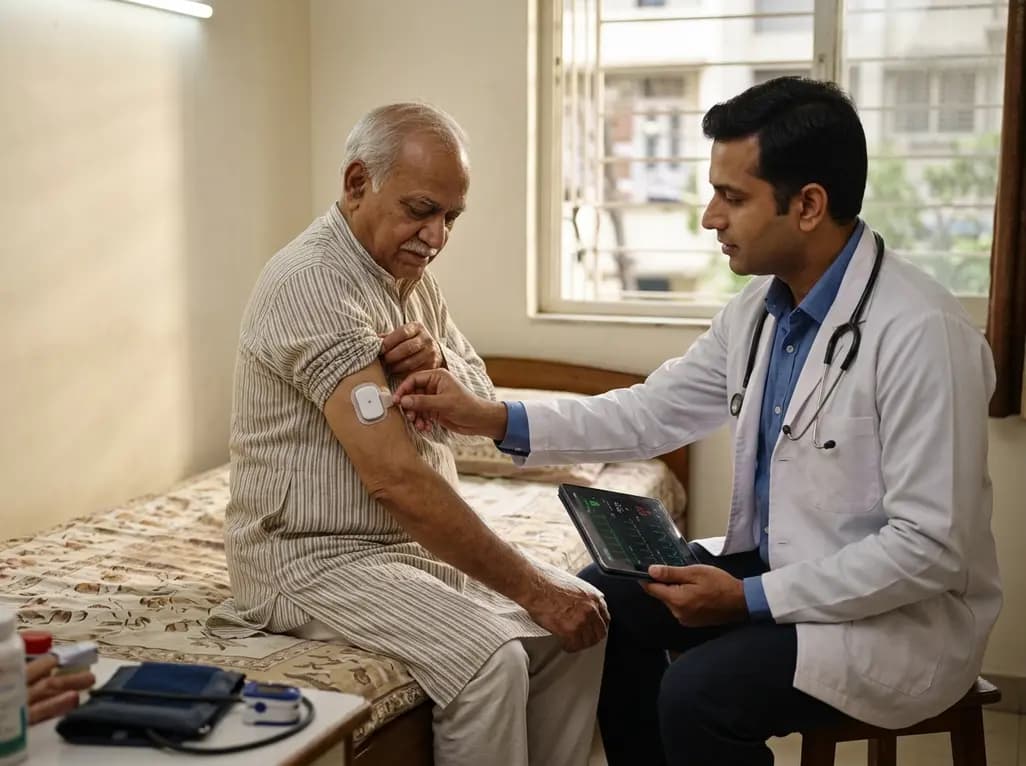
A feasibility study evaluates remote vital sign monitoring in acute hospital at home patients. Continuous wearable patches captured heart rate and respiratory rate with high adherence (89% and 75%), significantly exceeding manual spot checks for blood pressure, oxygen saturation, and temperature.
Today

A scoping review evaluates 116 studies on AI in women's reproductive health, finding that 83.6% carry high risk of bias. While ensemble models show promise, disparities and lack of validation hinder LMIC deployment.
Today
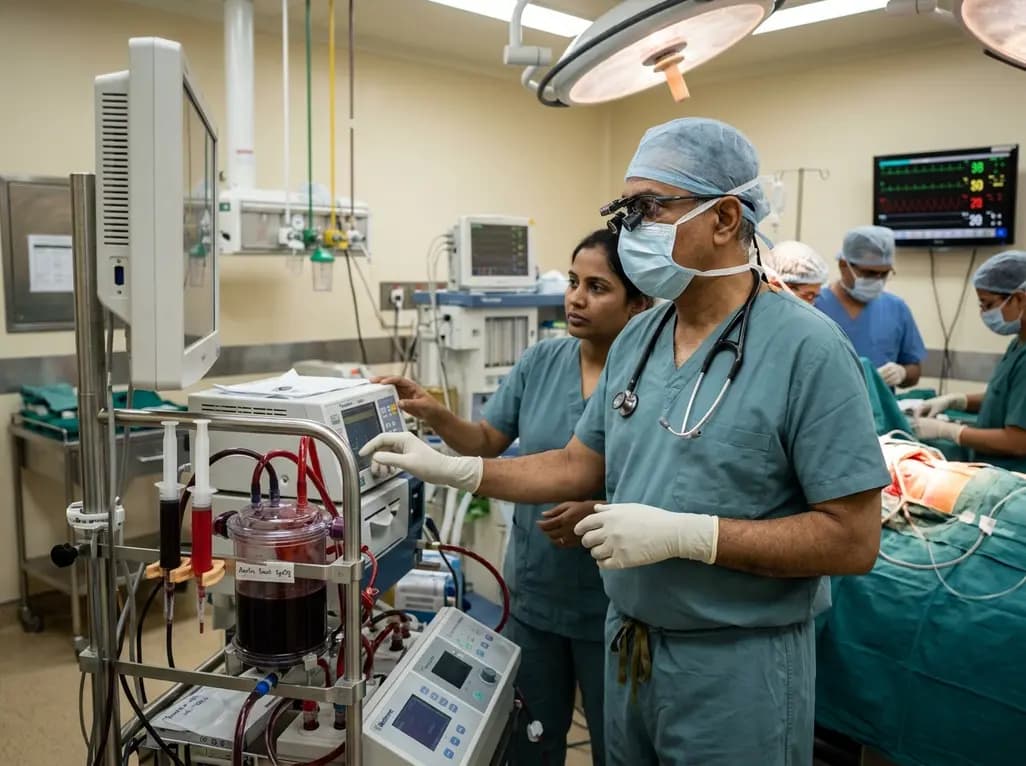
Differential oxygenation during peripheral TA-NRP can cause undetected coronary hypoxemia due to arch vessel clamping. A novel circuit with continuous aortic root monitoring detects desaturation early, facilitating left ventricular unloading and preventing allograft dysfunction and unnecessary heart discard.
Today
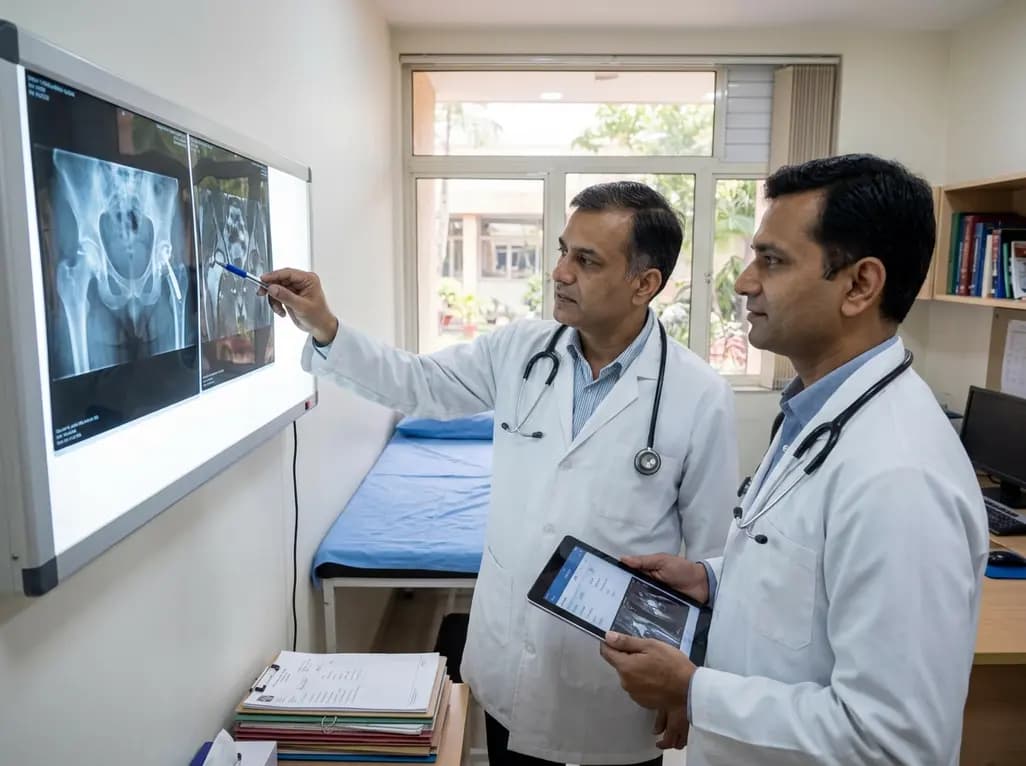
A longitudinal study reveals that patients undergoing staged bilateral hip arthroscopy experience progressive contralateral labral deterioration during surgical intervals. However, structural degradation does not compromise 2-year postoperative clinical outcomes or patient-reported satisfaction scores.
Today
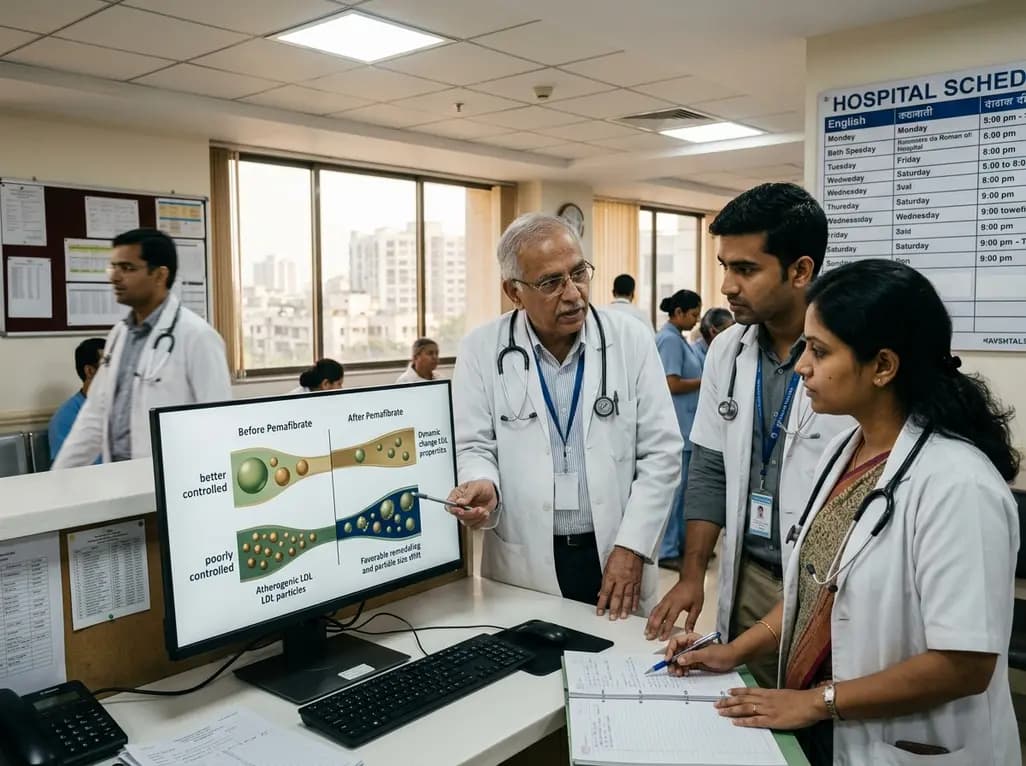
A post hoc analysis of the PARM-T2D study shows pemafibrate exerts baseline-dependent effects on LDL-C and particle size in type 2 diabetes and hypertriglyceridemia. It lowers triglycerides and remnants while favorably remodeling atherogenic LDL particles based on initial lipid control status.
Today
