.webp&w=384&q=75)

Loading, please wait...
Loading, please wait...

The Regulatory T-cells Nobel Prize recognition honors the discovery of the immune system's essential security guards. Mary Brunkow, Fred Ramsdell, and Shimon Sakaguchi received this prestigious award for identifying how our bodies maintain peripheral immune tolerance. Consequently, their groundbreaking research explains why most people do not develop life-threatening autoimmune conditions. This discovery has fundamentally changed our understanding of immunology over the last three decades.
Shimon Sakaguchi made the initial breakthrough in 1995 by identifying a specific class of immune cells. These cells, now known as regulatory T-cells (Tregs), prevent the immune system from attacking healthy tissues. Furthermore, Sakaguchi demonstrated that removing these cells leads to systemic autoimmunity in animal models. This finding provided the first clear evidence of a dedicated suppressor cell population within the complex immune architecture. Therefore, his work established the foundation for modern tolerance research.
In 2001, Mary Brunkow and Fred Ramsdell identified the genetic master switch for these protective cells. They discovered that a mutation in the Foxp3 gene caused severe autoimmune symptoms in mice. Moreover, they successfully linked this discovery to a rare but devastating human disease called IPEX syndrome. This vital connection proved that Foxp3 remains essential for the development and function of regulatory T-cells in humans. Additionally, it highlights how single-gene mutations can disrupt entire immune regulatory networks.
Medical researchers are now utilizing these findings to develop revolutionary treatments. For instance, doctors hope to manipulate regulatory T-cells to cure autoimmune diseases like multiple sclerosis and type 1 diabetes. In addition, these insights help scientists improve cancer immunotherapy by modulating immune suppression. Although challenges remain in drug delivery, the field continues to expand rapidly toward clinical application. Ultimately, this Nobel-winning work provides a roadmap for balancing immune responses in diverse clinical settings.
Q1: What are regulatory T-cells and why are they important?
Regulatory T-cells, or Tregs, are specialized immune cells that act as security guards. They suppress overactive immune responses and prevent the body from attacking its own healthy tissues, thereby maintaining immune balance.
Q2: How does the Foxp3 gene relate to the 2026 Nobel Prize?
The Foxp3 gene acts as the master regulator for the development of regulatory T-cells. The laureates discovered that mutations in this gene lead to severe autoimmune disorders, proving its essential role in human health.
Q3: What diseases could be treated using this Nobel-winning research?
This research paves the way for better treatments for autoimmune diseases, improved cancer immunotherapy, and the prevention of complications in stem cell transplant recipients.
Disclaimer: This content is for informational and educational purposes only. It does not constitute medical advice or replace professional judgment. Refer to the latest local and national guidelines for clinical practice.
References

Read summarized clinical updates, watch expert medical content, and earn CME certifications right from your smartphone.
Open your smartphone camera to scan and install.





The 2026 Nobel Prize in Medicine honors the discovery of regulatory T-cells and the Foxp3 gene, paving the way for new autoimmune and cancer treatments....
5 months ago

A large NHANES cohort study reveals that higher Healthy Eating Index scores significantly reduce all-cause mortality risk in CKD patients by 45%. This analysis highlights the importance of comprehensive diet quality and medical nutrition therapy in renal care to optimize long-term clinical survival.
Today

Explore real-world data showing how private oncogenetics and molecular tumor boards achieve 3-week consult turnaround, high ctDNA actionability, and vital germline variant detection, enhancing individualized cancer care and familial risk assessment.
Today
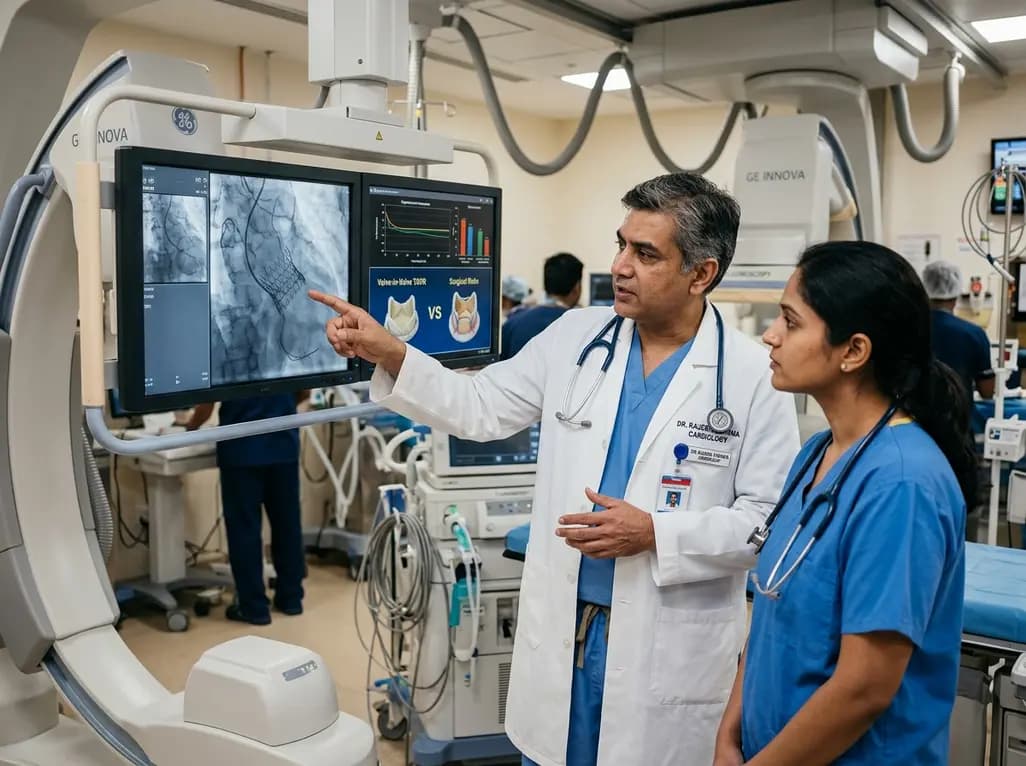
A meta-analysis of 13 propensity score-matched studies shows ViV-TAVR delivers lower early mortality and reduced bleeding compared to redo-SAVR for degenerated bioprosthetic aortic valves, though long-term hemodynamics warrant careful anatomical and patient-centered evaluation.
Today
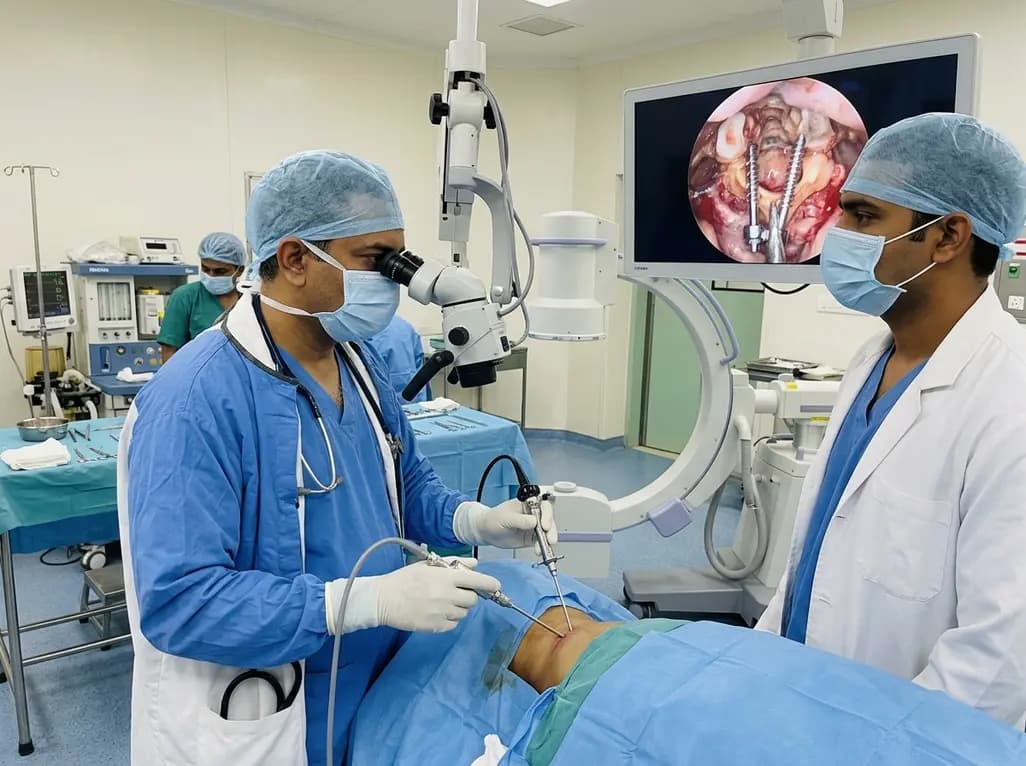
Endoscopic posterior cervical fusion combines minimally invasive decompression, joint preparation, and rigid screw-rod fixation for atlantoaxial pathologies. Early clinical findings demonstrate solid bony union, excellent symptom relief, and minimal soft-tissue morbidity without significant vascular compromise.
Yesterday

The All-India Food Processors' Association has approached the Supreme Court to oppose FSSAI's proposed per-100g benchmark for front-of-pack warning labels, advocating instead for a per-serving threshold. We explore the regulatory showdown, nutritional evidence, and implications for clinical lifestyle counseling.
Today
