.webp&w=384&q=75)

Loading, please wait...
Loading, please wait...
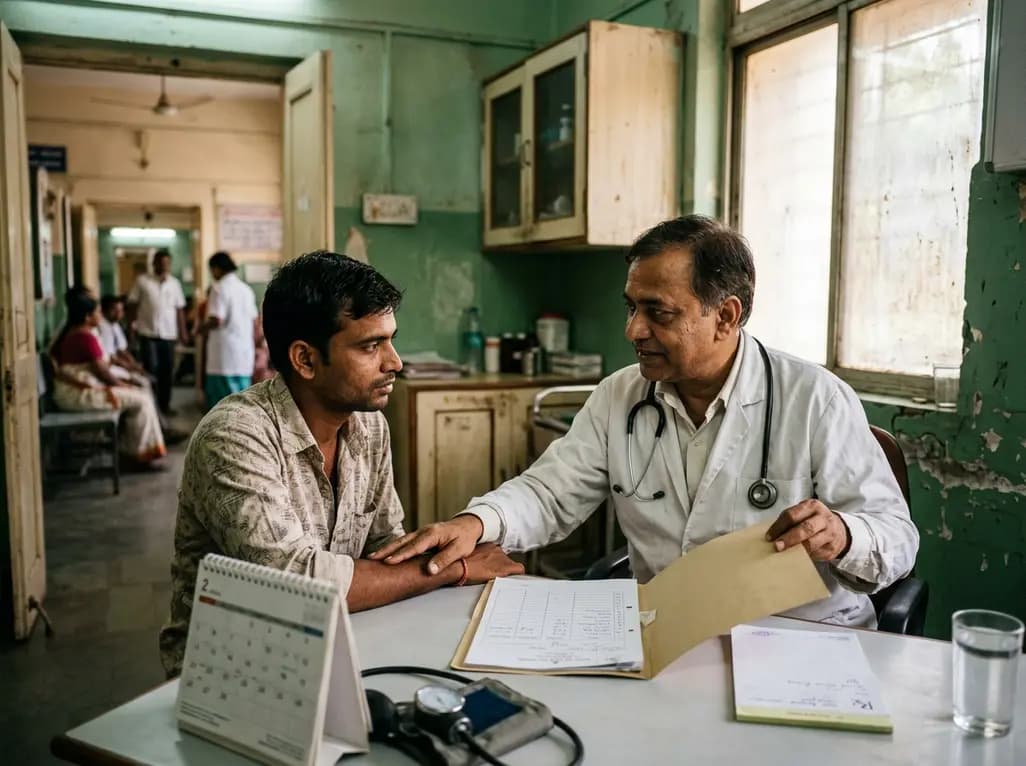
The fight against tuberculosis requires vigilant follow-up even after patients complete therapy. Managing recurrent tuberculosis remains a critical challenge for clinicians across India. Historically, healthcare systems celebrate treatment completion as the definitive cure. However, recent scientific evidence indicates that many individuals face significant relapse risks shortly after stopping medications. Tuberculosis continues to impose a severe disease burden in high-incidence nations. Although national programmes have reduced overall incidence, post-treatment disease recurrence threatens these vital epidemiological gains. Consequently, medical practitioners must recognise that microbiological clearance at six months does not guarantee permanent disease eradication. Furthermore, close household contacts remain vulnerable to secondary transmission when survivors experience undetected relapses. Therefore, clinicians must maintain active surveillance beyond the standard treatment regimen. Additionally, underlying comorbidities such as malnutrition, diabetes mellitus, and chronic tobacco use frequently compromise host immunity. As a result, treated individuals remain susceptible to both endogenous reactivation and exogenous reinfection. Primary care physicians therefore occupy a front-line role in identifying early warning signs among previously cured individuals. This strategic vigilance prevents irreversible lung injury and curbs community spread across vulnerable populations.
The landmark TB Aftermath (TBAM) study investigated post-treatment trajectories among patients in Maharashtra. Researchers published their findings in the prestigious journal Lancet Global Health. Specifically, the extensive study followed 1,076 TB survivors and 3,309 household contacts for 18 months. Investigators monitored participants across six government health facilities in rural and urban Pune. The team documented recurrent disease in 75 survivors, representing seven percent of the surveyed cohort. In addition, healthcare workers identified active infection in 30 household contacts, establishing a one percent secondary attack rate. These clinical observations demonstrate that post-cure morbidity occurs frequently in routine primary care. Moreover, the study highlights the significant epidemiological reservoir present within patient households. Lead researchers from Johns Hopkins University and Dr. D. Y. Patil Medical College emphasized these critical risks. Ultimately, the trial demonstrates that patient care must extend well beyond standard microbiological cure definitions. Furthermore, the collaborative data underscores that post-treatment monitoring must become a standardized standard of care across India. Health systems must now design structured surveillance protocols to track these vulnerable survivor groups effectively.
Timing plays a pivotal role in detecting recurrent disease before irreversible structural damage occurs. In the TBAM trial, the median time to recurrence diagnosis was less than six months. Consequently, the early post-treatment interval represents the most vulnerable window for disease relapse. When clinicians miss recurrent disease, patients endure prolonged respiratory inflammation and progressive structural lung destruction. Furthermore, delayed diagnosis permits ongoing airborne transmission within enclosed domestic settings. Therefore, physicians should schedule targeted follow-up evaluations within three to six months following treatment completion. Clinicians should systematically assess patients for persistent cough, unexplained weight loss, night sweats, and intermittent low-grade fever. However, practitioners must also remember that recurrent disease can present with subtle or single symptoms. For instance, some patients present solely with mild exertional dyspnoea or localized chest pain. Thus, routine screening during this six-month window enables timely therapeutic interventions. Additionally, healthcare facilities should integrate routine digital radiography and rapid molecular assays during these early reviews. By focusing clinical attention on the initial six months, practitioners can intercept treatment failures promptly.
Evaluating optimal screening modalities is essential for scaling post-treatment interventions in resource-constrained environments. The TBAM study carefully compared home-based outreach with telephonic screening methodologies. Interestingly, researchers discovered that home-based visits detected recurrent tuberculosis cases significantly more effectively among survivors. In-person clinical assessments allow healthcare providers to perform thorough physical examinations and directly evaluate household contacts. However, telephone screening demonstrated strong utility for broad community coverage and triage efficiency. Telephonic outreach offers a scalable, low-cost approach for monitoring vast rural populations. Consequently, many experts advocate a tiered surveillance framework combining digital check-ins with targeted in-person clinical visits. Community health workers can conduct home evaluations for high-risk patients while monitoring stable individuals remotely. Furthermore, field staff can deliver sputum collection containers directly to symptomatic households during home screening visits. This active approach removes significant transportation barriers for impoverished families. As a result, hybrid outreach models substantially improve diagnostic compliance in both urban slums and remote rural areas. Therefore, health authorities can leverage hybrid models to maximize diagnostic precision while optimizing valuable public health resources.
The study revealed significant clinical insights regarding extrapulmonary disease and chronic pulmonary impairment. Researchers noted a prominent contribution of prior extrapulmonary tuberculosis among patients who developed recurrent disease. Notably, individuals with previous extrapulmonary involvement frequently exhibited altered baseline lung function tests before clinical relapse. Even though the primary transmission route remains respiratory, mycobacteria can disseminate silently across diverse anatomical compartments. Furthermore, surviving tuberculosis often leaves patients with permanent anatomical sequelae, including bronchiectasis, fibrocavitary scarring, and chronic airflow obstruction. Consequently, many individuals experience ongoing breathlessness despite achieving microbiological cure. Post-tuberculosis lung disease significantly impairs functional exercise tolerance and overall quality of life. Therefore, comprehensive survivor care must integrate baseline spirometry and targeted pulmonary rehabilitation. Clinicians must not dismiss recurring respiratory symptoms as mere residual scarring without performing fresh microbiological testing. In addition, treating physicians should promptly rule out active mycobacterial replication whenever lung function deteriorates unexpectedly. Moreover, healthcare practitioners should aggressively treat co-existing bronchiectasis and secondary bacterial superinfections. Smoking cessation and prompt nutritional interventions also strengthen systemic immunity against recurrent pathogen reactivation. Such multidisciplinary post-TB management ensures long-term pulmonary preservation for all survivors.
India has achieved commendable progress in its ambitious national campaign against tuberculosis. National estimates reveal that TB incidence declined from 237 per lakh in 2015 to 187 per lakh in 2024. Similarly, disease-related mortality dropped from 28 to 21 per lakh during the same timeframe. However, achieving absolute elimination requires aggressive containment of post-treatment relapses and household transmission. Clinicians in private and public practice must align their clinical protocols with the National Tuberculosis Elimination Programme guidelines. First, doctors should mandate scheduled follow-up visits at 6, 12, 18, and 24 months post-cure. Second, teams must implement proactive contact tracing for all household members whenever a patient experiences relapse. Third, clinicians should utilize rapid molecular tests, such as NAAT or CBNAAT, to detect drug resistance early. Additionally, providers should prescribe tuberculosis preventive treatment to eligible asymptomatic contacts per national protocols. Moreover, routine nutritional support through schemes like Ni-kshay Poshan Yojana should extend to vulnerable survivors during recovery. Health systems must also educate patients about early relapse symptoms before discharging them from active care. Consequently, continuous clinical vigilance will protect vulnerable communities and accelerate India's journey toward a tuberculosis-free future.
Q1: Why is recurrent tuberculosis common within six months of treatment completion?
Recurrence often happens within six months due to either endogenous reactivation of dormant persistent bacilli or rapid exogenous reinfection. During this early recovery phase, residual lung tissue damage, compromised systemic immunity, and ongoing exposure to infected household contacts significantly elevate risk. Therefore, close post-treatment surveillance during the first six months is critical to identify relapse before extensive pulmonary tissue destruction occurs.
Q2: How does home-based screening compare to telephonic monitoring for TB survivors?
Home-based screening offers superior diagnostic sensitivity for detecting recurrent disease because healthcare workers evaluate symptoms directly and inspect physical living conditions. Conversely, telephonic monitoring provides a highly scalable, cost-effective method to maintain regular contact across large geographical areas. Consequently, experts recommend hybrid models that combine digital telephone check-ins with targeted home visits for symptomatic survivors and high-risk household contacts.
Q3: What diagnostic steps should doctors take when a cured TB patient develops respiratory symptoms?
Clinicians should never assume new respiratory symptoms are merely chronic post-TB lung fibrosis. Instead, practitioners must promptly obtain sputum samples for rapid molecular testing, such as cartridge-based nucleic acid amplification tests, to detect active infection and rifampicin resistance. Additionally, doctors should perform chest radiography and baseline spirometry to evaluate structural progression, differentiating active recurrent disease from secondary bacterial infections or bronchiectasis.
Disclaimer: This content is for informational and educational purposes only. It does not constitute medical advice or replace professional judgment. Refer to the latest local and national guidelines for clinical practice.
References

Read summarized clinical updates, watch expert medical content, and earn CME certifications right from your smartphone.
Open your smartphone camera to scan and install.





The Lancet Global Health published the Pune TB Aftermath study showing a 7% recurrence rate among treated patients, mostly within six months. Experts urge structured post-treatment surveillance to prevent lung impairment, detect early relapses, and protect household contacts across Indian healthcare settings.
last month
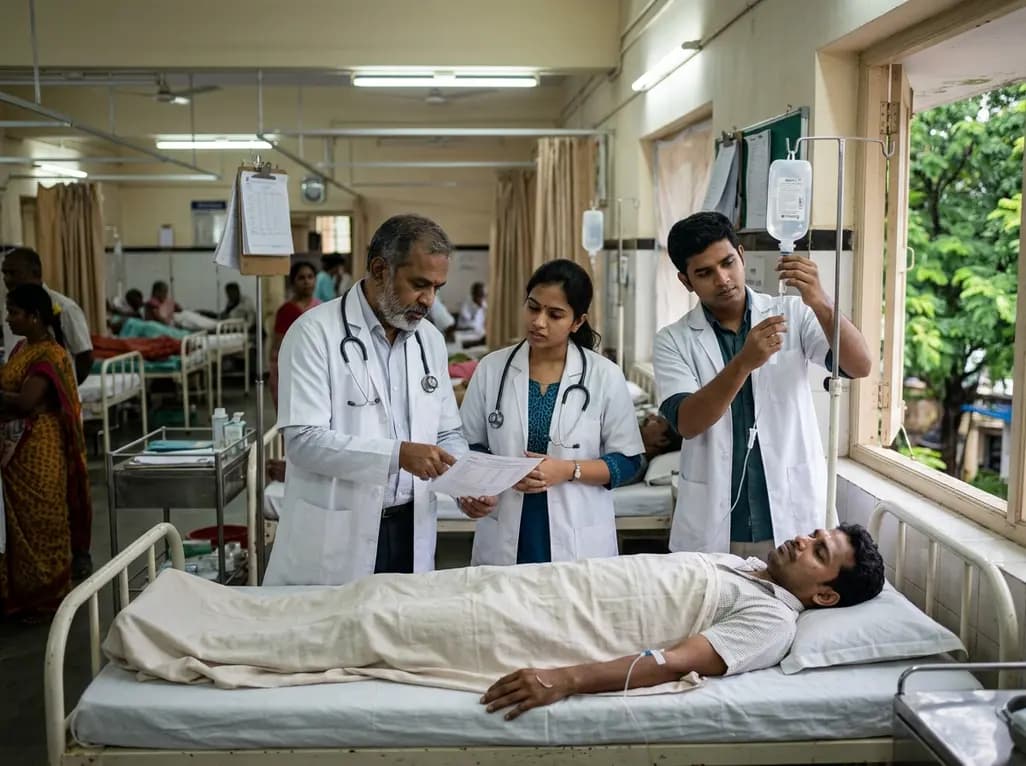
With post-monsoon dengue surges threatening South Asian health systems, physicians must refine triage and management. This guide covers vital warning signs, plasma leakage detection, crystalloid titration, and vector containment strategies to prevent mortality during seasonal arboviral epidemics.
Today
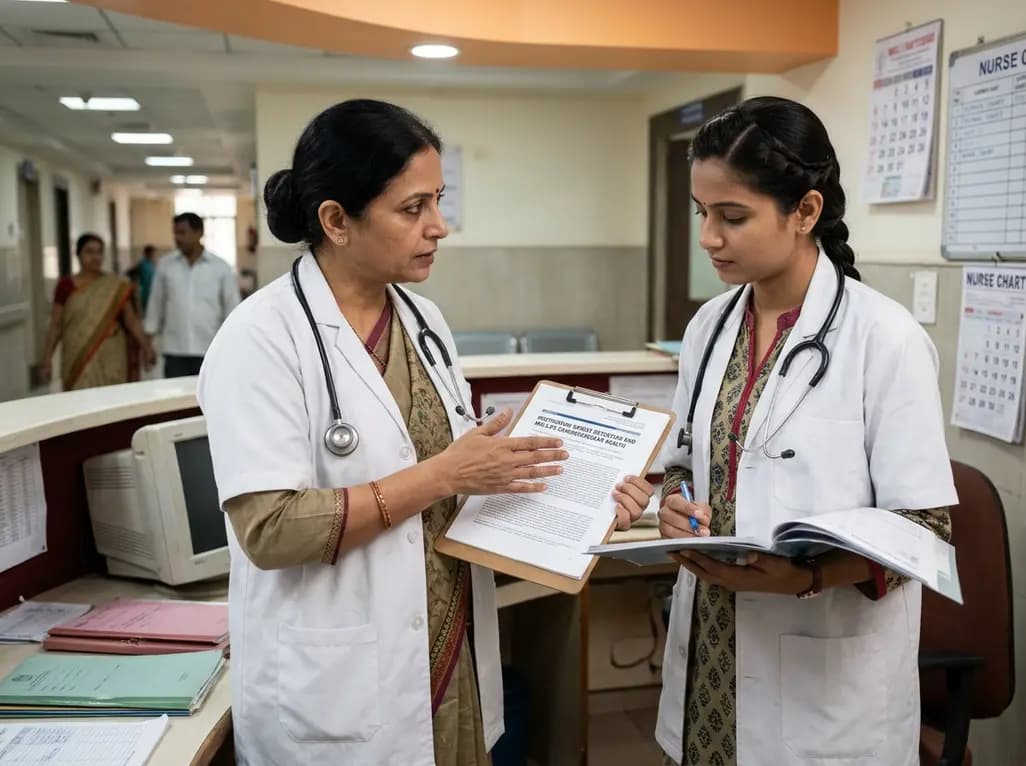
Findings from Project Viva indicate that sustained postpartum weight retention, rather than excessive gestational weight gain alone, directly worsens women's mid-life cardiovascular health, degrading blood pressure and glycemic parameters decades after delivery.
Today
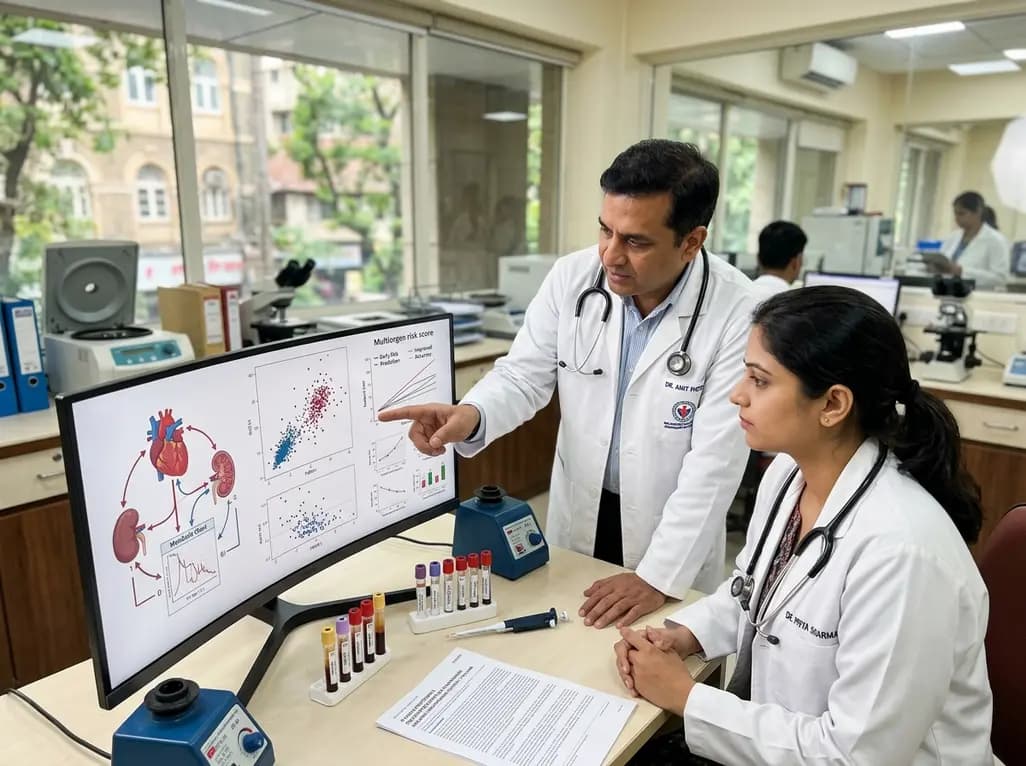
A large UK Biobank study reveals that plasma proteomic signatures capture preclinical organ damage and improve multiorgan risk prediction across early CKM syndrome stages 0 to 2 beyond traditional PREVENT clinical models.
Today
A retrospective CBCT study reveals that superior TMJ space asymmetry correlates moderately with occipital condyle-atlas-axis asymmetry in unilateral TMJ osteoarthritis, highlighting an imaging correlate between jaw biomechanics and upper cervical alignment rather than a standalone diagnostic marker.
Today
A Bayesian multilevel meta-analysis reveals that aerobic training combined with moderate carbohydrate restriction modestly lowers HbA1c in type 2 diabetes. However, sparse data and very low certainty leave incremental benefits over exercise or diet alone unproven, highlighting the need for individualized care.
Today
