

Loading, please wait...
Loading, please wait...
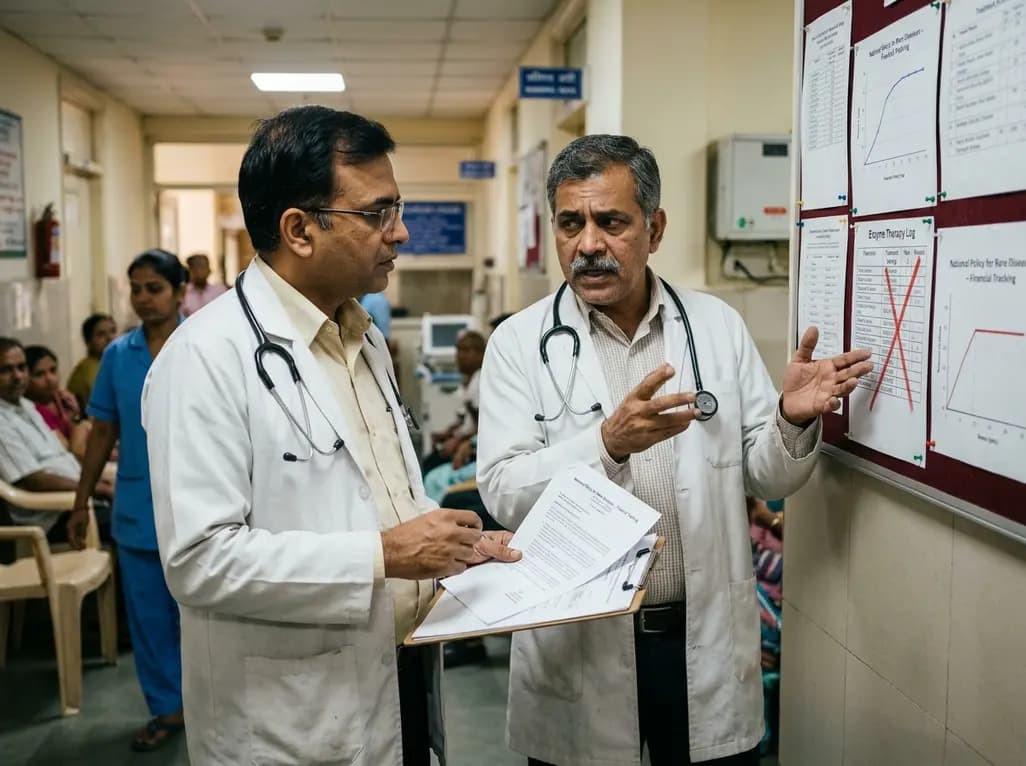
India currently faces a significant healthcare dilemma regarding hereditary metabolic conditions. In fact, families across the country struggle to secure uninterrupted care for severe genetic disorders. Consequently, patient advocacy groups are appealing to the Prime Minister to reform rare disease treatment funding. Without rapid institutional intervention, vulnerable children risk losing life-saving therapies that maintain organ function.
Recent appeals from patient advocacy groups highlight a severe breakdown in therapeutic access across India. Specifically, the Lysosomal Storage Disorders Support Society alerted health authorities regarding 164 patients who have exhausted their financial reserves. Under the National Policy for Rare Diseases, eligible families initially received financial grants capped at Rs 50 lakh per patient. However, this one-time allocation proves inadequate for lifelong genetic conditions.
A substantial majority of these affected individuals suffer from progressive conditions like Gaucher and Pompe disease. Furthermore, many of these patients are young children between two and five years old. These young toddlers demonstrated remarkable developmental and motor progress while receiving regular clinical care. Unfortunately, reaching the prescribed financial ceiling abruptly terminated their subsidized medications.
Therefore, designated Centres of Excellence cannot dispense additional drug vials without fresh monetary approvals. Families now face astronomical out-of-pocket expenses that far exceed average household incomes. Consequently, patient representatives are requesting immediate interim relief from the government to bridge the financial gap. They argue that arbitrary fiscal thresholds should never compromise ongoing clinical management. Thus, clinicians must recognize how fiscal exhaustion abruptly reverses years of therapeutic success.
Lysosomal storage disorders arise from inherited genetic mutations that impair critical catalytic enzymes. Consequently, cellular lysosomes accumulate toxic metabolic substrates throughout various organ systems. For instance, pediatric patients with Gaucher disease experience severe hepatosplenomegaly, persistent cytopenias, growth failure, and agonizing skeletal crises. Similarly, infantile-onset Pompe disease causes progressive cardiac enlargement and severe muscular weakness.
Fortunately, modern biopharmaceuticals provide targeted enzyme replacement therapies that systematically clear stored substrates. These regular infusions dramatically reduce visceral organomegaly and restore physical endurance. However, enzyme replacement does not cure the underlying genetic defect. Therefore, pediatric patients require continuous, life-sustaining bi-weekly infusions throughout their entire lives.
When hospital pharmacies pause treatment due to budget caps, clinical regression occurs swiftly. In fact, toxic substrates rapidly reaccumulate within hepatic, splenic, and muscular tissues. Affected children frequently suffer severe abdominal swelling, spontaneous internal bleeding episodes, and incapacitating bone pain. Moreover, respiratory muscle weakness can precipitate life-threatening pulmonary complications within a few weeks. Because secondary organ damage often becomes irreversible, treatment holidays present catastrophic clinical hazards. Consequently, clinicians must closely monitor these vulnerable children while urgently advocating for rapid therapeutic continuation.
The Union Ministry of Health and Family Welfare introduced the National Policy for Rare Diseases in 2021. This landmark framework categorized disorders into three distinct management groups. Group 1 encompasses conditions curable through one-time procedures, including hematopoietic stem cell transplants. Meanwhile, Group 2 comprises disorders managed through specialized dietary regimens or lifestyle modifications.
Group 3 covers diseases requiring definitive, lifelong therapies with exceptionally high recurrent costs. Initially, financial assistance was tightly restricted across these administrative categories. Subsequent policy revisions expanded the financial grant up to Rs 50 lakh for all registered rare conditions. The government disburses these funds through notified tertiary government hospitals designated as Centres of Excellence.
Nevertheless, the operational structure contains a fundamental systemic limitation. The policy inherently treats financial support as a finite, one-time grant rather than a sustainable healthcare programme. Consequently, patients who exhaust their initial allocation have no formal statutory pathway for monetary replenishment. Although digital crowdfunding platforms were envisioned, voluntary public contributions have remained extremely minimal. Furthermore, state health departments rarely provide parallel budgets for costly orphan drugs. As a direct result, treating physicians find themselves constrained by bureaucratic rules despite proven clinical efficacy.
The constitutional right to life and health has driven significant judicial intervention across India. Notably, several distressed families approached the Delhi High Court seeking sustainable therapeutic access for their ailing children. In landmark rulings, the High Court directed health authorities to ensure continuous treatment funding beyond the statutory ceiling. Furthermore, the court mandated the establishment of a dedicated national fund to prevent catastrophic therapy interruptions.
However, the central health ministry subsequently contested aspects of these expansive judicial directives. Consequently, the legal dispute transitioned to the Supreme Court of India for final constitutional adjudication. While the apex court evaluates long-term fiscal implications and policy frameworks, proceedings remain sub judice. Unfortunately, formal legal timelines continue to stretch across multiple months.
Meanwhile, rare disease advocacy groups stress that progressive biological diseases cannot pause for judicial verdicts. A procedural delay of even several weeks can produce irreversible organ damage or death in fragile infants. Therefore, patient representatives are urging the central executive branch to exercise urgent discretionary authority. By releasing interim assistance through established hospital channels, the administration can stabilize critically ill children. Clinicians emphasize that interim executive relief remains ethical, medically essential, and fully compatible with ongoing court proceedings.
Resolving the rare disease funding dilemma requires moving beyond fragmented financial grants toward comprehensive care frameworks. First, healthcare policymakers and regulatory authorities must establish a statutory continuity-of-treatment mechanism within national guidelines. This essential mechanism should prevent sudden treatment cessation when patients reach arbitrary financial ceilings. Instead, independent expert panels should periodically evaluate clinical response to justify ongoing therapy.
In addition, boosting domestic production and distribution of orphan biopharmaceuticals remains essential for long-term economic sustainability. Because imported enzyme infusions carry prohibitive costs, localized synthesis would reduce treatment expenses significantly. Indian academic institutions and pharmaceutical manufacturers must collaborate to develop biosimilar therapies under government incentive schemes.
Furthermore, centralized procurement models and collective price negotiations can optimize fiscal resource allocation. Bulk purchasing agreements with international manufacturers regularly secure substantial price discounts for specialized medicines. Meanwhile, public health systems must expand newborn screening programmes across secondary hospitals. Early biochemical screening accurately identifies complex metabolic disorders before irreversible tissue destruction takes place. Ultimately, combining early screening with uninterrupted therapeutic access will transform catastrophic disorders into manageable conditions. Medical professionals must actively contribute clinical data to help shape these vital national healthcare reforms.
Q1: Why is the NPRD financial cap insufficient for patients with lysosomal storage disorders?
The current financial assistance under the National Policy for Rare Diseases provides a one-time grant capped at Rs 50 lakh. However, lysosomal storage disorders like Gaucher and Pompe disease require continuous, lifelong enzyme replacement therapy. Because these specialized orphan biopharmaceuticals cost tens of lakhs of rupees annually, patients exhaust the maximum ceiling within one or two years. Consequently, families face sudden therapy termination without an ongoing funding mechanism.
Q2: What clinical risks emerge when enzyme replacement therapy is abruptly discontinued?
Abruptly stopping enzyme replacement therapy causes rapid reaccumulation of toxic metabolic substrates in vital tissues. In Gaucher disease, this leads to severe splenomegaly, painful bone crises, and severe cytopenias. Similarly, Pompe disease patients experience worsening respiratory muscle weakness and cardiac compromise. Furthermore, therapy pauses can reverse years of clinical improvement, causing permanent organ damage or premature mortality, particularly in vulnerable infants and young children.
Q3: What interim measures has the Lysosomal Storage Disorders Support Society proposed?
The Lysosomal Storage Disorders Support Society has appealed directly to national leadership to create an interim funding mechanism. Specifically, they recommend providing financial assistance on a case-to-case basis through existing Centres of Excellence. This bridge funding would sustain treatment for high-risk patients while wider legal questions remain sub judice before the Supreme Court. In addition, they urge authorities to establish a permanent continuity-of-care protocol within the national policy.
Disclaimer: This content is for informational and educational purposes only. It does not constitute medical advice or replace professional judgment. Refer to the latest local and national guidelines for clinical practice.
References

Read summarized clinical updates, watch expert medical content, and earn CME certifications right from your smartphone.
Open your smartphone camera to scan and install.





Over 160 patients with progressive genetic disorders have exhausted India's Rs 50 lakh NPRD cap. Clinicians and patient groups are urging immediate interim support to prevent life-threatening interruptions in enzyme replacement therapy, emphasizing the critical need for sustainable lifelong care frameworks.
Today

Evaluating rare disease therapies poses steep challenges for health technology assessment bodies. A groundbreaking pilot study demonstrates how a multi-criteria decision analysis framework structures deliberative trade-offs, balancing unmet need and efficacy to improve orphan drug reimbursement decisions.
Today
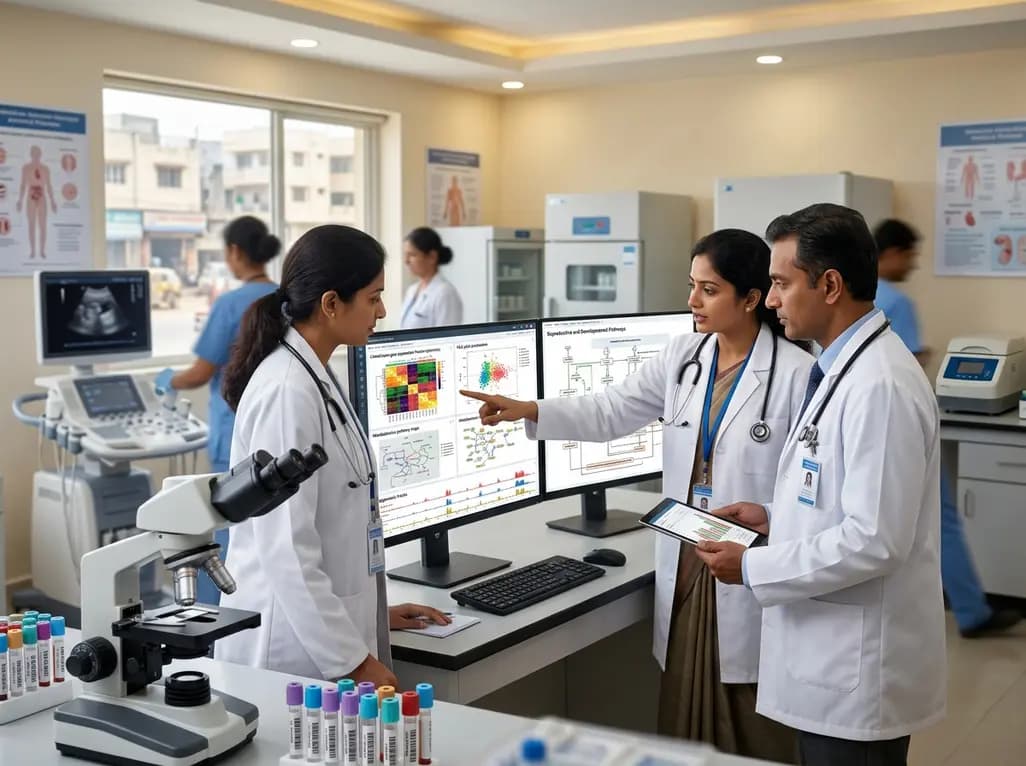
The Human Reproduction and Development Database (HRD) consolidates bulk and single-cell transcriptomics, epigenomics, metabolomics, proteomics, and clinical trial records into a unified platform to advance reproductive health research.
Today
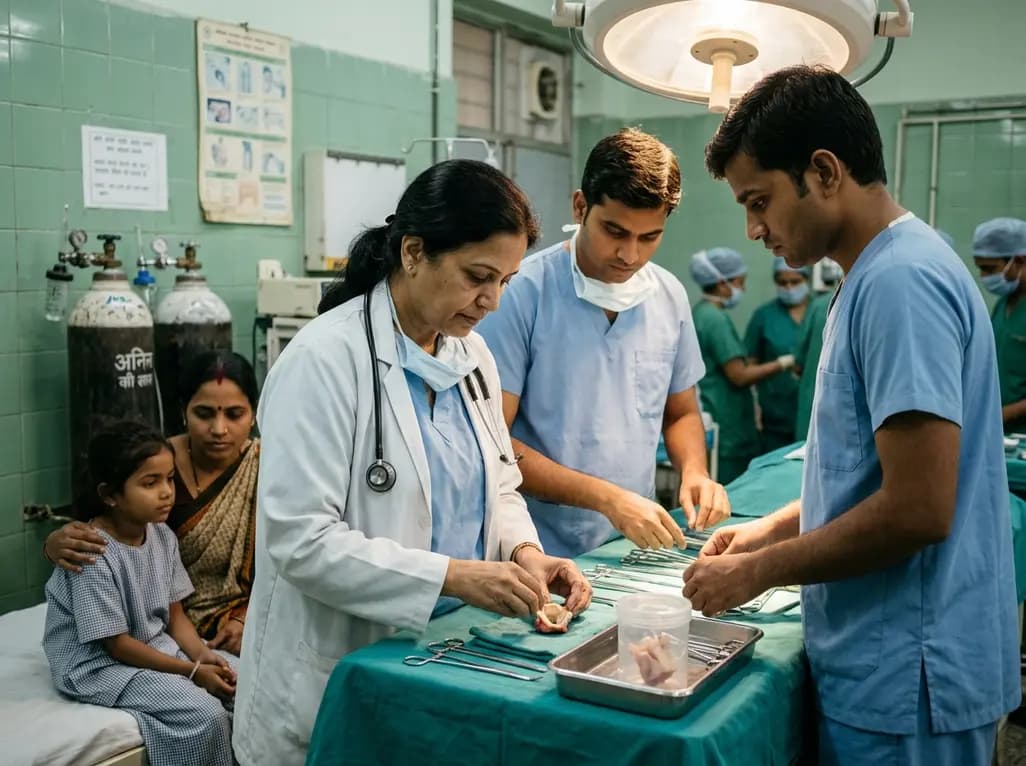
Partial heart transplantation offers living, growth-capable cardiac valve replacements for children. While orthotopic heart transplantation faces severe logistical barriers in low-resource settings, partial transplantation presents lower graft ischemia sensitivity and simplified immunosuppression protocols.
Today
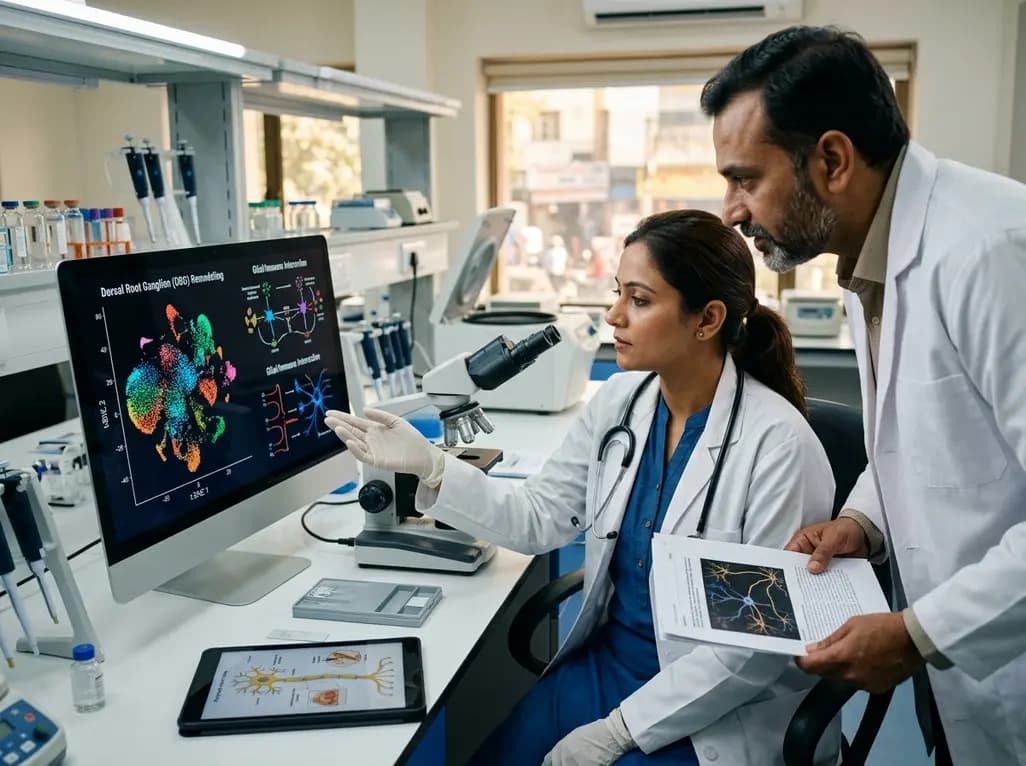
A single-cell transcriptomic atlas reveals how peripheral nerve injuries cause dorsal root ganglion remodeling. By evaluating proximal nerve crush and resection, researchers identify distinct glial and immune programs that resolve neuropathic pain and promote regeneration.
Today
A study evaluates a cardiometabolic HFpEF model combining metabolic stress with chronic mineralocorticoid excess. The findings reveal profound diastolic stiffness, endothelial dysfunction, and pulmonary hypertension, illuminating key pathophysiological mechanisms for targeted cardiopulmonary therapies.
Today
