.webp&w=384&q=75)

Loading, please wait...
Loading, please wait...
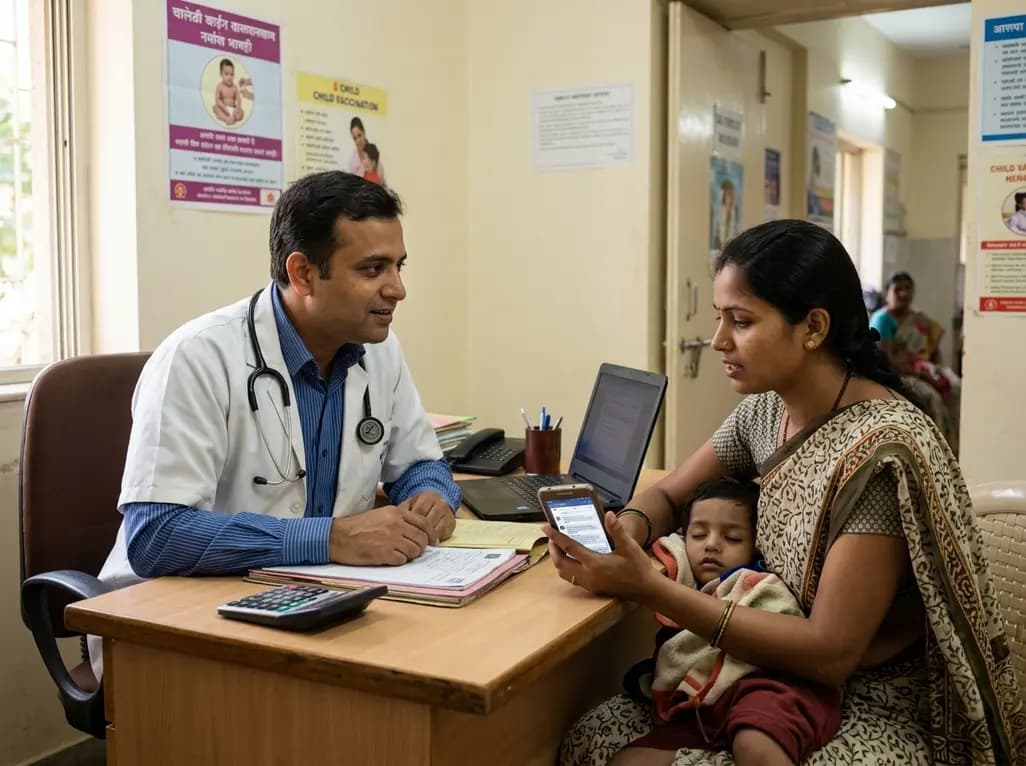
Caring for a child diagnosed with an ultra-rare genetic disorder often feels profoundly isolating for families. Parents frequently face fragmented medical knowledge, delayed diagnoses, and limited specialist access in routine clinical settings. Consequently, digital platforms have emerged as an indispensable lifeline for families seeking connection and guidance. Understanding the dynamics of rare disease peer support allows pediatricians, pediatric neurologists, and general practitioners to address parental distress more effectively while promoting patient safety.
Rare disorders like FOXP1 syndrome affect developmental trajectories, speech, and motor milestones in unpredictable ways. Because community physicians rarely encounter these distinct conditions, parents often experience significant diagnostic odysseys marked by intense anxiety. Therefore, parents turn to international online groups, particularly Facebook communities, to bridge the massive gap between medical consultations. These platforms function as collective repositories of practical caregiving knowledge and emotional solidarity. In these spaces, caregivers connect with families experiencing identical behavioral challenges, feeding difficulties, and therapy hurdles. Furthermore, international groups provide access to dispersed medical expertise that local clinical environments simply cannot offer. However, unmoderated social media spaces also present measurable hazards. Families frequently encounter contradictory advice, unverified therapies, and distressing prognostic projections. While these digital spaces reduce geographic barriers, they can unintentionally amplify psychological distress if parents lack guidance. Clinicians must therefore recognize that digital groups serve as central components of modern rare disease management rather than incidental distractions.
A recent qualitative investigation evaluated how nineteen caregivers across eight nations navigated a dedicated Facebook group for FOXP1 syndrome. Researchers developed the Phased Social Media Engagement in Rare Disease Caregiving model to describe this developmental trajectory. Specifically, the framework identifies the initial stage as the frantic phase. This period occurs immediately surrounding the genetic diagnosis. During this volatile window, parents experience profound shock and urgency. Consequently, they consume vast quantities of online posts, clinical articles, and parent discussions at all hours. Caregivers search desperately for prognostic milestones, developmental therapies, and emotional reassurance that their child can thrive. Unfortunately, this urgent consumption frequently leads to rapid cognitive overload. New members read advanced clinical complications before their child exhibits any relevant symptoms. Thus, the intense quest for immediate clarity often triggers acute panic rather than solace. Healthcare professionals should actively prepare parents for this turbulent phase. By warning families about algorithmic feeds and emotional volatility, doctors can help them pace their initial digital inquiries.
As families adjust to daily therapeutic routines, their relationship with social networks undergoes a fundamental transformation. Over time, parents reach an informational saturation point where general condition discussions yield diminishing returns. The research team designated this transitional stage as the selective and saturated phase. During this period, caregivers establish protective boundaries to safeguard their mental health. Instead of reading every community update, parents utilize search bars to investigate targeted challenges such as behavioral outbursts or school accommodations. Moreover, caregivers intentionally bypass graphic updates, severe medical complications, and bereavement posts that provoke secondary trauma. They realize that indiscriminate scrolling drains the emotional energy required for hands-on caregiving. Therefore, parents shift from passive absorption to strategic engagement. Clinicians can reinforce this adaptive filtering by encouraging caregivers to curate their digital exposure mindfully. Doctors should affirm that stepping back from online discussions reflects mature self-preservation rather than detachment from the rare disease community.
The final stage of the caregiving trajectory is the mentoring phase, wherein experienced parents adopt leadership and guiding responsibilities. Having developed substantial expertise in managing daily symptoms, seasoned caregivers actively welcome recently diagnosed families into the network. They provide grounded reassurance, decipher complex laboratory reports, and debunk harmful misinformation that frequently circulates online. Furthermore, this altruistic role provides veteran caregivers with a renewed sense of purpose and advocacy identity. Supporting peers allows parents to transform years of caregiving hardships into actionable wisdom that protects others from similar grief. However, prolonged mentorship demands substantial emotional reserves and carries distinct vulnerabilities. Mentors occasionally absorb vicarious trauma while counseling desperate families in acute crisis. Consequently, veteran caregivers must balance their supportive activities with deliberate self-care routines. Pediatric teams can collaborate with these experienced parent mentors to establish structured hospital support networks. Such formal partnerships channel experiential knowledge into constructive advocacy without overburdening individual family volunteers.
Physicians must adopt a proactive approach toward parental social media engagement rather than ignoring its existence. During routine consultations, pediatric specialists should routinely ask parents whether they participate in condition-specific online forums. Acknowledging these networks validates the legitimate emotional and practical isolation that families endure. Additionally, clinicians must guide parents on how to interpret anecdotal peer advice with healthy skepticism. For instance, doctors can review crowd-sourced recommendations regarding supplements or therapy modalities during follow-up visits. This collaborative approach prevents families from adopting unproven or hazardous interventions. Furthermore, healthcare teams should supply curated lists of credible international foundations, patient registries, and verified clinical trial databases. When doctors validate the peer support experience, parents feel comfortable disclosing unconventional therapies they discover online. Ultimately, bridging informal peer wisdom with evidence-based medicine cultivates a robust therapeutic alliance that optimizes long-term developmental outcomes for children with rare genetic conditions.
Clinicians should actively invite open discussions about online findings during clinical visits. Doctors must educate families on evaluating scientific credibility, distinguishing between evidence-based treatments and personal anecdotes, and avoiding predatory commercial therapies. Furthermore, providing trusted resources such as recognized genetic databases and certified patient advocacy organizations helps caregivers cross-check peer advice safely. This proactive partnership ensures parents benefit from emotional solidarity without compromising their child's medical safety.
Caregivers experience emotional saturation because constant exposure to severe complications, grief, and unmoderated discussions triggers chronic stress. Although peer groups provide essential community early on, continuous digital engagement eventually overwhelms parental coping mechanisms. Caregivers often absorb the trauma of other families while managing their child's demanding routine. Consequently, parents must establish healthy boundaries, filter distressing topics, and take intentional breaks to prevent severe emotional exhaustion and caregiving burnout.
Peer mentorship provides invaluable practical wisdom and psychological grounding for newly diagnosed families navigating complex healthcare systems. Experienced mentors translate confusing medical terminology, share daily coping strategies, and offer tangible hope during acute distress. Furthermore, mentoring empowers veteran caregivers by transforming their lived adversity into purposeful advocacy. However, mentoring requires ongoing self-monitoring to avoid compassion fatigue, ensuring that peer supporters preserve their own emotional wellbeing while guiding others.
Disclaimer: This content is for informational and educational purposes only. It is not intended to be a substitute for professional medical advice, diagnosis, or treatment. Always seek the advice of your physician or another qualified health provider with any questions you may have regarding a medical condition. Refer to the latest local and national guidelines for clinical practice.
References

Read summarized clinical updates, watch expert medical content, and earn CME certifications right from your smartphone.
Open your smartphone camera to scan and install.





A qualitative study reveals how parents of children with rare diseases navigate online peer support groups in three distinct phases: frantic seeking, selective engagement, and mentorship. Pediatricians can leverage these insights to guide families through information overload and foster psychological resilience.
4 weeks back

A new study reveals that high-fat, cholesterol, and fructose intake drives MASH and hepatic fibrosis in a sex- and hepatocyte PPARγ-dependent manner. Male mice showed severe fibrosis and downregulated methionine metabolism, while hepatocyte PPARγ knockout protected against progression.
Today
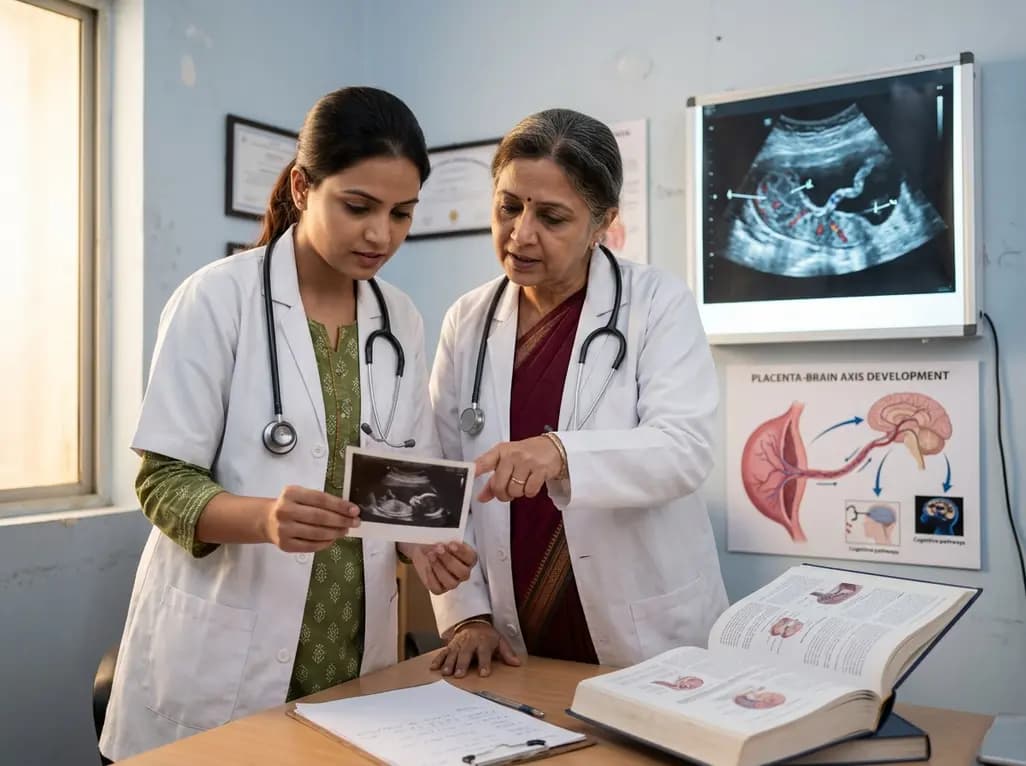
Recent clinical research highlights how late-gestational placental vascular function may shape fetal brain development. Maternal placental growth factor trajectories correlate with subsequent neurodevelopmental outcomes, underscoring the critical role of the placenta-brain axis in pediatric cognitive health.
Today
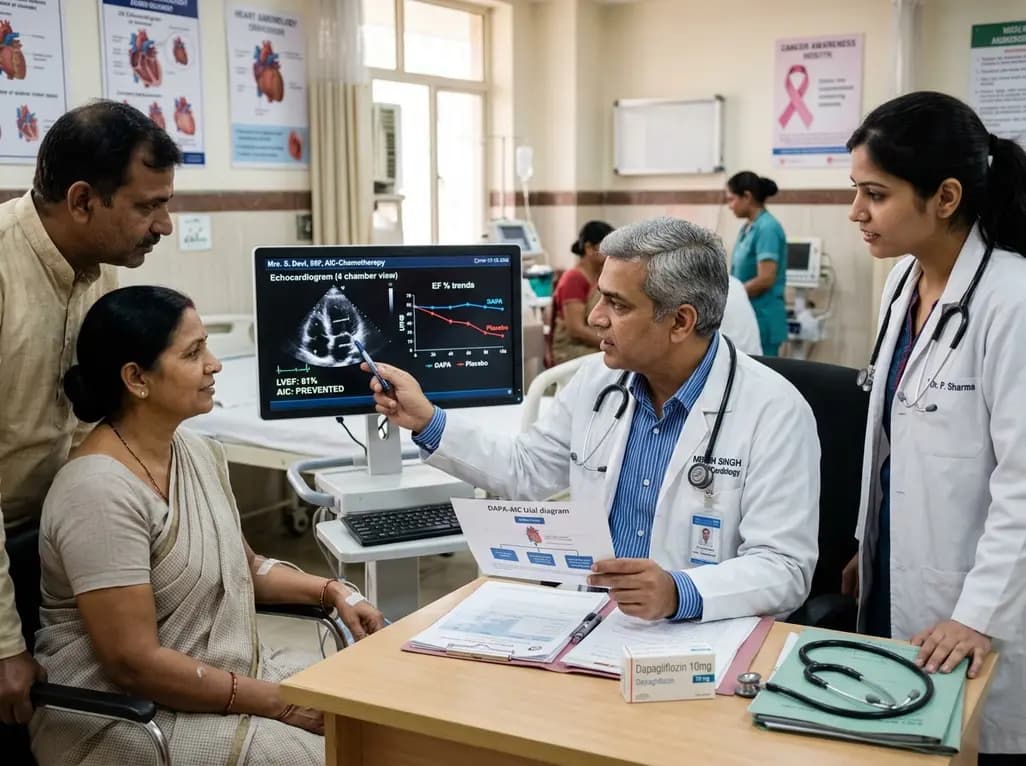
The phase II DAPA-AIC trial demonstrates that dapagliflozin 10 mg daily significantly preserves left ventricular ejection fraction compared to placebo over four months in adults undergoing anthracycline chemotherapy, highlighting a potential preventive strategy in cardio-oncology.
Today
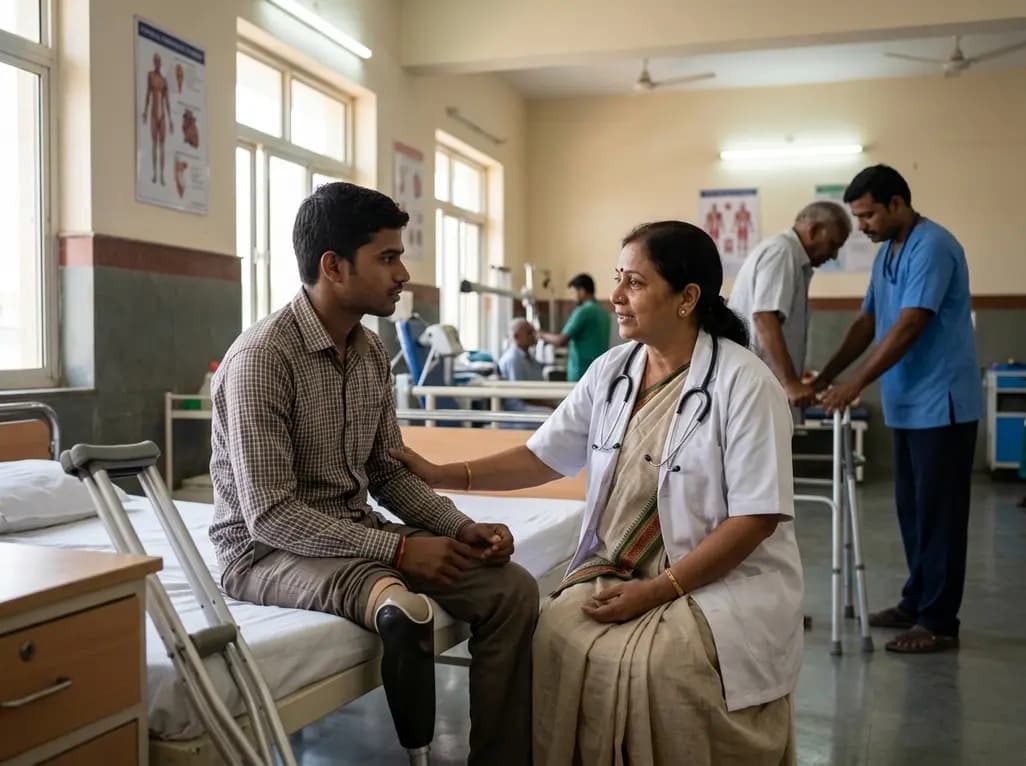
A scoping review reveals severe gaps in long-term assistive technology provision following humanitarian emergencies. Addressing post-disaster rehabilitation requires systematic follow-up, workforce training, and integration into national health systems to sustain mobility and recovery.
Today
A randomized controlled trial investigated whether virtual reality thyroid biopsy reduces procedural pain, anxiety, and fear. While adjusted analyses showed modest pain reduction, unadjusted differences remained statistically insignificant, highlighting the need for larger confirmatory trials.
Today
