.webp&w=384&q=75)

Loading, please wait...
Loading, please wait...
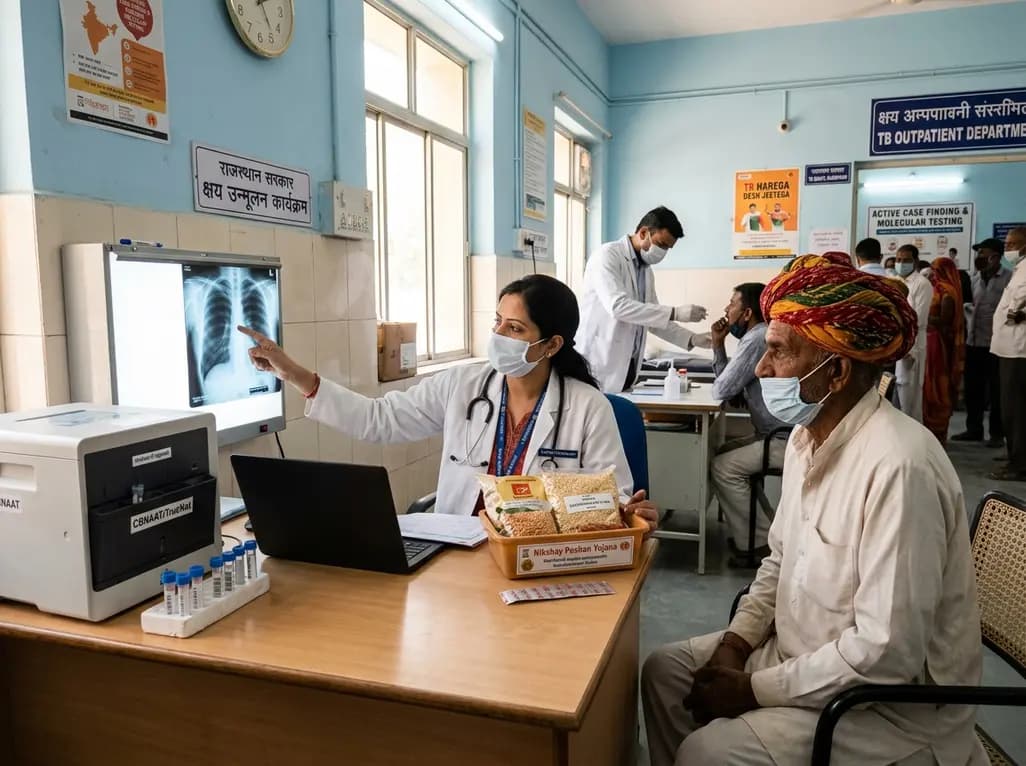
Rajasthan is significantly accelerating its public health interventions to eradicate tuberculosis across every district. During a high-level review at the state secretariat, Chief Secretary V Srinivas directed administrative and medical authorities to intensify active case detection, diagnostic evaluation, and treatment workflows. This strategic intervention reinforces the ongoing TB Mukt Bharat campaign, ensuring that healthcare resources reach vulnerable populations rapidly. Consequently, the state aims to eliminate tuberculosis through structured monitoring, robust infrastructure, and proactive clinical governance.
State leadership has mandated clear, time-bound operational roadmaps for healthcare departments to achieve disease eradication. Chief Secretary V Srinivas stressed that health teams must prioritize poorly performing districts through rigorous supervisory visits. Furthermore, program managers must thoroughly analyze operational models from top-performing administrative zones to replicate successful community practices. Therefore, district health societies are formulating customized action plans tailored to local epidemiological patterns.
Additionally, administrative authorities are establishing structured review mechanisms at the block and panchayat levels. Regular progress assessments will identify clinical bottlenecks and accelerate patient enrollment into public registries. Officials must maintain strict accountability to ensure diagnostic workflows remain uninterrupted. Consequently, public participation is expanding through multi-sectoral collaborations involving community leaders, panchayat representatives, and local non-governmental organizations. These collective interventions strengthen grassroots surveillance, reduce diagnostic delays, and foster community ownership of healthcare outcomes across rural regions.
Early and accurate diagnosis forms the core foundation of tuberculosis control. The state administration has instructed clinical facilities to optimize the utilization of all available digital X-ray units. Chest radiography serves as an indispensable initial screening tool, detecting subtle parenchymal abnormalities before clinical deterioration occurs. Furthermore, authorities have directed healthcare teams to scale up rapid Nucleic Acid Amplification Tests across every diagnostic center.
Modern NAAT platforms provide rapid detection of Mycobacterium tuberculosis while simultaneously identifying rifampicin resistance. Consequently, clinicians can initiate appropriate first-line or second-line anti-tubercular therapy within hours of sputum collection. In addition, health centers are establishing synchronized sample transport networks to connect primary health centers with molecular laboratories. This diagnostic framework reduces diagnostic turnaround time and minimizes early loss to follow-up. Moreover, integrated diagnostic protocols ensure that patients presenting with atypical respiratory symptoms receive prompt evaluation, preventing secondary transmission within households and crowded community settings.
Grassroots empowerment has emerged as a cornerstone of Rajasthan's tuberculosis elimination strategy. Principal Secretary of Medical and Health, Gayatri Rathore, highlighted exceptional programmatic progress achieved under community-driven initiatives. Notably, the number of gram panchayats declared officially TB-free has witnessed an exponential increase over recent years. In 2022, only 29 gram panchayats attained TB-free status across the state.
However, dedicated public health interventions expanded this number to 586 in 2023, 3,350 in 2024, and an impressive 6,547 in 2025. This remarkable expansion reflects sustained active case-finding drives, rigorous verification protocols, and community-level accountability. Furthermore, health teams have screened more than 2.38 crore citizens state-wide to date. Frontline workers, including Accredited Social Health Activists and Auxiliary Nurse Midwives, conduct door-to-door vulnerability mapping. Consequently, these sustained screening campaigns ensure that asymptomatic or mildly symptomatic cases receive timely clinical assessment and uninterrupted therapeutic care.
Despite significant statewide achievements, geographical disparities in diagnostic yields and treatment outcomes persist. The chief secretary instructed administrative officers to bridge performance gaps between different districts immediately. For instance, remote desert areas and tribal belts often encounter unique logistical challenges in sample transportation and patient tracking. Therefore, mobile diagnostic vans equipped with portable molecular testing kits are deploying to underserved areas.
Additionally, district task forces are conducting root-cause analyses in regions exhibiting suboptimal case notification rates. Health officials are reallocating technical personnel and diagnostic cartridges to high-burden facilities to balance resource distribution. Furthermore, program managers are establishing peer-mentorship channels between neighboring district tuberculosis officers. By sharing best practices regarding active contact tracing and treatment adherence monitoring, lagging districts can quickly adopt proven operational methodologies. Thus, targeted interventions ensure equitable healthcare delivery across the entire state.
Successful tuberculosis management requires holistic patient care that extends beyond pharmacotherapy. Undernutrition substantially impairs cell-mediated immunity, increasing susceptibility to severe disease and treatment failure. To counter this challenge, Rajasthan has distributed 2,04,888 specialized nutrition kits to diagnosed patients under community support programs. Furthermore, the state leverages the Nikshay Poshan Yojana to deliver direct monthly financial transfers for dietary support.
Moreover, community patrons enrolled under the Ni-kshay Mitra initiative provide supplementary food baskets and psychological encouragement to patients throughout their therapeutic journey. Social support structures substantially improve treatment compliance and mitigate disease-associated stigma. In addition, healthcare providers actively monitor adverse drug reactions and comorbid conditions, such as diabetes mellitus and human immunodeficiency virus infection. Consequently, integrated nutritional and medical support pathways significantly reduce treatment default rates and enhance overall sputum conversion timelines.
The state's intensified elimination roadmap carries vital implications for both public and private medical practitioners. Clinicians must maintain a high index of suspicion when evaluating patients presenting with persistent cough, fever, unexplained weight loss, or hemoptysis. Furthermore, doctors in private practice must promptly notify all diagnosed tuberculosis cases on the national Ni-kshay portal. Mandatory notification ensures that patients access public health benefits, including free molecular drug susceptibility testing and nutritional aid.
Additionally, clinicians should routinely order upfront molecular testing rather than relying solely on conventional sputum smear microscopy. Universal drug susceptibility testing allows early identification of multidrug-resistant strains, preventing empirical treatment failures. Physicians must also prioritize household contact tracing and initiate tuberculosis preventive treatment for eligible contacts. By aligning clinical management with national guidelines, medical professionals serve as vital champions in halting disease transmission and securing long-term cure rates.
Q1: Why is scaling up Nucleic Acid Amplification Tests crucial for TB elimination?
Nucleic Acid Amplification Tests provide rapid, highly sensitive detection of Mycobacterium tuberculosis DNA within hours. Unlike conventional microscopy, molecular assays identify low bacterial loads and instantly detect resistance to key first-line drugs such as rifampicin. Early molecular detection enables physicians to start targeted therapeutic regimens immediately, which prevents complications, lowers mortality, and halts the transmission of drug-resistant strains across the community.
Q2: How does the TB-free Gram Panchayat initiative function in rural healthcare?
The initiative decentralizes tuberculosis control by engaging local Panchayati Raj institutions, community leaders, and primary health workers. Gram panchayats achieve TB-free certification after meeting strict criteria, including exhaustive population screening, high treatment success rates, universal contact investigation, and robust social support systems. This grassroots framework fosters local ownership, reduces social stigma, and ensures prompt healthcare access for rural populations.
Q3: What role does nutritional supplementation play during tuberculosis therapy?
Adequate nutrition is essential because malnutrition impairs immune responses and increases the risk of treatment failure, drug toxicity, and disease relapse. State-distributed nutrition kits and direct benefit transfers under the Nikshay Poshan Yojana provide vital macro- and micronutrients. Enhanced nutritional status accelerates bacterial clearance, improves functional recovery, and supports patient adherence throughout the complete duration of anti-tubercular therapy.
Disclaimer: This content is for informational and educational purposes only. It does not constitute medical advice or replace professional judgment. Refer to the latest local and national guidelines for clinical practice.
References

Read summarized clinical updates, watch expert medical content, and earn CME certifications right from your smartphone.
Open your smartphone camera to scan and install.





To accelerate tuberculosis elimination, Rajasthan health officials are intensifying active screening, molecular diagnostic testing, and nutritional support. The state has screened over 2.38 crore citizens, expanded TB-free gram panchayats, and prioritized lagging districts to meet national elimination targets.
last month

A nationwide multicenter study identified three COPD clinical phenotypes, finding that mild smoking males experience the highest rate of rapid lung function decline. A CatBoost model using six routine clinical and socioeconomic variables accurately stratifies high-risk patients for early therapeutic intervention.
Today
Discover the crucial distinctions between mesonephric and mesonephric-like proliferations of the female genital tract. Learn the key histomorphologic, immunohistochemical, and molecular differences essential for accurate diagnosis and clinical management.
Today
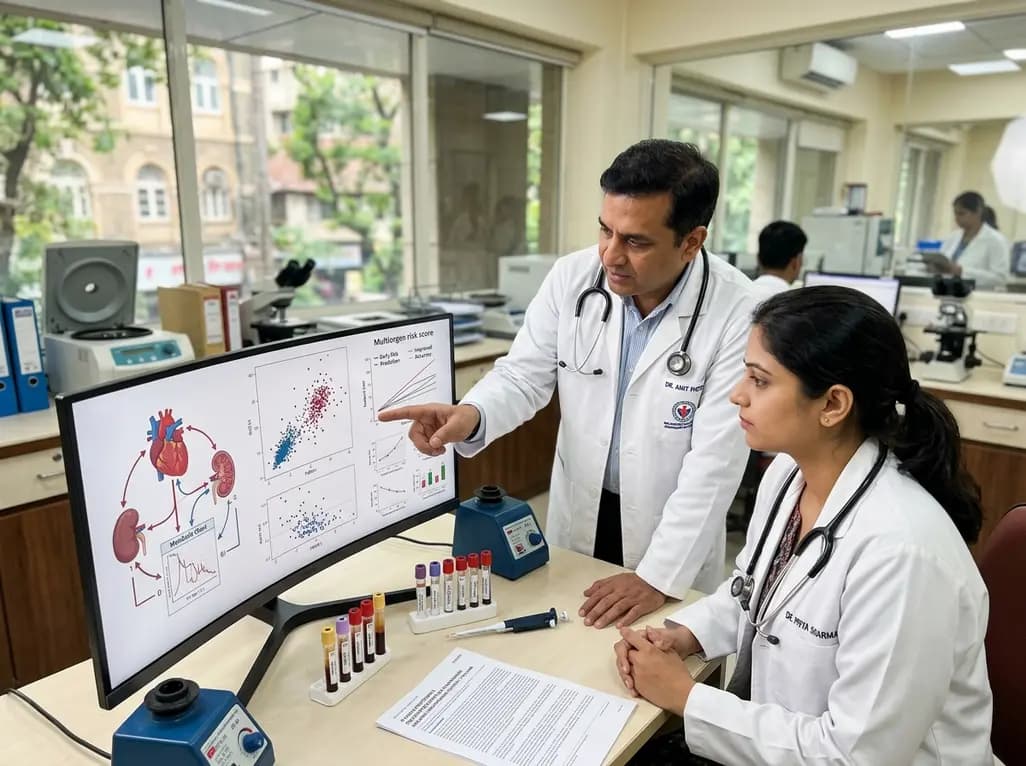
A large UK Biobank study reveals that plasma proteomic signatures capture preclinical organ damage and improve multiorgan risk prediction across early CKM syndrome stages 0 to 2 beyond traditional PREVENT clinical models.
Today
A narrative review investigates whether the articularis genus muscle functions as an independent anatomical entity or blends with the vastus intermedius. We evaluate its morphology, role in retracting the suprapatellar bursa, and direct clinical significance in anterior knee pain and arthroplasty.
Today
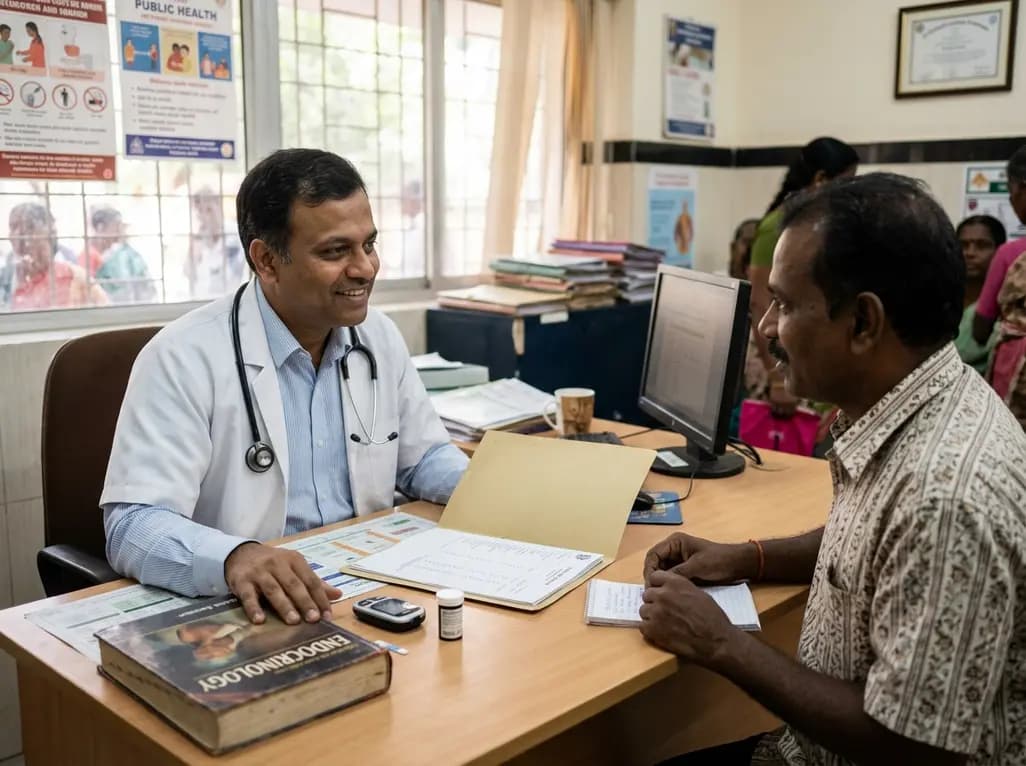
A Bayesian multilevel meta-analysis reveals that aerobic training combined with moderate carbohydrate restriction modestly lowers HbA1c in type 2 diabetes. However, sparse data and very low certainty leave incremental benefits over exercise or diet alone unproven, highlighting the need for individualized care.
Today
