.webp&w=384&q=75)

Loading, please wait...
Loading, please wait...
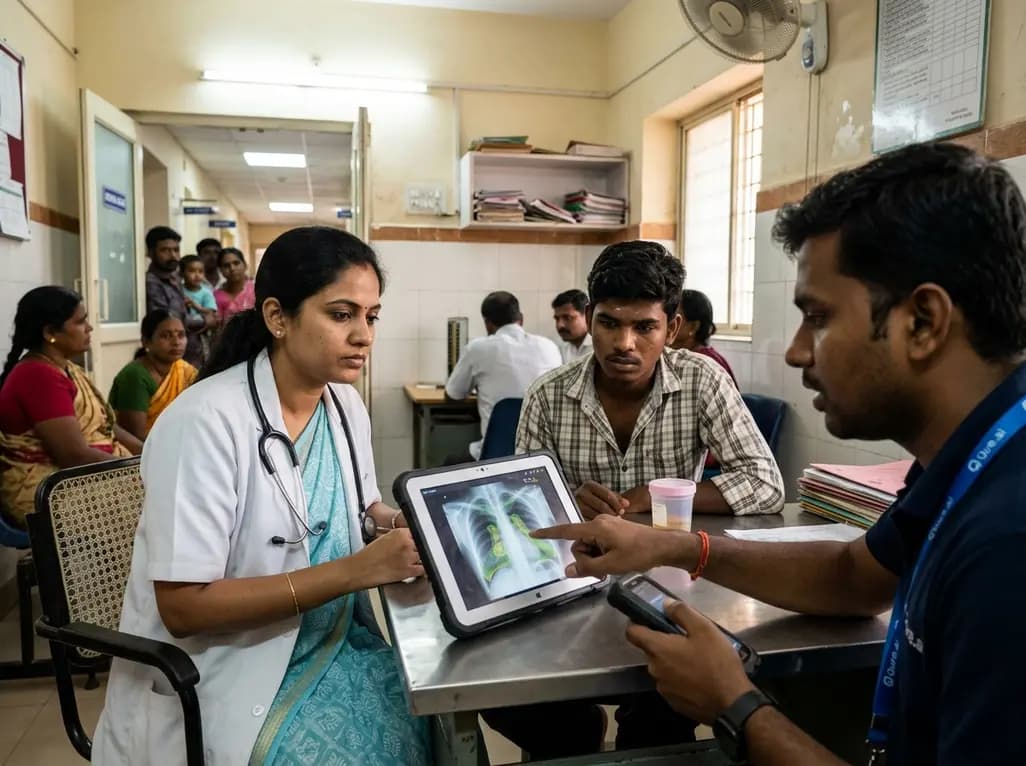
Global health technology is experiencing rapid evolution as artificial intelligence integrates into mainstream clinical practice. Leading medical technology firm Qure.ai recently appointed Mihir Bhanushali as Executive Vice President of Global Health to accelerate international adoption. This strategic leadership transition aims to expand accessible AI healthcare diagnostics across resource-limited settings globally. Consequently, frontline clinicians will gain enhanced diagnostic support for critical conditions like tuberculosis and HIV.
Mihir Bhanushali joins Qure.ai following prominent leadership tenures at major enterprise platforms, including Freshworks, Rippling, and Whatfix. In his previous roles, he orchestrated substantial international sales pipelines and directed complex commercial transformation strategies. Now, Bhanushali brings this deep operational expertise to the public health domain. He will specifically lead growth initiatives across Africa, Southeast Asia, South Asia, and Latin America. These regions often face significant healthcare infrastructure deficits and critical shortages of trained radiologists. Therefore, scalable digital health platforms offer a viable mechanism to bridge persistent care delivery gaps. By deploying automated interpretation tools at high-volume screening centers, healthcare authorities can triage patients much faster. In addition, this commercial expansion supports public health programs seeking to modernize their diagnostic workflows sustainably.
Tuberculosis remains one of the leading infectious causes of mortality worldwide, particularly in low- and middle-income countries. Traditional screening pathways frequently rely on manual chest radiography interpretation, which creates severe diagnostic bottlenecks in remote clinics. To solve this dilemma, automated deep learning algorithms review digital radiographs within a single minute. These algorithms accurately identify lung abnormalities, apical cavitation, consolidation, and pleural effusion. Consequently, deploying AI healthcare diagnostics allows community health workers to prioritize presumptive patients for immediate molecular sputum confirmation. Furthermore, automated systems help identify asymptomatic or early-stage pulmonary lesions that human readers might inadvertently overlook during high-volume field screenings. Thus, rapid point-of-care algorithmic triage shortens the critical interval between initial disease presentation and effective antimicrobial therapy.
Implementing artificial intelligence within frontline clinical settings requires seamless integration with existing Picture Archiving and Communication Systems (PACS) and portable radiographic hardware. Qure.ai currently operates across more than 5,200 clinical sites spanning 107 countries. The company's automated software operates directly on mobile devices and local workstations, eliminating the need for continuous broadband connectivity. Therefore, clinicians practicing in remote primary health centers can interpret digital images rapidly without awaiting distant specialist tele-reads. In addition, the algorithmic platform acts as a reliable pre-reading assistant that pre-populates standardized structured reports. This automated capability markedly reduces reporting turnaround times while maintaining rigorous diagnostic consistency. Consequently, emergency departments and rural outpatient clinics can optimize patient triaging and streamline resource allocation efficiently.
Health systems across South Asia and sub-Saharan Africa carry an immense burden of dual HIV and tuberculosis co-infections. Managing these complex infectious disease presentations demands robust screening protocols and rapid epidemiological surveillance. When deployed at district health facilities, automated imaging algorithms assist primary medical officers in identifying atypical radiographic manifestations. Moreover, these digital tools assist health ministries in tracking local infection trends through centralized data registries. Consequently, national tuberculosis elimination programs can pinpoint emerging hot spots and deploy mobile radiographic vans accordingly. In addition, integrating digital diagnostic software helps health systems lower overall program expenditure by reducing unnecessary confirmatory microbiological tests. Thus, early digital screening conserves scarce laboratory supplies while ensuring prompt clinical management for vulnerable patient populations.
Beyond traditional radiological screening, modern medical technology is advancing toward comprehensive clinical co-pilots for community healthcare workers. Platforms such as Aira combine diagnostic intelligence, interactive workflows, and digital care coordination directly at the point of care. Furthermore, these emerging clinical co-pilots assist general practitioners during initial patient evaluations, telemedicine consultations, and chronic disease follow-ups. By synthesizing patient history and preliminary imaging data, algorithmic assistants offer evidence-based decision guidance to junior medical staff. However, clinicians must maintain primary diagnostic responsibility and interpret algorithmic recommendations alongside thorough clinical examination. Ultimately, these innovative digital assistants empower peripheral health centers to deliver standardized, high-quality medical care across diverse geographic regions.
Q1: What role does Mihir Bhanushali assume at Qure.ai?
Mihir Bhanushali serves as Executive Vice President of Global Health. In this role, he leads the commercial scale-up and strategic implementation of artificial intelligence diagnostic solutions across low- and middle-income countries. His efforts specifically target healthcare systems throughout South Asia, Africa, Southeast Asia, and Latin America.
Q2: How do deep learning algorithms assist in tuberculosis detection?
Deep learning algorithms rapidly analyze digital chest radiographs to identify suspicious radiographic features, including nodules, consolidation, and cavitary lesions. By delivering automated results in under a minute, the software enables frontline healthcare providers to triage high-risk patients quickly for confirmatory microbiological testing.
Q3: In how many countries are Qure.ai diagnostic solutions currently deployed?
Qure.ai diagnostic platforms are actively deployed across more than 107 countries and over 5,200 medical sites globally. These installations support clinicians in interpreting radiographs, computed tomography scans, and ultrasounds within emergency departments, remote clinics, and national disease screening initiatives.
Disclaimer: This content is for informational and educational purposes only. It does not constitute medical advice or replace professional judgment. Refer to the latest local and national guidelines for clinical practice.
References

Read summarized clinical updates, watch expert medical content, and earn CME certifications right from your smartphone.
Open your smartphone camera to scan and install.





Qure.ai has named Mihir Bhanushali as Executive Vice President of Global Health to accelerate the deployment of AI-powered diagnostic solutions. The initiative targets tuberculosis, HIV, and frontline clinical workflows across low- and middle-income regions in South Asia, Africa, and Latin America.
last month
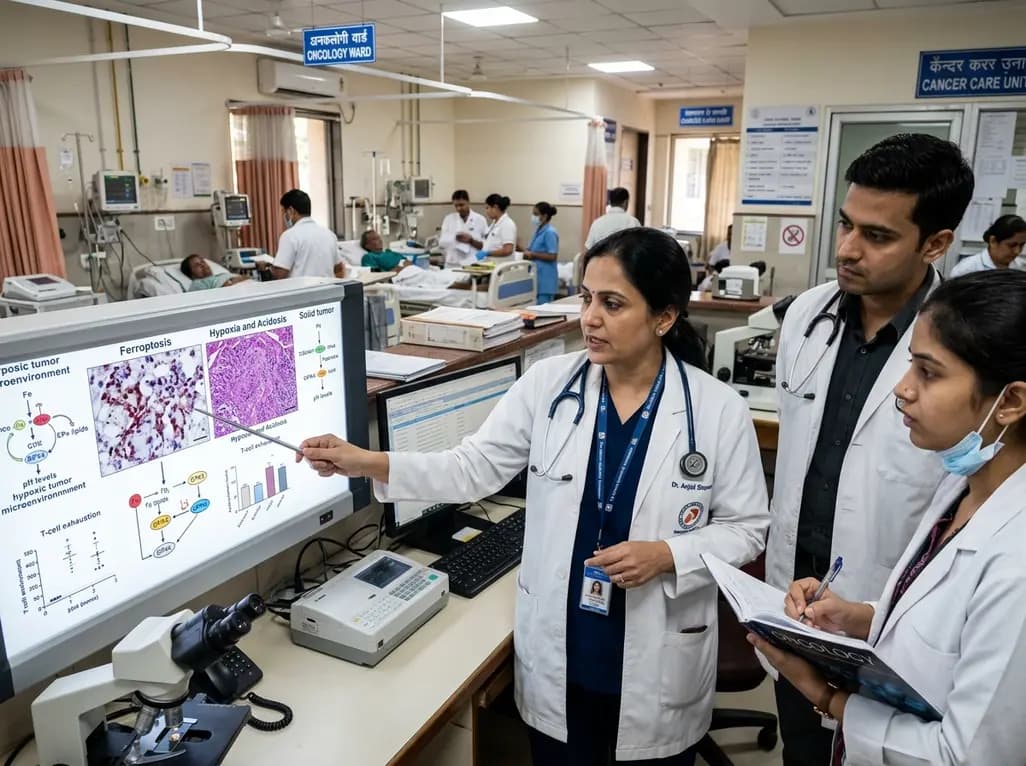
Targeting ferroptosis provides a compelling strategy to dismantle hypoxia- and acidosis-driven immunosuppression in solid tumors, enhancing response to modern immunotherapy.
Today
Findings from Project Viva indicate that sustained postpartum weight retention, rather than excessive gestational weight gain alone, directly worsens women's mid-life cardiovascular health, degrading blood pressure and glycemic parameters decades after delivery.
Today
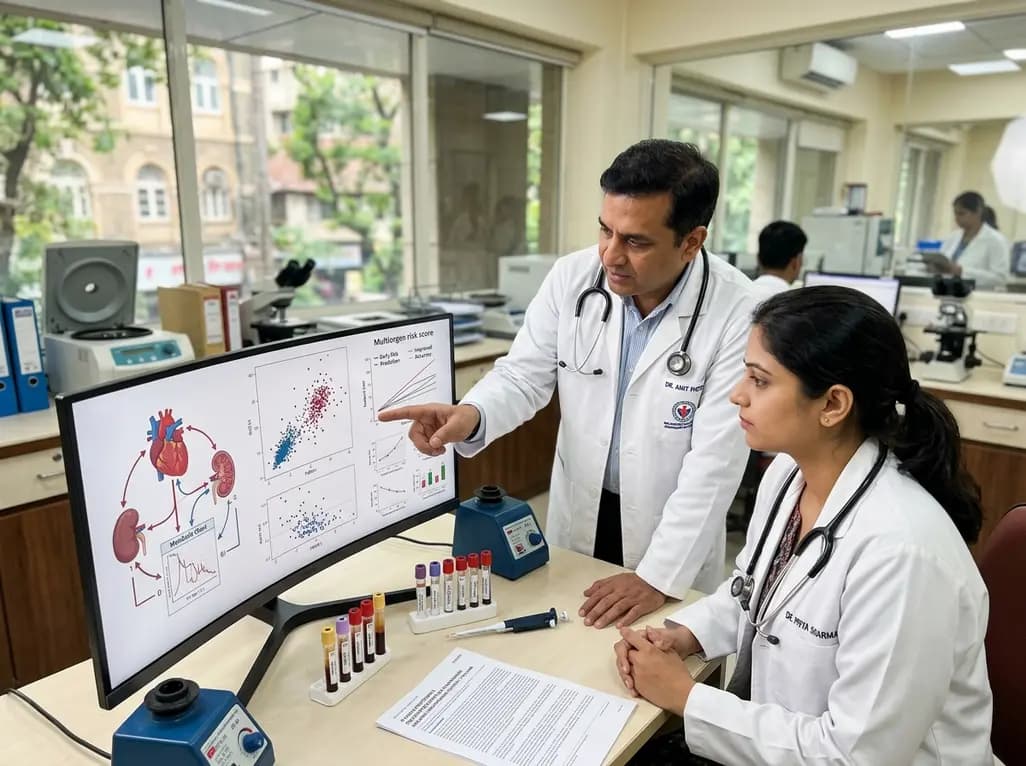
A large UK Biobank study reveals that plasma proteomic signatures capture preclinical organ damage and improve multiorgan risk prediction across early CKM syndrome stages 0 to 2 beyond traditional PREVENT clinical models.
Today
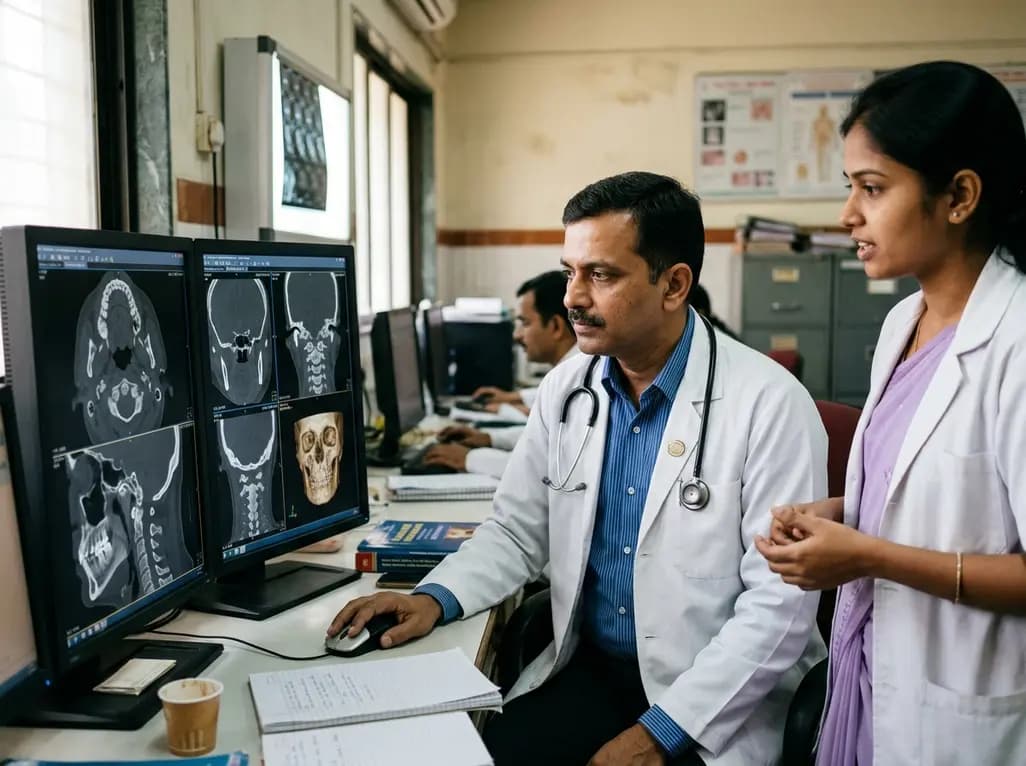
A retrospective CBCT study reveals that superior TMJ space asymmetry correlates moderately with occipital condyle-atlas-axis asymmetry in unilateral TMJ osteoarthritis, highlighting an imaging correlate between jaw biomechanics and upper cervical alignment rather than a standalone diagnostic marker.
Today

A Bayesian multilevel meta-analysis reveals that aerobic training combined with moderate carbohydrate restriction modestly lowers HbA1c in type 2 diabetes. However, sparse data and very low certainty leave incremental benefits over exercise or diet alone unproven, highlighting the need for individualized care.
Today
