.webp&w=384&q=75)

Loading, please wait...
Loading, please wait...

Punjab is currently facing a significant challenge regarding Hepatitis B protection for high-risk newborns. Official records from the National Viral Hepatitis Control Programme reveal a concerning trend. Only 28.8% of infants born to HBsAg-positive mothers received the necessary immunoglobulin within 24 hours. Therefore, health experts are raising alarms about the potential for chronic liver disease. Furthermore, the combination of the vaccine and HBIG is essential to prevent mother-to-child transmission. Consequently, any delay in the first day of life can lead to lifelong health consequences like liver cancer.
The district-wise data shows sharp disparities across the state. Specifically, Pathankot reported a mere 2.9% coverage, with only one out of 34 eligible newborns protected. Similarly, Fatehgarh Sahib and Muktsar recorded coverage rates below 10%. However, the issue extends beyond simple administrative failure. Officials noted that private institutions often fail to report deliveries of Hepatitis B-positive pregnant women. Although nearly half of all deliveries occur in private facilities, the state lacks adequate data from these centers. Additionally, inconsistencies in data suggest that reporting may be inaccurate or backlogged.
To address these shortfalls, the health department recently issued strict directives to all civil surgeons. They must now ensure that every HBsAg-positive pregnant woman is labeled as a high-risk case. Moreover, medical teams must track these women through every level of service delivery. Health facilities must map these pregnancies in advance to prevent last-minute gaps in HBIG availability. Therefore, both public and private delivery points must maintain an uninterrupted supply of the vaccine. Furthermore, district nodal officers will now collaborate with gynecologists and immunization teams to ensure total compliance.
Q1: Why is Hepatitis B protection critical within the first 24 hours of birth?
Administering both the Hepatitis B vaccine and HBIG within 12 to 24 hours significantly reduces the risk of mother-to-child transmission. This window is vital to prevent the child from developing chronic infections that lead to cirrhosis or liver cancer later in life.
Q2: What are the main reasons for the low coverage reported in Punjab?
The primary reasons include under-reporting of deliveries in private hospitals and significant data mismatches. Additionally, many districts show a lack of coordination between immunization officers and maternal health teams, leading to missed doses for high-risk infants.
Q3: How are health authorities planning to improve HBIG administration?
Authorities have mandated the advance mapping of high-risk pregnancies and mandatory monthly reporting from both public and private sectors. Furthermore, they are fixing responsibility for non-compliance and ensuring that HBIG is available at all delivery points.
Disclaimer: This content is for informational and educational purposes only. It does not constitute medical advice or replace professional judgment. Refer to the latest local and national guidelines for clinical practice.
References

Read summarized clinical updates, watch expert medical content, and earn CME certifications right from your smartphone.
Open your smartphone camera to scan and install.





Punjab faces low Hepatitis B protection for newborns, with only 28.8% receiving HBIG. This article discusses gaps in reporting and urgent corrective measure...
7 months ago
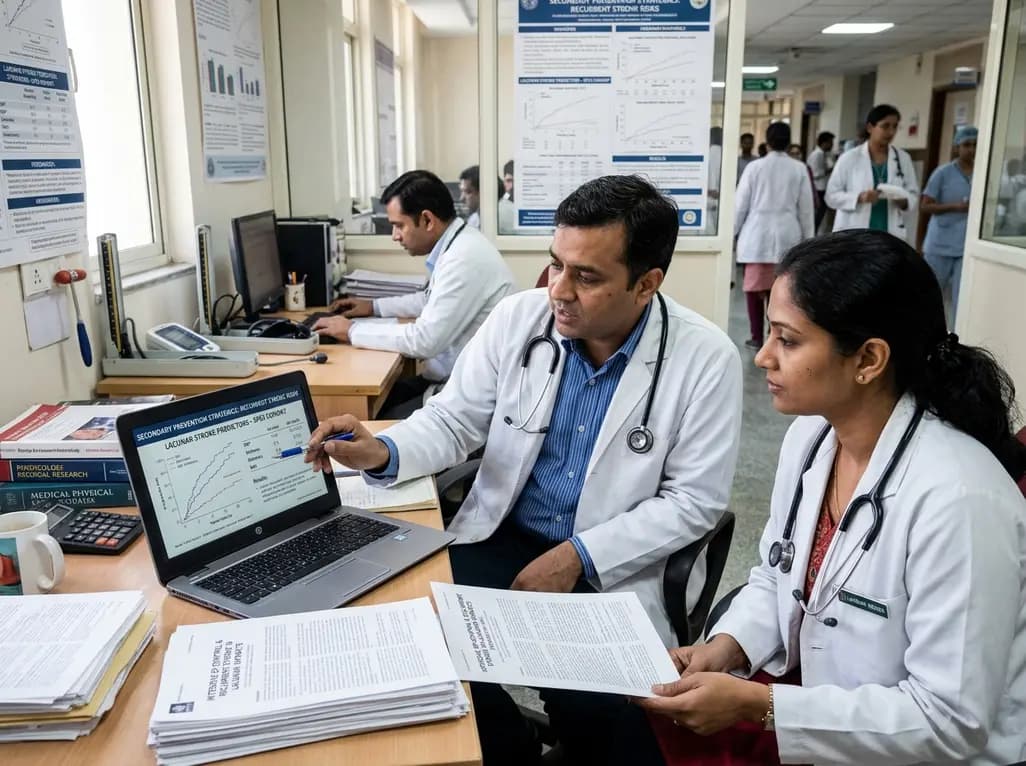
Explore vital recurrent stroke predictors in lacunar stroke patients managed with intensive blood pressure lowering. This analysis examines trial findings from SPS3 to uncover residual vascular risks, metabolic factors, and targeted secondary prevention strategies for high-risk neurological patients.
Today
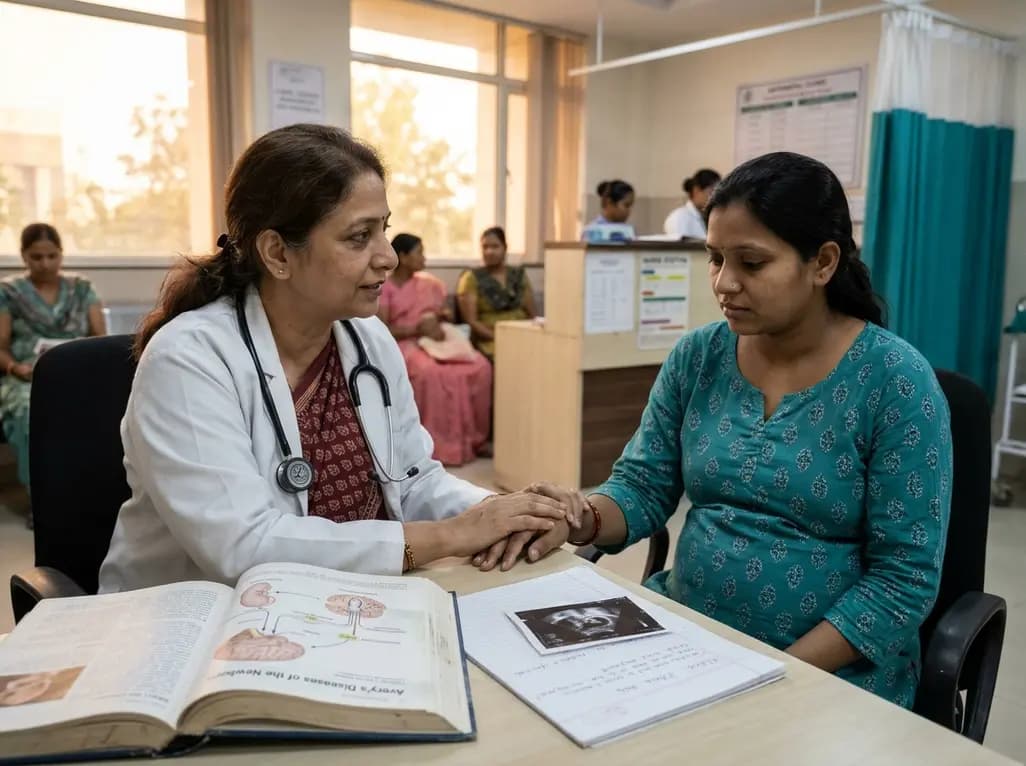
A comprehensive scoping review synthesises evidence linking prenatal maternal mental health to long-term offspring neurodevelopment, evaluating neuroendocrine, inflammatory, and epigenetic pathways while highlighting clinical screening and future research priorities.
Today

The Directorate General of Health Services directs Indian states to halt the hazardous reuse and reprocessing of single-use medical devices. Discover regulatory implications under the Drugs and Cosmetics Act, critical infection risks, legal liabilities, and operational changes required across clinical specialties.
Today
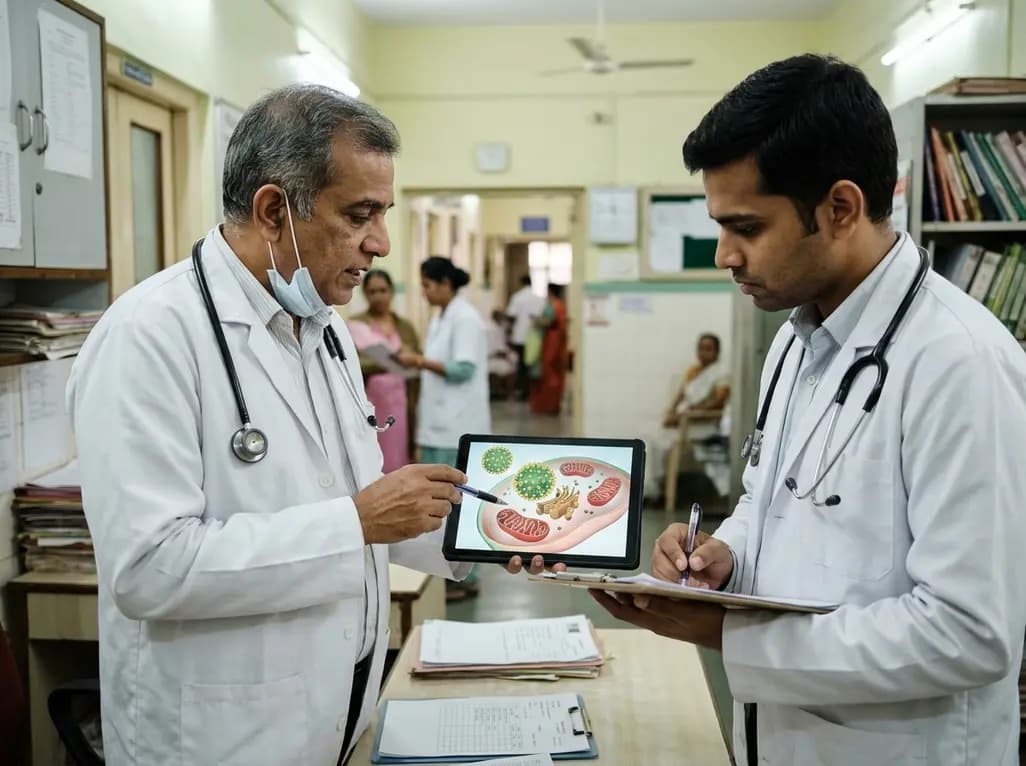
Mitochondria-targeted nanoparticles self-assembled from EGCG and L-glutamic acid effectively restore mitochondrial homeostasis, suppress synovial inflammation, and attenuate chondrocyte senescence in osteoarthritis, offering a promising disease-modifying nanotherapy.
Today

India is advancing preventive healthcare by integrating genomics, artificial intelligence, and quantum technologies. With the SANGAM programme sequencing one million Indian genomes, clinicians can unlock personalized therapies, detect cardiometabolic risks early, and curb the burden of diabetes and heart disease.
Today
