

Loading, please wait...
Loading, please wait...

Unplanned radiation treatment interruptions represent a major clinical challenge in modern cancer management. Radiation therapy depends heavily on scheduled fractionation to optimize tumor eradication while allowing normal cells time to heal. Consequently, unscheduled treatment gaps trigger accelerated tumor repopulation, which significantly degrades locoregional control and diminishes patient survival. Historically, oncologists attributed most therapy interruptions to acute treatment-related toxicities, severe comorbidities, or unexpected medical admissions. However, emerging research demonstrates that psychosocial distress strongly influences patient attendance and protocol compliance. A large cohort study evaluated 1,953 cancer patients receiving external beam radiation therapy between August 2020 and May 2024. In this analyzed group, patients missed an average of 1.19 treatment days, with individual interruption durations spanning up to 15 days. These cumulative disruptions directly compromise the biologically effective dose delivered to malignant lesions. Therefore, radiation oncology teams must recognize emotional, personal, and behavioral vulnerabilities alongside physical health markers. Addressing patient distress proactively can safeguard treatment continuity and prevent avoidable delays in curative oncology regimens.
Psychosocial distress during cancer therapy encompasses a multifaceted spectrum of emotional, practical, and social difficulties. To capture these vulnerabilities, investigators utilized the National Comprehensive Cancer Network Distress Thermometer, an established screening instrument. Patients self-reported baseline distress levels alongside specific concerns regarding family obligations, emotional strain, and logistical obstacles. The study investigators subsequently linked these patient-reported measures with electronic health record parameters and census tract-level socioeconomic data. Furthermore, multivariable statistical regression revealed that higher baseline distress scores independently increased the risk of treatment interruptions. When patients face severe anxiety, depression, or socioeconomic deprivation, their daily treatment compliance falters. Radiation therapy requires daily clinic attendance over several consecutive weeks, demanding considerable stamina and emotional stability. Consequently, unresolved psychosocial strain often causes patients to miss scheduled appointments. Therefore, routine distress screening should occur during the initial consultation and simulation stages. Oncology departments can immediately deploy social workers, nurse navigators, and psycho-oncology counselors for individuals showing elevated scores. Timely supportive care helps resolve personal obstacles before they disrupt radiation schedules.
Predictive analytics and artificial intelligence offer transformative tools to forecast radiation treatment interruptions in oncology clinics. In this comparative investigation, researchers evaluated attendance patterns using both negative binomial regression and extreme gradient boosting algorithms. Specifically, the XGBoost model incorporated a Poisson objective function to detect intricate nonlinear interactions across clinical and demographic variables. The machine learning framework demonstrated robust predictive accuracy, achieving a root mean squared error of 2.19 compared to 2.21 for classical regression. Moreover, both analytical approaches identified identical high-priority variables driving treatment interruptions. Elevated distress scores, communication impairments, and particular tumor classifications consistently emerged as the top predictive indicators. The XGBoost model effectively processed complex clinical features without sacrificing clinical transparency. Therefore, integrating machine learning algorithms directly into hospital electronic health records enables automated, real-time risk stratification. Clinical teams can identify vulnerable patients before their radiotherapy schedule even begins. Early algorithmic alerts allow care coordinators to allocate dedicated navigation resources efficiently. Consequently, computational prediction bridges technological innovation with individualized supportive oncology care.
The investigation highlighted that health literacy deficits and specific tumor characteristics substantially drive treatment disruptions. In multivariable models, patients who experienced learning or communication barriers demonstrated a significantly higher risk of missing radiation appointments. When individuals struggle to comprehend complex clinical instructions, treatment anxiety accelerates. Patients often fail to recognize that missing a single radiation fraction allows rapid tumor cell proliferation. Furthermore, language differences and sensory limitations make high-technology radiation environments intimidating and confusing. In addition, the study identified genitourinary malignancy as a major clinical predictor of treatment interruptions. Patients receiving radiation therapy for genitourinary cancers frequently endure painful acute side effects, including severe dysuria, frequency, and pelvic tenderness. Managing bladder-filling protocols and bowel preparation daily creates immense practical distress. Therefore, clinical teams must provide tailored educational support, using simple visual aids and professional medical interpreters. Prescribing preventative medications for acute urinary symptoms can also sustain patient adherence. By actively mitigating communication gaps and managing site-specific physical toxicities, oncologists preserve therapeutic continuity.
Transforming predictive data into practical clinical strategies requires coordinated multidisciplinary interventions across hospital oncology workflows. Screening cancer patients for psychosocial distress and communication barriers holds minimal value unless backed by immediate clinical action. Therefore, hospitals should establish rapid-response referral pathways connecting high-risk patients to social work, transportation support, and psychological services. For example, clinical navigators can assist patients who face financial distress, transportation insecurity, or caregiver shortages. Similarly, behavioral health specialists can teach stress reduction and coping techniques to reduce procedural claustrophobia and anxiety. Furthermore, radiation staff can monitor daily attendance records and quickly follow up with patients after any unexpected absence. If unplanned interruptions do occur, radiation oncologists must promptly calculate dose adjustments or schedule makeup fractions to counteract tumor repopulation. Nevertheless, proactive prevention of missed sessions remains the most effective strategy for ensuring optimal cure rates. Integrating predictive analytics with compassionate patient navigation establishes an equitable, resilient oncology service. Ultimately, treating the whole patient ensures the best survival outcomes in radiation therapy.
Radiation therapy relies on consistent fraction schedules to damage malignant cells while allowing normal tissues to recover. When treatment interruptions occur, tumor cells undergo accelerated repopulation during the extended overall treatment time. This biological rebound reduces the effective radiation dose delivered to the malignancy. Consequently, unscheduled treatment breaks decrease local tumor control rates, increase the risk of disease recurrence, and negatively impact overall cancer survival.
The Distress Thermometer serves as a rapid, validated screening tool that measures self-reported distress on a visual scale. In addition, patients complete a comprehensive problem checklist covering emotional, physical, practical, and social difficulties. Clinicians use these scores to evaluate baseline emotional vulnerability and detect health literacy barriers early. This screening allows multidisciplinary cancer teams to initiate supportive counseling, social work, and logistical interventions before therapy commences.
Machine learning models, such as XGBoost, analyze complex combinations of clinical records, sociodemographic factors, and distress scores to predict non-adherence. By identifying high-risk individuals prior to their first radiation fraction, these algorithms enable proactive clinical navigation. Staff can provide targeted educational resources, transportation support, and psychological aid. Consequently, integrating predictive artificial intelligence helps care teams prevent treatment delays, maintain schedule integrity, and optimize curative cancer outcomes.
Disclaimer: This content is for informational and educational purposes only... Refer to the latest local and national guidelines for clinical practice.
References

Read summarized clinical updates, watch expert medical content, and earn CME certifications right from your smartphone.
Open your smartphone camera to scan and install.





A retrospective cohort study reveals that patient-reported psychosocial distress and health education barriers significantly contribute to radiation treatment interruptions. Combining regression models with XGBoost machine learning enables early risk identification to protect radiotherapy adherence and outcomes.
Today
A case-control study reveals that severe poverty and silica dust exposure significantly increase tuberculosis risk among artisanal miners. This analysis reviews pathophysiology, clinical management, and targeted screening protocols relevant to clinicians treating occupational lung disease in high-burden settings.
Today
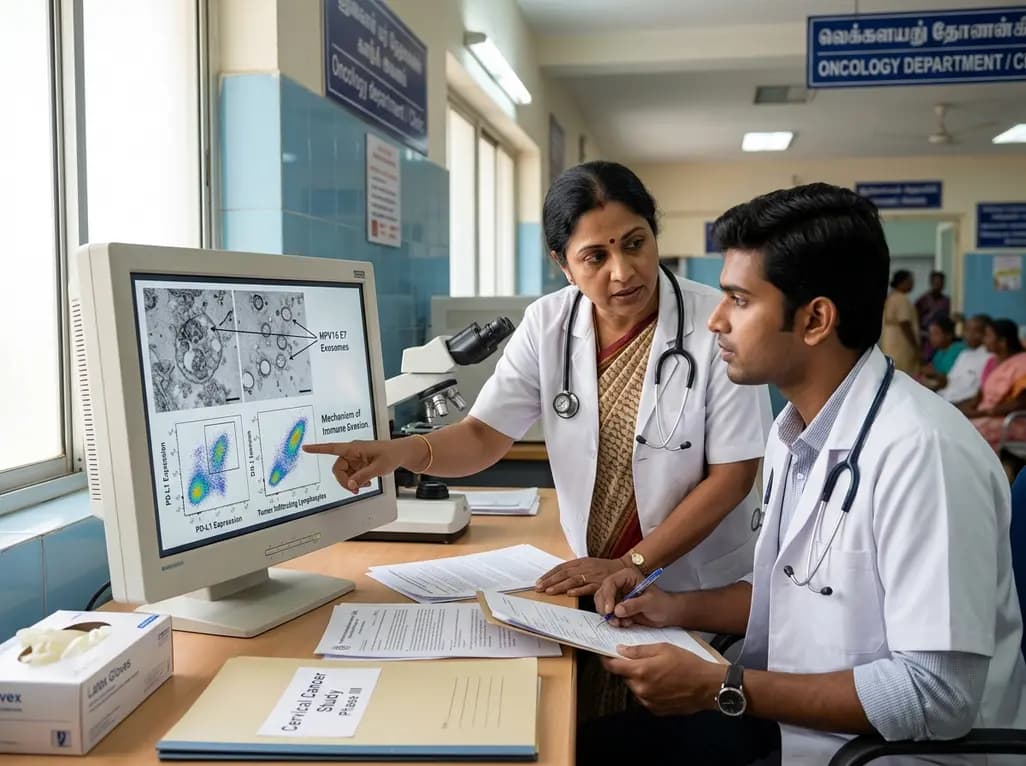
New research reveals that HPV16 E7 exosomes significantly upregulate PD-L1 on tumor-infiltrating lymphocytes in cervical cancer, driving local immune suppression and correlating with poorer patient survival. These findings expose key mechanisms of immune evasion with direct relevance to checkpoint blockade therapies.
Today
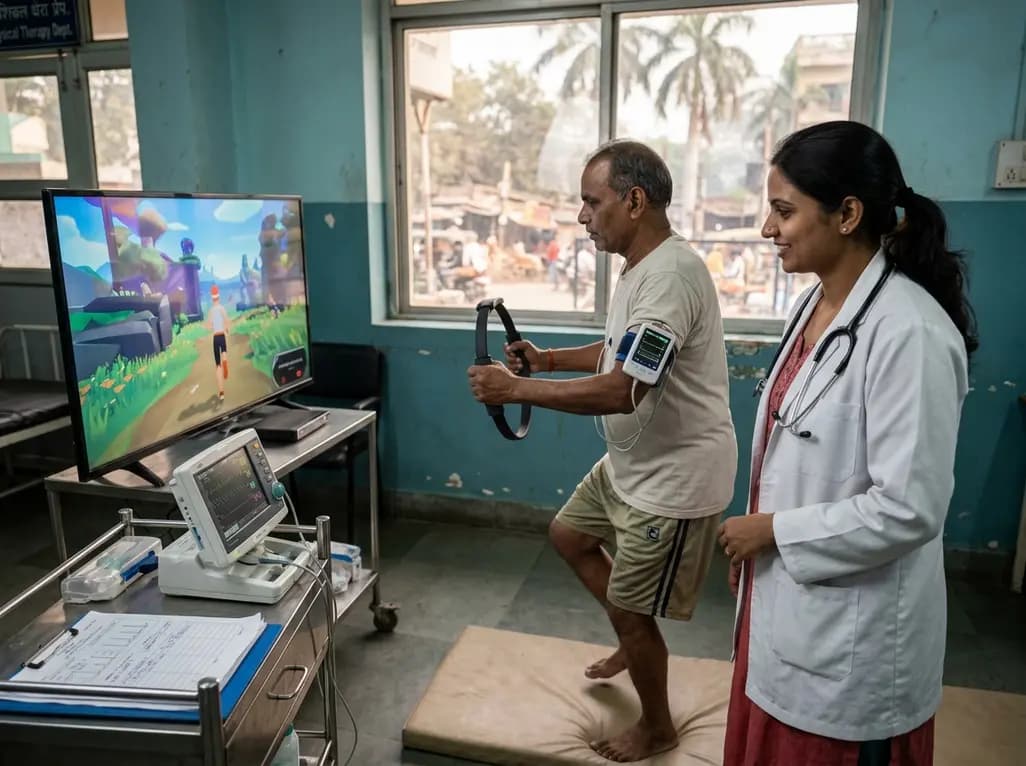
A clinical study evaluated Ring Fit Adventure in adults with chronic conditions, revealing that exergaming achieves moderate-to-vigorous exercise intensity while maintaining hemodynamic stability, high enjoyment, and zero adverse events.
Today
A retrospective cohort study reveals that selecting the touched vertebra as the lowest instrumented vertebra in thoracic adolescent idiopathic scoliosis yields a 20.8% distal add-on rate, driven by remnant motion segments and axial rotational discrepancies.
Today
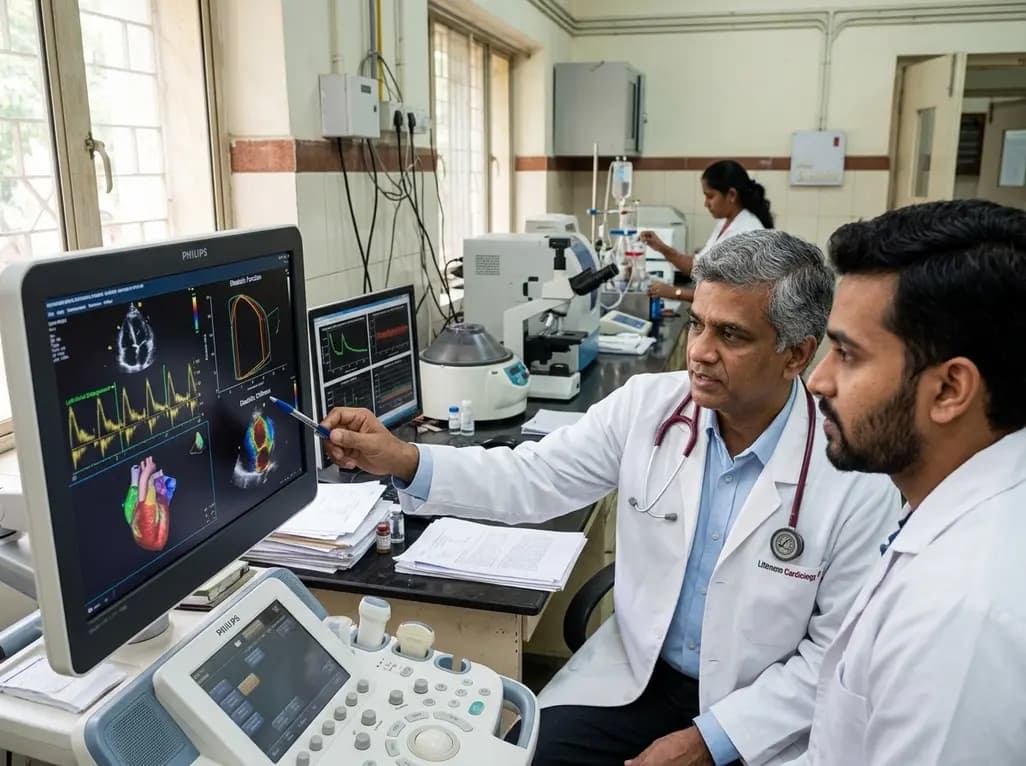
A study evaluates a cardiometabolic HFpEF model combining metabolic stress with chronic mineralocorticoid excess. The findings reveal profound diastolic stiffness, endothelial dysfunction, and pulmonary hypertension, illuminating key pathophysiological mechanisms for targeted cardiopulmonary therapies.
Today
