.webp&w=384&q=75)

Loading, please wait...
Loading, please wait...

A recent prospective cohort study published in Military Medicine examines the psychological distress trajectories of Japan Ground Self-Defense Forces (JGSDF) personnel. This research focuses on soldiers deployed to the United Nations Mission in South Sudan (UNMISS). Consequently, the findings provide a longitudinal look at how these individuals adapt to high-stress environments over 24 months post-deployment.
The research team utilized latent growth mixture modeling to identify four distinct patterns of mental health adjustment. Surprisingly, while the majority (57.9%) belonged to the Resilient group, approximately one-fourth experienced long-term issues. The study categorized these as the Recovery (18.6%), Chronic (13.0%), and Delayed (10.5%) groups. Furthermore, the Chronic group maintained high levels of distress throughout the study period, highlighting a significant need for early intervention.
Several pre-deployment factors significantly predicted which personnel might fall into the Chronic distress category. For instance, officer rank and pre-deployment sleep disturbance were prominent risk factors. In addition, existing anxiety and dysphoria symptoms increased the likelihood of long-term distress. Conversely, high levels of pre-deployment resilience served as a vital protective factor. In particular, cognitive flexibility allowed personnel to adapt more effectively to shifting mission demands.
Environmental factors after the mission also played a crucial role. At 12 months post-deployment, quantitative job overload was a risk factor for the Chronic group. Meanwhile, qualitative job overload specifically affected the Delayed group. However, supervisor support acted as a strong buffer, particularly for those in the Chronic category. Therefore, strengthening post-deployment support systems is just as essential as pre-deployment resilience training.
Healthcare providers should prioritize pre-deployment screenings for sleep quality and mood stability. Clinicians can also focus on enhancing cognitive flexibility as a core component of resilience training. Ultimately, providing robust social and professional support after a mission remains a cornerstone of promoting mental health among peacekeepers.
Studies identify four main trajectories: Resilient, Recovery, Chronic, and Delayed. While most personnel remain resilient, a notable percentage face chronic or delayed-onset distress.
Pre-deployment resilience, specifically cognitive flexibility, is a major protective factor. Additionally, good sleep quality and strong supervisor support post-deployment help stabilize long-term mental health.
Disclaimer: This content is for informational and educational purposes only. It does not constitute medical advice or a professional healthcare opinion. Refer to the latest local and national guidelines for clinical practice.
References

Read summarized clinical updates, watch expert medical content, and earn CME certifications right from your smartphone.
Open your smartphone camera to scan and install.





A study of Japan's peacekeepers identifies 4 mental health trajectories, highlighting sleep and cognitive flexibility as key factors for long-term well-bein...
8 months ago
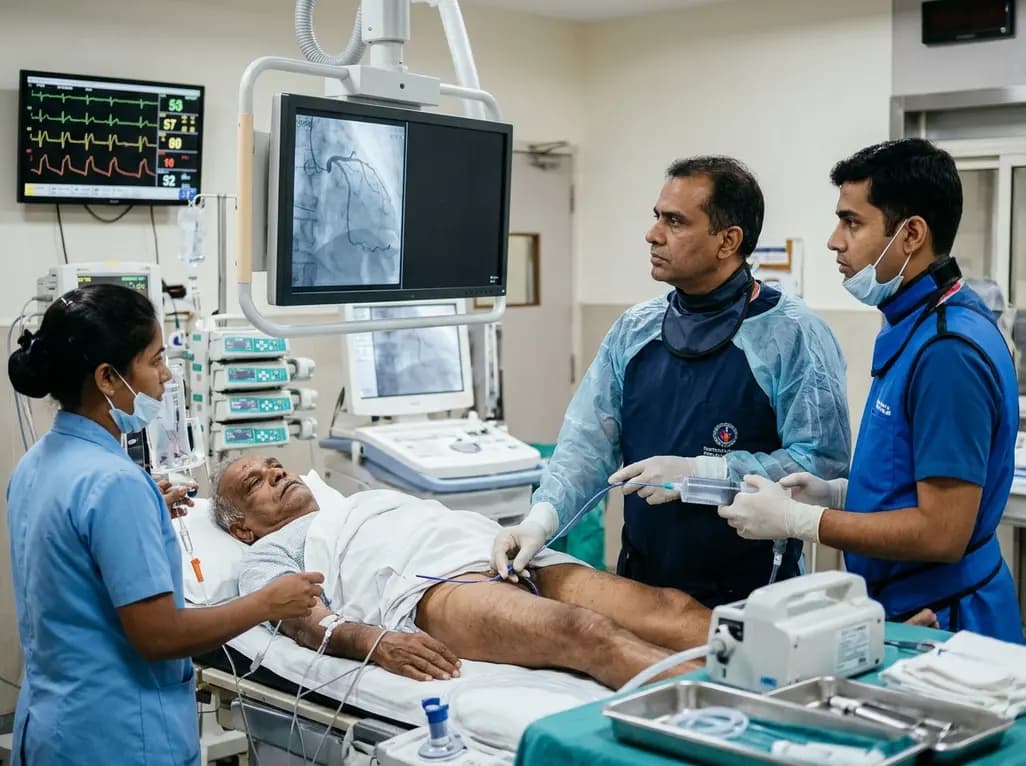
An elderly man with partially repaired Tetralogy of Fallot presented with STEMI caused by coronary embolism rather than atherosclerosis. Successful treatment with sustained mechanical aspiration thrombectomy underscores the vital need for high clinical vigilance in adult congenital heart disease.
Today
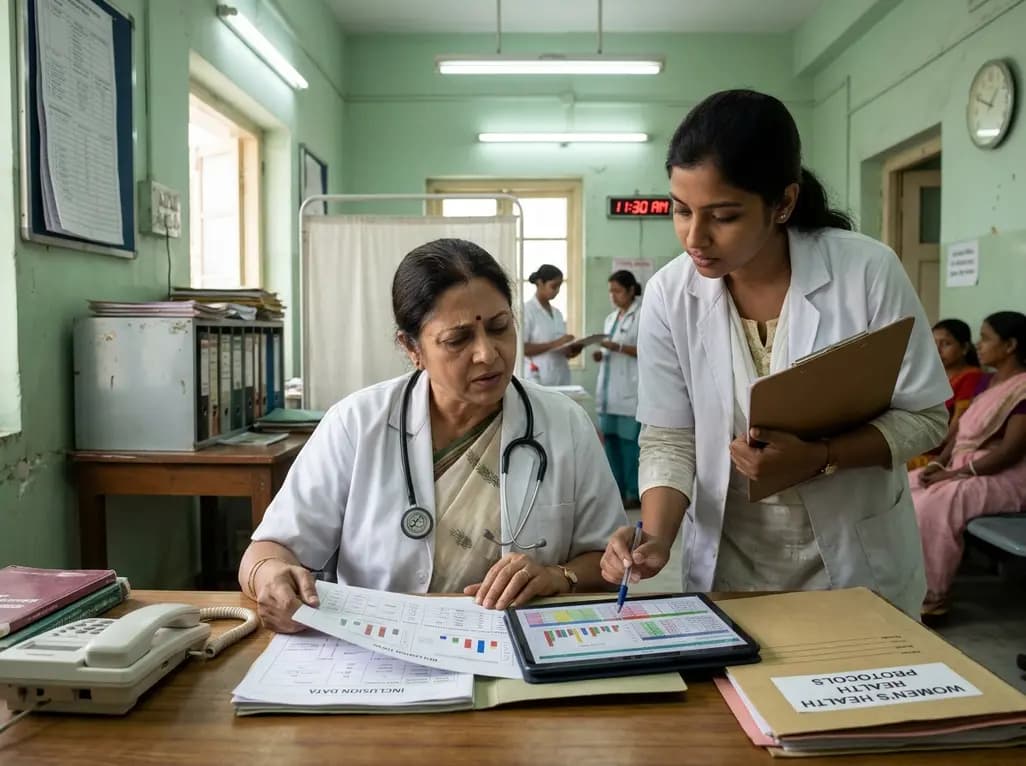
Demanding exhaustive hormonal profiling can inadvertently discourage clinical studies involving females. Methodological standards must align with the specific scientific question to expand, not restrict, equitable evidence for women.
Today
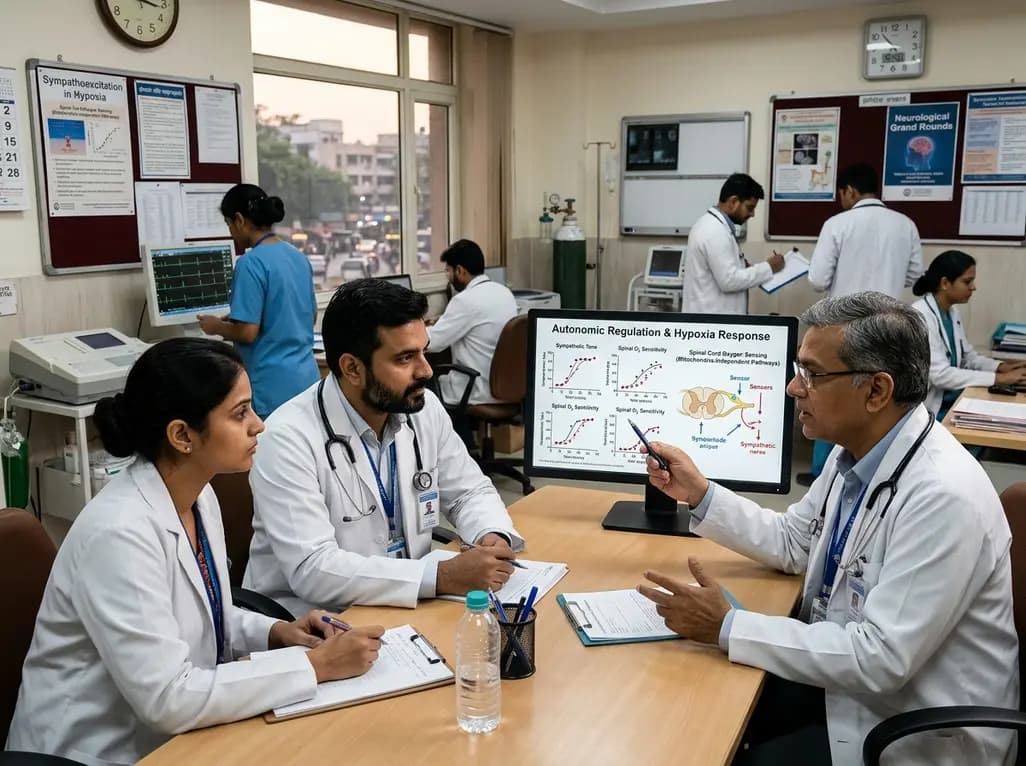
A recent study demonstrates that spinal oxygen sensors do not require mitochondrial electron transport to trigger sympathetic excitation during acute hypoxia, revealing new insights into how mitochondrial oxidative stress modulates autonomic tone in cardiovascular and neurological diseases.
Today

A novel calcium polyphosphate coacervate enables injectable bone implants with in situ hierarchical porosity via phase separation and gas foaming, significantly enhancing cell proliferation, energy metabolism, and osteogenic differentiation for minimally invasive bone defect repair.
Today

Following regulatory scrutiny from FSSAI regarding promotional representations and lean muscle preservation claims, Dr. Reddy's Laboratories and Nestlé Health Science are currently reviewing the branding and marketing strategy for their joint nutritional supplement Celevida GLP+.
Today
