.webp&w=384&q=75)

Loading, please wait...
Loading, please wait...

Neonatal cardiac surgery with cardiopulmonary bypass carries substantial risks of postoperative acute kidney injury and fluid overload. To protect renal function, clinicians increasingly utilize proactive drainage strategies. Recent clinical evidence demonstrates that prophylactic peritoneal dialysis effectively mitigates severe renal injury in newborn infants undergoing complex surgical repair. Consequently, understanding this intervention optimizes neonatal cardiac critical care.
Postoperative acute kidney injury represents a frequent, life-threatening complication following neonatal congenital heart surgery. Immature neonatal kidneys feature low glomerular filtration rates and poor physiological reserve against ischemic insults. Cardiopulmonary bypass, prolonged aortic cross-clamping, and systemic inflammatory cascades severely impair renal microvascular perfusion. When ischemia develops, tubular epithelial cells undergo rapid apoptosis and acute necrosis. Consequently, affected neonates experience dangerous fluid overload, severe metabolic acidosis, and intractable hyperkalemia. Fluid retention directly impairs cardiac output, worsens pulmonary edema, and prolongs invasive mechanical ventilation. Traditionally, clinicians rely on aggressive loop diuretic therapy to stimulate renal output. However, high diuretic doses often induce prerenal azotemia, worsen hypovolemia, and deplete electrolytes without improving underlying glomerular clearance. Furthermore, starting peritoneal dialysis as a delayed rescue therapy after profound fluid overload develops carries high morbidity and mortality. Clinicians urgently require proactive therapeutic strategies to prevent renal collapse before it arises. Mitigating fluid retention during the immediate postoperative window remains essential for improving survival in these critically ill neonates. Therefore, establishing early organ-protective protocols transforms postoperative outcomes across pediatric intensive care units.
A single-centre matched retrospective cohort study evaluated neonates aged 0 to 30 days undergoing cardiac surgery. The study compared 224 neonates receiving proactive peritoneal management against 224 matched controls without proactive dialysis. Matching accounted rigorously for patient age, sex, and surgical complexity scores. The primary objective assessed postoperative severe acute kidney injury using Kidney Disease: Improving Global Outcomes staging criteria. Significantly, patients managed with prophylactic peritoneal dialysis showed a dramatic reduction in severe renal injury. Severe kidney injury developed in only 13.4% of the prophylactic group compared to 30.4% in the non-prophylactic cohort. This profound difference demonstrates the substantial protective power of planned peritoneal drainage. Furthermore, early catheter usage provides continuous clearance of circulating pro-inflammatory mediators generated during cardiopulmonary bypass. Because passive drainage prevents positive fluid balance, myocardial work decreases substantially during the vulnerable low cardiac output phase. Moreover, infants in the proactive cohort required fewer inotropic escalations and achieved hemodynamic stability much faster. These robust comparative findings reinforce the necessity of implementing scheduled peritoneal clearance rather than awaiting overt renal failure. Accordingly, early intervention shields fragile organ systems from lasting physiological harm.
The physiological benefits of early peritoneal access extend well beyond basic waste elimination. Cardiopulmonary bypass triggers generalized capillary permeability, leading to extensive tissue edema across vital organ beds. Because neonates possess a large peritoneal surface area relative to their weight, the peritoneal membrane serves as an ideal ultrafiltration barrier. Routine postoperative dwell cycles remove ultrafiltrate gradually, which prevents precipitous drops in intravascular volume. Consequently, renal perfusion pressure remains stable while renal parenchymal congestion resolves efficiently. Lowering intra-abdominal pressure also improves renal venous outflow, which directly enhances transglomerular filtration pressure gradients. In addition, early peritoneal exchange removes cardiotoxic cytokines and circulating inflammatory debris. This targeted clearance supports myocardial contractility and mitigates systemic vascular instability. Therefore, intensivists achieve steady fluid removal without inducing sudden hypotensive episodes. Meanwhile, maintaining stable electrolyte levels and clearing metabolic acids averts malignant cardiac arrhythmias. As a result, proactive peritoneal ultrafiltration provides dual organ support, effectively protecting both neonatal cardiac output and renal tubular architecture from secondary ischemic injury. Thus, uninterrupted peritoneal flow establishes an optimal environment for postoperative cellular recovery.
Implementing proactive peritoneal support requires meticulous surgical technique and disciplined bedside management. Cardiac surgeons typically insert a soft peritoneal catheter directly into the pelvic cavity under direct vision before closing the sternum. This proactive approach avoids emergency percutaneous abdominal cannulation in unstable neonates with coagulopathy. Once transferred to the intensive care unit, trained nursing teams initiate gentle manual or automated exchanges. Clinicians frequently utilize small dwell volumes between ten and twenty milliliters per kilogram to avoid diaphragmatic elevation. In addition, strict aseptic technique during connectology procedures prevents bacterial peritonitis. Although technical issues such as catheter malposition, dialysate leakage, or transient obstruction can arise, severe complications remain infrequent under standardized protocols. Continuous monitoring of effluent clarity and cell counts facilitates early detection of intraperitoneal inflammation. Furthermore, regular laboratory assessments prevent common metabolic disturbances, including hypokalemia and hyperglycemia. Consequently, a structured bedside pathway ensures safe fluid removal while minimizing procedural risks. Establishing institutional guidelines enables pediatric critical care teams to deliver consistent, life-saving peritoneal therapy safely. Therefore, routine surgical catheter placement represents a low-risk, highly effective foundation for modern postoperative critical care.
Integrating proactive peritoneal therapy into routine clinical care delivers profound prognostic benefits. Rather than waiting for oliguria or azotemia, clinicians should stratify neonates based on surgical complexity and bypass duration. Infants undergoing complex arterial switch operations or single-ventricle reconstructions derive substantial protection from early peritoneal intervention. Accordingly, cardiac critical care units should institute clear protocols guiding catheter placement, dwell times, and fluid removal goals. Furthermore, proactive peritoneal management significantly reduces the duration of invasive mechanical ventilation. Because fluid overload resolves rapidly, chest wall compliance improves, allowing earlier safe extubation. Shorter ventilation periods reduce the risks of ventilator-associated pneumonia, airway trauma, and heavy sedation exposure. Moreover, mitigating severe acute kidney injury decreases intensive care length of stay and lowers total healthcare costs. Ultimately, planned peritoneal dialysis converts acute crisis management into predictable organ-protective care. Cohesive collaboration between pediatric cardiac surgeons, intensivists, and nephrologists remains crucial to maximize clinical success and optimize long-term neonatal survival. Thus, modern cardiac critical care units must embrace proactive renal replacement therapies as an indispensable standard of high-quality surgical care.
Clinicians diagnose severe acute kidney injury in neonates using standardized neonatal KDIGO criteria, focusing on serum creatinine and urine output. Specifically, stage two AKI involves a two- to 2.9-fold increase in serum creatinine over baseline, while stage three requires a threefold rise, absolute creatinine above 2.5 mg/dL, or renal replacement therapy. Furthermore, persistent oliguria under 0.5 mL/kg/h for twelve hours confirms advanced renal dysfunction requiring immediate clinical intervention.
Peritoneal dialysis offers superior safety and technical feasibility in neonates compared to continuous veno-venous hemodialysis. Neonates possess fragile, diminutive vascular structures that make large-bore central vascular cannulation technically difficult and prone to thrombosis. In contrast, surgeons can insert peritoneal catheters safely during chest closure without vascular compromise. Furthermore, peritoneal dialysis allows gradual, continuous fluid and solute clearance. Consequently, it maintains hemodynamic stability and prevents the rapid blood pressure swings typical of extracorporeal circuits.
Although peritoneal catheters are generally well tolerated, potential complications include catheter occlusion, peritoneal fluid leakage around the insertion site, and bacterial peritonitis. In addition, high dwell volumes can increase intra-abdominal pressure, causing diaphragmatic elevation and respiratory compromise. Meticulous surgical insertion, careful volume titration between ten and twenty milliliters per kilogram, and strict aseptic handling by trained critical care staff effectively minimize these procedural risks and preserve catheter function throughout intensive care.
Disclaimer: This content is for informational and educational purposes only... Refer to the latest local and national guidelines for clinical practice.
References

Read summarized clinical updates, watch expert medical content, and earn CME certifications right from your smartphone.
Open your smartphone camera to scan and install.





A matched retrospective cohort study demonstrates that prophylactic postoperative peritoneal dialysis significantly reduces the incidence of severe acute kidney injury from 30.4% to 13.4% in neonates undergoing cardiac surgery, offering essential protective benefits in pediatric cardiac critical care.
Today
A pharmacovigilance analysis of over 357,000 FAERS reports evaluates infection risks across systemic psoriasis therapies. While IL-23 inhibitors showed near-null signals, IL-17 and IL-12/23 inhibitors maintained elevated infection reporting, with IL-17 agents demonstrating a notable signal for candidiasis.
Today
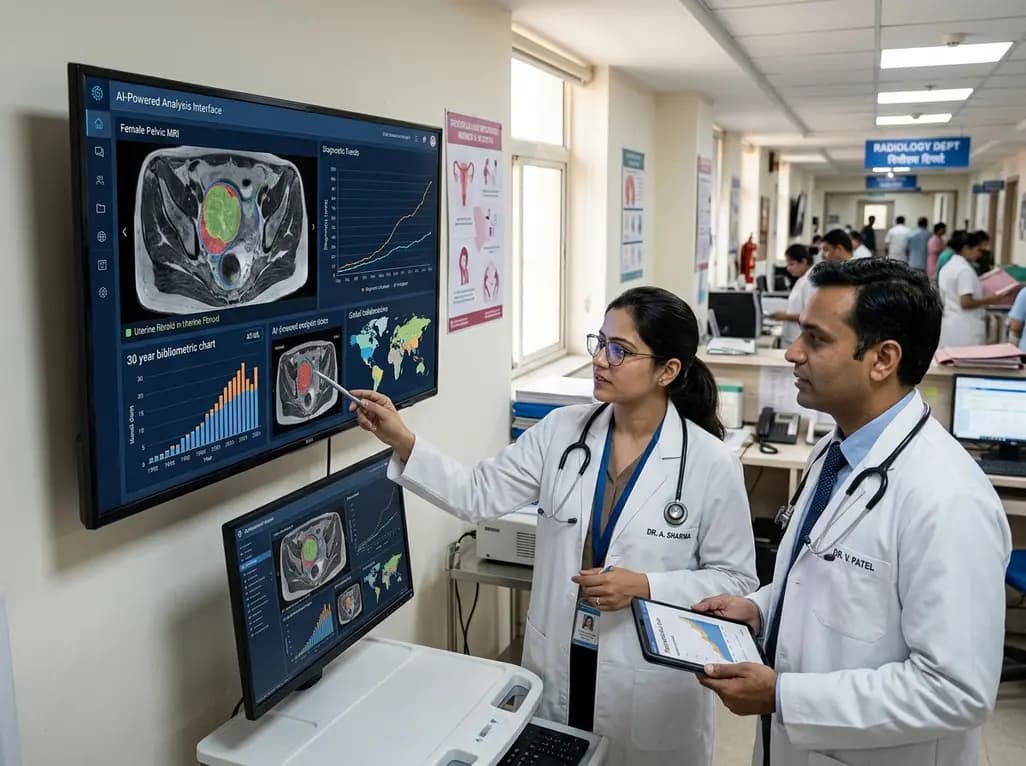
A 30-year bibliometric analysis highlights key research trends in AI in women's health from 1992 to 2024. Discover how evolving computational models, global institutional collaborations, and clinical decision support tools are shaping maternal, oncological, and reproductive care worldwide.
Today

A Level I trauma center study shows a brief bedside mental health intervention boosts 30-day follow-up screening adherence by 84% in nonviolent injury patients. However, outcomes for violence survivors reveal critical care gaps, underscoring the urgent need for specialized community violence intervention programs.
Today

A preclinical study demonstrates that the SGLT2 inhibitor remogliflozin attenuates cyclophosphamide-associated peripheral neurotoxicity in rats. Remogliflozin restores antioxidant balance via Nrf2, suppresses NF-κB-driven neuroinflammation, activates PI3K/Akt survival signaling, and preserves structural myelin integrity.
Today
