.webp&w=384&q=75)

Loading, please wait...
Loading, please wait...

Adolescence is a pivotal developmental phase marked by profound neurodevelopmental remodeling, emotional vulnerability, and heightened stress sensitivity. During this delicate window, suicidal thoughts and behaviors represent a catastrophic public health crisis and remain a leading cause of mortality worldwide. While traditional psychiatric paradigms historically focused exclusively on psychosocial stressors, modern translational psychiatry underscores the biological underpinnings of affective distress. In particular, elevated proinflammatory gene expression has emerged as an essential biological correlate of psychiatric vulnerability in youth. A groundbreaking prospective longitudinal study evaluated whether basal leukocyte transcriptional profiles could predict suicidal risk over a twelve-month follow-up period. By examining specific immune pathways, researchers have provided compelling objective evidence that immune signaling directly correlates with the subsequent onset and escalation of suicidal ideation and actions. Consequently, these findings offer vital mechanistic insights that may transform future diagnostic and therapeutic strategies in adolescent mental healthcare.
The prospective investigation tracked 211 adolescent females aged 9 to 14 years who were at elevated risk for self-injurious thoughts and behaviors. Researchers specifically measured basal leukocyte mRNA transcripts reflecting conserved transcriptional responses to adversity, focusing on an average composite of 15 proinflammatory transcripts. Furthermore, they quantified CD14 messenger RNA levels, an established molecular indicator of peripheral monocyte abundance. Over twelve months of structured longitudinal follow-up, the investigators observed that elevated baseline proinflammatory gene expression significantly predicted subsequent suicidal thoughts and behaviors. This association remained robust even after adjusting for previous histories of self-harm and suicidal crisis. In addition, higher levels of CD14 expression demonstrated an almost identical prospective hazard, confirming that monocyte activation plays an active role in distress cascades. Therefore, these molecular markers provide an objective physiological window into prospective psychiatric vulnerability. Because the adolescent brain undergoes rapid synaptic pruning and myelination, systemic immune activation may disrupt sensitive neural circuits regulating impulse control and affect. Thus, immune transcriptomics reveals critical predisposing factors long before clinical decompensation manifests.
A critical question in clinical psychiatry is whether inflammatory upregulation merely reflects general distress or represents a distinct pathophysiological driver. To resolve this question, researchers performed comprehensive sensitivity analyses controlling for baseline depressive severity, lifetime trauma history, and prior suicidal events. Remarkably, the prospective association between heightened proinflammatory signaling and subsequent suicidal thoughts and behaviors remained statistically significant and unaltered. This persistence demonstrates that neuroimmune dysregulation is not merely an epiphenomenon of depressive mood or acute environmental stress. Instead, chronic immune activation operates as an independent biological risk factor for adolescent suicidal crises. Clinicians frequently encounter patients with severe interpersonal trauma who struggle with intractable affective turbulence. However, traditional psychiatric interviews cannot fully quantify the sustained biological burden that chronic adversity inflicts upon the immune system. By proving that immune activation predicts future risk independently of past trauma and mood scores, this study illustrates why purely symptom-based scales often fail to predict acute crises. Therefore, peripheral transcriptional biomarkers may fill a crucial prognostic void in adolescent risk assessment.
Understanding the precise biological bridges linking peripheral leukocyte activity to central nervous system dysfunction is essential for clinicians. When peripheral immune cells overexpress inflammatory mediators, circulating cytokines traverse the blood-brain barrier through humoral, neural, and cellular pathways. Within the central nervous system, these cytokines stimulate microglia and astrocytes, precipitating localized neuroinflammation. Furthermore, heightened inflammatory signaling accelerates the kynurenine metabolic pathway by activating the enzyme indoleamine 2,3-dioxygenase. Consequently, tryptophan metabolism shifts away from serotonin synthesis toward neurotoxic catabolites such as quinolinic acid and 3-hydroxykynurenine. Elevated quinolinic acid stimulates N-methyl-D-aspartate receptors, causing glutamatergic excitotoxicity and disrupting frontolimbic connectivity. In adolescents, these neurochemical disruptions directly impair the prefrontal cortex, which governs executive function, cognitive flexibility, and emotional regulation. Additionally, chronic inflammation dysregulates hypothalamic-pituitary-adrenal axis negative feedback, exacerbating physiological stress reactivity. As a result, adolescents experiencing systemic inflammatory signaling exhibit diminished stress tolerance, increased impulsivity, and severe psychological pain, which collectively heighten vulnerability to suicidal behavior.
Translating molecular discoveries into everyday pediatric and psychiatric practice requires an integrated biopsychosocial approach. While routine clinical assays do not yet include multiplexed gene expression panels, recognizing immune activation as a core driver helps clinicians refine clinical risk stratification. For example, clinicians should carefully evaluate somatic symptoms that often accompany systemic low-grade inflammation, including chronic fatigue, sleep disturbances, gastrointestinal distress, and persistent pain syndromes. Moreover, clinicians can utilize readily accessible hematological indicators, such as the neutrophil-to-lymphocyte ratio or high-sensitivity C-reactive protein, as preliminary adjuncts when evaluating high-risk youth. Identifying patients with high inflammatory tone allows multidisciplinary teams to prioritize comprehensive safety planning and intensive psychotherapeutic monitoring. In addition, recognizing that biological vulnerability underpins affective crises helps reduce the intense stigma that adolescent patients and their families frequently experience. Family practitioners and pediatricians can explain that emotional distress involves tangible, measurable physiological processes. Therefore, integrating neuroimmune insights into adolescent care fosters greater therapeutic engagement, strengthens patient trust, and enables timely clinical intervention.
The prospective link between leukocyte transcriptional activation and adolescent suicidality opens exciting therapeutic avenues that extend beyond conventional monoaminergic antidepressants. Because many adolescents with chronic inflammatory profiles show limited responses to traditional selective serotonin reuptake inhibitors, targeting immune signaling represents a promising strategy. Non-pharmacological lifestyle interventions that reduce systemic inflammation, such as regular physical exercise, anti-inflammatory dietary patterns, and structured sleep hygiene, should serve as foundational clinical recommendations. Furthermore, evidence-based psychotherapies, including cognitive behavioral therapy and dialectical behavior therapy, have demonstrated measurable efficacy in dampening peripheral inflammatory signaling over time. In specialized clinical contexts, researchers are actively investigating targeted anti-inflammatory agents, such as cytokine antagonists, minocycline, and N-acetylcysteine, for treatment-resistant affective disorders. Nonetheless, widespread adoption of pharmacologic immunomodulation in pediatric populations requires rigorous randomized clinical trials to establish safety, dosage, and efficacy. Ultimately, incorporating biological risk markers into longitudinal monitoring frameworks will accelerate the development of personalized, preventative adolescent mental healthcare.
Proinflammatory gene expression independently predicts an increased risk for suicidal thoughts and behaviors in adolescents over twelve months. Elevated immune transcripts and CD14 monocyte activity indicate systemic inflammation that impairs prefrontal neurocircuits, reduces serotonergic neurotransmission, and heightens emotional vulnerability, even when controlling for depression and trauma history.
Researchers measured CD14 mRNA as an established molecular marker for monocyte abundance and innate immune activation. Elevated CD14 levels mirrored the predictive power of overall proinflammatory gene transcripts, confirming that circulating myeloid lineage cells directly contribute to systemic inflammatory signaling and prospective suicidal behavior in vulnerable adolescents.
While anti-inflammatory medications show preliminary promise in research settings, they are not yet standard practice for youth suicidality. Clinicians currently prioritize lifestyle modifications, sleep restoration, and evidence-based psychotherapies known to reduce systemic inflammation, while awaiting randomized clinical trials confirming the safety and efficacy of targeted pharmacotherapies.
Disclaimer: This content is for informational and educational purposes only and should not be construed as medical advice. Healthcare professionals should exercise their clinical judgment when evaluating and treating patients. Refer to the latest local and national guidelines for clinical practice.
References

Read summarized clinical updates, watch expert medical content, and earn CME certifications right from your smartphone.
Open your smartphone camera to scan and install.





A 12-month prospective study of 211 adolescent females demonstrates that basal proinflammatory gene expression and CD14 mRNA levels independently predict suicidal thoughts and behaviors, even after controlling for trauma and depression, highlighting immune signaling as a vital objective biomarker for youth risk.
last month

Ceftriaxone therapy can lead to biliary sludge and gallstone formation due to calcium-ceftriaxone precipitation. A recent cohort study shows that the noninvasive Fibrosis-4 (FIB-4) index, alongside treatment duration, independently predicts lithogenesis, enabling proactive risk stratification.
Today

A multiparametric MRI approach combining quantitative T2 shading, apparent diffusion coefficient (ADC) measurements, and morphological signs provides superior diagnostic accuracy over subjective evaluation to differentiate ovarian endometriomas from benign hemorrhagic cysts.
Today

A landmark case report reveals a donor heart beating for a century in a 63-year-old recipient, challenging conventional age limits in cardiac transplantation and offering critical lessons on organ longevity, donor selection, and long-term graft survival.
Today
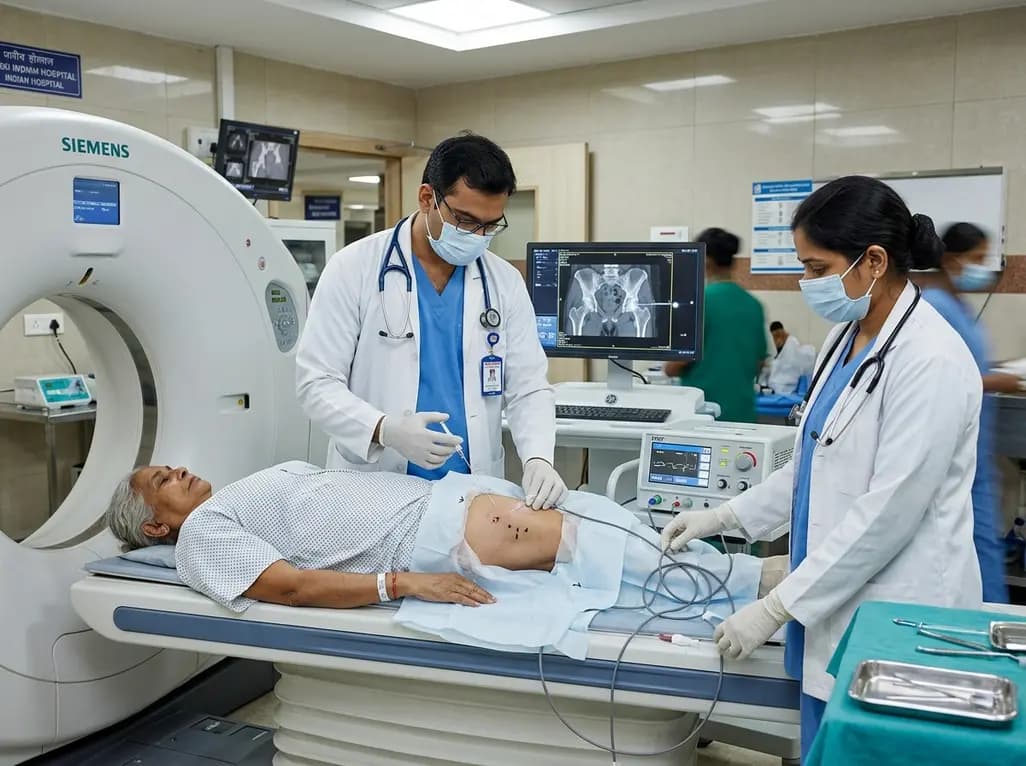
CT-guided pulsed radiofrequency ablation of the obturator nerve delivers durable pain relief up to 12 months in mild-to-moderate hip osteoarthritis, while offering a safe short-term palliative bridge for severe grade 4 disease without procedural complications.
Today

New research reveals that M1 macrophage-derived exosomes aggravate diabetic nephropathy by transferring WTAP to stabilize S1PR2 mRNA. Silencing WTAP in these vesicles attenuates endothelial injury and renal fibrosis, pointing toward innovative nanomedicine therapies.
Yesterday
