.webp&w=384&q=75)

Loading, please wait...
Loading, please wait...

The rapid expansion of private equity in healthcare is fundamentally altering the clinical and economic landscape of Kerala. Historically, the state flourished under a robust network of independent, doctor-run nursing homes and community hospitals. However, global investment firms are now acquiring prominent hospital chains across the region. This massive influx of capital drives corporate consolidation and introduces advanced medical technologies. Consequently, independent practitioners face immense pressure to keep pace with these highly capitalized networks.
In recent years, global funds have deployed nearly one billion dollars to purchase medical facilities in Kerala. For instance, major firms like KKR and Blackstone have aggressively secured majority stakes in leading regional providers. Subsequently, these consolidated entities have initiated rapid expansion plans across southern India. This shift enables corporate groups to implement standardized operational protocols and install cutting-edge diagnostic tools. Therefore, the traditional, patient-centric healthcare model is rapidly yielding to corporate systems focused on rapid growth.
While corporate consolidation brings modern infrastructure, it simultaneously raises significant concerns regarding medical inflation. Currently, Kerala exhibits some of the highest out-of-pocket medical expenditures in India. This financial burden is particularly heavy because private facilities handle the majority of secondary and tertiary hospitalizations. As a result, critics argue that profit-driven hospital administration might prioritize revenue-generating clinical services. Additionally, smaller doctor-run clinics, which previously offered subsidized care, are finding it impossible to survive.
The transition to corporate ownership often introduces strict performance targets for clinical staff. Consequently, medical practitioners may face administrative pressure to meet diagnostic and surgical quotas. Indeed, studies highlight risks of increased hospital-acquired infections and staffing cuts following private equity acquisitions. Furthermore, large corporate chains often opt out of low-yield government health insurance schemes. Thus, vulnerable patients who lack backing from overseas remittances may experience reduced access to advanced medical treatments.
Q1: How does private equity in healthcare affect independent, doctor-run hospitals in Kerala?
Private equity investments increase competition by introducing expensive diagnostic technologies and aggressive expansion tactics. Consequently, smaller doctor-run hospitals struggle to match this capital-intensive corporate scale and are frequently forced to consolidate or close.
Q2: Why is Kerala particularly attractive to global private equity investors?
Kerala is highly attractive due to its high morbidity rates, aging population, strong healthcare awareness, and reliable diaspora funding. Additionally, the high willingness of patients to pay for premium services guarantees stable cash flows for corporate hospital networks.
Disclaimer: This content is for informational and educational purposes only. It does not constitute medical advice or replace professional judgment. Refer to the latest local and national guidelines for clinical practice.
References

Read summarized clinical updates, watch expert medical content, and earn CME certifications right from your smartphone.
Open your smartphone camera to scan and install.





Analyze the surge of private equity in Kerala's healthcare, its impact on doctor-run hospitals, rising treatment costs, and implications for clinical care....
4 months ago
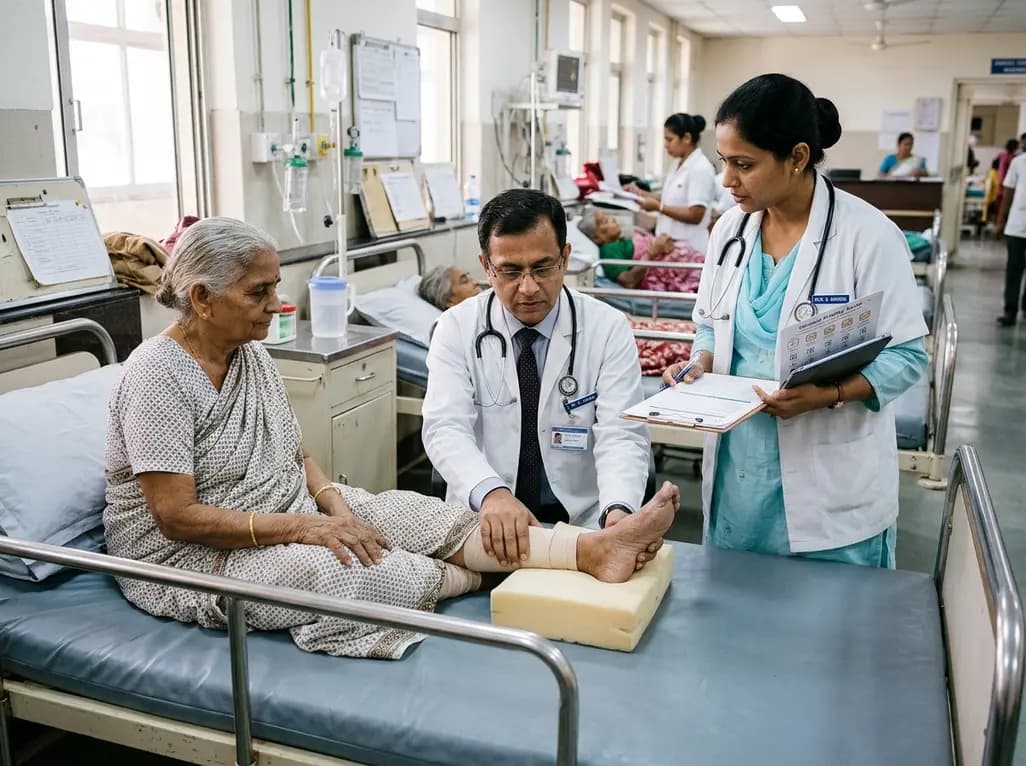
A retrospective cohort study reveals that frailty quadruples the odds of pressure injuries in hospitalized older adults. Integrating the Clinical Frailty Scale with comprehensive geriatric care is crucial for identifying vulnerability early and implementing targeted multidisciplinary prevention.
Today
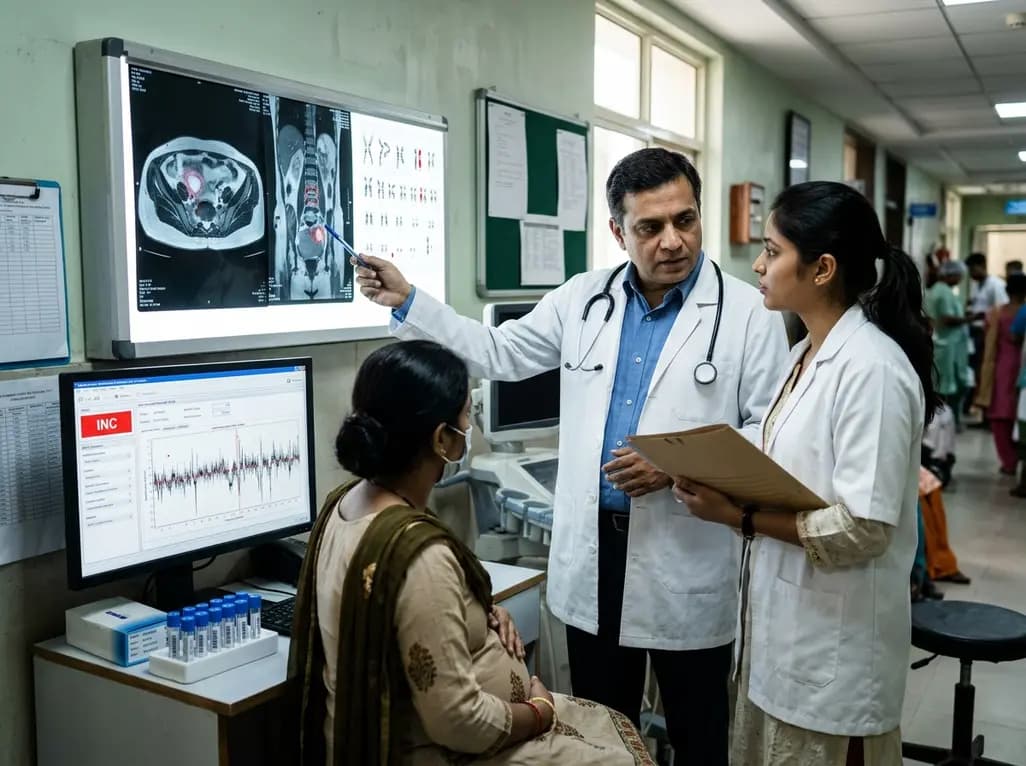
Occult maternal malignancy accounts for 3.82% of persistent unreportable NIPT results with genomic noise. Multiple chromosomal aberrations, notably on chromosome 18, warrant thorough oncological evaluation and whole-body MRI to ensure timely maternal diagnosis while preserving fetal care.
Today
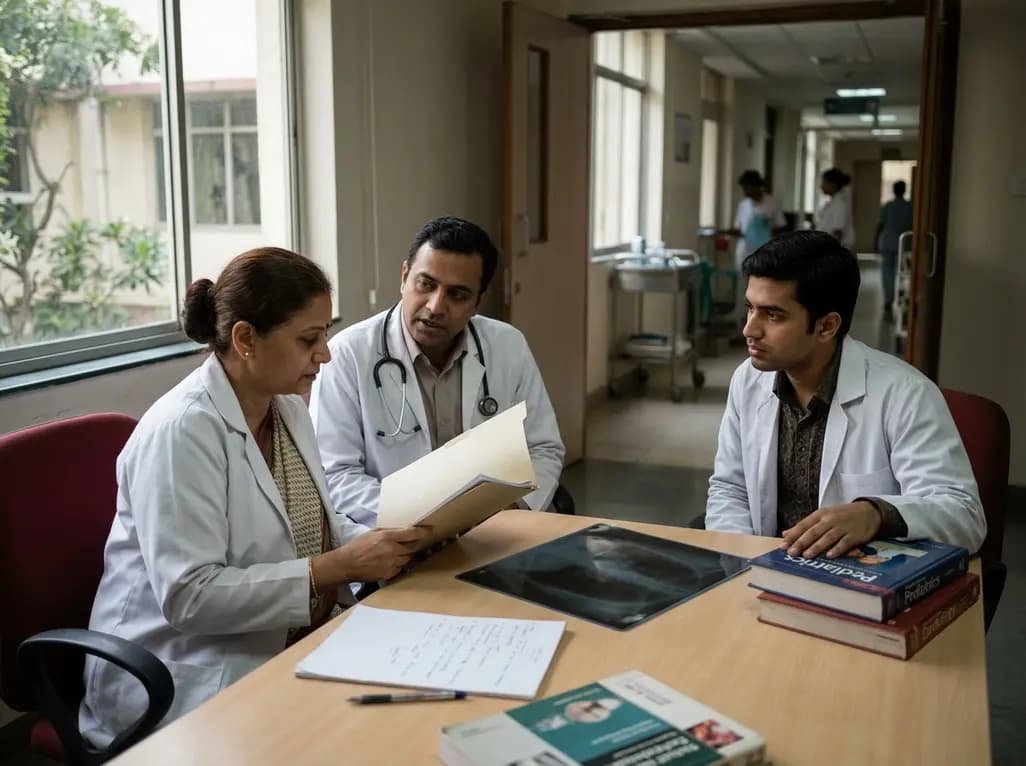
This article reviews the forensic and clinical complexities of acute myocarditis arising on left ventricular hypertrophy in children, highlighting early diagnostic red flags and multidisciplinary postmortem autopsy protocols.
Today

A randomized controlled trial demonstrates that an eight-week dual-task training intervention significantly improves static and dynamic postural control over standard balance exercises in individuals with chronic ankle instability, addressing critical neurocognitive deficits during athletic and daily activities.
Today

A retrospective cohort study of 7,716 ICU patients from the MIMIC-IV database demonstrates that Gradient Boosting Decision Trees significantly outperform traditional SOFA scores in predicting in-hospital mortality among patients with sepsis and diabetes, with SHAP analysis providing clinical interpretability.
Today
