.webp&w=384&q=75)

Loading, please wait...
Loading, please wait...
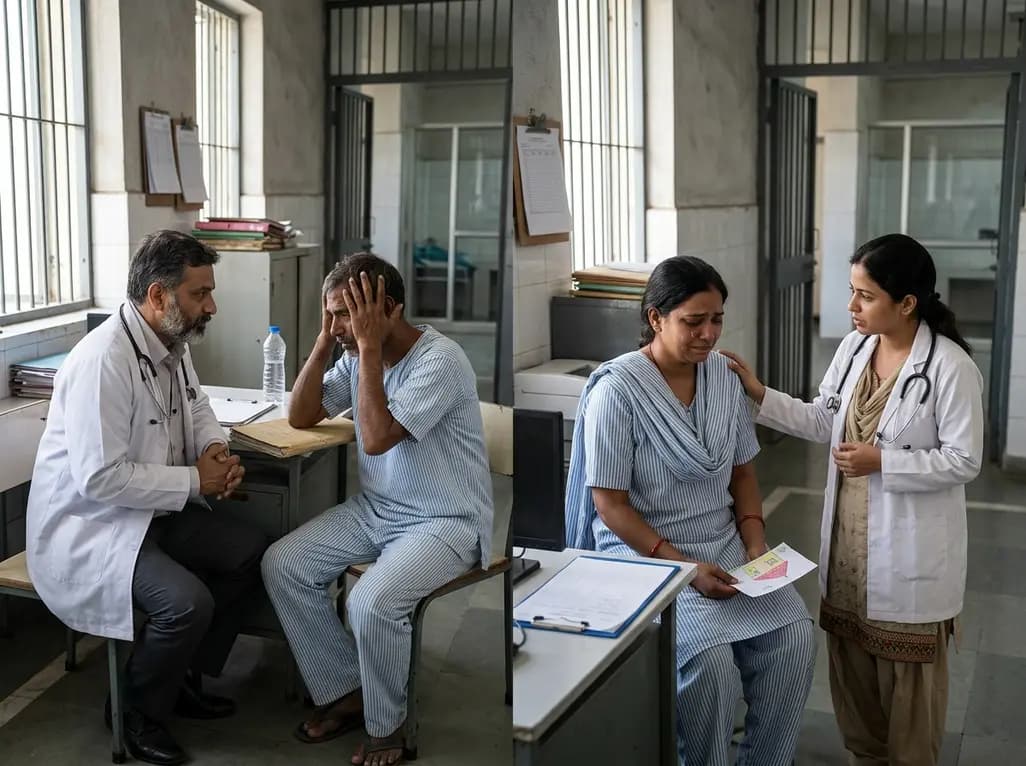
The rising rate of incarceration globally has transformed correctional facilities into a critical arena for public health intervention. Beyond the legal implications of crime and punishment, the prison environment acts as a concentrated reservoir for complex psychological morbidities. Addressing Prison Mental Health Challenges requires a deep understanding of the historical and environmental factors that drive individuals toward criminal behavior and subsequent mental decline. Recent studies have highlighted that prisoners often enter the system with a heavy burden of pre-existing trauma. Furthermore, the experience of incarceration itself can exacerbate these vulnerabilities, leading to a cycle of recidivism and poor health outcomes. Despite the clear need for specialized care, a significant gap remains in our understanding of how gender influences these psychological trajectories. Healthcare providers must recognize that the psychiatric needs of male and female prisoners are not identical. Therefore, exploring the intersections of childhood trauma, substance use, and mental health through a gender-sensitive lens is essential for developing effective rehabilitation strategies.
Research conducted in diverse settings, including recent cross-sectional studies in Tunisian jails, provides a stark look at the prevalence of these issues. By comparing male and female populations, clinicians can identify specific risk factors that contribute to anxiety, depression, and low self-esteem. Additionally, understanding these dynamics allows for the creation of more targeted interventions. For instance, women often face unique social stigmas and family disruptions that intensify their psychological distress during confinement. Conversely, men may exhibit different patterns of externalizing their trauma, often through aggression or substance abuse. Consequently, the medical community must advocate for a shift in how mental health is managed within the justice system, moving toward a more holistic and compassionate model of care.
Adverse Childhood Experiences (ACEs) serve as one of the most potent predictors of adult mental health disorders and involvement in the criminal justice system. In the context of incarcerated populations, the prevalence of childhood trauma is alarmingly high compared to the general public. However, the specific types of trauma experienced vary significantly between genders. Data indicates that female prisoners report significantly higher rates of childhood sexual abuse. This form of early-life victimization often leaves deep psychological scars that manifest as chronic anxiety and trust issues later in life. Furthermore, many women in the justice system have a history of complex trauma that includes multiple forms of abuse occurring simultaneously within the family unit.
In contrast, male prisoners often report higher frequencies of physical abuse and exposure to community violence during their formative years. Collective violence and witnessing domestic conflict are also more common among male inmates. These experiences frequently lead to the development of maladaptive coping mechanisms, such as emotional numbing or a predisposition toward violent behavior. Moreover, the normalization of violence in their early environments can distort their understanding of social norms and conflict resolution. Therefore, clinicians must assess the specific nature of a prisoner's trauma history to provide relevant therapeutic support. Failing to address these underlying ACEs often results in the failure of standard rehabilitation efforts. By acknowledging these gender-specific trauma profiles, correctional health services can better tailor their trauma-informed care practices to meet the unique needs of each individual.
The psychological impact of incarceration is often reflected in the high prevalence of anxiety and depressive symptoms among inmates. While both genders suffer significantly, women tend to report more severe symptoms of internalizing disorders. Studies using validated scales, such as the Hospital Anxiety and Depression Scale, show that a vast majority of incarcerated women suffer from clinically significant depression. Specifically, over 95% of female prisoners may exhibit depressive symptoms, which is notably higher than the rates found in male populations. This disparity suggests that women may be more susceptible to the stressors of confinement, such as separation from children and the loss of social support networks. Additionally, the lack of gender-specific health services in many jails can further exacerbate these feelings of isolation and hopelessness.
Male prisoners, while also showing high rates of depression, often present a different psychological profile. Interestingly, research suggests that male inmates may experience lower self-esteem compared to their female counterparts. This finding is significant because low self-esteem is a major risk factor for both depression and recidivism. Men may internalize the shame of incarceration differently, leading to a diminished sense of self-worth that is difficult to reconstruct within the prison walls. Furthermore, the "toughness" culture often found in male prisons can prevent men from seeking help, leading to under-diagnosis and inadequate treatment. Consequently, mental health professionals must employ proactive screening methods that look beyond obvious symptoms. Addressing these Prison Mental Health Challenges involves creating a safe space for all prisoners to discuss their emotional struggles without fear of social repercussions or institutional bias.
Substance use is intricately linked with both the commission of crimes and the deterioration of mental health within prisons. The patterns of substance consumption, however, differ markedly between male and female inmates. Generally, male prisoners are more likely to have used a wider variety of illicit substances prior to and during their incarceration. This includes higher rates of cannabis, cocaine, and synthetic drug use. For many men, substance abuse begins as a form of social bonding or a response to environmental stressors in high-crime neighborhoods. Moreover, the availability of certain drugs within the male prison environment can lead to continued addiction issues even while serving a sentence. Therefore, de-addiction programs in male facilities must focus on breaking these ingrained social habits and providing alternative coping strategies.
Female prisoners also face significant substance use challenges, though their motivations and patterns may be distinct. Women often turn to substances as a way to self-medicate for underlying trauma and depressive symptoms. While their overall rates of consumption might be lower than those of men in some studies, the impact on their health and legal status is equally devastating. Furthermore, substance use among women is frequently tied to abusive relationships, where they may have been coerced into drug-related activities. Incarceration provides a critical window for intervention, yet many facilities lack the specialized dual-diagnosis programs needed to treat both the addiction and the underlying mental health disorder simultaneously. Consequently, the integration of substance abuse treatment with trauma-informed therapy is paramount for the long-term recovery of female inmates. Without addressing the root causes of their addiction, the risk of returning to substance use post-release remains extremely high.
One of the most alarming aspects of the current psychiatric landscape in prisons is the high rate of suicidal ideation. Suicidality is a direct consequence of the cumulative impact of trauma, substance use, and the stressors of the carceral environment. Research indicates that female prisoners are particularly at risk, with nearly half of the population reporting suicidal thoughts during their time in jail. This is significantly higher than the rates seen in male populations, although men are also at substantial risk. The presence of severe depression and low self-esteem are the primary drivers of this ideation. Additionally, the initial shock of imprisonment and the subsequent loss of agency can push vulnerable individuals toward a state of crisis. Therefore, suicide prevention must be a top priority for correctional health administrators.
Effective suicide prevention requires more than just physical monitoring; it necessitates a comprehensive approach to mental well-being. This includes regular psychological screenings, access to counseling, and the creation of peer-support programs. Furthermore, clinicians must be trained to recognize the subtle warning signs of distress, which may differ between men and women. For example, men may become more withdrawn or irritable, while women might express their distress through more direct emotional outbursts or self-harming behaviors. By identifying high-risk individuals early, healthcare providers can implement life-saving interventions. Moreover, the transition period following release is a time of heightened vulnerability, making discharge planning and community mental health links essential. Reducing Prison Mental Health Challenges related to suicidality ultimately depends on our ability to foster a rehabilitative rather than a purely punitive environment.
The findings from global studies, including those from North Africa, resonate deeply with the challenges faced in the Indian correctional system. India has one of the largest prison populations in the world, and local data suggests that mental health morbidity and substance use are pervasive issues here as well. In the Indian context, the overcrowding of prisons and the shortage of trained psychiatric staff create a perfect storm for mental health crises. Furthermore, the cultural stigma surrounding both incarceration and mental illness can hinder the rehabilitation process. Consequently, Indian policymakers and medical educators must prioritize the integration of mental health services into the standard of care for all inmates. This involves not only increasing the number of professionals but also training existing staff in trauma-informed care and gender-sensitive approaches.
Specifically, there is a pressing need for gender-specific facilities and programs that address the unique trauma histories of Indian women, many of whom may have faced domestic violence or social abandonment. Similarly, for male prisoners, focusing on self-esteem and vocational training can provide a path away from substance use and recidivism. Moreover, the legal system should explore alternative sentencing for those whose crimes are primarily driven by untreated mental illness or addiction. Therefore, the medical community must lead the charge in advocating for evidence-based reforms that treat prisoners as patients deserving of care. By addressing Prison Mental Health Challenges head-on, we can improve the safety of our correctional facilities and, more importantly, ensure that individuals return to society with the mental resilience needed to live productive, law-abiding lives.
Male prisoners are more frequently exposed to physical abuse and community-based collective violence during childhood. In contrast, female prisoners report significantly higher rates of childhood sexual abuse. These distinct trauma profiles require different therapeutic approaches, as women often need more intensive trauma-focused care for interpersonal victimization and its associated psychological distress.
Depressive symptoms are extremely prevalent in both genders but tend to be more severe and widespread among incarcerated women. Studies suggest that over 90% of female inmates may suffer from depressive disorders compared to a lower, though still significant, percentage of men, often due to separation from family and higher trauma burdens.
The primary contributors to suicidal ideation in prisons include severe depression, low self-esteem, and a history of substance abuse. Women typically report higher rates of suicidal thoughts, often linked to the intense emotional distress and loss of social identity caused by incarceration, whereas men may be influenced by diminished self-worth and internalized shame.
Disclaimer: This content is for informational and educational purposes only and does not constitute medical advice, diagnosis, or treatment. Always seek the advice of your physician or other qualified health provider with any questions you may have regarding a medical condition. Refer to the latest local and national guidelines for clinical practice.
References
Ajmi Blout A et al. Childhood trauma, substance use and mental health: Exploring differences across two Tunisian jails. PLoS One. 2026. doi: 10.1371/journal.pone.0353367. PMID: 42424322.
National Institute of Mental Health and Neurosciences (NIMHANS). Mind-Imprisoned: Mental Health Care in Indian Prisons. Bangalore, India. 2024.
United Nations Office on Drugs and Crime (UNODC). Drug Abuse Among Prison Populations: A Global and Regional Perspective. 2023 Update.

Read summarized clinical updates, watch expert medical content, and earn CME certifications right from your smartphone.
Open your smartphone camera to scan and install.





This analysis explores the deep-rooted links between childhood trauma, substance use, and mental health among prisoners. By comparing male and female jails, it highlights significant gender disparities in trauma types, anxiety, and suicidality, offering insights for more effective psychiatric rehabilitation.
Last week
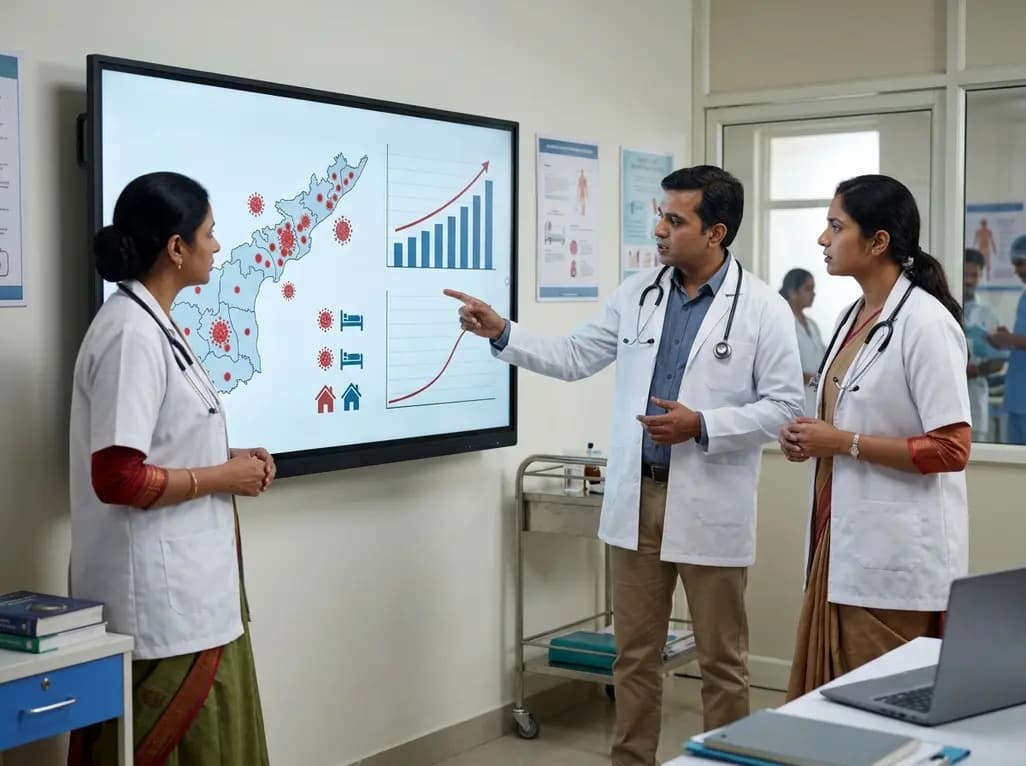
Andhra Pradesh reported 10 new Covid-19 cases, taking the state tally to 49 while deaths remain at four. With 24 patients hospitalized and 16 under home isolation, the Health Department has intensified monitoring. Medical professionals should review regional distribution, diagnostic protocols, and management plans.
Today

An 11-year Swedish registry study of 618 uterine sarcoma patients found that minimally invasive surgery yielded survival comparable to open surgery in early stages. However, adjuvant chemotherapy conferred no survival benefit in localized or advanced disease, highlighting stage and histology as key outcomes.
3 days back
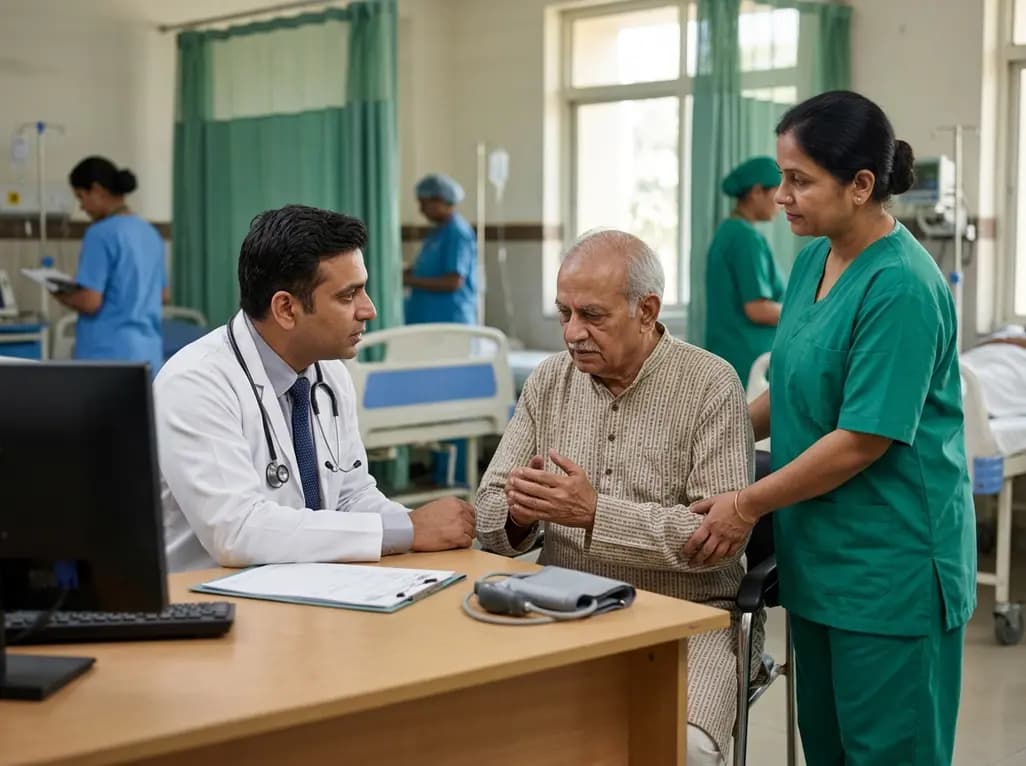
A cross-sectional study evaluates post-intensive care syndrome in cardiac patients 2-4 weeks post-ICU discharge, highlighting cognitive, psychological, and functional impairments and the need for structured multidisciplinary rehabilitation.
3 days back
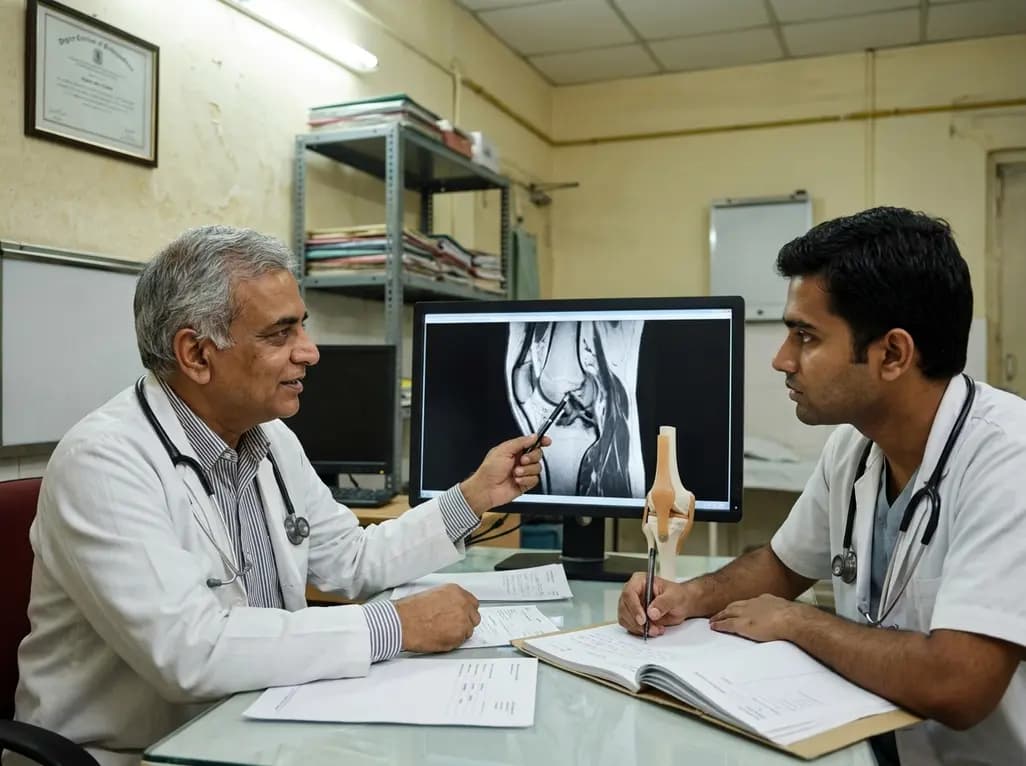
Anterior cruciate ligament reconstruction failure lacks uniform definition. A narrative review proposes an integrative framework incorporating objective and subjective instability, persistent pain, restricted motion, graft rupture, and secondary meniscal injury to standardize clinical reporting.
3 days back
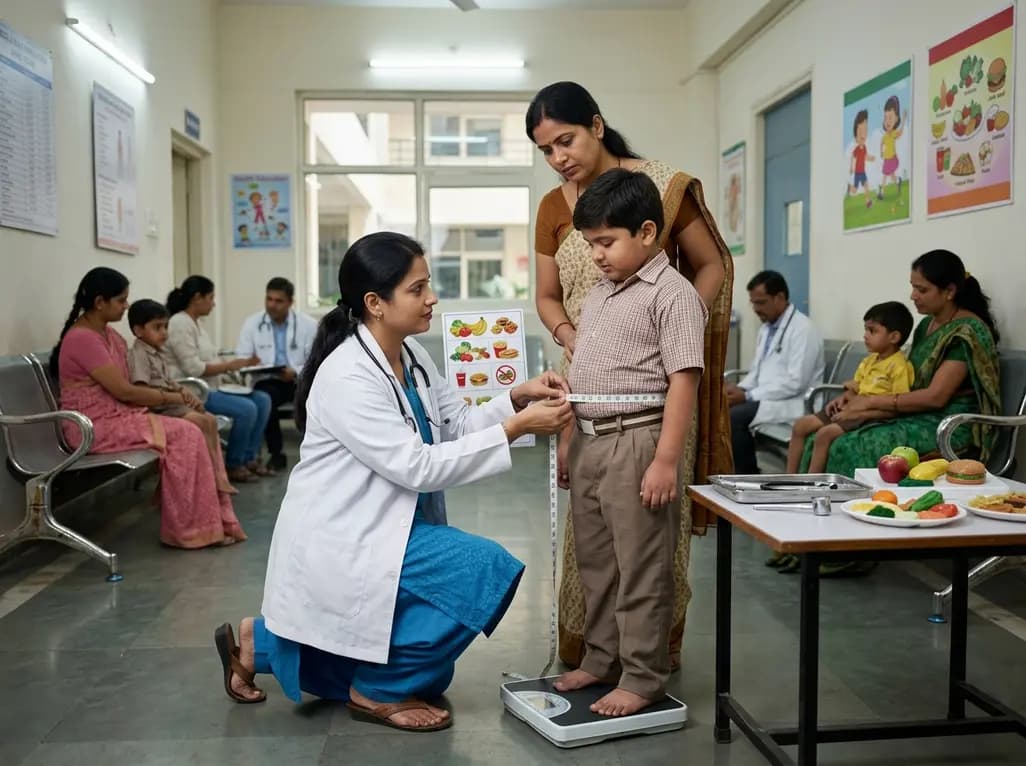
With World Obesity Atlas data warning that over 41 million Indian children are overweight or obese, ICMR and NIN have unveiled a 10-point policy roadmap. The initiative calls for mandatory front-of-pack labeling, HFSS taxes, strict marketing bans, and healthier school environments to curb non-communicable diseases.
Today
