.webp&w=384&q=75)

Loading, please wait...
Loading, please wait...
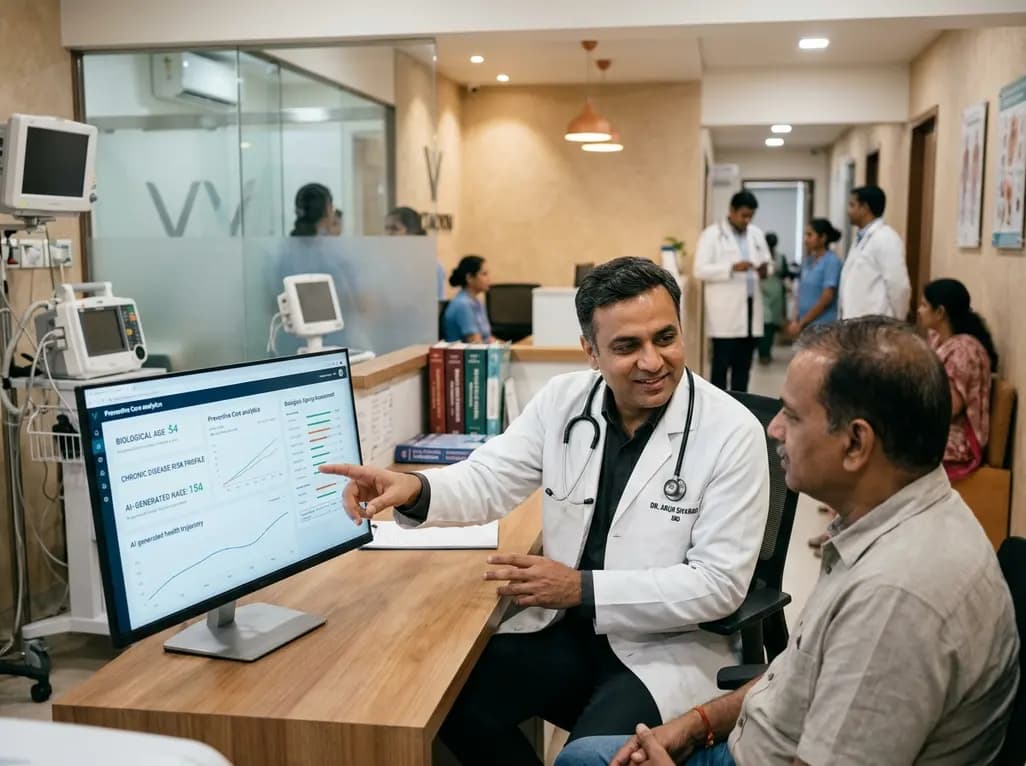
Healthcare delivery is currently undergoing an essential paradigm shift across the globe. Specifically, modern clinicians increasingly focus on extending healthy lifespan rather than merely managing symptomatic conditions. In this evolving landscape, preventive longevity medicine represents an innovative approach that targets biological decay before clinical symptoms emerge. Furthermore, India faces an accelerating epidemic of non-communicable diseases, creating immense demand for proactive, personalised strategies. Consequently, healthcare innovators and physicians are establishing specialized clinical models to address the molecular drivers of chronic illness. For instance, the recent capital infusion into Mumbai-based start-up Vytalyou demonstrates growing confidence in clinical healthspan extension. This development illustrates how private capital and medical expertise converge to reshape primary prevention across major urban centres.
Vytalyou recently secured ₹9 crore in a pre-Series A funding round to accelerate its physical clinic expansion. Investors Chetan Jain of Pharma Dose and Ratan Jain of Venus Industries backed the venture. Importantly, this round values the emerging enterprise at approximately ₹33 crore. The company currently operates a comprehensive flagship facility in Powai, Mumbai. With this capital injection, the organization plans to launch two additional centres in Mumbai before the end of the year. Furthermore, executive leadership envisions scaling the brand to ten multidisciplinary locations across India over the coming years.
This institutional expansion reflects significant commercial and clinical appetite for dedicated healthspan facilities. Historically, urban patients accessed fragmented diagnostic laboratories and independent specialists to investigate chronic symptoms. However, specialized longevity centres integrate cutting-edge diagnostics, advanced imaging, and preventive clinical protocols under one roof. Medical professionals view this development as an intriguing evolution in healthcare delivery. In addition, these specialized facilities aim to bridge the gap between traditional tertiary medicine and primary wellness care. By establishing standardized operational protocols, such centres attempt to make complex biomarker tracking and early risk detection accessible to ambulatory patients. Therefore, clinical networks designed around longevity could become standard additions to the Indian urban medical ecosystem.
Preventive longevity medicine differs fundamentally from episodic reactive care. Conventional medical practice usually intervenes when pathological changes manifest as overt disease. In contrast, longevity science investigates the fundamental biological hallmarks of ageing before irreversible organ damage develops. These biological processes include genomic instability, telomere attrition, epigenetic alterations, and loss of proteostasis. Furthermore, mitochondrial dysfunction, cellular senescence, and chronic low-grade inflammation drive systematic tissue breakdown.
Clinicians must distinguish between chronological age and biological age during routine clinical assessments. Chronological age merely reflects elapsed calendar years. Conversely, biological age measures functional cellular integrity and physiological reserve across organ systems. Patients with identical birthdates frequently demonstrate vastly divergent cardiovascular, metabolic, and neurocognitive health profiles. Therefore, measuring biological ageing allows clinicians to identify accelerated senescence before clinical diabetes, hypertension, or coronary artery disease emerges. For example, epigenetic clocks and advanced inflammatory panels offer objective insights into true physiological status. By evaluating these systemic parameters, practitioners can formulate personalized medical strategies that target cellular preservation. Consequently, clinical longevity frameworks transform periodic screening into a proactive, continuous health management strategy. Additionally, physician-led surveillance helps patients maintain metabolic resilience as they navigate midlife transitions. Thus, healthcare teams can systematically intercept degenerative disease pathways decades earlier than standard clinical protocols permit.
The diagnostic foundation of modern longevity clinics relies heavily on computational algorithms. Vytalyou utilizes artificial intelligence to assess comprehensive patient profiles and compute biological ageing metrics. Historically, clinicians evaluated individual laboratory tests in isolation, which often obscured subtle systemic declines. Today, advanced algorithmic systems aggregate diverse clinical inputs into unified predictive models. These datasets include multi-organ ultrasound imaging, arterial stiffness measurements, lipid subfractions, and specialized gut microbiome sequencing.
Moreover, machine learning tools excel at identifying subtle multivariate patterns across complex physiological metrics. For instance, an algorithm can identify early metabolic decompensation years before fasting glucose crosses diabetic thresholds. Similarly, predictive platforms analyze subclinical vascular inflammation, autonomic heart rate variability, and circulating advanced glycation end-products. As a result, software models generate quantified risk trajectories for cardiovascular disease, metabolic syndrome, and neurodegenerative decline. However, algorithmic evaluations never substitute for experienced clinical discernment. Instead, these computational tools serve as high-resolution decision-support systems for attending medical practitioners. Doctors examine the algorithmic conclusions, correlate findings with personal medical histories, and verify individual risk parameters. Consequently, the combination of computational precision and physician expertise elevates diagnostic accuracy to unprecedented levels. Furthermore, this integrated analytical workflow enables doctors to discuss concrete biological data with receptive patients.
Predictive diagnostics generate actionable clinical value only when coupled with targeted therapeutic interventions. Following algorithmic evaluation, qualified doctors design customized care regimens tailored to each patient's molecular weaknesses. In longevity clinics, these personalized programs target the primary drivers of lifestyle-induced chronic pathology. For example, clinicians prescribe personalized nutritional plans, structured resistance training, and evidence-based sleep optimization protocols. Additionally, physicians utilize targeted nutraceuticals and metabolic modulators to support mitochondrial respiration and cellular repair.
Beyond basic lifestyle modifications, advanced longevity centres incorporate specialized supportive medical therapies. These interventions include medically supervised intravenous micronutrient infusions, such as nicotinamide adenine dinucleotide precursors and high-potency antioxidants. Furthermore, clinics offer non-invasive pain management modalities and regenerative techniques for chronic musculoskeletal conditions. Medical oversight remains paramount throughout this entire therapeutic journey. Without rigorous physician governance, commercial wellness programs risk recommending unproven or potentially hazardous therapies. Attending doctors closely monitor organ function tests, complete blood counts, and metabolic panels during every treatment cycle. Therefore, medical supervision safeguards patient safety while measuring objective biochemical improvements over extended follow-up intervals. Consequently, patients receive evidence-backed care that systematically mitigates chronic health risks. In addition, clinicians can adjust therapeutic dosages dynamically as biological markers respond positively. Thus, structured longitudinal oversight ensures therapeutic efficacy across multi-month intervention cycles.
The rapid expansion of preventive longevity startups carries profound implications for the Indian healthcare ecosystem. India currently bears a massive burden of non-communicable diseases, particularly type 2 diabetes and premature ischemic heart disease. Historically, conventional health infrastructure has directed most resources toward acute hospitalizations and late-stage tertiary interventions. However, treating established complications generates immense economic strain for families and the broader healthcare system. Longevity medicine offers a scalable strategic model to reverse this costly, unsustainable trend.
By actively identifying metabolic and vascular degeneration in early thirties and forties, clinicians can substantially postpone chronic illness. Furthermore, this physician-guided model encourages active patient participation through tangible biological feedback and structured health coaching. Nevertheless, the medical fraternity must maintain rigorous ethical standards as the commercial longevity sector expands. Doctors should demand peer-reviewed clinical validation for proprietary algorithmic tools and specialized longevity interventions. Moreover, regulatory bodies will likely establish distinct accreditation guidelines for clinics providing regenerative therapies and biological age diagnostics. In conclusion, the expansion of ventures like Vytalyou demonstrates a promising convergence of private capital, artificial intelligence, and proactive medicine. Indian physicians who embrace evidence-based longevity concepts will play a defining role in improving population healthspan. Consequently, integrating preventive longevity into mainstream general practice will fundamentally strengthen long-term national health outcomes.
Review common clinical questions regarding doctor-led longevity clinics.
Q1: How does longevity assessment differ from routine health checks?
Routine health checkups primarily identify established pathological conditions through basic biochemical testing and conventional imaging. In contrast, a preventive longevity assessment evaluates underlying cellular ageing processes, subclinical inflammation, and prospective metabolic risks before structural pathology appears. Furthermore, longevity evaluations utilize artificial intelligence to integrate multi-omics data, vascular compliance metrics, and body composition analytics. Consequently, attending physicians formulate personalized proactive roadmaps rather than merely confirming the absence of disease.
Q2: What is the role of artificial intelligence in evaluating biological ageing?
Artificial intelligence algorithms synthesize hundreds of disparate biomarkers to calculate biological age and future disease susceptibility. Machine learning models analyze non-linear interactions among epigenetic markers, inflammatory cytokines, lipid subfractions, and physiological imaging findings. Additionally, these computational tools compare patient profiles against longitudinal datasets to uncover hidden degeneration patterns. However, qualified physicians always review algorithmic outputs to ensure clinical relevance and translate computational predictions into safe therapeutic plans.
Q3: Why is medical supervision necessary for longevity therapies?
Continuous medical supervision ensures that personalized preventive therapies remain evidence-based, safe, and physiologically appropriate. Specialized interventions such as intravenous micronutrient infusions, metabolic precursors, and regenerative treatments carry distinct biochemical risks if administered without oversight. Furthermore, attending doctors monitor hepatic markers, renal function, and cardiac metrics to detect adverse reactions promptly. Therefore, clinical governance prevents commercial exploitation while ensuring measurable therapeutic efficacy through objective, longitudinal laboratory follow-up.
Disclaimer: This content is for informational and educational purposes only. It does not constitute medical advice or replace professional judgment. Refer to the latest local and national guidelines for clinical practice.
References

Read summarized clinical updates, watch expert medical content, and earn CME certifications right from your smartphone.
Open your smartphone camera to scan and install.





Vytalyou secures ₹9 crore in pre-Series A funding to expand doctor-led preventive clinics in Mumbai. Combining AI risk analytics, biological ageing assessments, and targeted therapies, this emerging model signals a major clinical transition toward proactive management of chronic non-communicable diseases in India.
Today
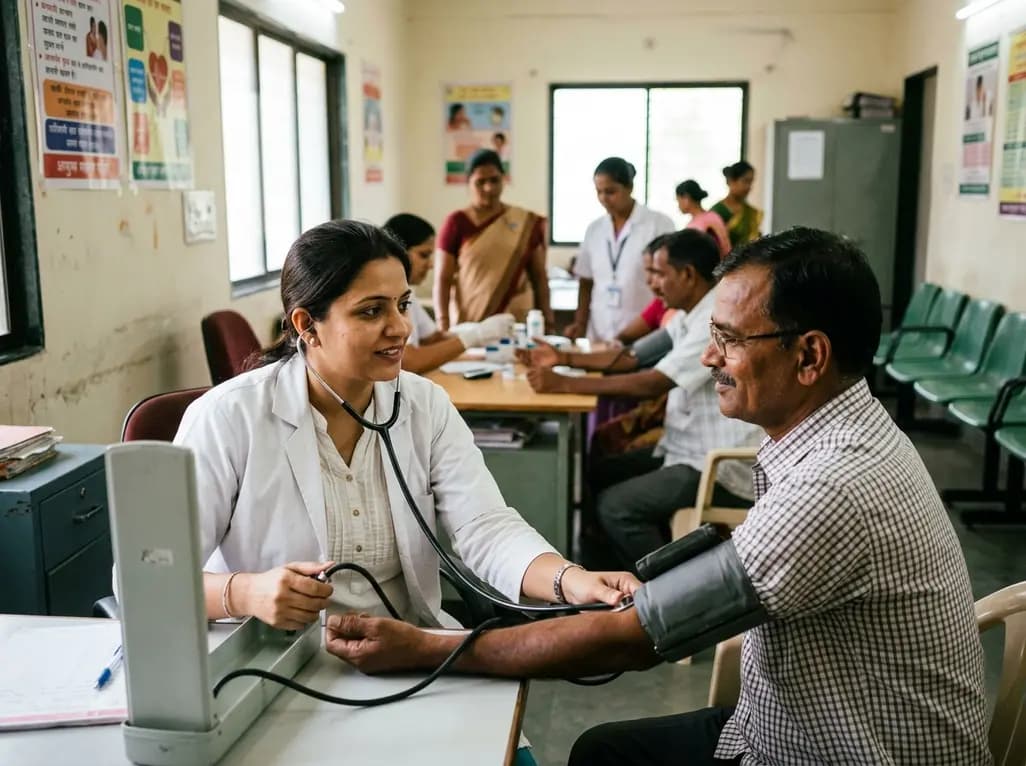
India has screened over 420 million adults for chronic metabolic conditions through its network of Ayushman Arogya Mandirs. This public health milestone underscores an aggressive shift toward early detection, decentralized primary care, and expanded insurance coverage under central health initiatives.
Today
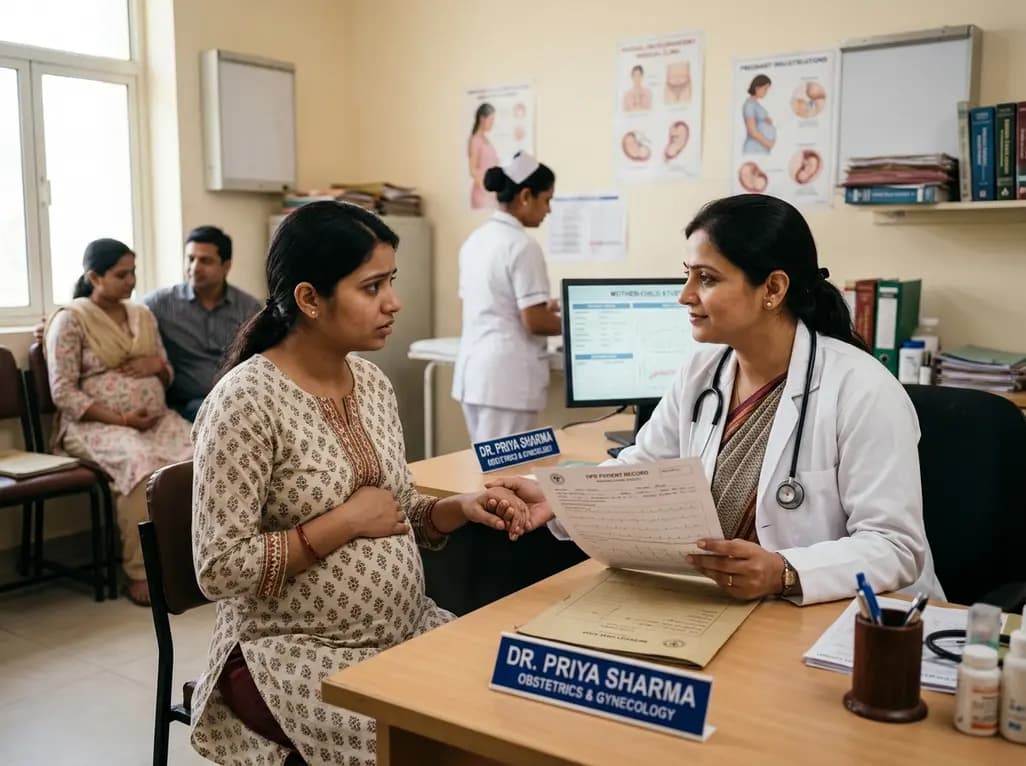
A large population cohort study evaluated over 167,000 mother-child pairs to assess the link between maternal mood disorders, pharmacotherapy, and long-term child neurodevelopment. The results underscore that maternal illness, rather than pharmacotherapy alone, drives most special educational needs in offspring.
Today
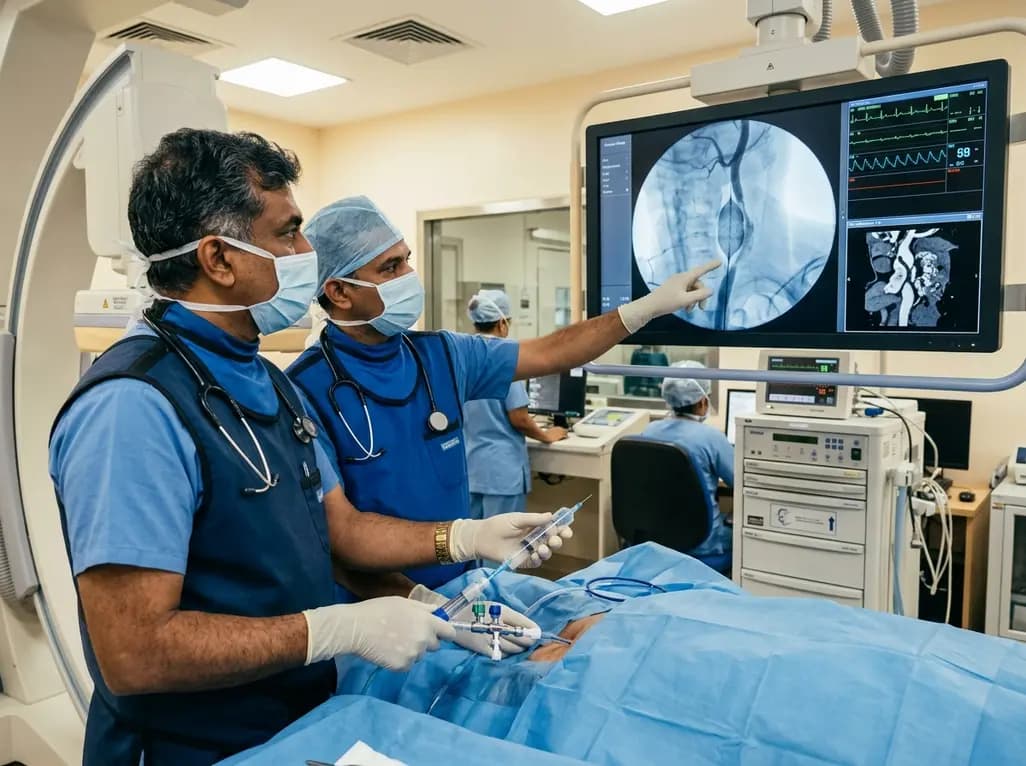
Discover how rescue cutting balloon angioplasty successfully modifies heavily calcified carotid stenosis, enabling stent delivery without baroreceptor instability and ensuring favorable long-term neurologic outcomes.
Today
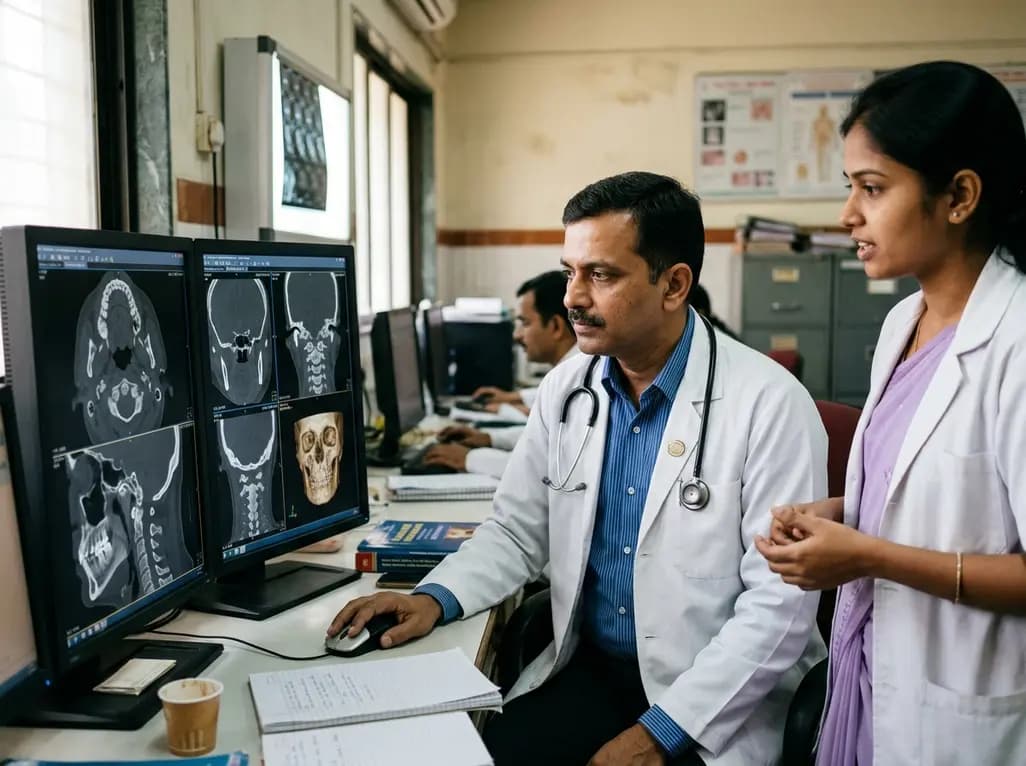
A retrospective CBCT study reveals that superior TMJ space asymmetry correlates moderately with occipital condyle-atlas-axis asymmetry in unilateral TMJ osteoarthritis, highlighting an imaging correlate between jaw biomechanics and upper cervical alignment rather than a standalone diagnostic marker.
Today
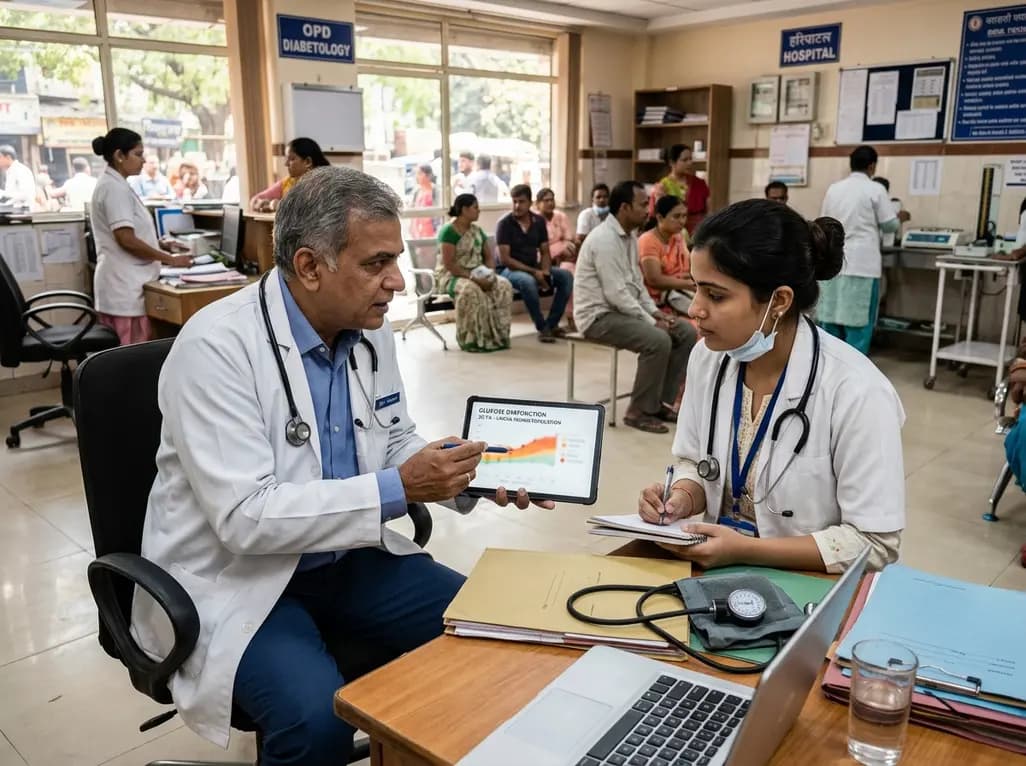
Data from the 2026 Workforce Health Index reveals that 38.7% of urban employees and dependents exhibit abnormal glycemic control. Emerging at increasingly younger ages, this metabolic shift intersects with severe vitamin deficiencies, highlighting the urgent need for early workplace screenings and targeted clinical care.
Today
