.webp&w=384&q=75)

Loading, please wait...
Loading, please wait...
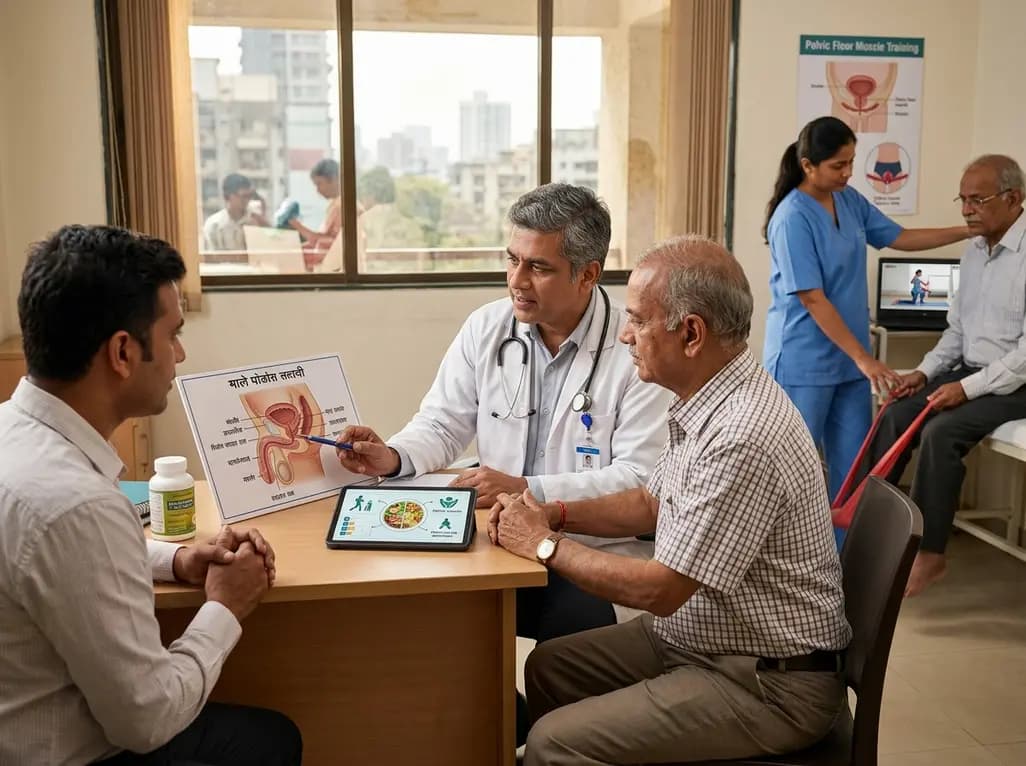
Surgical resection remains a primary curative approach for localized prostate cancer; however, radical prostatectomy frequently introduces functional morbidity, including urinary incontinence and sexual dysfunction. In response to these challenges, radical prostatectomy prehabilitation has emerged as a proactive paradigm designed to enhance physical, nutritional, and psychological resilience before surgical intervention. By intervening during the preoperative period, clinicians strive to increase physiological reserve, reduce surgical stress, and accelerate functional rehabilitation. A comprehensive scoping review has systematically examined the breadth of prehabilitation protocols, synthesizing evidence on delivery models, multimodal components, and clinical recovery metrics.
Prehabilitation interventions encompass a diverse array of physical, nutritional, and cognitive modalities. Among the evaluated protocols, pelvic floor muscle training represents the most frequently adopted component, incorporated across the majority of interventions. Surgeons and physiotherapists emphasize targeted pelvic floor activation to strengthen the external urethral sphincter mechanism prior to neurovascular and anatomical disruption. Consequently, preoperative conditioning primes neuromuscular pathways, facilitating earlier postoperative continence recovery.
Beyond pelvic floor conditioning, multimodal programs frequently integrate structured aerobic and resistance training. Aerobic exercise elevates cardiorespiratory fitness, enhancing tissue oxygenation and metabolic reserve. Concurrently, progressive resistance training preserves lean skeletal muscle mass, counteracting catabolic responses induced by surgical trauma. Nutritional counseling and targeted supplementation optimize protein intake, supporting wound healing and tissue repair. Furthermore, psychological support and structured psychoeducation address preoperative anxiety, depression, and treatment-related distress, equipping patients with active self-management strategies and resilient coping mechanisms.
Designing accessible prehabilitation requires flexible delivery pathways tailored to individual patient circumstances and healthcare infrastructure. The scoping review identified three primary delivery models: mobile application-based digital platforms, non-digital remote guidance, and supervised hospital-based programs. Hospital-based sessions offer direct clinician supervision, biofeedback monitoring, and tailored exercise progression, which maximize adherence among high-risk individuals requiring close surveillance.
Conversely, digital remote platforms utilize smartphone applications, interactive dashboards, and video tutorials to deliver personalized exercise schedules. These e-health interventions overcome geographic barriers, lower transportation expenses, and accommodate flexible daily routines. Furthermore, non-digital home-based models employ printed instructional booklets and structured telephone check-ins. Although direct supervision is reduced, these remote formats demonstrate high feasibility and patient satisfaction. Therefore, hybrid or telehealth-driven models offer a practical solution to scale surgical preparation across diverse socioeconomic settings without overwhelming hospital capacity.
The therapeutic impact of prehabilitation spans six crucial clinical and functional domains. Urological recovery constitutes the primary focus, with studies consistently assessing post-prostatectomy urinary continence rates and erectile function preservation. Early return of urinary control significantly diminishes patient distress and reduces long-term pad dependency. Furthermore, physical performance metrics, such as cardiopulmonary exercise testing and six-minute walk distance, confirm significant enhancements in baseline functional capacity.
Perioperative clinical parameters also demonstrate positive trends following structured preconditioning. Patients undergoing multimodal preparation frequently experience shorter hospital lengths of stay, lower complication rates, and diminished systemic inflammatory responses. Additionally, standardized questionnaires capture marked improvements in health-related quality of life, vitality, and emotional well-being. Optimized nutritional indices further support postoperative recovery by preventing significant involuntary weight loss and muscle wasting. Thus, comprehensive prehabilitation addresses multiple physiological systems simultaneously, generating broad therapeutic dividends.
Despite promising clinical findings, existing prehabilitation literature reveals substantial methodological heterogeneity. Investigated protocols vary considerably in exercise intensity, intervention duration, adherence tracking, and dietary composition. Some programs run for several weeks before surgery, whereas others operate within condensed preoperative timeframes. This broad variability complicates direct comparisons between diverse healthcare cohorts.
Moreover, outcome assessment instruments lack universal standardization across published trials. Researchers frequently utilize disparate continence definitions, variable pad-weighing protocols, and distinct quality-of-life inventories. To advance the field, future clinical trials must establish consensus-based core outcome sets specifically tailored for urological oncology. Standardized outcome definitions will enable high-powered meta-analyses, clarify the precise therapeutic contribution of individual program components, and refine evidence-based practice guidelines.
Integrating prehabilitation into standard urological workflows necessitates close interdisciplinary collaboration among urologists, oncologists, physical therapists, dietitians, and clinical nurse specialists. Upon receiving a prostate cancer diagnosis, patients enter a critical window of opportunity where lifestyle optimization can meaningfully alter recovery trajectories. Identifying baseline vulnerabilities through systematic preoperative risk stratification allows surgical teams to individualize prehabilitation prescriptions effectively.
Furthermore, digital health tools provide scalable options for resource-constrained institutions, allowing clinicians to track patient compliance and symptoms remotely. Cultivating strong family involvement and partner education further enhances motivation and psychological resilience throughout the surgical continuum. As healthcare systems increasingly emphasize value-based care, multimodal prehabilitation represents a proactive, patient-centered investment that accelerates postoperative restoration and elevates long-term surgical survivorship.
Radical prostatectomy prehabilitation optimizes physical fitness, nutritional reserves, and emotional resilience prior to surgery. By implementing targeted exercises and lifestyle changes before intervention, the approach aims to minimize postoperative functional decline, speed the return of urinary continence, preserve physical independence, and decrease surgical complications.
Preoperative pelvic floor muscle training strengthens the supportive musculature and external urethral sphincter before surgical trauma occurs. By mastering proper contraction and endurance techniques preoperatively, patients establish reliable neuromuscular control, which significantly accelerates the timeline for restoring urinary continence following catheter removal.
Yes, prehabilitation programs can be effectively delivered through digital mobile applications or structured printed materials with regular telephone follow-up. These remote formats demonstrate high adherence, lower travel burdens, and provide flexible access to guided exercises, nutritional guidance, and psychoeducation without compromising therapeutic feasibility.
Disclaimer: This content is for informational and educational purposes only and does not constitute medical advice, diagnosis, or treatment. Always consult a qualified healthcare provider with any questions regarding a medical condition. Never disregard professional medical advice or delay seeking it because of something you have read here. Refer to the latest local and national guidelines for clinical practice.
References

Read summarized clinical updates, watch expert medical content, and earn CME certifications right from your smartphone.
Open your smartphone camera to scan and install.





A scoping review examines prehabilitation models for radical prostatectomy, highlighting pelvic floor training, exercise, nutrition, and diverse digital or hospital delivery modes.
4 weeks back

With post-monsoon dengue surges threatening South Asian health systems, physicians must refine triage and management. This guide covers vital warning signs, plasma leakage detection, crystalloid titration, and vector containment strategies to prevent mortality during seasonal arboviral epidemics.
Today

Findings from Project Viva indicate that sustained postpartum weight retention, rather than excessive gestational weight gain alone, directly worsens women's mid-life cardiovascular health, degrading blood pressure and glycemic parameters decades after delivery.
Today
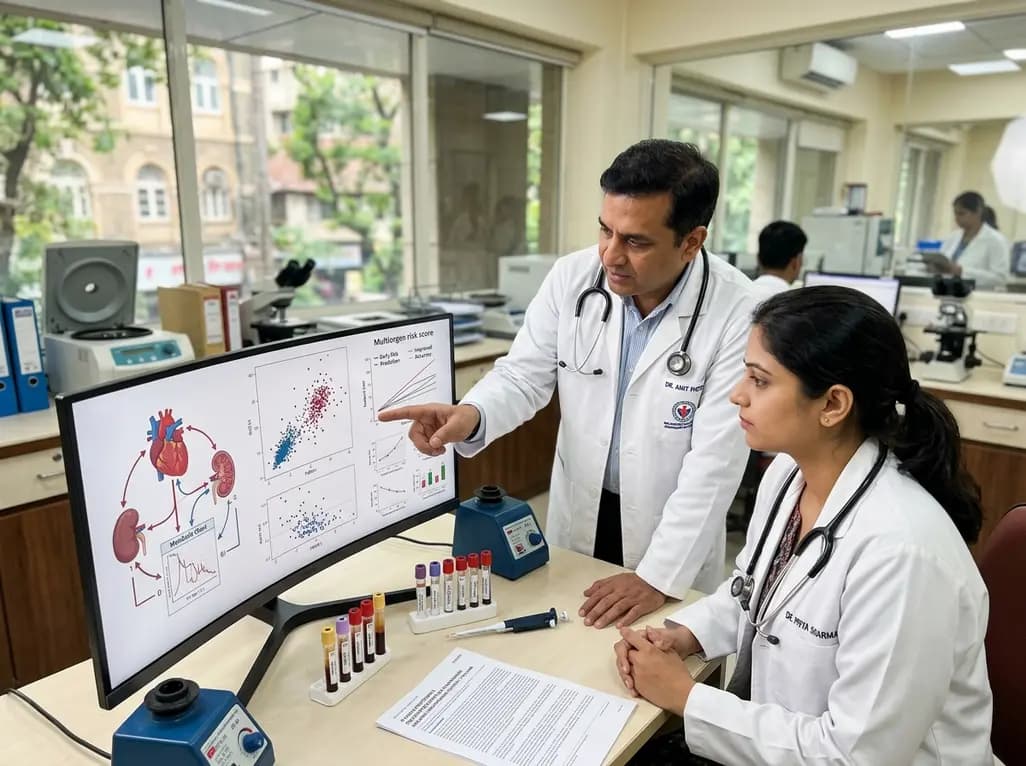
A large UK Biobank study reveals that plasma proteomic signatures capture preclinical organ damage and improve multiorgan risk prediction across early CKM syndrome stages 0 to 2 beyond traditional PREVENT clinical models.
Today
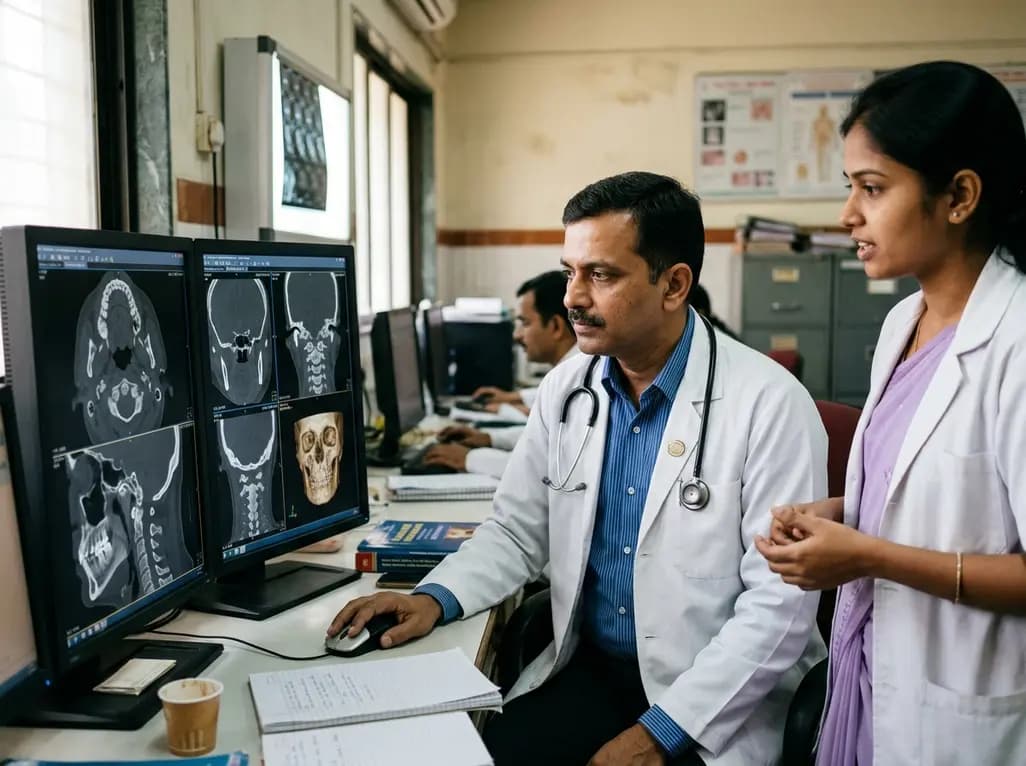
A retrospective CBCT study reveals that superior TMJ space asymmetry correlates moderately with occipital condyle-atlas-axis asymmetry in unilateral TMJ osteoarthritis, highlighting an imaging correlate between jaw biomechanics and upper cervical alignment rather than a standalone diagnostic marker.
Today

A Bayesian multilevel meta-analysis reveals that aerobic training combined with moderate carbohydrate restriction modestly lowers HbA1c in type 2 diabetes. However, sparse data and very low certainty leave incremental benefits over exercise or diet alone unproven, highlighting the need for individualized care.
Today
