.webp&w=384&q=75)

Loading, please wait...
Loading, please wait...

A recent retrospective study has identified a more accurate method to predict lymphoma infection risk following chemotherapy. By analyzing 110 patients at Xiangtan Central Hospital, researchers determined how cytokine patterns interact with lymphocyte counts to influence clinical outcomes.
The researchers monitored five primary serum cytokines using ELISA before the initiation of chemotherapy. These markers included IFN-γ, TNF-α, IL-6, IL-8, and IL-10. Significantly, sixty-five patients (59.1%) developed infections during the study period. Those who were infected displayed a notable reduction in both lymphocyte counts and baseline cytokine levels compared to their non-infected counterparts.
Furthermore, the study suggests that looking at multiple markers is superior to examining single indicators. Specifically, a combination of three or more decreased cytokines plus lymphopenia provides robust predictive accuracy. This multi-factor approach allows clinicians to pinpoint high-risk individuals more effectively. Consequently, proactive measures, such as targeted antimicrobial prophylaxis or intensive monitoring, can be prioritized for these specific patients.
In the Indian clinical context, managing post-chemotherapy complications remains a significant challenge for oncologists and hematologists. Therefore, adopting this immune-monitoring pattern could significantly enhance patient safety. Additionally, early intervention during the "golden hour" of fever presentation is critical for survival in immunocompromised populations. For instance, clinical guidelines in India increasingly emphasize early risk stratification to reduce the high morbidity associated with febrile neutropenia.
The study highlights IFN-γ, TNF-α, IL-6, IL-8, and IL-10. A reduction in three or more of these markers, when paired with a low lymphocyte count, serves as the most potent indicator of future infection.
Lymphocyte counts reflect general immune cell quantity, whereas cytokine levels indicate the functional state of the immune response. Combining them provides a more comprehensive view of the body's ability to fight off bacterial, fungal, or viral pathogens.
Disclaimer: This content is for informational and educational purposes only and does not constitute medical advice. Always seek the advice of a qualified healthcare provider with any questions regarding a medical condition. Refer to the latest local and national guidelines for clinical practice.
References
Zhang L et al. Predictive accuracy of cytokine pattern with lymphocyte count in infections after chemotherapies for lymphoma. Biomark Med. 2026 May 22. doi: 10.1080/17520363.2026.2654370. PMID: 42170771.
Ranga Rao R et al. Expert insights: 10 key questions on managing common infections in cancer care in India. ecancer. 2025 Aug 19;19:1732.
Indian Council of Medical Research. Consensus Document for the Management of Non-Hodgkin's Lymphoma. 2023.

Read summarized clinical updates, watch expert medical content, and earn CME certifications right from your smartphone.
Open your smartphone camera to scan and install.





Monitoring cytokine patterns and lymphocyte counts can help clinicians identify lymphoma patients at high risk of infection after chemotherapy....
4 months ago
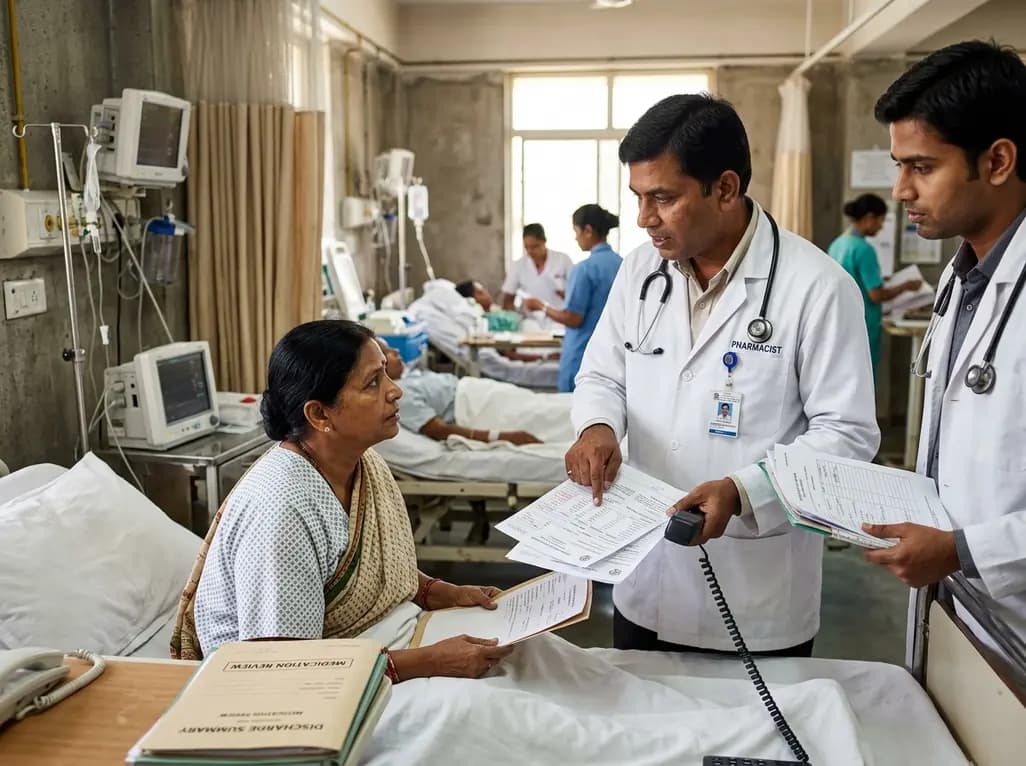
A retrospective cohort study demonstrates that comprehensive pharmacy transitions of care—including admission medication history, discharge review, and 72-hour telephone follow-up—significantly reduced 30-day readmission rates in acute care patients, highlighting the value of pharmacist-led clinical interventions.
Today
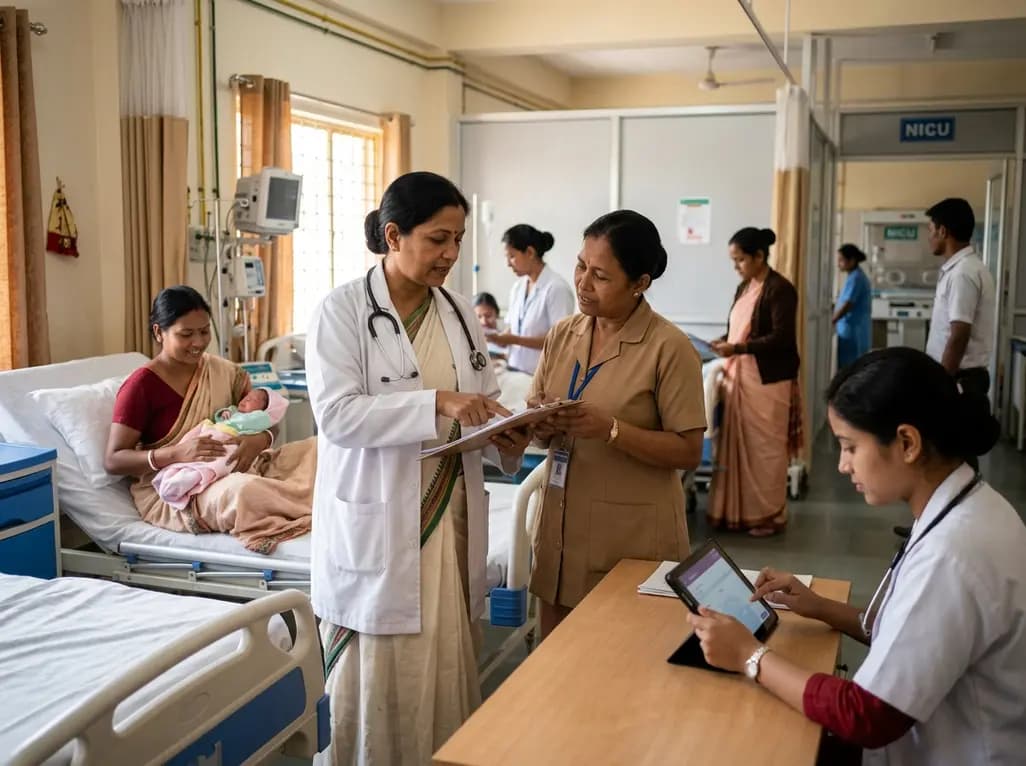
Meghalaya recorded a historic 55% reduction in maternal deaths, dropping from 244 to 107 over five years. Through the MOTHER app, dedicated transit homes, and expanded infrastructure like the 150-bed Tura Maternity Hospital with its first public NICU, the state demonstrates an effective public health model.
Today
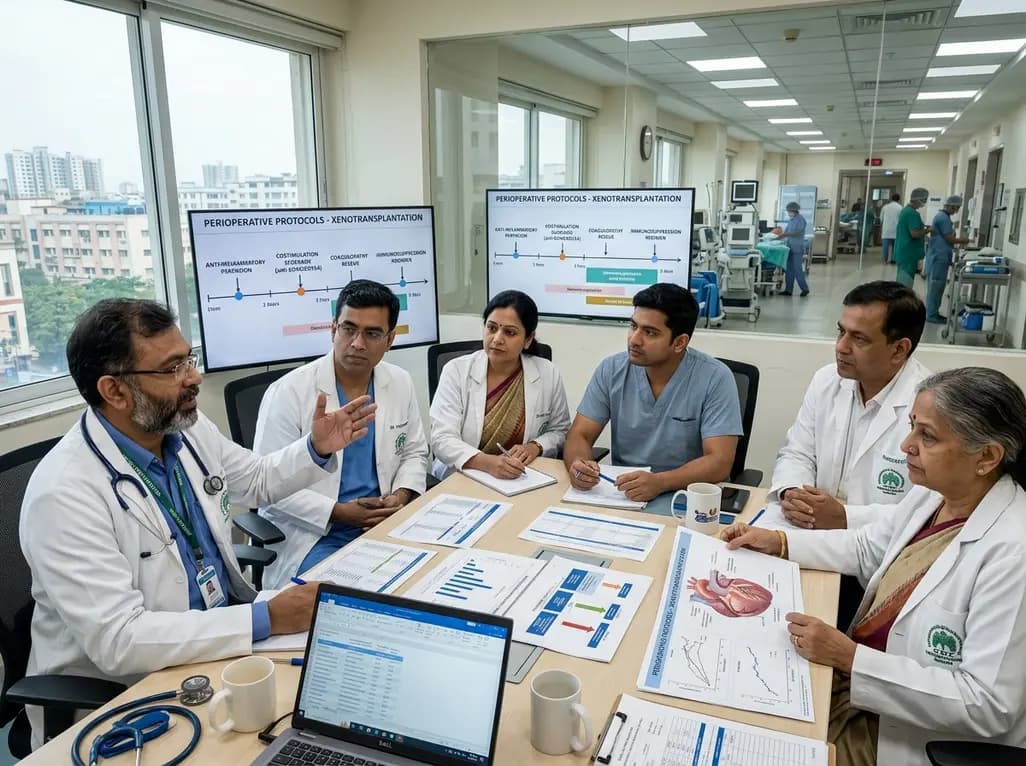
Explore modern perioperative management protocols for clinical xenotransplantation. Learn how costimulation blockade, anti-inflammatory perfusion, and coagulopathy rescue overcome interspecies hurdles.
Today
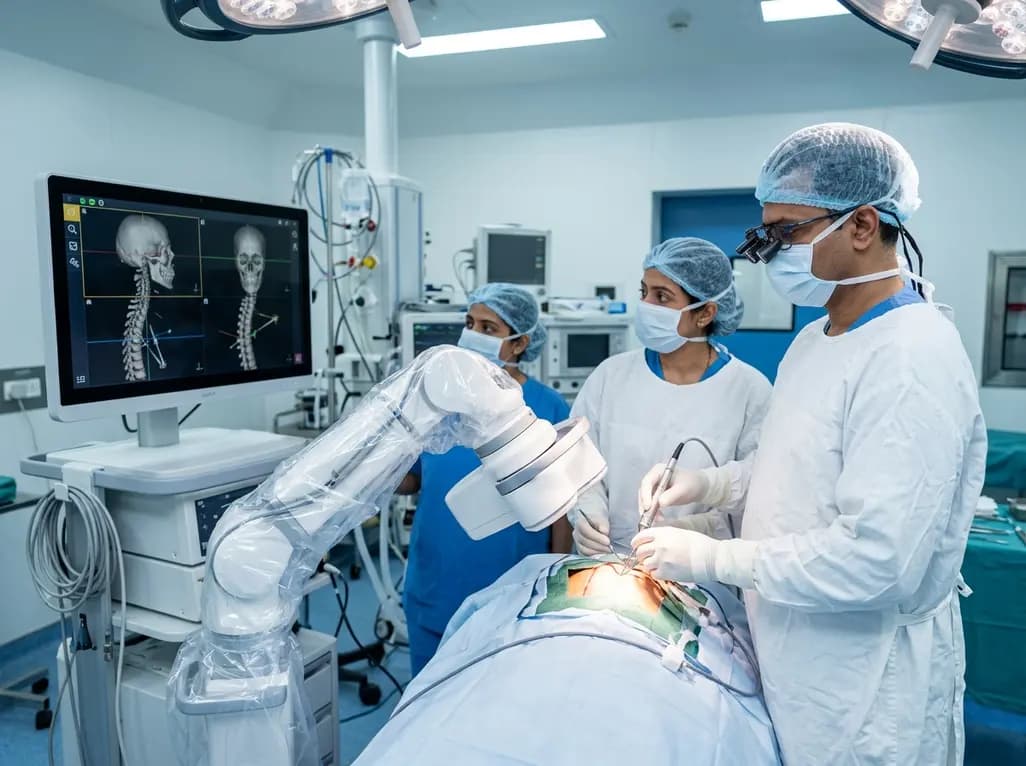
North India's first Centre of Excellence for Brain and Spine at Amrita Hospital Faridabad integrates Brainlab's Loop-X mobile robot. This landmark facility combines cone-beam computed tomography with surgical navigation to elevate precision, optimize operative workflows, and enhance specialized clinician training.
Today
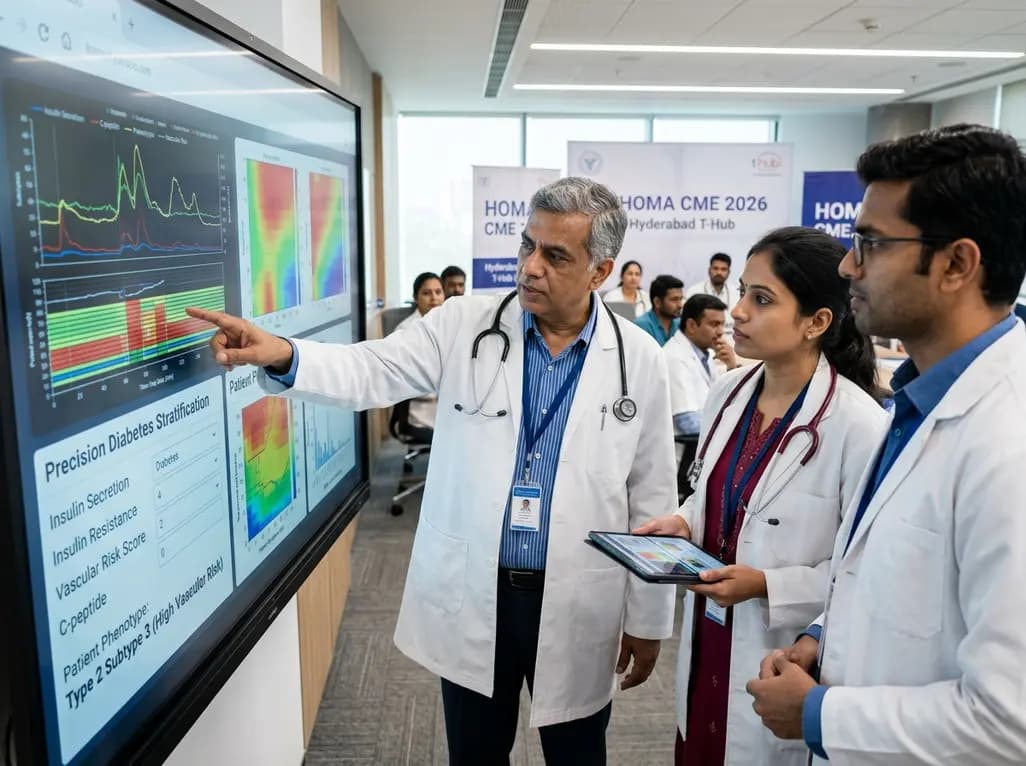
At Homa CME 2026 at Hyderabad's T-Hub, healthcare leaders emphasized moving beyond routine metrics through digital calculators and precision stratification. Discover why characterizing individual insulin secretion, resistance patterns, and vascular risks transforms chronic metabolic care in India.
Today
