.webp&w=384&q=75)

Loading, please wait...
Loading, please wait...
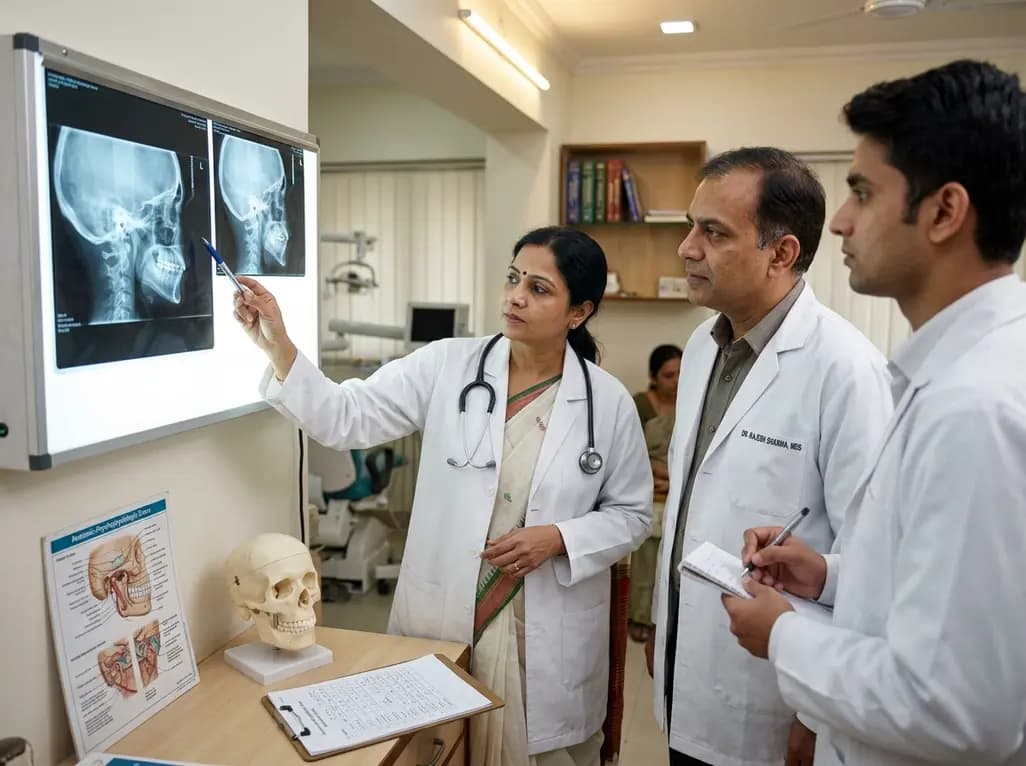
Temporomandibular disorders present complex clinical challenges because disease progression varies widely among patients. For decades, clinicians lacked validated objective measures to forecast longitudinal alterations in temporomandibular joint structure. However, recent imaging and psychophysiological research provides crucial insights into structural degradation pathways. Clinicians historically relied on static diagnostic snapshots, but progressive degenerative remodeling demands predictive dynamic models. Consequently, understanding baseline structural vulnerability alongside behavioral stress markers allows dental and maxillofacial specialists to identify high-risk individuals earlier. A comprehensive assessment helps practitioners tailor proactive interventions, ultimately minimizing irreversible osseous degradation and chronic pain disability.
Longitudinal studies evaluating bony architecture reveal distinct trajectories of tissue stability and joint breakdown. Specifically, calibrated radiologic evaluations comparing baseline and multi-year follow-up computed tomography and magnetic resonance scans categorize joint paths into stable, improving, or worsening states. Most individuals maintain structural equilibrium or demonstrate adaptive remodeling over time. Conversely, a significant subset experiences progressive osseous resorption, articular flattening, and cortical erosion. Researchers discovered that structural deterioration correlates tightly with specific baseline morphometric configurations. Therefore, evaluating initial anatomical geometry provides vital prognostic value. When practitioners assess condylar morphology and mandibular dimensions during initial visits, they can differentiate between self-limiting adaptations and destructive remodeling pathways before severe joint collapse occurs.
Cephalometric dimensions significantly influence mechanical stress distribution across the articular surface. For instance, reduced ramus length and steep occlusal plane angles markedly elevate compressive joint loading during mastication. Furthermore, condylar rectilinear area, aspect ratio, and axial angles dictate how well the joint distributes functional and parafunctional forces. When the condyle presents a smaller cross-sectional surface area, focal mechanical stress increases dramatically. As a result, minor mechanical microtrauma accelerates articular cartilage breakdown and subchondral bone remodeling. Consequently, clinicians must recognize that unfavorable craniofacial architecture predisposes the articular fibrocartilage to accelerated mechanical fatigue. Identifying these morphological traits on diagnostic imaging provides an indispensable foundation for accurate long-term risk stratification.
Structural morphology alone does not completely explain progressive degeneration. Instead, psychophysiological vulnerability interacts directly with mechanical loading. Somatic symptom burden, measured through standardized physical symptom scores, strongly amplifies systemic neuroendocrine stress pathways. Moreover, frequent awake and sleep oral behaviors, such as clenching and bracing, subject the joint to prolonged non-functional loading cycles. Consequently, patients with elevated physical symptom scores and high oral behavior checklist scores generate repetitive compressive forces on vulnerable condyles. Therefore, the combination of sustained mechanical strain and elevated psychological distress overwhelms articular tissue repair mechanisms. Maxillofacial specialists must therefore evaluate psychological distress and parafunctional habits alongside structural images to achieve a holistic diagnostic profile.
To bridge the gap between imaging and behavioral factors, researchers established the Anatomic-Psychophysiologic Score (APS). This composite scoring system integrates quantitative cephalometric metrics with standardized behavioral and physical symptom evaluations. Mixed-effects logistic models confirm that the APS accurately differentiates patients who experience progressive joint deterioration from those who maintain structural stability. Importantly, the score illustrates that severe morphological vulnerability combined with high behavioral strain creates exponential degenerative risk. Thus, the APS offers a robust framework for evidence-based clinical risk stratification. Clinicians can utilize this holistic scoring approach to transition from reactive treatment paradigms toward precision-guided, preventative therapeutic protocols.
Accurate risk prediction substantially refines therapeutic strategies for temporomandibular disorders. For high-risk individuals identified through comprehensive scoring, clinicians should avoid aggressive irreversible procedures during early stages. Instead, practitioners can combine targeted occlusal stabilization appliances with behavioral cognitive therapies and physical medicine. Furthermore, reducing sustained diurnal clenching through biofeedback diminishes focal articular pressure. In addition, pharmacologic management targeting neuropathic pain and inflammatory mediators protects the joint tissues during active remodeling phases. Consequently, a multidisciplinary approach addressing both physical loading and psychological strain preserves articular integrity, alleviates chronic discomfort, and improves long-term patient quality of life.
Shorter mandibular ramus length alters the biomechanical lever system of the masticatory apparatus. Consequently, this anatomical configuration concentrates excessive compressive loading onto the condylar head during jaw movement. Over extended periods, this elevated focal stress exceeds the adaptive capacity of the articular fibrocartilage, accelerating subchondral bone loss and progressive joint deterioration.
Psychophysiological distress elevates muscle hyperactivity and autonomic arousal, which increases sustained daytime and nighttime clenching behaviors. Furthermore, chronic stress upregulates pro-inflammatory cytokines and neuroendocrine pathways that impede normal bone remodeling and tissue repair mechanisms. As a result, biological vulnerability combines with excessive physical loading to worsen structural degeneration.
The Anatomic-Psychophysiologic Score provides an objective, multidimensional framework that combines cephalometric measurements with validated behavioral metrics. Therefore, it enables clinicians to predict long-term structural changes reliably. This proactive assessment identifies high-risk patients early, allowing clinicians to implement customized conservative interventions before irreversible osseous damage occurs.
Disclaimer: This content is for informational and educational purposes only and does not constitute medical advice. It is not intended to be a substitute for professional medical advice, diagnosis, or treatment. Always seek the advice of your physician, dentist, or other qualified healthcare provider with any questions you may have regarding a medical condition. Refer to the latest local and national guidelines for clinical practice.
References

Read summarized clinical updates, watch expert medical content, and earn CME certifications right from your smartphone.
Open your smartphone camera to scan and install.





A longitudinal study identifies key cephalometric, morphological, and psychophysiological variables that predict structural degradation in the temporomandibular joint, introducing the Anatomic-Psychophysiologic Score.
last month

A systematic review of 41 preclinical studies reveals that baicalin dampens systemic inflammation, inhibits NF-κB and NLRP3 pathways, and improves organ preservation in sepsis models. However, substantial study heterogeneity and a complete lack of human clinical trials highlight the need for further translational research.
Today
Discover the crucial distinctions between mesonephric and mesonephric-like proliferations of the female genital tract. Learn the key histomorphologic, immunohistochemical, and molecular differences essential for accurate diagnosis and clinical management.
Today
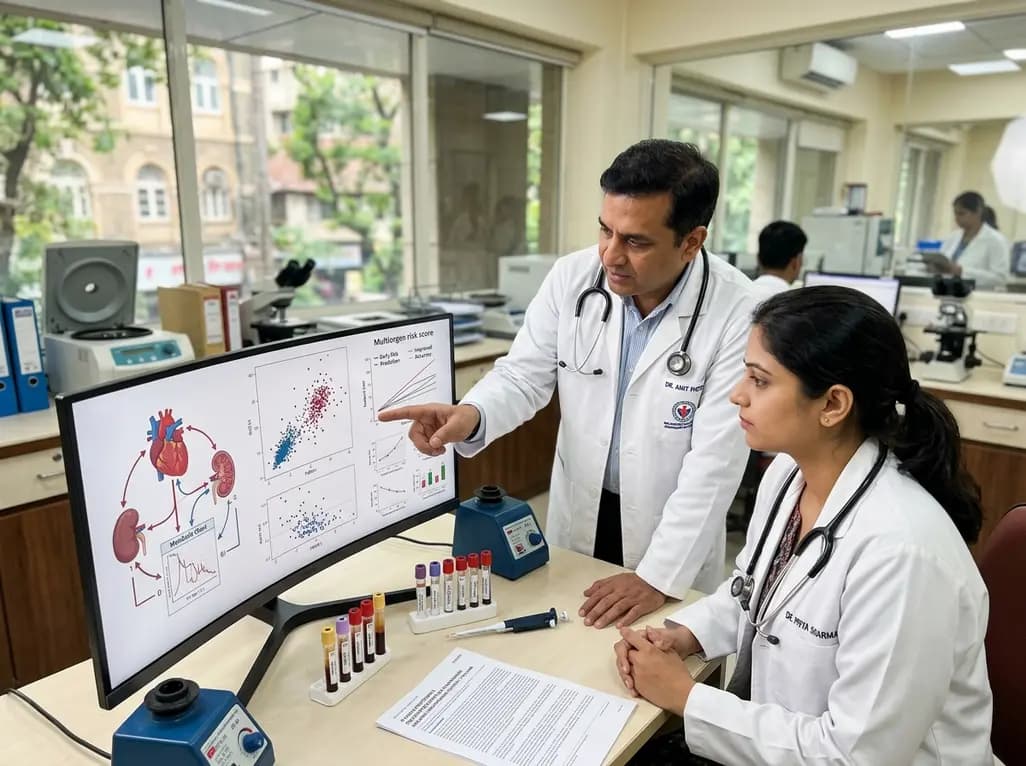
A large UK Biobank study reveals that plasma proteomic signatures capture preclinical organ damage and improve multiorgan risk prediction across early CKM syndrome stages 0 to 2 beyond traditional PREVENT clinical models.
Today
A narrative review investigates whether the articularis genus muscle functions as an independent anatomical entity or blends with the vastus intermedius. We evaluate its morphology, role in retracting the suprapatellar bursa, and direct clinical significance in anterior knee pain and arthroplasty.
Today

A Bayesian multilevel meta-analysis reveals that aerobic training combined with moderate carbohydrate restriction modestly lowers HbA1c in type 2 diabetes. However, sparse data and very low certainty leave incremental benefits over exercise or diet alone unproven, highlighting the need for individualized care.
Today
