.webp&w=384&q=75)

Loading, please wait...
Loading, please wait...
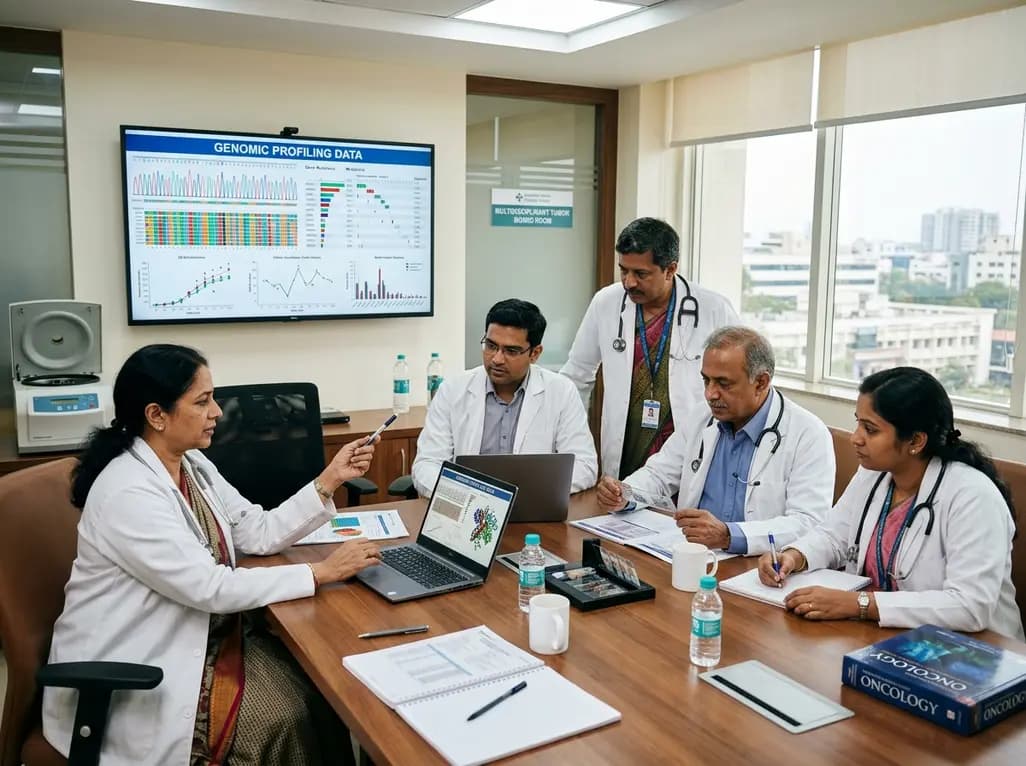
Modern cancer management is experiencing a transformative shift across Indian clinical practice. Historically, oncologists relied primarily on anatomical staging and standard histopathology. However, precision oncology genomics is revolutionizing this framework by identifying actionable molecular alterations that drive tumor progression. Consequently, clinicians can now prescribe matched targeted therapies, predict secondary drug resistance, and significantly improve long-term survival outcomes.
Implementing genomic analysis within hospital systems requires a deliberate shift from academic exploration to routine bedside application. Dr Rahul Bhargava highlights that genomic testing provides vital insights into the unique disease biology of Indian cohorts. Historically, domestic clinical practice relied heavily on Western genomic datasets. However, Indian cancer patients often present distinct somatic mutations, hereditary risk profiles, and variable drug responses. Therefore, generating representative population-level genomic registries remains essential for oncology progress.
Furthermore, oncologists must balance diagnostic discovery with tangible clinical utility. Dr Ullas Batra emphasizes that testing strategies must align with proven therapeutic actionability and health economics. Clinicians should avoid ordering massive exploratory assays when therapeutic options remain limited. Instead, practitioners should implement the principle of selecting the right test for the right patient at the right time. Consequently, this structured approach prevents unnecessary financial toxicity while identifying patients who benefit directly from targeted inhibitors. In haematological malignancies and solid tumors alike, upfront molecular stratification guides initial therapy selection and reduces subsequent treatment failure.
Selecting between narrow hotspot testing and comprehensive genomic profiling represents a common clinical dilemma in oncology. Dr Shrinidhi Nathany explains that while single-gene assays conserve laboratory resources initially, they frequently miss complex actionable alterations. Comprehensive genomic profiling simultaneously evaluates hundreds of genes for single nucleotide variants, insertions, deletions, copy number alterations, and fusions. In addition, broader profiling identifies emerging pan-cancer biomarkers such as microsatellite instability and tumor mutational burden.
Moreover, tissue availability poses an ongoing clinical challenge during diagnostic workups. Because tumor specimens obtained through needle biopsies are inherently limited, sequential single-gene testing frequently exhausts biopsy material. Consequently, clinicians lose the opportunity to evaluate subsequent actionable targets. Dr Nathany emphasizes that comprehensive upfront profiling maximizes diagnostic output from limited biopsies. Furthermore, this forward-looking strategy helps oncologists anticipate therapeutic resistance pathways before disease progression occurs. Although comprehensive panels require higher upfront technical investment, they ultimately prevent costly re-biopsies and minimize diagnostic delays. Thus, broad molecular interrogation provides definitive answers that streamline therapeutic pathways.
Diagnostic speed represents a cornerstone of effective genomic implementation in acute clinical settings. Dr Mamta Soni notes that turnaround time often dictates whether genomic results influence first-line therapy. Traditionally, next-generation sequencing workflows required three to four weeks for final reporting. However, patients with aggressive malignancies cannot afford protracted treatment delays while waiting for molecular results. Therefore, laboratories must optimize analytical pipelines to deliver rapid, actionable insights.
Indeed, recent technical breakthroughs have compressed molecular reporting timelines remarkably. Dr Nathany highlights operational setups where teams deliver comprehensive genomic reports in just three days rather than several weeks. In acute myeloid leukaemia, for example, prompt molecular stratification determines whether induction chemotherapy requires targeted FLT3 or IDH inhibitors. Furthermore, rapid turnaround times significantly shorten hospital lengths of stay, thereby reducing acute inpatient costs. Accelerating laboratory throughput also prevents clinicians from initiating non-targeted cytotoxic therapy out of clinical urgency. As laboratory automation and bioinformatics pipelines improve, rapid genomic reporting will become the standard of care across tertiary cancer centers.
Tissue preservation and sample quality play critical roles in successful molecular pathology. Dr Soni emphasizes that specimen stewardship is not the exclusive domain of the laboratory. Instead, optimal tissue handling requires a collaborative care pathway involving interventional radiologists, surgeons, pathologists, and oncologists. Factors such as cold ischemic time, fixative choice, and tumor enrichment dictate nucleic acid integrity. Consequently, careful pre-analytical protocol management ensures adequate tissue cellularity for next-generation sequencing.
Simultaneously, circulating tumor DNA analysis via liquid biopsy provides an invaluable alternative when tissue collection is impossible. Dr Batra highlights that plasma-based assays permit safe profiling in critically ill patients, sometimes removing them from invasive mechanical ventilation. Furthermore, liquid biopsy captures spatial and temporal tumor heterogeneity that localized tissue biopsies might miss. Clinicians can utilize serial cell-free DNA sampling to track minimal residual disease and identify emerging resistance mutations. Beyond solid oncology, liquid biopsy also demonstrates exceptional utility in post-transplant monitoring using donor-derived cell-free DNA. Hence, combining tissue stewardship with liquid biopsy ensures comprehensive molecular surveillance across diverse patient populations.
A widespread misconception in clinical oncology suggests that advanced genomic testing inevitably increases the overall financial burden of care. However, Dr Rahul Bhargava challenges this viewpoint with a pragmatic philosophy: test more, treat less. The cost of sequencing is modest compared to the immense expense of prolonged empiric chemotherapy and preventable hospitalizations. Therefore, molecular diagnostics function as economic gatekeepers that protect both patients and healthcare systems from misdirected interventions.
Additionally, selecting therapies based on precise molecular drivers prevents the unnecessary administration of toxic regimens. When testing reveals that a patient lacks targetable mutations or harbors intrinsic resistance, oncologists can avoid futile, high-cost biologicals. Conversely, detecting actionable targets allows early initiation of highly effective, oral targeted inhibitors. Dr Bhargava notes that fast genomic characterization shortens hospital stays and optimizes clinical resource allocation. Ultimately, health systems must evaluate diagnostic expenditure within the broader perspective of total cancer care costs. By investing in accurate, early genomic profiling, clinicians deliver cost-effective, personalized care that substantially improves patient survival.
Q1: Why is comprehensive genomic profiling preferred over single-gene testing in advanced cancer?
Comprehensive genomic profiling examines hundreds of genes simultaneously, capturing complex alterations such as copy number variations, fusions, microsatellite instability, and tumor mutational burden. In contrast, sequential single-gene tests quickly exhaust limited biopsy tissue and delay definitive diagnosis. Comprehensive testing conserves precious tissue samples, provides a complete molecular picture upfront, and reveals rare actionable alterations that standard focused panels miss, thereby ensuring clinicians can select the most effective targeted therapy immediately.
Q2: How does rapid turnaround time directly impact clinical decision-making in haematological cancers?
Aggressive haematological malignancies like acute myeloid leukaemia progress rapidly and require immediate therapeutic intervention. When molecular laboratories provide comprehensive reports within three to four days rather than several weeks, haematologists can promptly initiate targeted inhibitors such as FLT3 or IDH blockers alongside induction regimens. Furthermore, rapid results prevent the administration of inappropriate empiric chemotherapy, significantly shorten acute hospital admissions, and optimize resource utilization during critical induction phases.
Q3: What role does liquid biopsy play when tissue biopsy is insufficient or unobtainable?
Liquid biopsy analyzes circulating cell-free tumor DNA from peripheral blood, providing a minimally invasive alternative when tissue biopsy is anatomically inaccessible or medically contraindicated. In critically ill oncology patients, it enables rapid molecular profiling without surgical morbidity. Moreover, liquid biopsy captures spatial and temporal tumor heterogeneity, tracks dynamic treatment response, detects emerging secondary resistance mechanisms early, and assists in post-transplant monitoring through donor-derived cell-free DNA quantification.
Disclaimer: This content is for informational and educational purposes only. It does not constitute medical advice or replace professional judgment. Refer to the latest local and national guidelines for clinical practice.
References

Read summarized clinical updates, watch expert medical content, and earn CME certifications right from your smartphone.
Open your smartphone camera to scan and install.





Explore how comprehensive genomic profiling, accelerated turnaround times, and multidisciplinary molecular tumor boards are redefining cancer care across India. Learn how clinical utility, tissue stewardship, and liquid biopsy optimize targeted therapies while curbing ineffective oncology treatment expenditures.
Today

A retrospective study shows that symptom-monitored loading with lorazepam, chlordiazepoxide, or gabapentin significantly reduces hospital length of stay compared to CIWA-Ar-only therapy in severe alcohol withdrawal, providing a safer, more proactive management strategy.
Today

A retrospective cohort study of 5,481 children aged 3–6 years evaluated whether surgical sperm retrieval for ICSI affects offspring cognitive and physical growth compared with ejaculated sperm and IVF. Results demonstrate comparable IQ scores and growth parameters, providing reassuring safety evidence for clinical practice.
Today
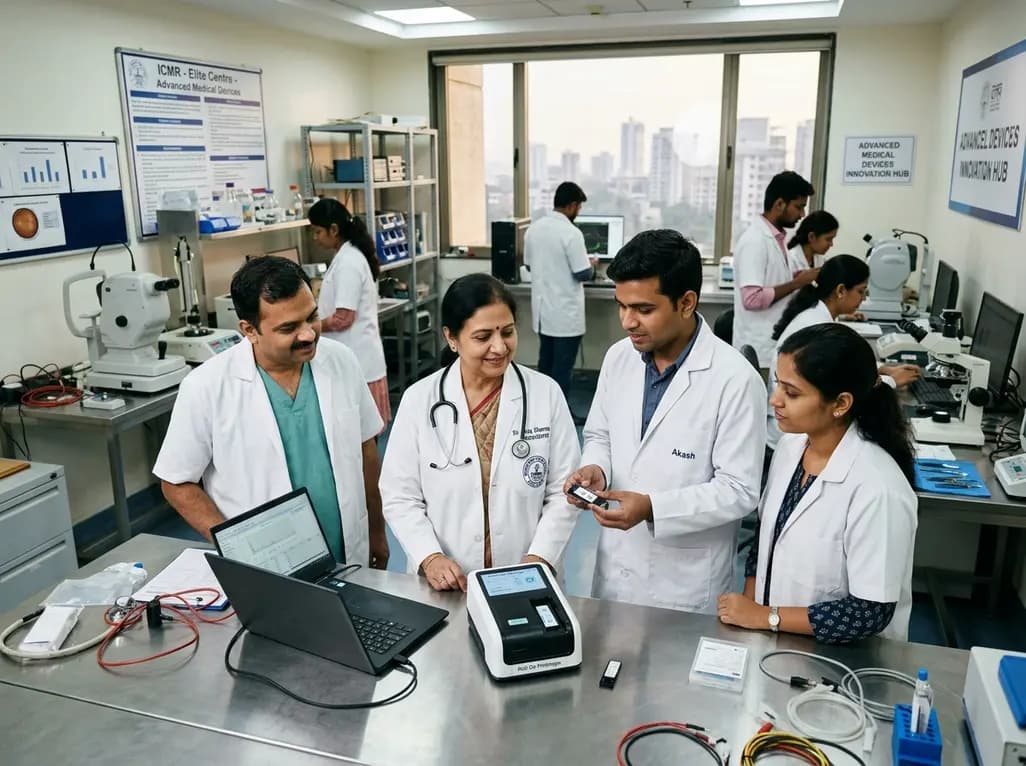
The Indian Council of Medical Research has funded seven top academic hubs to build indigenous healthcare technologies. Targeting point-of-care diagnostics, biomaterials, and ophthalmology, these multidisciplinary centres aim to tackle unmet clinical needs and make medical care affordable across India.
Today

A meta-analysis evaluates the impact of preoperative transthoracic echocardiography on surgical delay and hospital stay in geriatric hip fracture patients. Evidence emphasizes balancing cardiac workups against operative urgency and adhering to clinical guidelines.
Today

A multicenter cross-sectional study of 1,315 adults with type 1 diabetes reveals that the GMI/HbA1c ratio does not independently predict microvascular complications. Clinicians should prioritize sustained time in range and blood pressure management over glycation discordance metrics.
Today
