

Loading, please wait...
Loading, please wait...
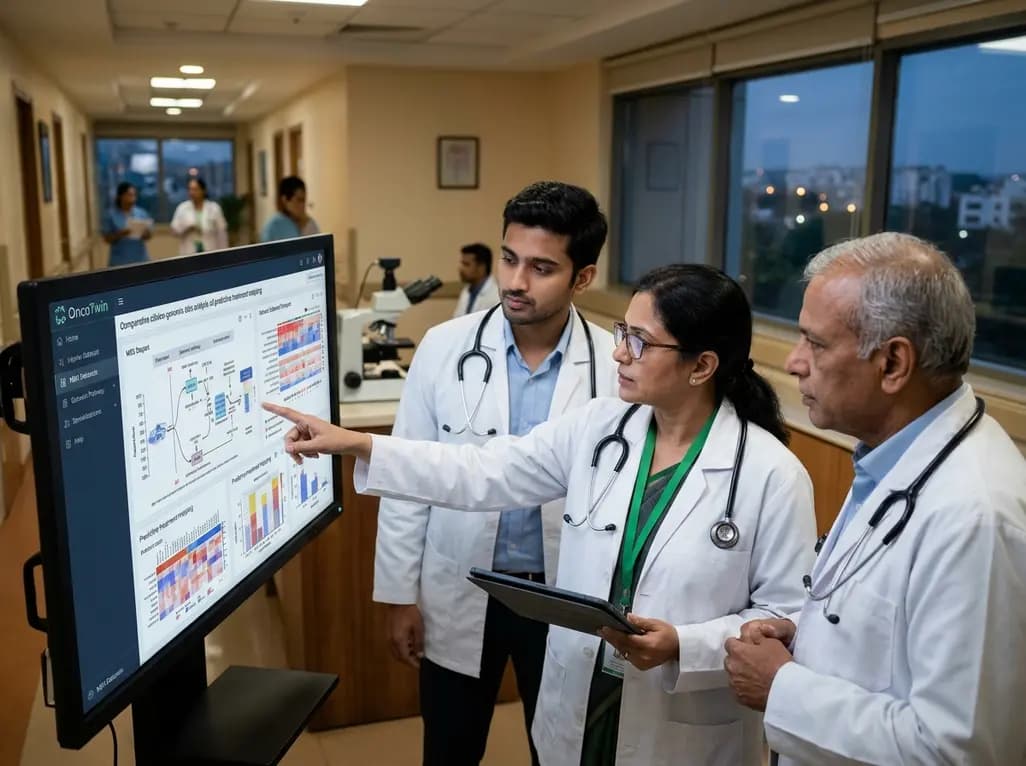
Modern cancer therapy increasingly relies on molecular profiling to tailor systemic interventions. Recently, Indian health-tech enterprise 4baseCare announced a transformative collaboration with Memorial Sloan Kettering Cancer Center. Through this alliance, the organisation will integrate diverse international clinical datasets into its proprietary precision oncology database. Consequently, practicing oncologists can now access deep, longitudinal clinico-genomic evidence across diverse patient demographics. The initiative bridges critical gaps between clinical trials and bedside oncology practices in low- and middle-income regions. Furthermore, this partnership empowers clinicians to evaluate complex therapeutic regimens against real-world clinical benchmarks. By synthesizing genomic sequencing with therapeutic outcomes, oncology teams can optimize personalized patient management strategies.
The OncoTwin system constructs a comprehensive digital twin for each individual cancer patient. Specifically, the software synthesizes actionable genomic variants, disease stage, prior lines of systemic therapy, and patient comorbidities. By doing so, the artificial intelligence architecture creates a virtual surrogate model of the patient's malignancy. In addition, the engine scours multi-institutional repositories to identify clinically comparable historical profiles. Thus, clinicians can evaluate the exact drug combinations and sequential interventions that generated positive therapeutic responses.
Traditional clinical trials often enforce strict eligibility criteria that exclude frail or atypical patients. In contrast, digital twins offer an inclusive window into therapeutic safety and efficacy within real-world settings. Clinicians can observe how targeted small-molecule inhibitors or cytotoxic regimens performed in patients with identical mutation profiles. Moreover, this comparative analysis highlights potential toxicity risks and early disease progression patterns before initiating treatment. The platform also assists molecular tumor boards by generating standardized case reviews enriched with real-world outcomes. Ultimately, this evidence contextualization ensures that clinicians deliver timely, tailored interventions with confidence.
The integration of Memorial Sloan Kettering data expands the underlying precision oncology database to more than 80,000 patient records. This massive archive merges extensive American oncological datasets with rapidly growing Indian clinico-genomic registries. Therefore, the expanded platform addresses a longstanding disparity in international precision medicine. Historically, western cohorts generated the overwhelming majority of genomic cancer research, leaving Asian populations severely underrepresented. Consequently, Indian clinicians frequently encountered difficulties when applying international clinical guidance to genetically distinct local populations.
Additionally, this expanded registry captures nuanced therapeutic patterns across a wide array of solid tumors and hematological malignancies. By incorporating curated clinical outcomes from Memorial Sloan Kettering, the system offers high-fidelity retrospective data. Treating physicians can now cross-reference rare mutations with established therapeutic trajectories observed in leading global cancer centers. Furthermore, the collaboration integrates OncoKB, an internationally acknowledged, curated knowledge base that details the biological significance of specific somatic alterations. As a result, community oncologists receive immediate insights regarding drug sensitivity, resistance mutations, and standard clinical guidelines. This integration bridges international specialized expertise with domestic oncology workflows.
Indian cancer patients frequently present with distinct biological phenotypes, unique mutational burdens, and differing pharmacokinetic responses. For instance, non-small cell lung cancer patients in India display significantly higher epidermal growth factor receptor mutation rates than western cohorts. Similarly, gallbladder carcinoma and triple-negative breast cancer demonstrate unique aggressive clinical courses and distinct epidemiological patterns across the subcontinent. Therefore, developing localized databases remains an urgent priority for Indian oncologists.
By blending global outcomes from Memorial Sloan Kettering with Indian demographic profiles, 4baseCare directly tackles this representation deficit. Furthermore, the company plans to scale its local clinical and genomic repository to over 100,000 patients within two years. This aggressive expansion guarantees that the algorithmic models learn from indigenous disease patterns rather than foreign biological assumptions. In addition, the partnership supports local initiatives such as state-level precision oncology centers equipped with next-generation sequencing infrastructure. Consequently, public and private hospital networks can generate domestic clinical insights while leveraging international best practices. Ultimately, this balanced clinico-genomic architecture empowers Indian oncologists to prescribe highly personalized, cost-effective therapies tailored to their patients.
Modern oncology moves at a relentless pace, with novel targeted agents and immune checkpoint inhibitors entering clinical guidelines constantly. However, community oncologists managing overwhelming daily patient volumes cannot easily synthesize every emerging study. In this high-stakes environment, digital twin platforms provide point-of-care clinical decision support without dictating medical choices. Specifically, the platform generates a structured patient similarity report that quantifies match criteria based on clinical and molecular features.
Oncologists can review the lines of therapy, progression-free intervals, and adverse reactions observed in matched historical cohorts. Moreover, the tool explicitly annotates potential confounding factors, cohort sample sizes, and data completeness limitations. Consequently, oncologists maintain full clinical autonomy while considering real-world outcomes alongside established National Comprehensive Cancer Network or Indian Council of Medical Research guidelines. Additionally, the software facilitates interdisciplinary tumor boards by consolidating next-generation sequencing panels, biopsy histopathology, and therapy history into a single interactive dashboard. Thus, surgical oncologists, medical oncologists, and pathologists can align on optimal treatment strategies rapidly. This unified workflow minimizes therapeutic delays and improves patient adherence.
The expanded digital twin platform will roll out across India, Southeast Asia, and Latin America beginning in early 2027. Currently, 4baseCare collaborates with more than 1,000 hospitals and 2,500 oncologists across these rapidly developing healthcare regions. Therefore, this widespread clinical network provides an established channel for deploying advanced computational oncology tools at scale. Furthermore, integrating international data into emerging markets democratizes access to elite medical knowledge that was previously confined to premier research centers.
Nevertheless, successful adoption requires strict adherence to ethical standards, data security protocols, and international patient privacy laws. The collaboration utilizes completely de-identified clinical records to guarantee absolute confidentiality and patient data sovereignty. In addition, expanding the reference pool enables clinicians to identify clinical trial opportunities for patients harboring rare oncogenic alterations. Consequently, patients who have exhausted standard systemic options may discover novel off-label combinations or targeted therapies with proven retrospective success. As precision oncology evolves, such digital twin platforms will become indispensable companions in daily clinical practice. Ultimately, combining robust global datasets with population-specific biology transforms how doctors confront complex malignancies worldwide.
Q1: What is the primary function of the OncoTwin platform in oncology practice?
The OncoTwin platform creates a digital twin of an individual cancer patient by processing their comprehensive genomic mutations, tumor stage, and clinical medical history. Furthermore, the system compares this digital profile against thousands of real-world outcomes in its reference database. Consequently, treating oncologists can examine effective drug regimens, patient responses, and potential adverse effects experienced by clinically similar individuals, enabling well-informed and highly personalized treatment choices alongside established national oncology guidelines.
Q2: How does the collaboration with Memorial Sloan Kettering benefit Indian oncologists?
This strategic collaboration integrates curated clinical records from Memorial Sloan Kettering Cancer Center and access to the OncoKB knowledge base into the platform. Consequently, Indian oncologists gain direct access to over 80,000 global patient outcomes. Moreover, this extensive archive helps clinicians bridge significant therapeutic gaps when interpreting rare genetic variants. Thus, doctors can compare international clinical trial outcomes and real-world therapy responses against their domestic patient cohorts to deliver targeted, evidence-based interventions.
Q3: How does the platform protect sensitive patient privacy and health data?
The platform maintains stringent compliance with international data security standards and regional patient privacy laws. Specifically, all patient data integrated from partner healthcare institutions undergoes thorough, multi-layered de-identification before entry into the system. Therefore, individual personal identifiers are permanently removed, ensuring that confidential medical records cannot be traced back to specific patients. In addition, oncologists utilize this anonymized comparative evidence strictly to inform clinical reasoning without compromising patient privacy or regulatory governance.
Disclaimer: This content is for informational and educational purposes only. It does not constitute medical advice or replace professional judgment. Refer to the latest local and national guidelines for clinical practice.
References

Read summarized clinical updates, watch expert medical content, and earn CME certifications right from your smartphone.
Open your smartphone camera to scan and install.





Bengaluru-based 4baseCare has partnered with Memorial Sloan Kettering Cancer Center to incorporate de-identified clinico-genomic datasets into its OncoTwin platform. With over 80,000 records, the tool provides oncologists across India with comparative real-world evidence to guide individualized cancer treatment.
Today
As lifestyle diseases surge across India, clinicians face rising challenges from dietary misinformation and unmonitored therapies. Prioritising structured nutrition therapy, evidence-based self-care, and robust regulatory oversight offers a sustainable pathway to counter metabolic dysfunction and enhance patient health.
Today
A 20-year population study reveals a 45% decline in non-ambulatory cerebral palsy, driven largely by significant reductions in term hypoxic-ischaemic encephalopathy cases. Explore the causal pathways, perinatal advances, and clinical implications for maternal-neonatal healthcare.
Today
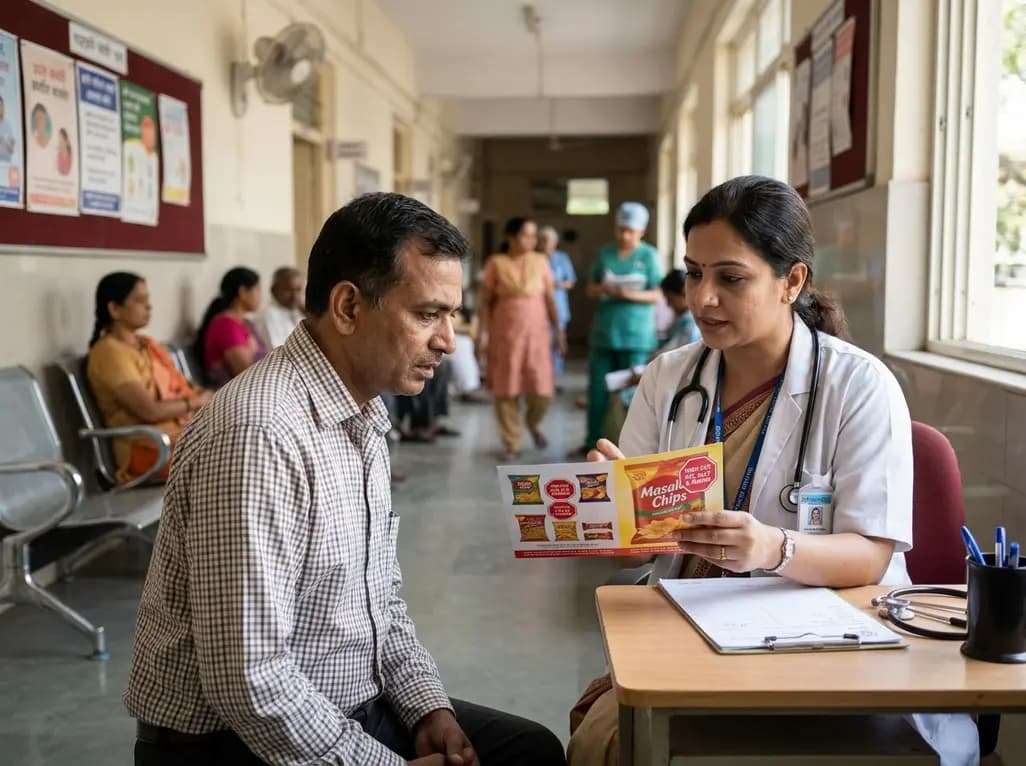
The Supreme Court of India has directed FSSAI to enforce distinct red hexagonal warnings on packaged foods for high salt, sugar, and saturated fat. This landmark public health ruling empowers consumers and supports physicians combating diabetes, obesity, hypertension, and cardiovascular diseases across the nation.
Today
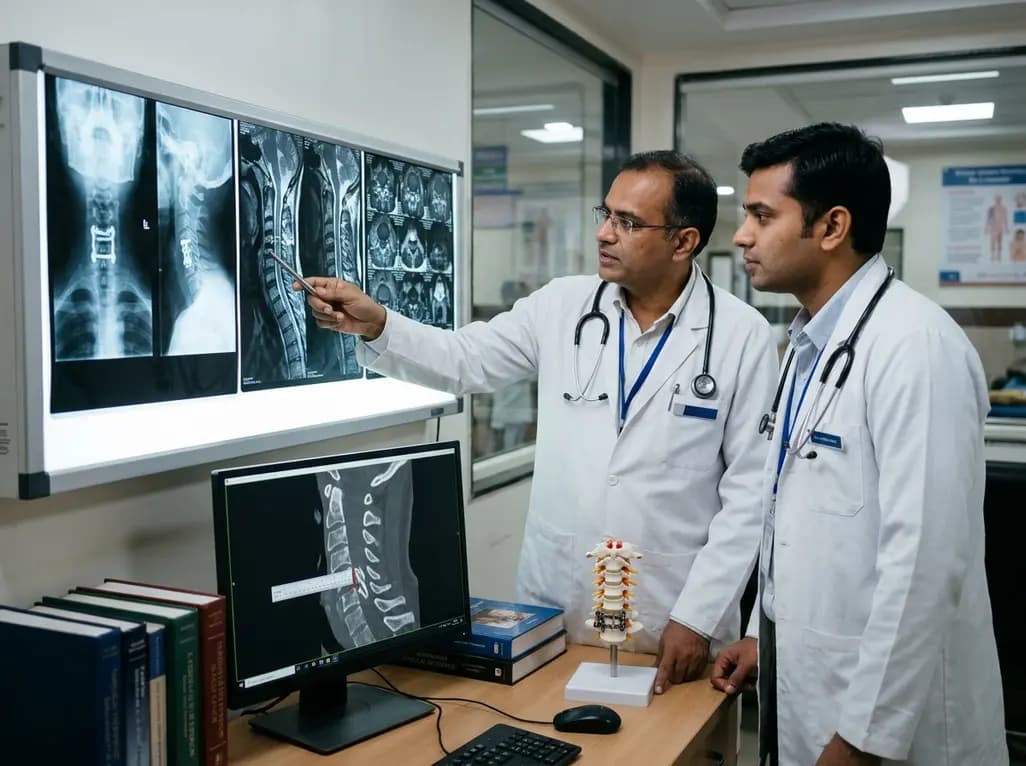
A retrospective study identifies C6 canal diameter and C3 cord-canal ratio as key predictors of secondary single-door laminoplasty after anterior cervical surgery, with progressive adjacent segment disease as the primary cause.
Today
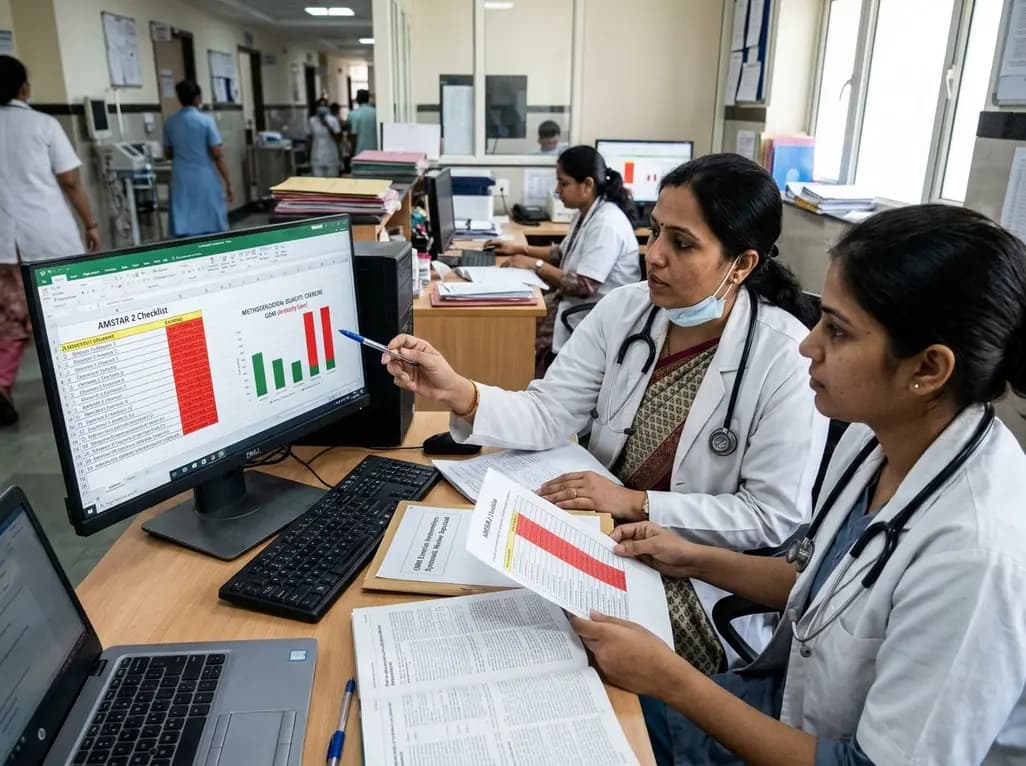
A critical appraisal using AMSTAR 2 reveals that meta-analyses on exercise interventions for gestational diabetes have critically low methodological quality, urging cautious clinical interpretation.
Today
