

Loading, please wait...
Loading, please wait...

Surgical resection provides immediate symptomatic relief for patients suffering from intracranial mass lesions. However, radiation oncologists must administer adjuvant therapy to eliminate residual microscopic tumor cells in resected brain metastases. For decades, clinicians delivered postoperative stereotactic radiotherapy to the surgical bed. Nevertheless, this delayed postoperative approach permits surgical cavity collapse and delays crucial systemic chemotherapy. Furthermore, post-surgical wound complications frequently postpone radiation treatments. Consequently, clinical investigators have explored innovative perioperative alternatives to address these ongoing clinical hurdles. In particular, pre-operative stereotactic radiosurgery and intraoperative cesium-131 brachytherapy have emerged as compelling therapeutic solutions. A comprehensive systematic review and meta-analysis by Kite and colleagues now directly compares these two modern paradigms. Ultimately, these valuable findings offer timely guidance for multidisciplinary neuro-oncology teams evaluating optimal management strategies.
Historically, clinicians relied on whole-brain radiation therapy following operative resection. However, substantial neurocognitive toxicities subsequently drove the adoption of cavity-directed stereotactic radiotherapy. Although focused postoperative stereotactic techniques preserve neurocognition, they introduce substantial technical complexities. For example, unpredictable cavity volume fluctuations impair accurate target contouring. Furthermore, prolonged recovery times delay essential systemic antineoplastic therapies. Therefore, pre-operative stereotactic radiosurgery emerged to resolve these timing obstacles. By targeting intact tumors before surgical extirpation, radiation oncologists delineate sharper radiographic margins with reduced margins. Additionally, pre-operative irradiation sterilizes neoplastic cells before surgical manipulation, which limits tumor cell shedding. In contrast, intraoperative cesium-131 brachytherapy embeds radioactive seeds directly into collagen carriers during surgery. Consequently, this surgical approach eliminates radiation treatment delays completely and initiates immediate therapeutic dosing upon cavity closure.
The meta-analysis evaluated 1,125 patients across fifteen pre-operative radiosurgery cohorts and four cesium-131 brachytherapy cohorts. Overall, both therapeutic modalities demonstrated impressive twelve-month local disease control in newly diagnosed patients. Specifically, cesium-131 brachytherapy produced a pooled twelve-month local control rate of 97%. In comparison, pre-operative stereotactic radiosurgery achieved an encouraging 90% local control rate across analyzed centers. Although the initial subgroup difference test yielded a borderline p-value of 0.054, meta-regression confirmed a statistically significant difference favoring brachytherapy. Moreover, when researchers restricted their analysis to cohorts reporting raw patient counts, cesium-131 achieved 99% control versus 90% for radiosurgery. Notably, this subset comparison demonstrated clear statistical significance with a p-value of 0.009. Therefore, immediate radioactive seed implantation creates remarkably durable local tumor suppression. However, deeper scrutiny reveals that radiation dosing differences largely explain these local control variations.
A crucial finding in this meta-analysis involves radiation fractionation schedules within the pre-operative stereotactic cohorts. When investigators stratified radiosurgery protocols, hypofractionated regimens delivered far superior tumor control compared to single-fraction radiosurgery. Specifically, hypofractionated pre-operative stereotactic radiosurgery achieved an exceptional 96% twelve-month local control rate. In contrast, single-fraction pre-operative radiosurgery generated a local control rate of only 86%. Furthermore, this numerical divergence proved statistically significant with a p-value of 0.005. Notably, the 96% control rate achieved with hypofractionation directly matches the 97% rate achieved with cesium-131 brachytherapy. Consequently, experts believe single-fraction dose de-escalation accounts for the apparent superiority of brachytherapy in pooled comparisons. Delivering multi-fraction stereotactic treatments safely provides higher biologically effective doses to larger lesions. Thus, clinicians can achieve equivalent surgical bed control through either hypofractionated stereotactic delivery or intraoperative tile placement.
Safety outcomes represent a central consideration when oncology teams select perioperative radiation techniques. Fortunately, both pre-operative stereotactic radiosurgery and cesium-131 brachytherapy demonstrated remarkably low rates of treatment-related complications. For example, leptomeningeal disease occurrence showed no statistically significant difference between the two treatment cohorts. Specifically, leptomeningeal disease developed in 9.1% of brachytherapy patients and 5.1% of radiosurgery patients. Similarly, rates of symptomatic radiation necrosis remained low across all examined clinical studies. Patients receiving cesium-131 brachytherapy exhibited a 0.7% rate of radiation necrosis, while pre-operative radiosurgery patients showed a 5.2% incidence. Notably, this difference also lacked statistical significance. In contrast, historical postoperative stereotactic series report radiation necrosis rates exceeding 15% to 20%. Both modalities protect healthy brain parenchyma effectively. Therefore, clinicians can confidently recommend either approach without fearing excessive treatment-induced neurotoxicity.
The systematic analysis also compared median overall survival times between the two perioperative approaches. Brachytherapy cohorts demonstrated a median overall survival of 15.6 months, compared to 14.4 months for pre-operative radiosurgery. When investigators excluded the randomized ROADS trial data, the brachytherapy median overall survival was 11.0 months. Thus, underlying systemic disease burden and tumor biology ultimately dictate patient survival rather than radiation technique. Nevertheless, workflow logistics strongly influence clinical decision-making. Cesium-131 brachytherapy offers an efficient "one and done" surgical solution. This approach eliminates repeated outpatient radiation visits, which greatly benefits debilitated patients. However, brachytherapy requires specialized surgical training and radiation licensing. In contrast, pre-operative radiosurgery utilizes established linear accelerator infrastructure without radioactive seed handling. Consequently, multidisciplinary teams should view these techniques as complementary options. By selecting modalities based on surgical urgency and institutional resources, clinicians optimize outcomes for cancer patients.
Intraoperative cesium-131 brachytherapy embeds radioactive seeds within collagen tiles directly into the surgical cavity during resection. This technique delivers immediate focal radiation, entirely avoiding postoperative treatment delays. In contrast, traditional stereotactic radiotherapy requires patients to wait several weeks for surgical incision healing before starting treatment. Consequently, brachytherapy eliminates microscopic tumor repopulation during the recovery window, reduces outpatient hospital visits, and provides superior local control without increasing the risk of adverse radiation events.
Single-fraction pre-operative radiosurgery often requires dose de-escalation to prevent severe toxicity when treating larger brain metastases. Unfortunately, lower radiation doses compromise long-term local tumor control. In contrast, hypofractionated stereotactic radiosurgery delivers the total radiation dose across multiple smaller fractions. This biological fractionation strategy exploits differential repair mechanisms between normal brain tissue and malignant cells. As a result, clinicians safely escalate the biologically effective dose to the intact tumor bed, thereby achieving local control rates comparable to brachytherapy.
Multidisciplinary neuro-oncology teams evaluate surgical urgency, lesion volume, logistical accessibility, and patient functional status when choosing between these therapies. When mass effect demands emergent surgical decompression, intraoperative cesium-131 brachytherapy is ideal because it avoids pre-operative radiation delays. Brachytherapy also benefits patients unable to attend multiple outpatient visits. Conversely, for scheduled elective craniotomies in centers lacking brachytherapy infrastructure, hypofractionated pre-operative stereotactic radiosurgery offers equivalent disease control while avoiding radioactive seed handling and regulatory burdens.
Disclaimer: This content is for informational and educational purposes only... Refer to the latest local and national guidelines for clinical practice.
References

Read summarized clinical updates, watch expert medical content, and earn CME certifications right from your smartphone.
Open your smartphone camera to scan and install.





A systematic review and meta-analysis evaluated pre-operative stereotactic radiosurgery against intraoperative cesium-131 brachytherapy for resected brain metastases. Cesium-131 achieved 97% local control compared to 90% with pre-operative SRS, while hypofractionated SRS showed equivalent local disease control.
Today
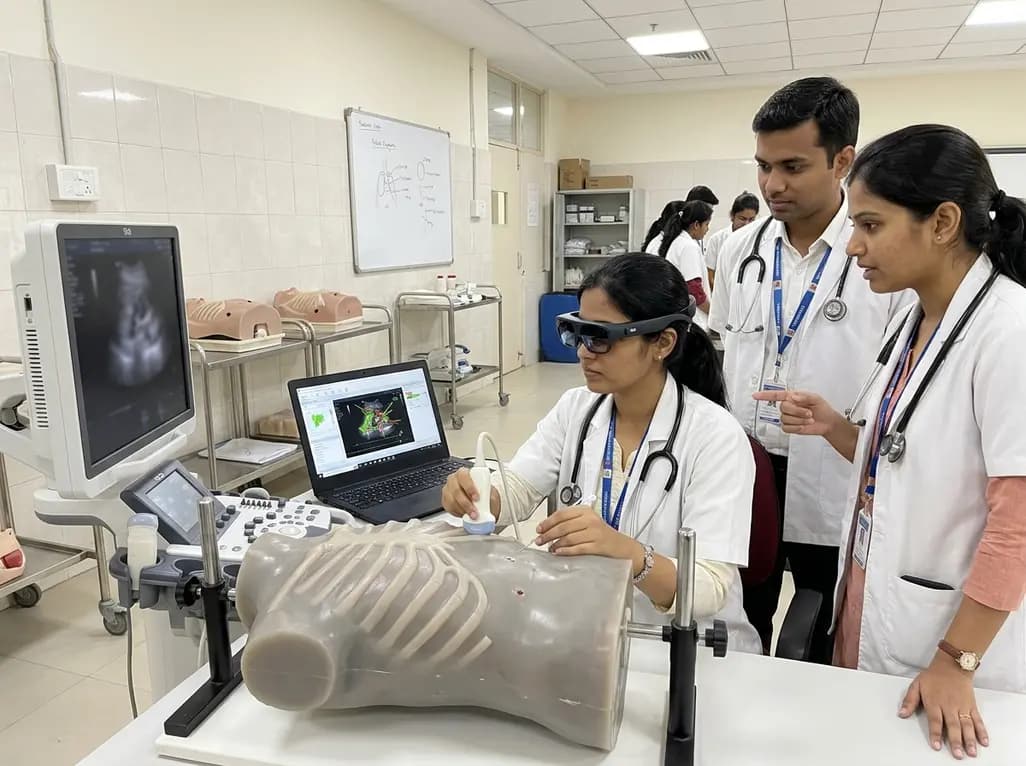
A pioneering study demonstrates that eye-tracking metrics provide robust response process validity evidence for an ultrasound-guided thoracentesis phantom, offering objective measurements of cognitive workload to improve procedural simulation and clinical training.
Today
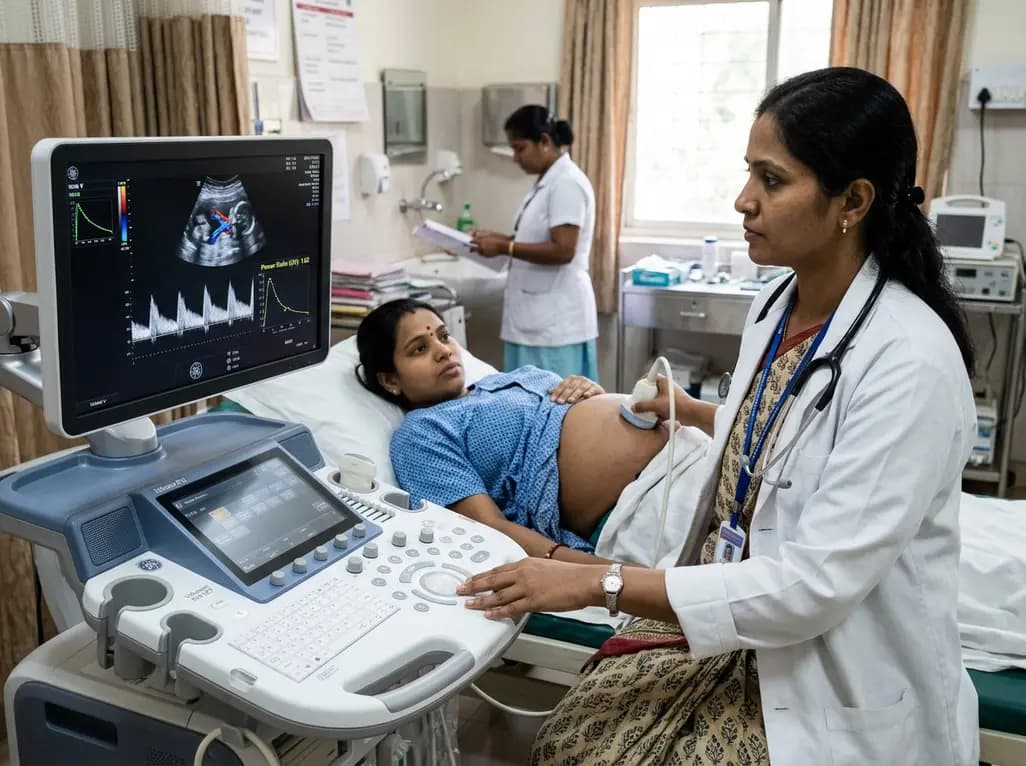
Adaptive spectral analysis of umbilical venous Doppler recordings reveals that an elevated second-trimester maternal-fetal power ratio can distinguish pregnancies at risk of preeclampsia, offering a novel biophysical approach to enhance early vascular risk stratification.
Today

A real-world cohort study of 6,537 patients from the FOUNTAIN platform demonstrates that initiating finerenone significantly reduces albuminuria by 40.7% with minimal eGFR decline and manageable hyperkalemia risk, confirming its practical effectiveness and safety in diabetic kidney disease.
Today

A comprehensive analysis of MAP therapy resistance in osteosarcoma, examining canonical and non-canonical mechanisms across damage avoidance, enhanced DNA repair, and replication stress tolerance to identify novel vulnerabilities.
Today

A meta-analysis of 18 RCTs with 77,942 patients reveals that GLP-1 and dual GIP/GLP-1 receptor agonists significantly reduce serum uric acid, cut incident gout flares by 38%, and lower hyperuricemia risk, with dual agonism showing superior urate-lowering efficacy mediated partly by weight loss.
Today
