.webp&w=384&q=75)

Loading, please wait...
Loading, please wait...
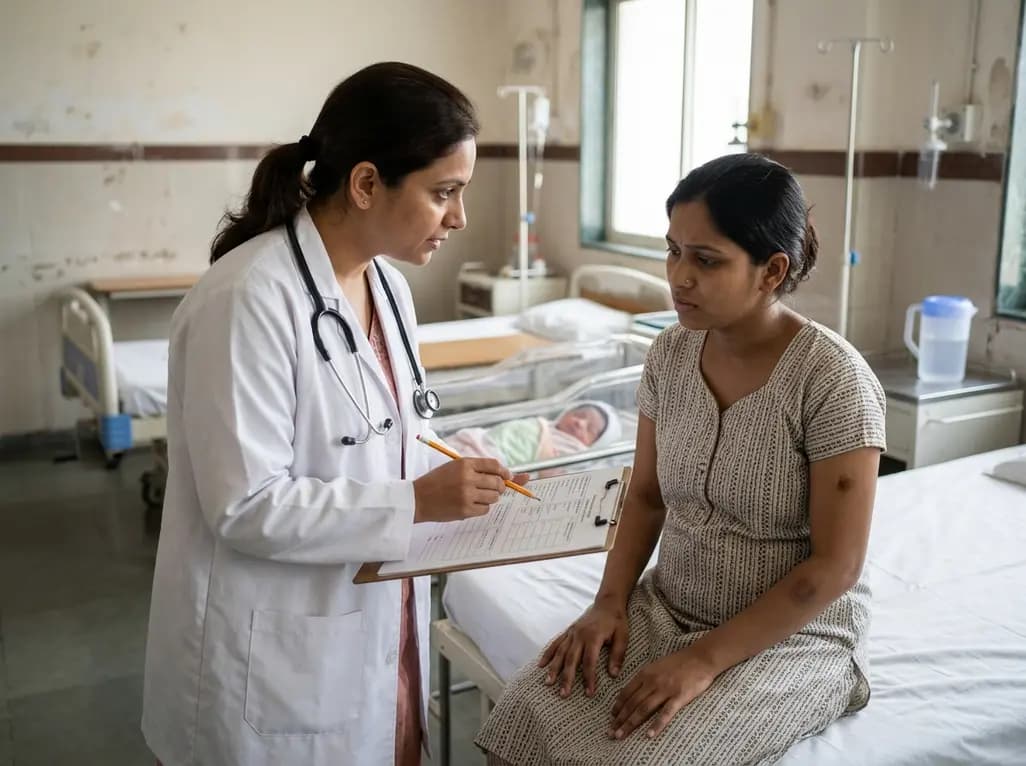
Maternal mental health represents a critical component of post-delivery obstetric and psychiatric care. Historically, clinicians have viewed self-harming thoughts as a secondary manifestation of maternal mood disorders. However, emerging global evidence demonstrates that postpartum suicidal ideation often manifests independently from classic depressive symptomatology. Consequently, relying solely on standard depression inventories can leave high-risk mothers completely unassisted during a highly vulnerable developmental transition.
In recent years, maternal mortality studies from around the world have identified suicide as a major direct cause of maternal death within the first year after childbirth. Although postpartum depression remains a prominent predictor, healthcare providers must recognize that suicidal thoughts can arise through complex psychosocial pathways. Early identification requires a refined understanding of specific risk profiles beyond standard mood disturbances. In addition, routine postnatal visits offer essential touchpoints for clinicians to identify silent distress. By adopting a broader clinical lens, obstetricians, general practitioners, and mental health specialists can proactively intervene to mitigate severe maternal morbidity and prevent preventable loss of life.
A rigorous systematic review synthesized evidence across twenty international studies involving 352,726 postpartum women. The investigation evaluated data from diverse global populations to determine prevalence rates and identify overarching risk factors. Notably, the reported prevalence of postpartum suicidal ideation varied drastically across different cohorts, ranging from 2.2% to well over 50%. This wide variability reflects significant differences in assessment tools, screening timing, and regional socio-demographic contexts.
Despite these methodology differences, the pooled data highlighted an urgent clinical reality. Suicidal thoughts during the postnatal period affect a substantial proportion of new mothers worldwide. Furthermore, researchers observed that clinical tools relying solely on depression scales frequently underestimate self-harm risks. In several included cohorts, women reported severe suicidal thoughts without fulfilling diagnostic criteria for major depressive disorder. Consequently, relying exclusively on score cut-offs from conventional screening questionnaires creates dangerous diagnostic blind spots. These findings strongly support the implementation of comprehensive risk assessment tools across maternal care pathways.
The systematic review established that postpartum self-harming behavior stems from a complex matrix of biological, psychological, and social determinants. Although postpartum depression and clinical anxiety remain key drivers, psychosocial stressors play an equally decisive role. Specifically, a documented history of trauma, intimate partner violence, and adverse childhood experiences significantly elevate maternal vulnerability. Furthermore, systemic challenges such as low socioeconomic status and unplanned pregnancy compound emotional distress during the early maternal period.
In addition to historical trauma and financial hardship, interpersonal environment strongly influences psychological resilience. Lack of social support from partners or family members frequently exacerbates feelings of isolation and despair. Consequently, clinicians must evaluate environmental stressors alongside affective symptoms. Moreover, the presence of untreated anxiety disorders or underlying personality vulnerabilities can amplify acute distress following delivery. Recognizing this multifactorial risk profile enables healthcare providers to look beyond psychiatric history alone. By assessing broader social determinants, clinical teams can pinpoint vulnerable mothers early and arrange targeted social and psychological resources before crisis points occur.
Standard clinical protocols heavily rely on routine depression screening tools during postnatal follow-up examinations. While these questionnaires effectively capture classic depressive symptoms like anhedonia and depressed mood, they frequently fail to detect acute suicidal thoughts occurring in isolation. Consequently, healthcare providers who depend entirely on standard depression cut-off scores risk missing patients who experience sudden, overwhelming self-harm urges without overt mood changes.
To address this clinical gap, healthcare systems must expand routine screening protocols. Specifically, practitioners should incorporate direct inquiries regarding suicidal thoughts, acute distress, and perceived coping capacity regardless of depression inventory scores. Furthermore, clinicians must evaluate underlying trauma histories and immediate interpersonal safety during primary care and gynecological visits. In addition, establishing clear referral pathways between primary healthcare centers, obstetric clinics, and psychiatric services ensures rapid management when patients express silent distress. Ultimately, transitioning toward comprehensive clinical evaluation framework allows healthcare teams to deliver timely life-saving interventions for at-risk postpartum individuals.
Implementing trauma-informed care strategies represents a crucial step in modernizing perinatal health services. Patients who have experienced past interpersonal violence or childhood adversity require sensitive, non-judgmental clinical environments. When healthcare providers adopt trauma-informed screening practices, patients feel significantly more comfortable disclosing complex psychological distress and unaddressed self-harming thoughts. Moreover, trauma-informed frameworks help clinicians avoid unintentionally re-traumatizing vulnerable mothers during routine physical or psychiatric evaluations.
Despite the critical need for preventive measures, the systematic review revealed a striking scarcity of evidence-based intervention studies targeting postpartum suicidality. Most existing literature focuses primarily on risk identification rather than evaluating practical preventive interventions. Consequently, clinical teams often face guidance gaps when managing high-risk postpartum individuals who do not fit traditional depressive profiles. Healthcare systems must therefore prioritize integrated care models that combine psychological therapy, social work support, and community assistance. Furthermore, multidisciplinary teams comprising obstetricians, midwives, nurses, and psychiatrists must collaborate closely to establish personalized safety plans for vulnerable new mothers.
Addressing gaps in maternal mental health requires robust, forward-looking research methodologies. Future studies must prioritize longitudinal designs that track women throughout pregnancy and into the extended postpartum period. Longitudinal tracking allows researchers to identify specific chronological risk windows and evaluate how psychosocial stressors evolve over time. Additionally, prospective studies can clarify how early traumatic experiences interact with physiological post-delivery changes to trigger acute self-harm ideation.
Furthermore, clinical research must emphasize culturally sensitive investigation methods. Societal expectations regarding motherhood, family dynamics, and mental health stigma vary substantially across different cultural settings. In low- and middle-income regions, healthcare access barriers and severe social stigma often suppress open communication regarding maternal distress. Consequently, developing culturally tailored screening tools and community-based peer support programs is essential for effective global suicide prevention. Ultimately, combining rigorous longitudinal evidence with culturally aligned healthcare delivery will ensure that every mother receives compassionate, comprehensive, and timely mental health protection.
Yes, research demonstrates that suicidal thoughts can manifest independently of postpartum depression. While depression remains a strong risk factor, psychosocial stressors, trauma history, intimate partner violence, and acute anxiety can trigger self-harming thoughts even in mothers who do not meet clinical criteria for major depressive disorder.
Major risk factors include postpartum depression, severe anxiety disorders, prior trauma, adverse childhood experiences, and intimate partner violence. Additionally, socio-economic disadvantage, unplanned pregnancy, lack of social support, and poor coping mechanisms significantly elevate a mother's psychological vulnerability during the postnatal period.
Healthcare providers should adopt broad, trauma-informed screening strategies rather than relying solely on depression inventories. Routine clinical evaluations must assess psychosocial stressors, trauma history, and direct self-harm ideation. Integrating mental health evaluations into routine obstetric and primary care visits facilitates early identification and intervention.
Disclaimer: This content is for informational and educational purposes only and does not constitute medical advice, diagnosis, or treatment. Always seek the advice of a qualified healthcare provider with any questions you may have regarding a medical condition. Refer to the latest local and national guidelines for clinical practice.
References

Read summarized clinical updates, watch expert medical content, and earn CME certifications right from your smartphone.
Open your smartphone camera to scan and install.





A systematic review of 352,726 women reveals that postpartum suicidality can occur independently of depression. Key risk factors include anxiety, trauma history, intimate partner violence, and low social support, highlighting the urgent need for trauma-informed, comprehensive maternal screening strategies.
2 months ago

Recent epidemiological data reveals a dramatic surge in summer heat mortality driven by human-induced climate warming. This analysis explores the pathophysiological impacts on cardiac and renal systems, diagnostic dilemmas in death certification, and essential emergency cooling protocols for acute clinical care.
Today

Odisha has established India's first state-level clinical protocol specifically tailored for pregnant women with sickle cell disease. Developed with NHM and UNICEF, the framework provides structured antenatal screening, crisis mitigation, standardized referral pathways, and specialized interdisciplinary care.
Today

India is advancing preventive healthcare by integrating genomics, artificial intelligence, and quantum technologies. With the SANGAM programme sequencing one million Indian genomes, clinicians can unlock personalized therapies, detect cardiometabolic risks early, and curb the burden of diabetes and heart disease.
Today

A randomized controlled trial demonstrates that an eight-week dual-task training intervention significantly improves static and dynamic postural control over standard balance exercises in individuals with chronic ankle instability, addressing critical neurocognitive deficits during athletic and daily activities.
Today

A retrospective cohort study of 7,716 ICU patients from the MIMIC-IV database demonstrates that Gradient Boosting Decision Trees significantly outperform traditional SOFA scores in predicting in-hospital mortality among patients with sepsis and diabetes, with SHAP analysis providing clinical interpretability.
Today
