

Loading, please wait...
Loading, please wait...

Geriatric hip fractures represent a critical global healthcare challenge that carries high mortality and morbidity. Among the most frequent acute neuropsychiatric complications encountered in orthopedics, postoperative delirium stands out as a devastating condition. Standardized clinical pathways offer systematic perioperative care to streamline recovery. However, surgical teams often debate whether specific surgical pathways independently influence acute neurocognitive outcomes. A recent retrospective cohort study explored this question by evaluating how internal fixation and arthroplasty pathways correlate with acute confusion in elderly patients.
Postoperative delirium frequently complicates the acute hospital stay of older individuals undergoing emergency orthopedic procedures. This acute neuropsychiatric syndrome typically manifests as fluctuating inattention, altered consciousness, and disorganized thinking. Consequently, affected patients experience extended hospitalizations, functional decline, heightened risk of institutionalization, and increased mortality. Furthermore, surgical trauma, inflammatory cascades, sleep deprivation, and anesthetic agents often trigger acute cognitive failure in vulnerable aging brains. Because frail bone health predisposes seniors to catastrophic falls, clinicians encounter hip fractures daily across emergency surgical theaters. Therefore, identifying modifiable perioperative determinants remains an urgent priority for surgical teams and geriatricians alike. Standardized clinical pathways streamline multi-professional care, yet comparative data on pathway-specific neurocognitive outcomes have historically remained scarce. Medical teams have long recognized that different fracture patterns demand distinct operative procedures, including internal fixation for extracapsular fractures and hemiarthroplasty or total arthroplasty for intracapsular breaks. Consequently, understanding how these procedure-specific pathways influence cerebral homeostasis allows clinicians to tailor proactive neuroprotective strategies. Thus, optimizing perioperative management through structured pathways provides a pivotal pathway toward improving cognitive recovery and long-term functional autonomy in this fragile population.
To evaluate pathway-associated risks, researchers conducted a comprehensive retrospective cohort investigation at a tertiary medical facility. The study analyzed clinical records of 693 patients aged 65 years and older who underwent hip surgery between January 2022 and December 2025. Specifically, researchers categorized participants into two cohorts based on their surgical care model. Patients suffering from extracapsular fractures who received intramedullary nailing entered the internal fixation clinical pathway group. In contrast, patients presenting with intracapsular femoral neck fractures who received hip arthroplasty entered the arthroplasty clinical pathway group. Both groups received protocol-driven perioperative care tailored to their respective operative demands. Furthermore, researchers employed rigorous propensity score matching to balance confounding baseline variables, such as age, medical comorbidities, and preoperative functional reserve. In addition, the investigative team deployed multivariable logistic regression analyses to assess independent predictors of acute cognitive disturbances. By systematically tracking daily clinical encounters during hospitalization, the investigators accurately captured acute delirium episodes. Consequently, this methodological rigor provided robust real-world evidence comparing neurocognitive safety profiles between the two established surgical pathways.
The study revealed an overall postoperative delirium incidence of 15.01% across the combined cohort during the postoperative hospitalization period. However, a marked disparity emerged when investigators compared the two distinct surgical pathways. Before propensity score matching, the incidence of acute confusion was substantially lower in the arthroplasty cohort than in the internal fixation cohort, registering at 9.92% versus 20.61%. Because baseline physiological differences could confound these results, investigators matched 260 patient pairs with balanced clinical characteristics. Importantly, this statistically significant disparity persisted after matching, showing an 11.54% incidence in the arthroplasty group versus 18.85% in the internal fixation group. Moreover, multivariate logistic regression confirmed that enrollment in the arthroplasty clinical pathway independently correlated with a 60% reduction in delirium odds (odds ratio 0.40, 95% confidence interval 0.24 to 0.67). Subgroup analyses further validated this neurocognitive benefit across various demographic strata. Therefore, these quantitative findings provide convincing empirical evidence that the arthroplasty pathway associates with a notably lower burden of acute mental status changes in elderly patients.
Several plausible physiological and operational mechanisms explain why arthroplasty pathways associate with lower delirium rates compared to internal fixation pathways. First, arthroplasty protocols emphasize immediate, full weight-bearing, which promotes early functional ambulation. Consequently, early physical mobility accelerates circadian normalization, reduces sensory deprivation, and minimizes prolonged bed rest complications. In contrast, internal fixation for unstable extracapsular fractures often entails cautious weight-bearing, which inherently limits early mobilization. Furthermore, internal fixation procedures involving intramedullary reaming and nailing generate systemic lipid emboli and stimulate prominent systemic inflammatory cascades. These circulating cytokines breach a vulnerable blood-brain barrier and precipitate neuroinflammation. Additionally, extracapsular fractures frequently bleed more extensively into surrounding soft tissues, resulting in hidden blood loss and significant postoperative anemia. Because cerebral oxygenation depends heavily on stable hemoglobin concentrations, acute anemia and resulting blood transfusions further heighten cognitive vulnerability. Finally, differences in postoperative pain dynamics and opioid requirements play a critical role. Effective regional analgesia paired with stable joint replacement allows lower cumulative opioid consumption, thereby protecting elderly brains from medication-induced confusion.
These findings carry profound implications for orthopedic surgeons, anesthesiologists, and geriatricians collaborating in orthogeriatric co-management programs. Although fracture anatomy dictates surgical selection, recognizing that internal fixation patients carry nearly double the risk of acute confusion allows targeted preventative vigilance. Therefore, clinicians must implement structured delirium screening tools, such as the Confusion Assessment Method, throughout the postoperative recovery trajectory. Moreover, multidisciplinary care teams should prioritize comprehensive non-pharmacological delirium bundles for all geriatric hip fracture cases. These evidence-based interventions include optimizing cognitive reorientation, preserving regular sleep-wake cycles, ensuring adequate hydration, and managing sensory deficits with hearing aids and glasses. In addition, anesthesia providers must optimize multimodal analgesia protocols to minimize reliance on high-dose systemic opioids. By implementing ultrasound-guided peripheral nerve blocks, anesthesiologists deliver excellent localized analgesia while sparing central cognitive function. Furthermore, surgical units must foster early mobilization initiatives even within internal fixation pathways. Through coordinated multidisciplinary teamwork, hospitals can mitigate systemic stressors, shorten intensive stays, and substantially improve neurological recovery for vulnerable seniors facing acute fractures.
Healthcare facilities across developing nations, including India, encounter a rapidly expanding geriatric demographic prone to osteoporotic hip fractures. In Indian clinical settings, delayed hospital presentation, diverse socioeconomic backgrounds, and limited access to dedicated orthogeriatric wards amplify perioperative complications. Consequently, adopting standardized clinical pathways provides an efficient framework to streamline acute trauma care and optimize resource utilization. Clinicians should proactively recognize that extracapsular fracture patients undergoing intramedullary fixation require heightened vigilance for cognitive fluctuations. Furthermore, tertiary medical centers in India can establish integrated orthogeriatric co-management models that combine surgical precision with dedicated physician oversight. Standardizing perioperative nutrition, aggressive correction of electrolyte imbalances, and systematic medication reconciliation will further decrease acute cognitive decompensation. In addition, prospective randomized trials should explore whether specific modifications to internal fixation pathways—such as accelerated physical therapy and aggressive non-opioid pain strategies—can bridge the neurocognitive outcome gap observed in this study. Thus, implementing tailored clinical pathways represents an invaluable investment in geriatric trauma care.
Arthroplasty clinical pathways facilitate immediate postoperative weight-bearing and earlier ambulation, which preserves sensory input and circadian rhythms. Additionally, arthroplasty avoids intramedullary canal reaming, thereby reducing bone marrow embolization, inflammatory cytokine cascades, and severe hidden blood loss. Consequently, these physiological benefits collectively lower cerebral metabolic stress and reduce delirium risk in elderly patients.
Surgeons cannot select surgical interventions based solely on delirium risk because anatomical fracture classification fundamentally dictates the operative approach. Intracapsular fractures generally require arthroplasty, whereas extracapsular fractures necessitate internal fixation. Instead of altering surgical indications, clinicians must recognize the heightened delirium risk in internal fixation pathways and aggressively institute proactive, multidisciplinary neuroprotective protocols.
Effective non-pharmacological strategies include early physical mobilization, frequent cognitive reorientation, and continuous family presence. Clinicians must also maintain regular sleep-wake cycles by reducing nighttime noise and lighting. Furthermore, optimizing sensory function with hearing aids and spectacles, preventing dehydration, avoiding urinary catheterization, and providing adequate regional analgesia significantly reduce postoperative acute confusion in frail elders.
Disclaimer: This content is for informational and educational purposes only. It is not intended to be a substitute for professional medical advice, diagnosis, or treatment. Always seek the advice of your physician or other qualified health provider with any questions you may have regarding a medical condition or treatment. Never disregard professional medical advice or delay in seeking it because of something you have read here. Refer to the latest local and national guidelines for clinical practice.
References

Read summarized clinical updates, watch expert medical content, and earn CME certifications right from your smartphone.
Open your smartphone camera to scan and install.





A retrospective cohort study reveals that elderly hip fracture patients managed via arthroplasty clinical pathways experience significantly lower rates of postoperative delirium than those managed via internal fixation, highlighting key targets for multidisciplinary orthogeriatric interventions.
Today

A landmark study reveals that congenital DLK1 deficiency in women with a history of central precocious puberty causes visceral adiposity, mitochondrial dysfunction, oxidative stress, and neutrophil activation, highlighting the critical need for lifelong cardiometabolic surveillance.
Today

Estetrol (E4), a native fetal estrogen, offers a unique tissue-selective profile with minimal hepatic impact and lower thrombotic risk. This review highlights its clinical use in oral contraception, menopausal symptom management, and emerging applications across oncology and neurology.
Today
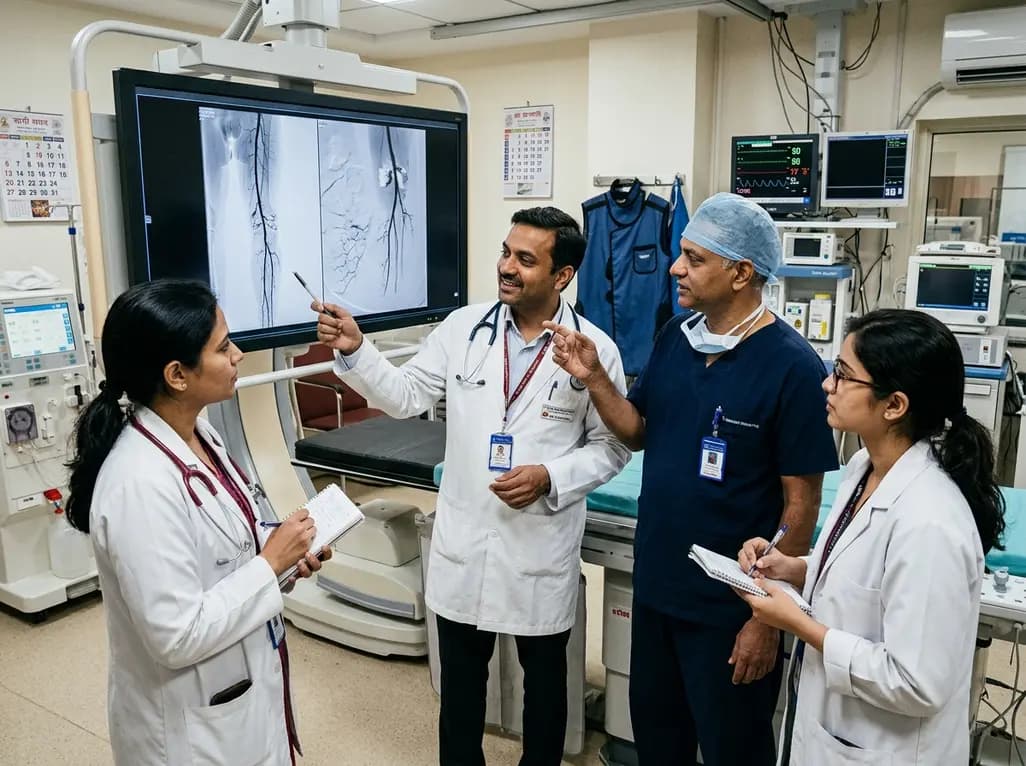
Explore revascularisation strategies in dialysis-dependent chronic limb-threatening ischaemia. This review examines surgical bypass vs endovascular therapy, BEST-CLI trial findings, procedural morbidity, conduit availability, and multidisciplinary decision-making for optimal limb salvage.
Today

A recent cross-sectional analysis reveals that over a quarter of randomized controlled trials for non-specific low back pain face discontinuation or unknown status, while more than 36% of completed trials remain unpublished, exposing notable reporting gaps in spine and musculoskeletal clinical research.
Today
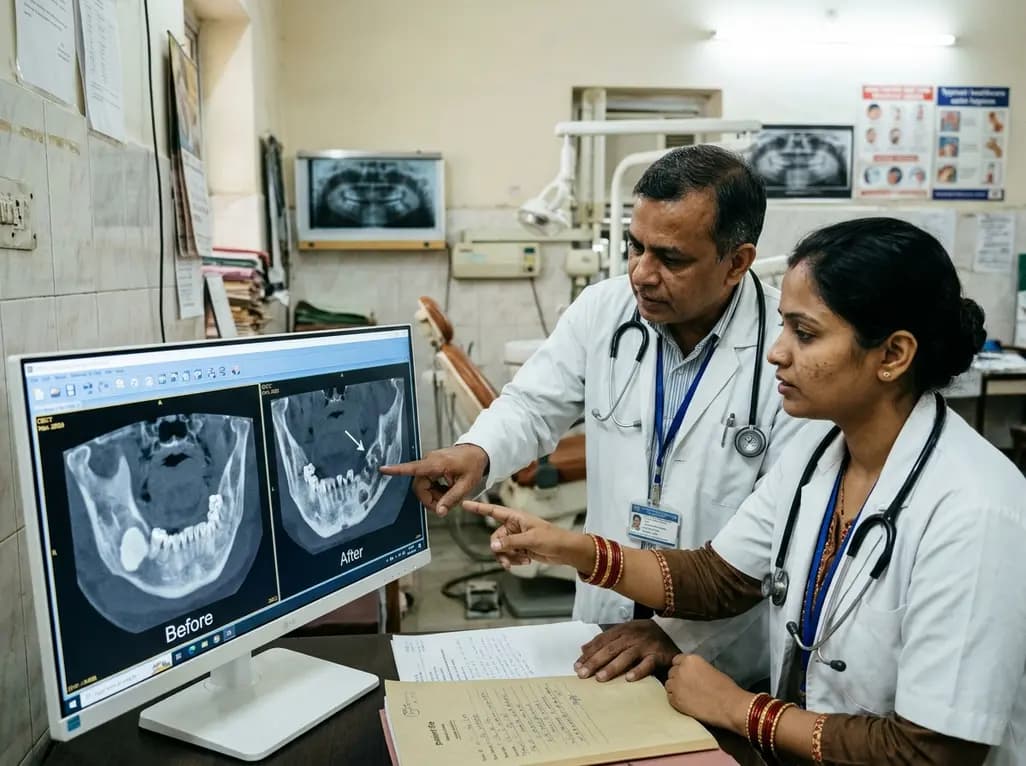
This case report examines the longitudinal CBCT evolution of Stage 2 MRONJ in a 70-year-old woman on denosumab at the site of a pre-existing mandibular dense bone island. It emphasizes the radiographic features, differential diagnosis, and multidisciplinary strategies required for high-risk bone lesions.
Today
