

Loading, please wait...
Loading, please wait...

Consequently, in elite sports, travel logistics heavily influence athlete regeneration, cognitive readiness, and physical wellness. Clinicians and sports performance directors continually seek the best protocols to facilitate postmatch sleep recovery following late-night away competitions. Late evening kickoffs inevitably disrupt circadian homeostasis because players experience elevated post-game physiological arousal, neuroendocrine stimulation, and psychological stress. In addition, medical personnel must decide whether a squad should board a nocturnal flight back to base or sleep locally in hotels. Therefore, understanding how these distinct logistic pathways alter sleep metrics enables physicians to design tailored recovery interventions for high-performance athletes.
Modern professional football demands frequent domestic and continental travel within tight fixture schedules. Consequently, athletes often compete in high-stakes matches separated by only seventy-two to ninety-six hours. This intense timetable severely restricts the restorative window needed for metabolic restoration and tissue repair. When fixtures finish late in the evening, teams immediately confront difficult transportation dilemmas. Specifically, coaching staff must choose between flying home right after the final whistle or reserving local hotel accommodations.
On one hand, traveling overnight allows players to sleep in their own familiar home environments by early morning. However, this immediate transit exposes athletes to nocturnal bus rides, airport terminal delays, and broken sleep intervals during transit. On the other hand, staying overnight in a host city preserves an immediate bedtime window. Nevertheless, this approach requires early morning checkouts, subsequent travel the next day, and delayed resumption of home training routines. In addition, ambient hotel noise and unfamiliar bedding can compromise sleep continuity. Therefore, both logistical options impose unique biological costs on the human circadian system. Sports medicine specialists must evaluate these competing demands carefully. Ultimately, selecting the optimal operational pathway requires rigorous objective evidence rather than anecdotal preferences from coaching staff.
To address this crucial operational question, researchers conducted an observational repeated-measures field investigation examining elite athletes during competitive European fixtures. Specifically, investigators tracked nineteen professional outfield English Premier League players across ten distinct away matches. The research protocol evaluated five fixtures featuring an immediate flight return and five fixtures utilizing an overnight hotel stay. Because field conditions vary considerably across venues, this balanced design offered a robust real-world assessment of elite operational travel.
Throughout the monitoring period, participants documented their subjective sleep metrics across three critical time points: the prematch night, match night, and subsequent night. Athletes recorded perceived sleep quality using a validated seven-point ordinal scale alongside total sleep duration. In addition, the researchers employed fixed-effects linear regression models to analyze the complex interactions between travel strategy, time points, and on-field match participation. By clustering standard errors at the individual player level, the statistical team effectively controlled for unobserved player-specific baseline characteristics. Furthermore, tracking these variables across multiple European destinations captured realistic flight durations and environmental transitions. As a result, this rigorous Level Three methodological framework generated dependable, high-quality insights into post-competition sleep kinetics under genuine high-performance sports conditions.
The investigation revealed striking findings regarding sleep architecture across travel conditions. Most notably, sleep quality dropped substantially on the match night and remained suppressed through the subsequent night. Specifically, statistical analysis demonstrated that sleep quality was significantly lower than prematch baseline values on both postmatch nights, exhibiting a beta coefficient of negative 0.62 arbitrary units. Surprisingly, the travel strategy itself did not produce a significant divergence in subjective sleep quality scores between conditions.
Furthermore, sleep duration suffered profound disruption irrespective of whether players flew home immediately or slept in local hotels. Although players who stayed overnight avoided late-night airport transit, they still experienced delayed sleep onset. This delay occurred because physiological arousal, elevated core temperature, and systemic adrenergic tone remained elevated after high-intensity match play. Similarly, athletes traveling on overnight return flights accumulated substantial sleep debt due to logistical transit interruptions and late bedtimes. Consequently, sleep debt accumulated rapidly across the traveling squad, impairing self-reported recovery ratings. Thus, clinicians must recognize that neither travel strategy completely protects against acute post-match sleep curtailment.
An equally critical dimension of the study involved comparing starting players with non-participating squad members. Intuitively, practitioners often assume that starters suffer vastly worse sleep disruptions due to physical exhaustion, soft tissue trauma, and muscle soreness. However, the data revealed an intriguing parity between starters and substitutes across several key sleep parameters. Both active match participants and non-playing squad members reported comparable reductions in sleep quality following late fixtures.
This phenomenon highlights the multifaceted nature of match-day psychological and environmental stressors. For example, unused substitutes frequently engage in vigorous post-match conditioning sessions under stadium floodlights to maintain cardiovascular fitness. In addition, non-starters experience considerable emotional frustration, anticipatory performance anxiety, and altered nocturnal schedules. Moreover, travel disruptions affect all traveling squad members equally, regardless of actual pitch minutes. Because flight boarding, passport control, and hotel transfers disrupt circadian rhythms universally, non-playing athletes suffer significant sleep fragmentation. Therefore, sports physicians cannot limit recovery monitoring exclusively to starting athletes. Instead, comprehensive sleep management protocols must encompass every member of the traveling delegation to prevent cumulative squad fatigue.
Given these clinical findings, medical teams must proactively implement multi-tiered interventions to improve postmatch sleep recovery across congested schedules. First, sports physicians should standardize pre-bedtime hygiene protocols immediately following evening matches. For instance, teams can restrict bright blue-light exposure in transit buses and airport lounges by distributing amber-tinted eyewear. Furthermore, nutritional interventions, such as high-glycemic carbohydrates and tart cherry juice, can stimulate endogenous melatonin production and accelerate restorative sleep initiation.
In addition, coaching staffs must adjust scheduling on the morning after travel. If a squad utilizes an overnight return flight, staff should strictly avoid early morning meetings or physical recovery sessions. Instead, athletes require extended morning sleep opportunities alongside structured afternoon nap windows lasting twenty to ninety minutes. Similarly, if the team chooses an overnight hotel stay, administrators must schedule hotel departures late enough to permit adequate sleep extension. Moreover, medical staff can utilize sleep actigraphy to monitor individual responses and detect severe nocturnal disturbances promptly. Consequently, personalized circadian management ensures that players offset accumulated sleep deficits effectively. By combining smart travel logistics with targeted behavioral sleep hygiene, sports medicine practitioners can safeguard physiological regeneration, optimize muscular recovery, and reduce musculoskeletal injury risk across grueling competitive seasons.
Late evening fixtures induce intense sympathetic nervous system activation, elevated circulating catecholamines, and high core body temperatures that directly delay sleep onset. Furthermore, elite footballers experience cognitive hyperarousal as they replay critical match events in their minds. When combined with post-game nutritional routines, bright stadium illumination, and travel disruptions, these physiological factors fragment nocturnal rest. Consequently, athletes suffer substantial deficits in sleep quality regardless of whether they travel home immediately or stay in hotels.
Surprisingly, research indicates that overnight hotel stays do not meaningfully prevent sleep duration loss following late away matches. Although hotel accommodations eliminate immediate nocturnal flights, athletes still face delayed bedtime due to match-related hyperarousal and late dinners. Furthermore, mandatory morning checkouts and early return travel often truncate morning rest. Therefore, both immediate return travel and hotel stays cause comparable sleep deprivation, requiring sports clinicians to emphasize structured daytime naps on subsequent days.
Physicians must extend identical sleep hygiene protocols to non-playing substitutes because travel logistics and schedule shifts disrupt their circadian biology equally. Substitutes often undergo demanding post-match pitch conditioning, which elevates cortisol and core body temperature late at night. Additionally, psychological distress from non-selection impairs sleep latency. Therefore, medical staff should provide tailored nutritional support, minimize nocturnal transit illumination, and schedule flexible morning wake times for the entire traveling party rather than only starters.
Disclaimer: This content is for informational and educational purposes only and should not be considered professional medical advice. Always consult a qualified healthcare provider for specific medical guidance. Refer to the latest local and national guidelines for clinical practice.
References
Thorpe RT et al. Immediate Return or Overnight Stay? Sleep Responses by Postmatch Travel Strategy and Match Participation in Professional Football. Sports Health. 2026 Nov 17. doi: 10.1177/19417381261502203. PMID: 43041186.
Walsh NP, Halson SL, Sargent C, Roach GD, Nédélec M, Gupta L, et al. Sleep and the athlete: narrative review and 2021 expert consensus recommendations. Br J Sports Med. 2021;55(7):356-368. doi: 10.1136/bjsports-2020-102025.
Nédélec M, McCall A, Carling C, Legall F, Berthoin S, Dupont G. The influence of match load and travel demands on recovery following postmatch travel in footballers. Sports Med. 2012;42(12):997-1015. doi: 10.2165/11635270-000000000-00000.

Read summarized clinical updates, watch expert medical content, and earn CME certifications right from your smartphone.
Open your smartphone camera to scan and install.





An observational study evaluated 19 Premier League footballers across 10 European away fixtures to determine whether immediate return travel or overnight hotel stays optimize postmatch sleep recovery and duration, demonstrating persistent sleep quality deficits regardless of immediate travel strategy.
Today
A qualitative evaluation of the novel Weight History Interview highlights how capturing weight suppression informs eating disorder assessment while addressing patient emotional acceptability in clinical practice.
Today
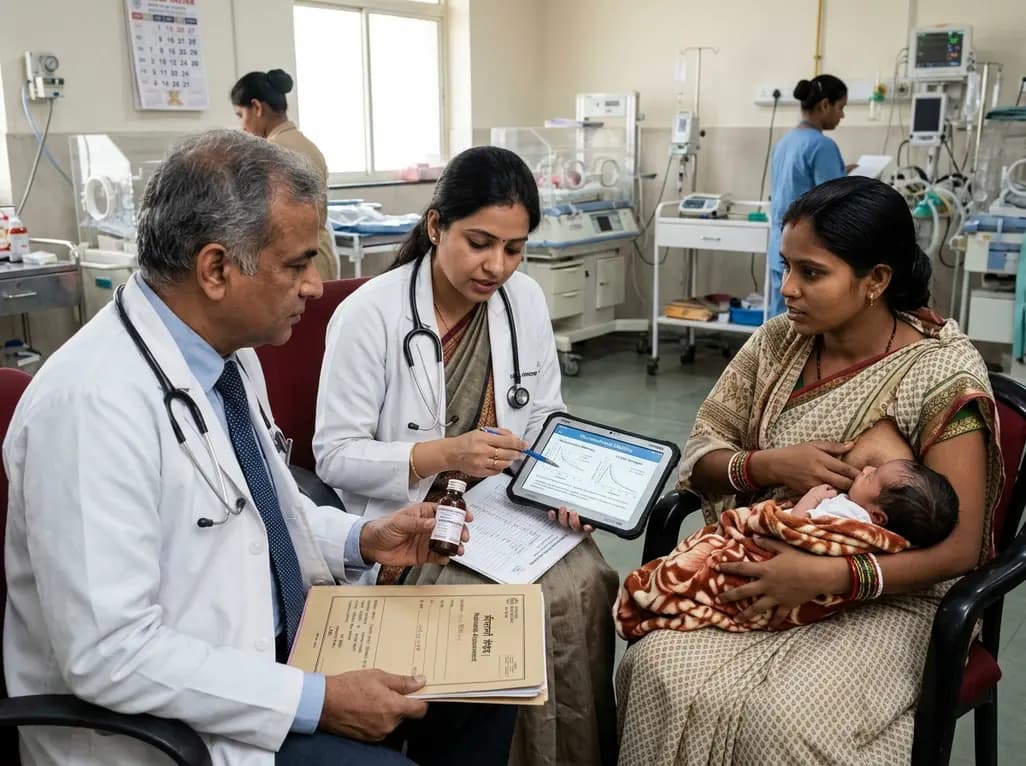
Maternal codeine therapy during breastfeeding sparks debate regarding neonatal opioid toxicity. This review re-evaluates the Toronto case, explores PBPK modeling, and highlights how maternal and neonatal pharmacogenomics converge to inform safer postpartum pain management.
Today
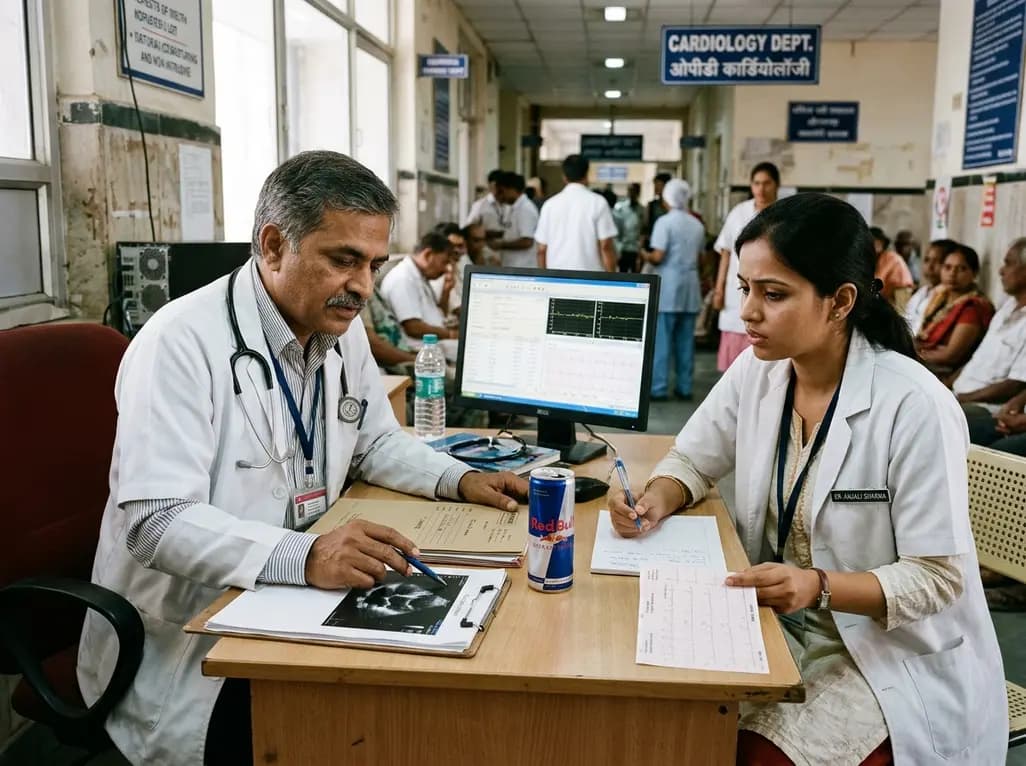
The Food Safety and Standards Authority of India has challenged Red Bull over its marketing claims, demanding scientific evidence for the term energy drink. With products packing massive amounts of caffeine and added sugar, clinicians must recognize the critical cardiovascular and metabolic implications for young patients.
Today
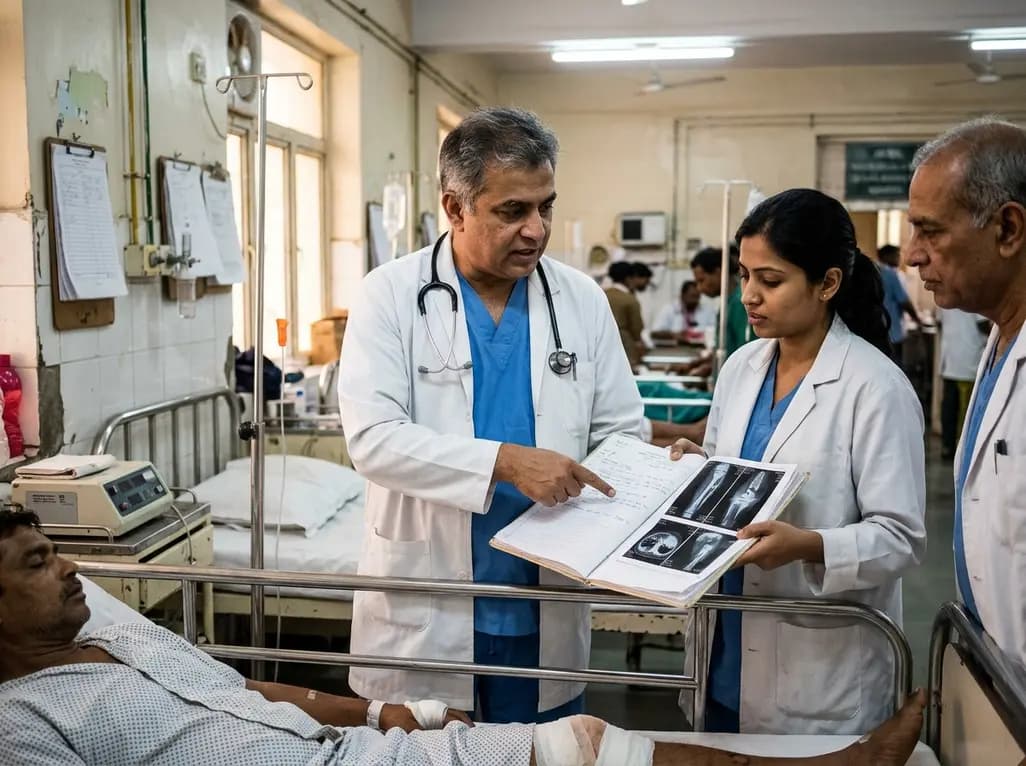
A 491-patient cohort study in Sudan reveals critical insights into war trauma reconstructive surgery, analyzing injury patterns, soft-tissue procedures, and a 25.5% complication rate in resource-limited conflict zones.
Today
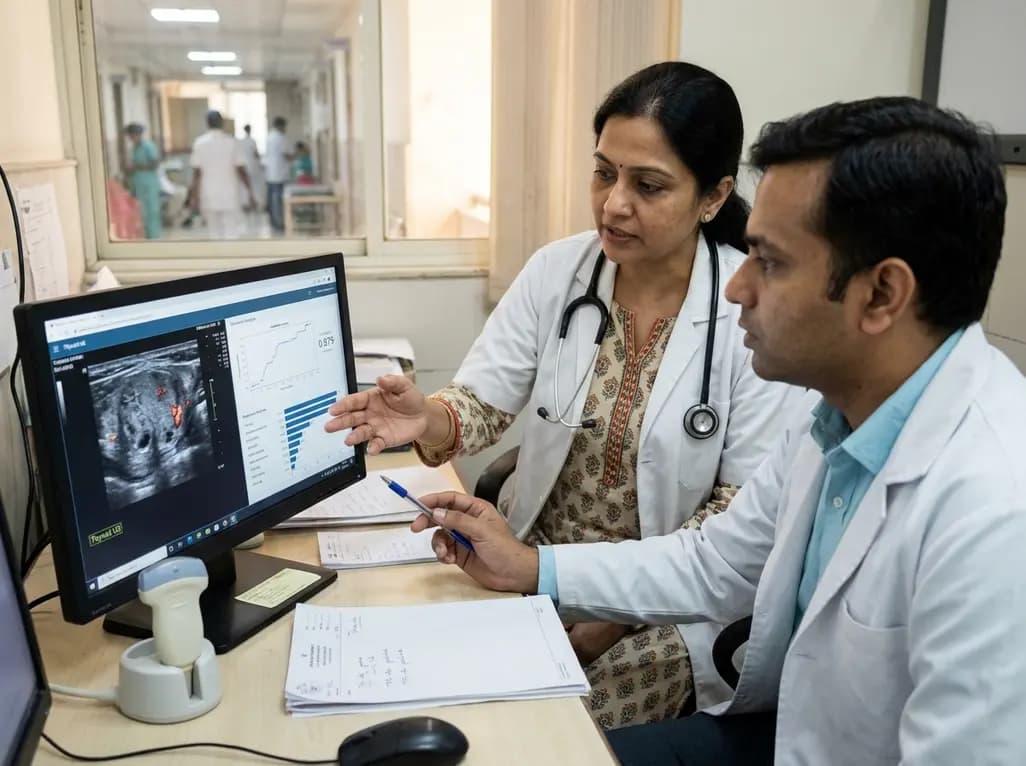
A multi-modal machine learning model integrating ultrasound radiomics, tumor morphology, TPO-Ab, and BRAF V600E accurately predicts lymph node metastasis in papillary thyroid carcinoma with concurrent Hashimoto's thyroiditis, achieving 0.879 accuracy.
Today
