

Loading, please wait...
Loading, please wait...
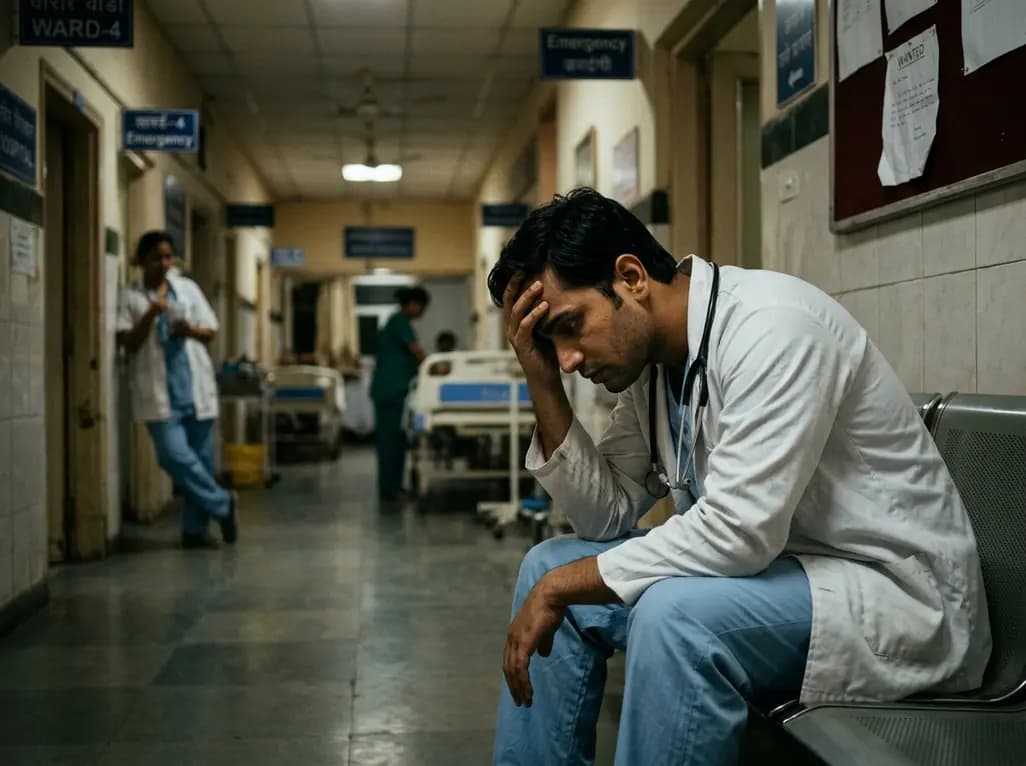
Recent disclosure under the Right to Information Act has uncovered a deeply disturbing reality across India's apex medical institutions. Highly qualified postgraduate doctors quit coveted residency positions at premier institutions, including multiple AIIMS campuses and JIPMER. These doctors cleared notoriously competitive national entrance examinations to earn their positions. However, intense administrative and academic pressures have forced many trainees to abandon their specialty training midway. Consequently, the medical fraternity is raising urgent concerns over training conditions in tertiary care facilities. For years, junior residents formed the unsung backbone of clinical care across India. Yet, relentless shift routines and toxic work environments are rapidly eroding resident morale. Therefore, healthcare leaders and medical councils must urgently scrutinize the structural flaws driving this unprecedented departure.
Resident physicians endure immense physiological stress during their three years of postgraduate clinical training. According to resident advocacy groups, postgraduate doctors quit premier training programs because clinical work expectations often become unbearable. For instance, junior residents routinely face punishing shifts stretching well past thirty-six consecutive hours without sleep. In addition, trainees frequently report severe workplace harassment, toxic departmental hierarchies, and inadequate institutional mentorship. Senior faculty members and administrative heads often impose unrealistic clinical burdens onto junior colleagues. As a result, trainees experience chronic sleep deprivation, severe emotional exhaustion, and acute cognitive fatigue. Moreover, traditional residency norms frequently blur the line between professional discipline and systemic exploitation. Dr. Lakshya Mittal, chairperson of the United Doctors Front, emphasized that residency must train doctors rather than break them. Thus, medical education cannot justify humiliation or continuous physical depletion. When young specialists receive minimal structural support, abandoning their seats becomes the only realistic mechanism for psychological self-preservation. Consequently, clinical departments suffer acute staffing shortages, which then intensifies pressure on remaining colleagues. This vicious cycle perpetuates widespread disillusionment among India's brightest medical minds.
The data acquired through Right to Information queries illustrates noticeable resident attrition across major medical centers. For example, AIIMS Delhi recorded 34 junior resident departures during 2025. Although this reflects a forty-three percent reduction from 2024, institutional intake also dropped sharply from 324 to 267. Specifically, departments with severe workloads recorded the highest number of resignations. Anaesthesiology documented seven exits, while ophthalmology recorded six departures at AIIMS Delhi. Similarly, JIPMER Puducherry reported forty-four resident resignations across its January and July batches in 2025. This combined figure represents a notable decline from sixty departures in 2024. Nevertheless, resignations persisted across high-stress specialties. Trainees abandoned training in emergency medicine, orthopaedics, pathology, general surgery, and anaesthesiology. Furthermore, other regional institutes experienced comparable attrition patterns. AIIMS Kalyani recorded fifteen exits across all postgraduate years, while AIIMS Raipur documented nineteen departures. AIIMS Rishikesh reported thirty resignations across specialty and super-specialty programs. AIIMS Patna confirmed twelve exits, while AIIMS Gorakhpur also noted early resident resignations. Clearly, attrition remains a widespread national challenge rather than an isolated institutional failure. These numbers demonstrate that even elite infrastructure cannot compensate for relentless operational strain.
Continuous medical shifts exceeding thirty-six hours create profound physiological dysregulation in clinical trainees. Extended periods of total wakefulness impair cognitive processing, situational awareness, and manual dexterity. Consequently, fatigued doctors face an elevated risk of procedural complications and accidental needlestick injuries. Furthermore, chronic sleep restriction disrupts neuroendocrine regulation, causing systemic inflammation, cardiovascular strain, and metabolic disturbance. From a psychological perspective, unrelenting clinical demands trigger high rates of clinical depression and severe generalized anxiety. Moreover, persistent cynicism and emotional blunting characterize the rapid progression of occupational burnout. Resident physicians often sacrifice fundamental biological needs, skipping meals and essential hydration during chaotic emergency rotas. In addition, personal relationships deteriorate when trainees routinely work eighty to one hundred hours every week. Unfortunately, traditional medical culture has long valorized sleeplessness as an essential rite of passage. However, modern neurocognitive evidence demonstrates that extreme sleep debt severely compromises diagnostic accuracy. Therefore, protecting resident circadian rhythm directly enhances patient safety and improves clinical outcomes. Ensuring adequate physical recovery represents a medical necessity rather than an optional luxury.
Despite soaring levels of occupational distress, institutional mental health support remains remarkably deficient across premier hospitals. Right to Information disclosures revealed that several apex institutes fail to maintain consolidated records of resident stress. For instance, AIIMS Delhi possessed no compiled psychiatric counselling data for residents seeking psychological assistance. Similarly, AIIMS Raipur reported that zero resident doctors sought mental healthcare across consecutive academic years. Obviously, this complete absence of documentation does not reflect optimal resident well-being. Rather, it highlights pervasive social stigma and fear of institutional retaliation among junior doctors. Trainees often avoid hospital counselling services because they fear breaches of clinical confidentiality. Furthermore, AIIMS Rishikesh documented only six residents seeking counselling, lacking any consolidated tracking of workplace stressors. AIIMS Patna recorded fifteen consultations in 2025 but none in subsequent records. Meanwhile, AIIMS Kalyani denied disclosing counselling figures altogether under statutory exemptions. Consequently, academic medical centres operate without transparent grievance-redressal mechanisms. Without secure, confidential mental health channels, vulnerable trainees remain completely isolated during acute psychological crises. Hospitals must therefore establish neutral, third-party counselling bodies immediately.
Addressing this chronic attrition crisis requires robust enforcement of existing medical training directives. Decades ago, the 1992 Uniform Residency Scheme mandated continuous duty limits and weekly rest periods. However, hospital administrators across the country have persistently disregarded these statutory protections. Recently, resident associations filed a Public Interest Litigation before the Supreme Court of India. The National Medical Commission acknowledged to the apex court that punishing shifts cause severe psychological harm. Furthermore, a national task force recommended capping resident duty hours at seventy-four hours per week. This proposal also mandates that single clinical shifts must never exceed twenty-four hours. Additionally, institutions must guarantee at least one mandatory weekly day off and regular restorative sleep. However, regulatory authorities often delegate implementation responsibilities to individual state health directorates and institutional deans. Therefore, medical councils must enforce direct financial penalties against non-compliant hospitals. Ultimately, establishing independent ombudsman offices will ensure transparent grievance reporting without career retribution. Sustainable public healthcare delivery depends directly on safeguarding the resident doctors who provide round-the-clock frontline patient care.
Q1: Why do resident doctors resign from premier medical institutions in India?
Resident doctors primarily resign due to extreme working hours exceeding thirty-six consecutive hours, toxic workplace culture, and persistent mental harassment. Furthermore, many trainees experience severe burnout, lack of adequate supervision, and poor institutional support. Residents clear rigorous entrance exams to enter these premier programs. However, the absence of independent grievance redressal mechanisms forces exhausted candidates to abandon training to protect their physical and mental health.
Q2: What duty hour limits does the National Medical Commission recommend for residents?
The National Medical Commission task force recommends that resident doctors should work no more than seventy-four hours per week. Additionally, single duty shifts should never exceed twenty-four continuous hours. Trainees must also receive at least one mandatory weekly day off. Furthermore, rosters should guarantee seven to eight hours of daily sleep. However, many medical colleges still fail to enforce these safety limits strictly.
Q3: How does chronic sleep deprivation affect clinical performance and patient care?
Prolonged sleep deprivation significantly impairs cognitive function, executive decision-making, and diagnostic accuracy among resident doctors. Consequently, extreme fatigue substantially increases the risk of preventable medical errors, medication miscalculations, and procedural complications. Furthermore, sleep-deprived trainees face higher risks of accidental needlestick injuries and motor vehicle collisions after extended shifts. Thus, unmanaged duty rosters directly compromise physician welfare and jeopardize clinical outcomes.
Disclaimer: This content is for informational and educational purposes only. It does not constitute medical advice or replace professional judgment. Refer to the latest local and national guidelines for clinical practice.
References

Read summarized clinical updates, watch expert medical content, and earn CME certifications right from your smartphone.
Open your smartphone camera to scan and install.





Shocking RTI disclosures indicate that junior residents are abandoning specialty training at premier medical centres including AIIMS and JIPMER. Grueling 36-hour shifts, systemic harassment, and unaddressed psychological distress drive this attrition, prompting urgent calls for nationwide duty-hour enforcement.
Today

CT-derived volumetric bone mineral density centile curves offer an accurate method for opportunistic osteoporosis screening. This approach identifies high-risk patients who missed routine DXA scans and reliably predicts major osteoporotic fractures, addressing significant diagnostic gaps in clinical practice.
Today
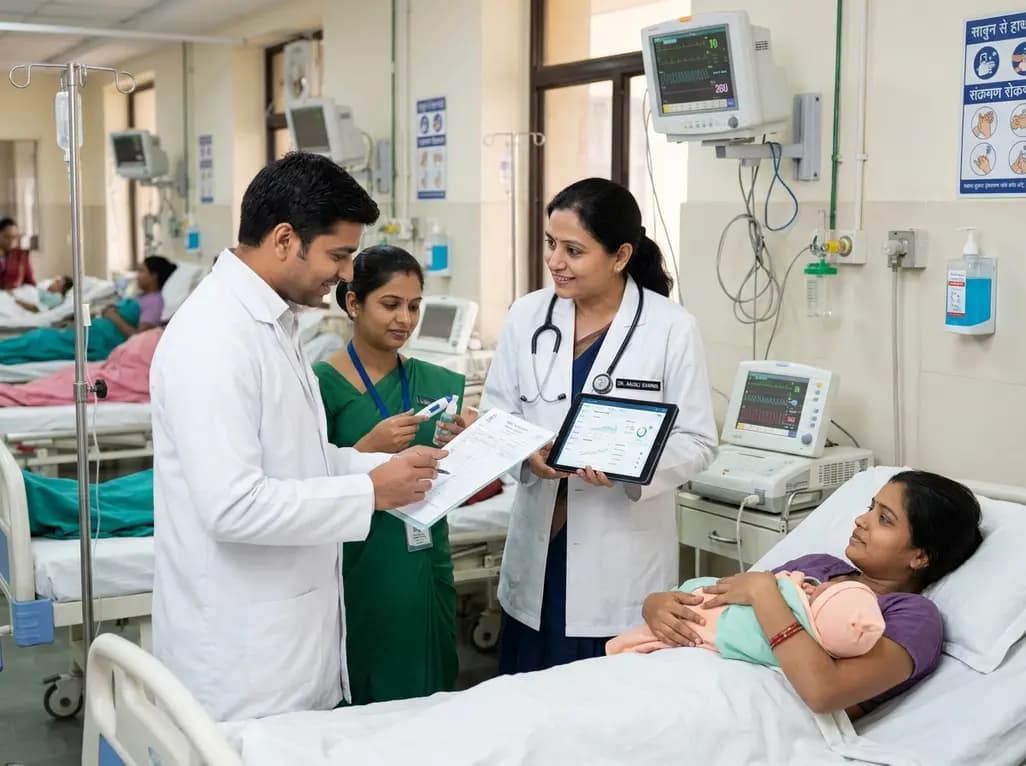
Assam reduced maternal sepsis deaths from 21% to 8% through rigorous infection prevention protocols and digital monitoring. Explore the clinical strategies, sterilization quality checks, early recognition pathways, and antimicrobial stewardship lessons essential for obstetric teams across India.
Today
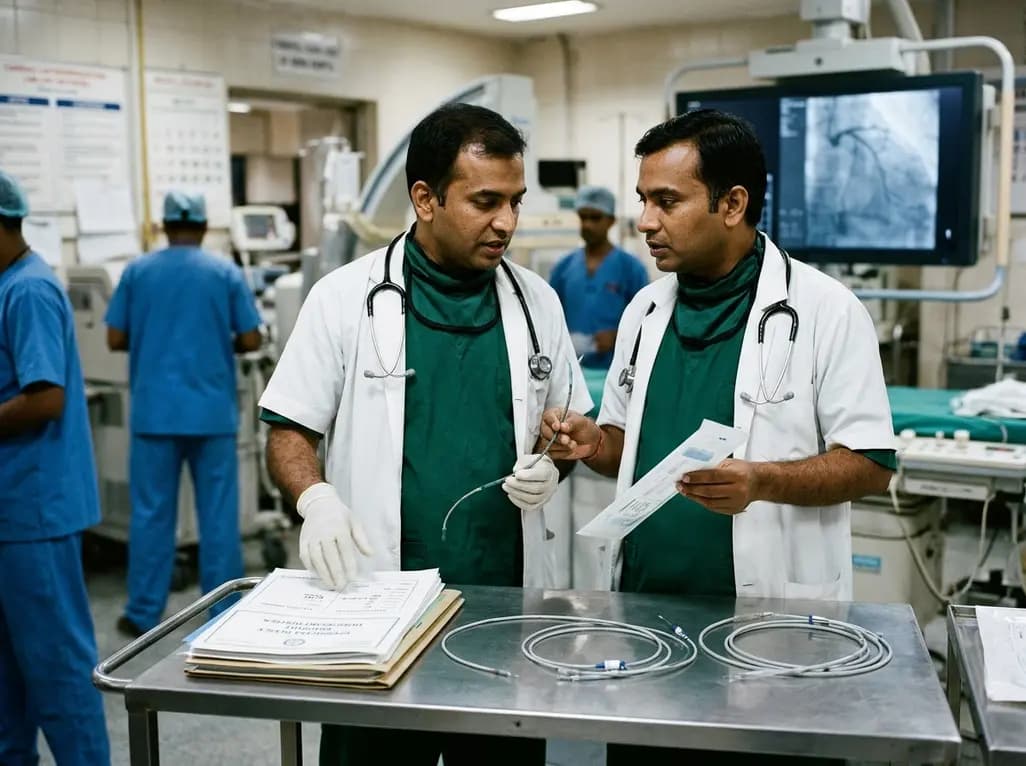
At the Cardiological Society of India Kerala conference, specialists called for a calibrated review of DGHS curbs on reusing single-use items. Regulated reprocessing of catheters and guidewires could bridge the gap between rising cardiac intervention costs and government health insurance reimbursement limits.
Today
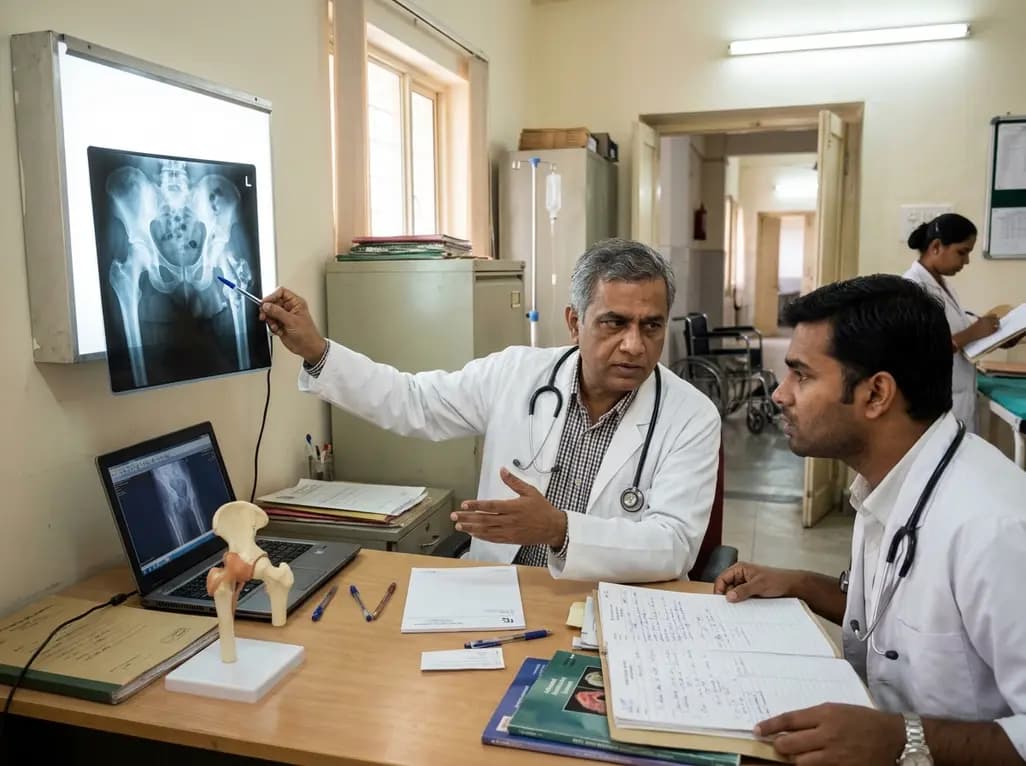
A nationwide real-world cohort study reveals that sequential antiresorptive therapy following teriparatide reduces hip fracture risk by over 50%. Immediate initiation within 90 days and high treatment adherence are critical to preserve skeletal gains in severe osteoporosis.
Today
A case report details how reusing single-use insulin cartridges caused device failure and diabetic ketoacidosis in a type 1 diabetes patient using an advanced hybrid closed-loop system. The report highlights technological blindspots, mechanical degradation, and safety protocols during supply shortages.
Today
