.webp&w=384&q=75)

Loading, please wait...
Loading, please wait...

Recent research highlights the potential of postbiotics as powerful tools for biopreservation in the food and pharmaceutical industries. Specifically, enhancing postbiotic antibacterial activity is crucial for developing efficient fermentation processes. A study on Pediococcus acidilactici CECT 9879 explored how various nutrients impact the production of these inhibitory compounds. Therefore, researchers used advanced statistical designs to refine the culture medium and maximize potency.
The researchers employed the Plackett-Burman design (PBD) to screen multiple carbon and nitrogen sources. Subsequently, they used one-factor-at-a-time (OFAT) experiments to evaluate specific yeast-derived ingredients. Finally, the team applied response surface methodology (RSM) based on a central composite design (CCD) to determine the ideal concentrations. The results showed that yeast-derived ingredients and sodium acetate significantly influenced the final outcomes. These components created an environment where the bacteria could produce more effective metabolites.
Optimization led to a significant increase in postbiotic antibacterial activity against Escherichia coli. In the non-optimized medium, the minimum inhibitory concentration (MIC) was 48.33% (v/v). However, after optimization, the MIC decreased to 31.67% (v/v). This change indicates a much more potent postbiotic profile, as a lower concentration was required to inhibit the pathogen. Consequently, these findings suggest that precise nutrient modulation is essential for scaling up biopreservation strategies in the agri-food sector.
Furthermore, these results provide a roadmap for improving process efficiency. Postbiotics offer a safer alternative to live probiotics in certain applications, as they do not involve viable cells. By identifying the key medium components like sodium acetate, producers can achieve higher yields of antibacterial substances. This research underscores the importance of technological optimization in modern biotechnology.
Postbiotics are non-viable bacterial products or metabolic byproducts, such as organic acids and peptides, that provide health benefits or exhibit antimicrobial properties.
By adjusting carbon and nitrogen sources, fermentation can produce higher concentrations of bioactive metabolites. This adjustment directly increases their efficacy against harmful pathogens like E. coli.
Pediococcus acidilactici is a well-known lactic acid bacterium. It produces potent antimicrobial compounds like pediocins, which are highly effective in food preservation and gut health.
Disclaimer: This content is for informational and educational purposes only. It is not intended as medical advice or a substitute for professional healthcare. Refer to the latest local and national guidelines for clinical practice.
References
1. Garrote-Achou C et al. Optimization of fermentation medium for advancing postbiotic antibacterial activity. AMB Express. 2026 May 24. doi: 10.1186/s13568-026-02076-8. PMID: 42177748.
2. Aguilar-Toalá JE et al. Postbiotics: An evolving term within the functional foods field. Trends in Food Science & Technology. 2018;75:105-114.
3. Ooi MF et al. A refined medium to enhance the antimicrobial activity of postbiotic produced by Lactiplantibacillus plantarum RS5. Sci Rep. 2021;11:7617.

Read summarized clinical updates, watch expert medical content, and earn CME certifications right from your smartphone.
Open your smartphone camera to scan and install.





Research shows that optimizing fermentation medium can significantly enhance the antibacterial activity of postbiotics derived from Pediococcus acidilactici...
3 months ago
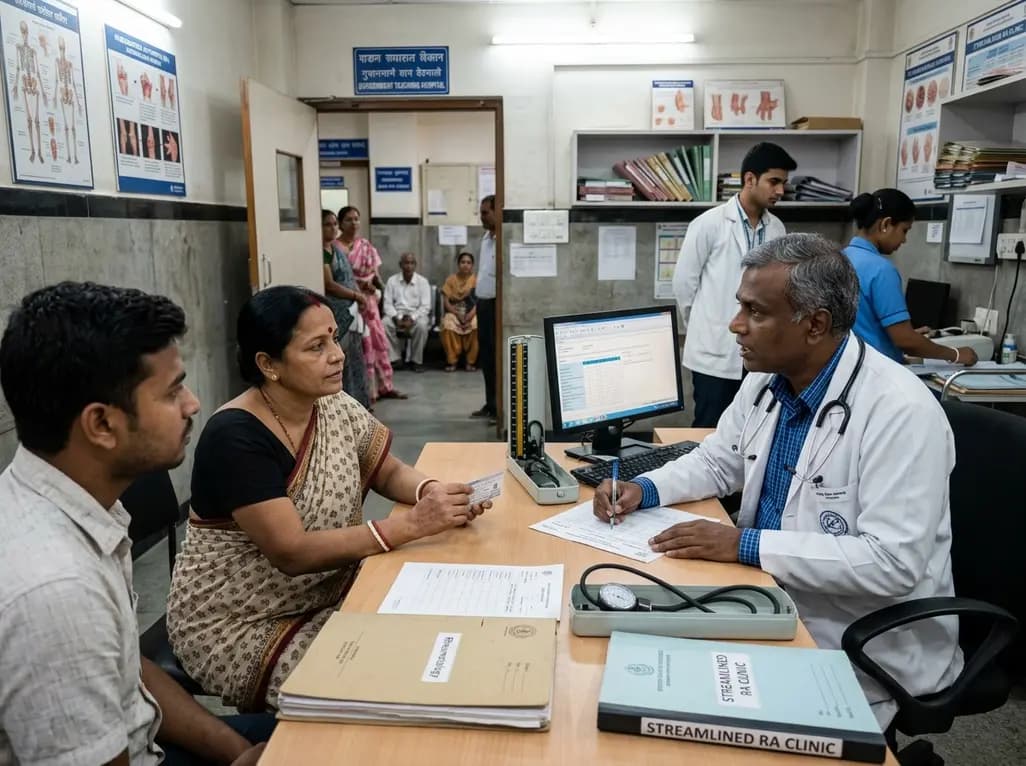
Direct transition from early arthritis clinics to a dedicated, streamlined rheumatoid arthritis clinic prevents follow-up delays, maintains DMARD doses, and halts biomarker escalation compared to general rheumatology referral.
Today

A school-based intervention using the Health Action Process Approach (HAPA) significantly enhanced adolescents' perceived benefits of consulting healthcare providers and promoted proactive menstrual health behaviors, offering key clinical insights for managing adolescent dysmenorrhea and endometriosis.
Today
A comprehensive analysis evaluating the impact of active tobacco smoking on perioperative outcomes, pulmonary complications, and technical success in patients undergoing fenestrated-branched endovascular aortic repair (FB-EVAR) for complex abdominal and thoracoabdominal aortic aneurysms.
Today
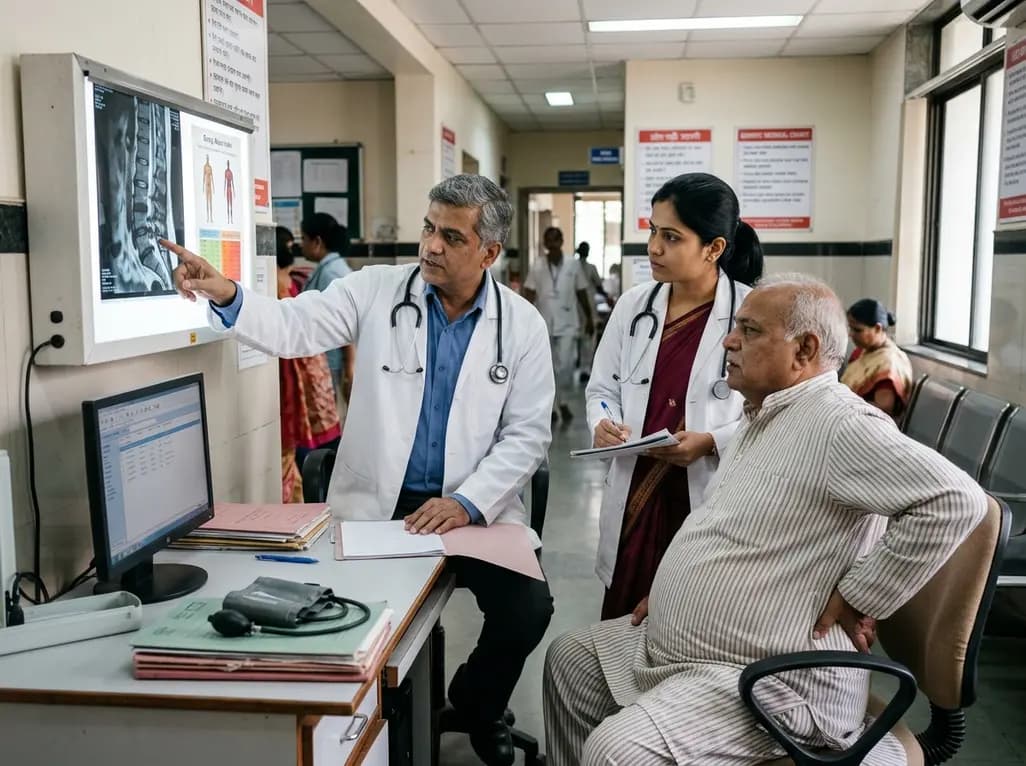
A cross-sectional study reveals that sarcopenic obesity independently increases functional impairment and severe disc degeneration in patients with degenerative lumbar spinal stenosis, highlighting the need for body composition assessment.
Today
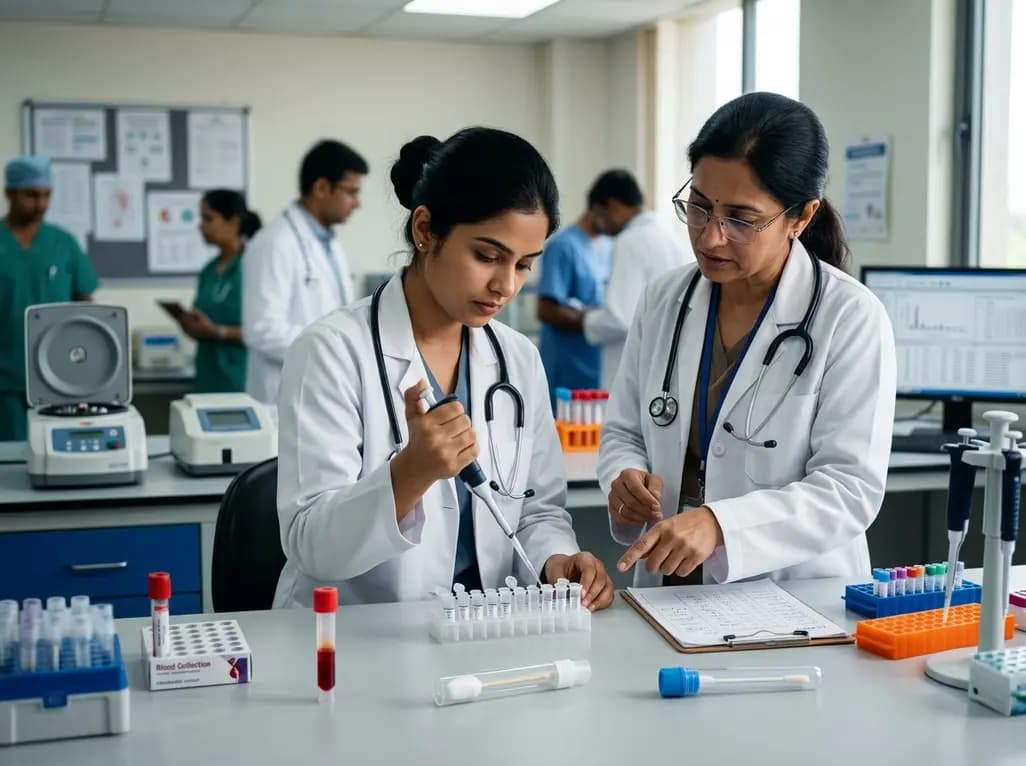
Non-invasive biospecimen sampling offers exciting opportunities for stress medicine. This article examines a pioneering protocol comparing cortisol, inflammatory cytokines, and metabolic markers across blood plasma, whole saliva, and oral mucosal transudate during baseline and acute stress states.
Today
