

Loading, please wait...
Loading, please wait...

The persistent aftermath of SARS-CoV-2 infection continues to challenge healthcare systems across the globe. Clinicians frequently encounter post-COVID cognitive symptoms among individuals recovering from mild or moderate acute disease. Many patients describe these neurological manifestations as brain fog, persistent mental sluggishness, or memory lapses. Although these complaints initially seemed temporary, growing clinical observations demonstrate substantial long-term functional disability. Most importantly, these persistent deficits interfere directly with professional responsibilities, cognitive efficiency, and everyday workplace productivity.
Furthermore, emerging data show that prolonged illness significantly disrupts employment stability. When working-age adults cannot sustain complex attention or manage multidimensional tasks, job security quickly deteriorates. This vocational disruption produces heavy psychological distress and financial strain for affected individuals and their families. Consequently, healthcare providers must evaluate whether subjective cognitive complaints align with measurable neuropsychological deficits. Understanding how persistent cognitive issues influence real-world occupational outcomes remains essential for modern clinical practice. Therefore, evaluating the intersection between employment status and neurocognitive impairment offers vital guidance for designing targeted multidisciplinary rehabilitation pathways. In addition, clinicians in primary care and neurology settings require objective parameters to support affected workers during their prolonged functional recovery.
To clarify these occupational associations, researchers conducted a cross-sectional investigation. They examined cognitive function, fatigue, and mood symptoms among individuals with post-acute sequelae of COVID-19. The study cohort comprised 66 adult participants with a mean age of 46.35 years. Importantly, all participants had experienced acute COVID-19 infection at least two months before enrollment and had avoided hospitalization. This inclusion criterion ensured that acute intensive care complications did not confound the observed neurological outcomes. Moreover, every enrolled individual reported persistent brain fog alongside at least two additional chronic systemic symptoms.
Additionally, the investigators excluded individuals with major or unstable pre-existing psychiatric or neurological conditions. This methodological choice helped isolate the specific impact of the post-viral state on daily cognitive functioning. Participants completed comprehensive standardized self-report measures evaluating fatigue, depression, anxiety, and perceived cognitive decline. Simultaneously, trained specialists administered objective neuropsychological assessments to quantify actual cognitive capacities. Investigators then categorized participants by employment status, finding that 29 percent of the cohort was currently unemployed. Through analysis of covariance, the authors controlled for potential confounders, including demographic variables, mood fluctuations, and physical fatigue levels. Consequently, this rigorous methodology permitted an accurate comparison between vocational outcomes and cognitive performance.
The statistical analysis revealed notable differences between employed and unemployed individuals suffering from post-acute infection sequelae. Unemployed participants reported significantly higher levels of perceived executive dysfunction compared to their currently employed counterparts. Specifically, these individuals described profound difficulty in planning daily tasks, organizing complex workflows, and maintaining mental flexibility. However, the study went beyond self-reported difficulties by uncovering tangible objective deficits during formal neuropsychological testing. Unemployed patients experienced measurable challenges when attempting to retain novel operational details.
Consequently, the objective data demonstrated that unemployed individuals performed significantly worse on validated tests of immediate memory and working memory. These specific neurocognitive domains play fundamental roles in processing new information, following multi-step workplace instructions, and retaining task-relevant details. Interestingly, these objective differences remained statistically robust even after controlling for baseline demographics, concurrent depressive symptoms, anxiety scores, and general fatigue. Therefore, the findings suggest that occupational absence does not merely reflect physical exhaustion or low mood. Instead, specific neurocognitive decrements in working memory and executive oversight directly contribute to vocational failure in this patient cohort. Clinicians must recognize that working memory failure poses a severe obstacle to sustaining standard employment in modern fast-paced work settings.
These empirical findings carry immediate clinical implications for general practitioners, internists, and neurologists managing post-viral syndromes. Many patients who present with lingering post-COVID cognitive symptoms feel dismissed when routine laboratory evaluations and conventional neuroimaging yield normal results. However, this study confirms that subjective cognitive complaints correlate with measurable neuropsychological impairments in memory and executive control. Therefore, clinicians must validate patient concerns through systematic assessments rather than attributing difficulties solely to emotional stress or psychosomatic factors. Recognizing these genuine neurocognitive barriers helps establish trust between patients and clinicians.
Furthermore, medical practitioners should integrate brief cognitive screening tools into routine consultations for patients presenting with persistent post-COVID complaints. Standardized instruments can rapidly identify individuals who harbor working memory deficits or executive difficulties. Once clinicians identify these deficits, they can arrange formal neuropsychological evaluations and individualized supportive measures. In addition, healthcare providers must actively inquire about workplace functioning during follow-up visits. Asking targeted questions about occupational demands, task completion times, and cognitive fatigue helps identify at-risk workers early. Through early detection, clinicians can formulate timely medical documentation supporting reasonable workplace accommodations or phased return-to-work programs. This proactive approach protects vulnerable patients from premature unemployment and severe economic instability.
Achieving successful functional recovery requires an aggressive, structured, and multidimensional management strategy tailored to the patient's individual deficits. Pharmacotherapy alone rarely resolves post-viral cognitive challenges. Therefore, physicians should advocate for multimodal cognitive rehabilitation programs that incorporate occupational therapy, speech-language therapy, and cognitive pacing techniques. These specialized therapies teach patients compensatory behavioral strategies, such as structured scheduling, digital organizational tools, and deliberate mental rest periods. By conserving cognitive energy, patients can prevent severe post-exertional symptom exacerbations during demanding tasks.
Moreover, healthcare providers must address coexisting symptom clusters that magnify neurocognitive impairment. Clinicians should systematically screen for and treat comorbid sleep disruptions, autonomic dysfunction, postural orthostatic tachycardia, and persistent chronic pain. Effectively managing these physiological stressors frequently relieves unnecessary cognitive strain and improves overall attentional stamina. Similarly, targeted psychological interventions, including cognitive behavioral therapy, help patients develop constructive coping mechanisms for illness-related anxiety without minimizing underlying neurological deficits. Finally, proactive collaboration between physicians, occupational therapists, and employers remains paramount. Structured workplace modifications, such as flexible hours and reduced multitasking, allow recovering workers to maintain employment while rebuilding cognitive endurance. Consequently, comprehensive occupational rehabilitation directly fosters clinical recovery and workforce retention. This coordinated care pathway offers the best opportunity for long-term functional success.
Post-COVID cognitive symptoms involve distinct disruptions in neurological networks rather than simple physical exhaustion. While general fatigue causes a subjective lack of energy, neurocognitive impairment manifests as measurable deficits in executive function, working memory, and information processing speed. Furthermore, these cognitive deficits persist independently of mood disturbances or rest. Consequently, patients struggle with complex problem-solving, retaining instructions, and multitasking, which directly undermines workplace productivity and requires targeted neurocognitive rehabilitation.
Clinicians assess working memory and executive dysfunction using standardized neuropsychological batteries. Effective tools include the Digit Span Backward test, the Trail Making Test Part B, and the Stroop Color and Word Test. In addition, computerized cognitive assessments such as the NIH Toolbox offer sensitive detection of subtle processing speed decrements. These objective instruments help differentiate post-viral cognitive deficits from primary psychiatric conditions, providing clear clinical documentation to guide workplace accommodations and rehabilitation planning.
Workplace accommodations should focus on reducing cognitive fatigue and minimizing divided attention. Employers can implement flexible working hours, quiet workspaces, and frequent structured breaks to prevent cognitive exhaustion. Furthermore, supervisors should provide written summaries of complex instructions and allow extended deadlines for intricate projects. Introducing digital task managers and phasing the return to work also substantially relieves mental strain. These targeted modifications enable recovering individuals to sustain employment while rebuilding their executive functioning.
Disclaimer: This content is for informational and educational purposes only... Refer to the latest local and national guidelines for clinical practice.
References

Read summarized clinical updates, watch expert medical content, and earn CME certifications right from your smartphone.
Open your smartphone camera to scan and install.





A cross-sectional study reveals that unemployed individuals with PASC experience significantly greater executive dysfunction and memory impairment than employed peers, emphasizing the urgent need for targeted cognitive rehabilitation and workplace support.
Today
Investigating the patterns, barriers, and facilitators of sedentary behaviour, physical activity, and nutrition among hybrid employees working from home, with practical recommendations for clinicians managing cardiometabolic and musculoskeletal health.
Today
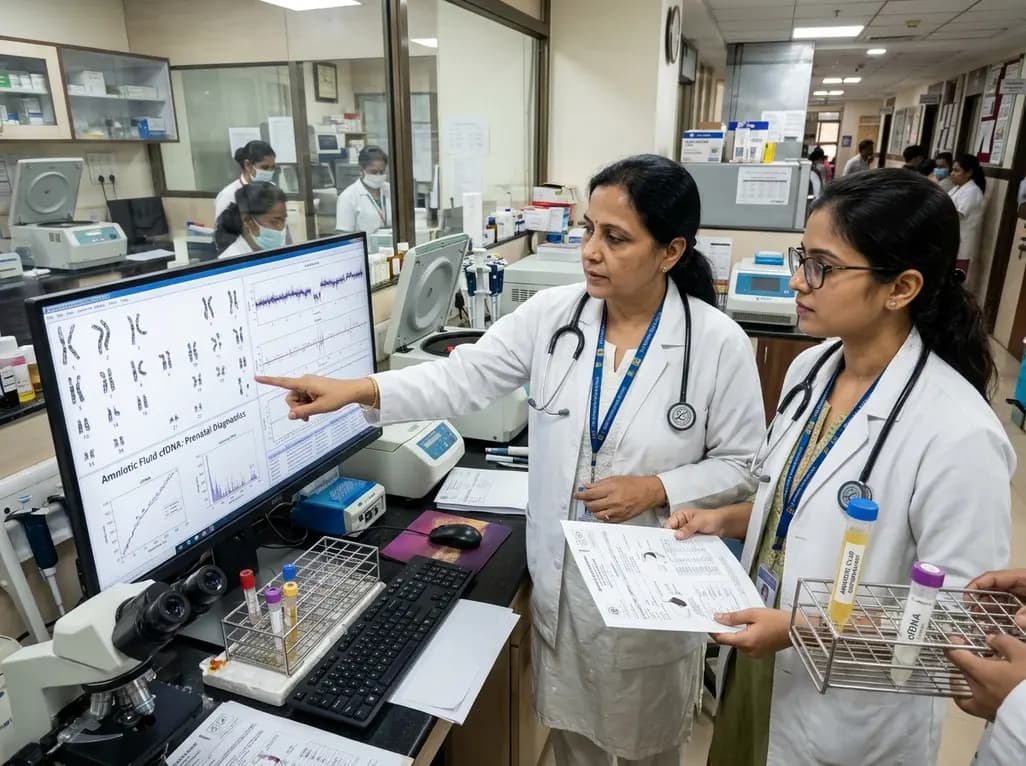
Amniotic fluid cell-free DNA offers a rapid alternative to cultured amniocytes in prenatal testing. With high yield, lack of maternal contamination, and full concordance across microarrays and exome sequencing, it dramatically cuts diagnostic turnaround time.
Today

A prospective phase IIa trial investigated TSG-01, an agent rich in secondary ginsenosides, for chronic heart failure in coronary artery disease. While NYHA functional class did not differ, TSG-01 significantly improved ejection fraction in digoxin-free patients with a favorable safety profile across all groups.
Today
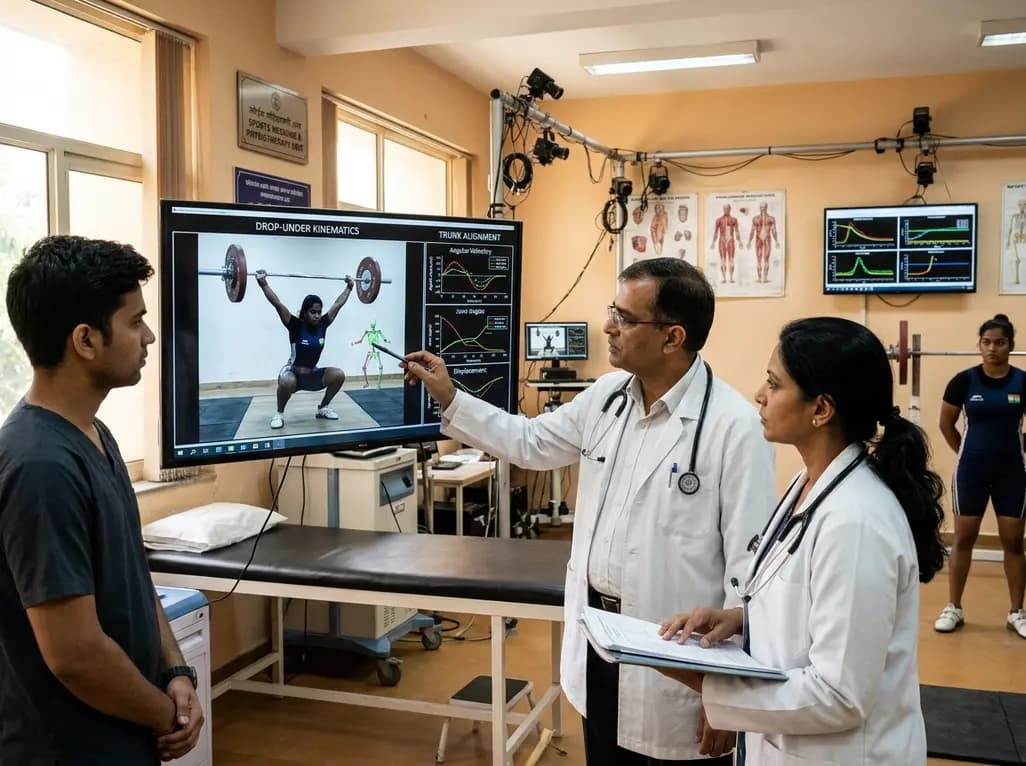
A systematic review of 15 studies and 574 competitive weightlifters establishes normative benchmarks for snatch drop-under kinematics, highlighting turnover speed, horizontal displacement, and trunk alignment to optimize performance and prevent overhead injuries.
Today

Knocking out the adipocyte ETB receptor attenuates high-fat diet-induced dyslipidemia, lowering LDL, cholesterol, and free fatty acids while preserving lipid oxidation gene expression in visceral adipose tissue.
Today
