.webp&w=384&q=75)

Loading, please wait...
Loading, please wait...
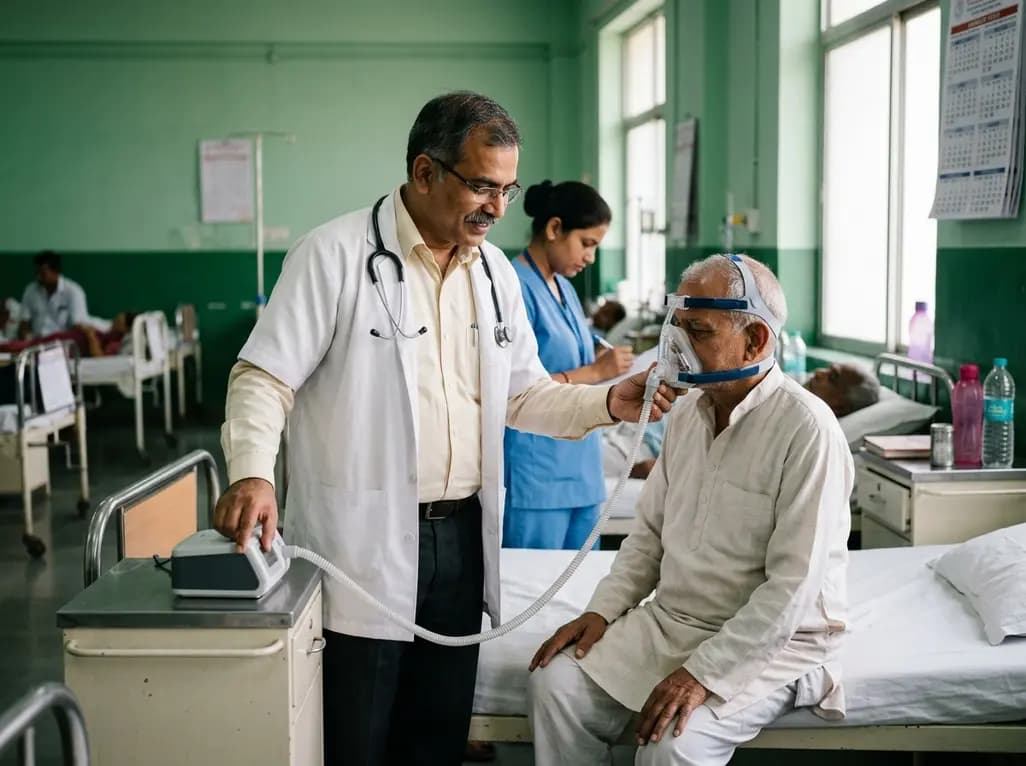
Obstructive sleep apnea represents a pervasive yet frequently underdiagnosed respiratory disorder among geriatric populations worldwide. When pharyngeal airway collapse occurs repeatedly during sleep, patients experience recurrent nocturnal hypoxemia, sympathetic nervous system hyperactivation, and significant sleep fragmentation. In older adults, these physiological disruptions accelerate systemic vascular dysfunction and metabolic dysregulation. Consequently, untreated sleep apnea exacerbates major medical comorbidities, including hypertension, congestive heart failure, type 2 diabetes mellitus, and chronic obstructive pulmonary disease. Furthermore, the clinical burden translates directly into escalating medical utilization. Prior to establishing a definitive diagnosis, patients often undergo frequent emergency visits, hospitalizations, and specialist consultations. Therefore, clinicians must recognize sleep-disordered breathing not merely as an isolated nocturnal complaint, but as a critical driver of cumulative chronic disease burden. Initiating positive airway pressure therapy provides targeted pneumatic splinting of the upper airway, effectively abolishing nocturnal desaturations and blunting systemic autonomic surges. By stabilizing sleep architecture, this intervention helps reduce secondary vascular and metabolic complications. As healthcare systems shift toward value-based reimbursement models, identifying cost-effective clinical pathways for older individuals with multimorbidity becomes paramount. Understanding the longitudinal economic trajectory following diagnosis offers essential insights for healthcare providers, policymakers, and geriatrics specialists who strive to optimize patient outcomes while managing finite healthcare resources.
To rigorously evaluate the economic influence of sleep apnea treatment, researchers conducted a comprehensive actuarial analysis using administrative claims data from Medicare beneficiaries. Specifically, the study cohort comprised 28,220 older adults aged 65 years and older who received a new diagnosis of obstructive sleep apnea between 2016 and 2019. To eliminate confounding from previous therapeutic exposures, the investigators excluded patients with prior sleep apnea interventions during the 12-month baseline period. Additionally, individuals diagnosed with active malignancies or end-stage renal disease were excluded from the analysis. The researchers classified participants into three clear groups based on Medicare utilization patterns: therapy adherers, nonadherers, and noninitiators. To adjust for significant baseline health variations and underlying chronic illness burden, the investigators implemented the Centers for Medicare and Medicaid Services Hierarchical Condition Categories risk-adjustment methodology. Furthermore, the analysis utilized a robust difference-in-differences regression framework. This sophisticated actuarial model enabled precise estimation of post-diagnosis expenditures over a 24-month observation window while controlling for pre-existing morbidity differences. By applying these rigorous econometric methodologies, the investigators successfully minimized selection bias and captured realistic healthcare spending patterns across diverse older cohorts.
The actuarial investigation revealed compelling economic findings that underscore the clinical value of continuous respiratory support. Among the total Medicare cohort, 45 percent achieved consistent adherence, 10 percent were nonadherent, and 44 percent did not initiate treatment. Most notably, individuals who initiated positive airway pressure therapy demonstrated a statistically significant reduction in medical expenditures over the 24-month follow-up period. Beneficiaries initiating treatment achieved an adjusted per-member per-month cost reduction of 195 dollars compared to noninitiators. Interestingly, even patients categorized as nonadherent experienced partial cost savings of approximately 153 dollars per month relative to those who never initiated care. This pattern demonstrates that early diagnostic engagement and treatment initiation confer meaningful physiological and economic benefits. During the two months immediately preceding a formal sleep apnea diagnosis, all cohorts experienced sharp spikes in healthcare spending due to acute diagnostic evaluations and worsening symptom severity. However, following the initiation of positive airway pressure therapy, expenditure trajectories diverged dramatically. Spending dropped steadily among adherent individuals, whereas healthcare costs for noninitiators continued to climb before reaching a plateau. Consequently, adherence directly mitigated acute inpatient admissions and frequent outpatient escalations.
A critical strength of this large-scale actuarial investigation lies in its evaluation of distinct chronic disease subgroups. Older adults rarely present with isolated obstructive sleep apnea; rather, they frequently carry multiple concurrent cardiometabolic and psychiatric diagnoses. The analysis specifically stratified patients across seven common chronic conditions, including hypertension, type 2 diabetes mellitus, congestive heart failure, chronic obstructive pulmonary disease, stroke, obesity, and clinical depression. Remarkably, the cost-saving benefits of treatment remained robust and statistically significant across every individual clinical subgroup evaluated. For instance, patients with comorbid cardiovascular disease and diabetes experienced substantial reductions in avoidable medical resource utilization. Furthermore, individuals presenting with complex multimorbidity—defined as having several coexisting chronic ailments—demonstrated the most pronounced absolute reductions in healthcare expenditure. In this high-risk population, nocturnal airway stabilization prevents recurrent hypoxemia that typically triggers hypertensive crises, cardiac arrhythmias, and acute decompensated heart failure. Similarly, alleviating chronic sleep fragmentation improves daytime neurocognitive function and mitigates depressive symptoms, thereby lowering emergency department presentations. Thus, positive airway pressure therapy serves as an essential cross-cutting intervention that stabilizes multiple organ systems simultaneously in medically complex older adults.
Although the economic and clinical advantages of airway splinting are undeniable, real-world initiation and long-term adherence remain challenging for many older adults. In this study, 44 percent of newly diagnosed patients never initiated positive airway pressure therapy, and an additional 10 percent struggled with ongoing compliance. In clinical practice, older individuals frequently encounter substantial barriers, including ill-fitting mask interfaces, claustrophobia, nasal congestion, high pressure intolerance, and cognitive impairment. To overcome these common obstacles, physicians must adopt proactive, multidisciplinary care models that prioritize patient education and continuous follow-up. For example, implementing early desensitization protocols and selecting modern, low-profile nasal masks can significantly reduce initial discomfort. Moreover, utilizing heated humidification and auto-titrating algorithms optimizes patient tolerance during the critical first 90 days of treatment. Remote physiological monitoring systems also allow clinicians to detect air leaks and declining usage patterns promptly, enabling timely behavioral and technical interventions. By addressing patient-specific difficulties early in the treatment journey, healthcare teams can transform hesitant noninitiators into long-term adherent users, thereby unlocking vital clinical stability and substantial cost savings.
Modern geriatric and internal medicine paradigms increasingly emphasize integrated chronic disease management over fragmented, episodic care. Given that obstructive sleep apnea actively accelerates vascular stiffening, insulin resistance, and systemic inflammation, sleep health must become a core component of routine primary care assessments. Physicians managing older adults with refractory hypertension, difficult-to-control diabetes, or recurring heart failure exacerbations should systematically screen for sleep-disordered breathing using validated clinical questionnaires and home sleep apnea testing. Integrating sleep medicine specialists into multidisciplinary geriatric teams ensures timely diagnosis and coordinated therapeutic management. Furthermore, public health authorities and insurance providers must recognize that investing in supportive positive airway pressure infrastructure generates durable financial returns by curbing downstream emergency and hospital costs. In developing countries, including India, where the prevalence of non-communicable diseases and sleep apnea is surging rapidly, adopting cost-effective diagnostic and adherence-monitoring strategies is essential. By routinely addressing nocturnal respiratory health alongside conventional pharmacotherapy, clinicians can enhance physical vitality, reduce cardiovascular mortality, and alleviate overall systemic healthcare expenditures.
Many older adults fail to initiate treatment due to misconceptions about mask discomfort, claustrophobia, high out-of-pocket costs, or lack of structured patient education. Additionally, comorbid cognitive decline, physical dexterity limitations, and inadequate follow-up after diagnostic testing often prevent patients from successfully acquiring and setting up prescribed equipment.
Positive airway pressure therapy reduces overall healthcare costs by preventing repetitive nocturnal hypoxemia and sympathetic surges. Consequently, effective treatment stabilizes blood pressure, lowers the incidence of cardiac arrhythmias, prevents heart failure exacerbations, and decreases emergency department visits and costly all-cause hospital admissions over extended follow-up periods.
Yes, treatment provides significant clinical and financial benefits for multimorbid patients. By restoring normal nighttime oxygenation and continuous sleep architecture, positive airway pressure therapy improves glycemic control, reduces cardiovascular strain, enhances daytime neurocognitive function, and mitigates depressive symptoms across diverse high-risk chronic disease populations.
Disclaimer: This content is for informational and educational purposes only. It should not be used as a substitute for professional medical advice, diagnosis, or treatment. Always consult your doctor or another qualified healthcare provider with any questions you may have regarding a medical condition. Refer to the latest local and national guidelines for clinical practice.
References

Read summarized clinical updates, watch expert medical content, and earn CME certifications right from your smartphone.
Open your smartphone camera to scan and install.





A Medicare actuarial study reveals that positive airway pressure therapy adherence reduces monthly healthcare costs by $195 over 24 months among older adults with obstructive sleep apnea and comorbid chronic diseases.
last month

The JAKPPPOT feasibility trial evaluated oral upadacitinib in moderate-to-severe palmoplantar pustulosis. Meeting all feasibility goals with 95% adherence, upadacitinib demonstrated a substantial baseline-adjusted reduction in disease severity compared to historic placebo, supporting future randomised trials.
Today

Prenatal evaluation of fetal growth restriction requires an integrated diagnostic approach. While chromosomal microarray remains fundamental, exome sequencing offers significant diagnostic yield in isolated and syndromic cases, especially when ultrasound shows skeletal anomalies or normal placental function.
Today

Evaluating disagreement among Friedewald, Martin-Hopkins, and Sampson LDL-C equations reveals diagnostic uncertainty at statin cutoffs. An interpretable regime-aware calibration model rescues patient misclassifications without extra testing costs.
Today
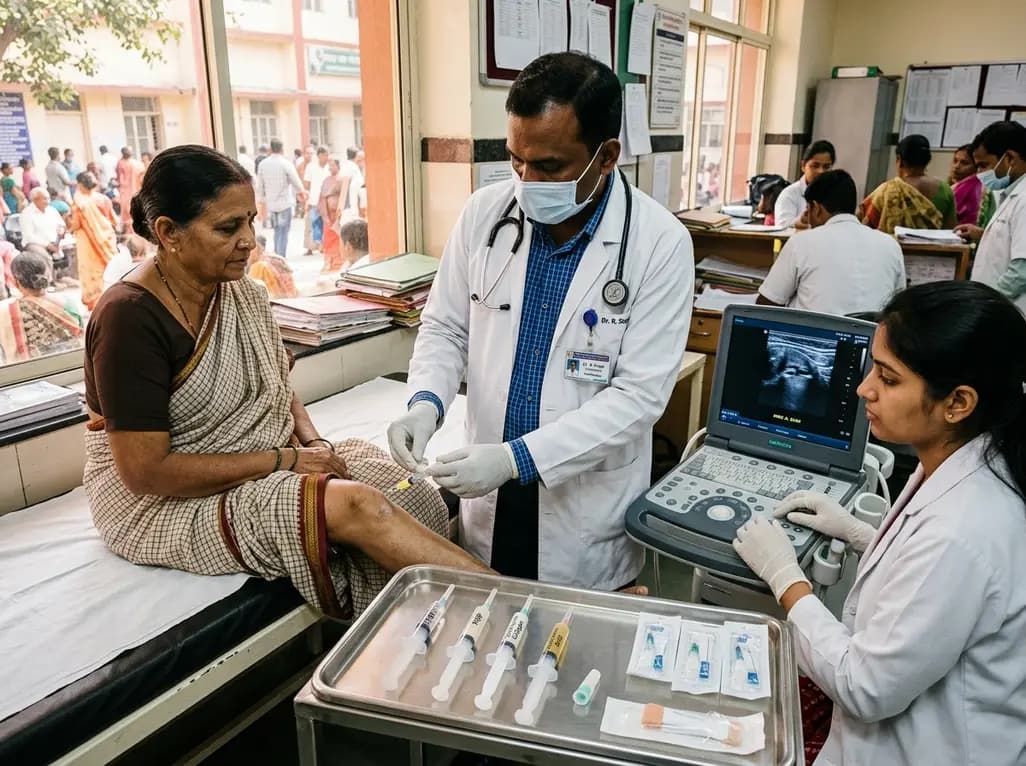
A randomized controlled trial compared ultrasound-guided intra-articular injections of PRP, hydrolyzed type I collagen, and hyaluronic acid in knee osteoarthritis. All therapies demonstrated significant improvements in WOMAC and pain scores at six months, supporting hydrolyzed collagen as a viable biological option.
Today

A study reveals that salivary cortisone correlates more strongly with serum cortisol than salivary cortisol during dynamic adrenal testing, while salivary dexamethasone accurately confirms compliance. This provides a non-invasive, precise alternative to venipuncture for diagnosing adrenal disorders.
Today
