.webp&w=384&q=75)

Loading, please wait...
Loading, please wait...

Oral leukoplakia represents the most common oral potentially malignant disorder encountered in dental and oncological practice. Clinicians face persistent challenges when managing these lesions because conventional topical formulations wash away rapidly in saliva. Recently, researchers engineered a bioadhesive oral leukoplakia patch that adheres firmly to wet oral mucosa and releases active therapeutic agents locally. This innovative system provides exciting opportunities for non-invasive mucosal lesion management.
Oral leukoplakia primarily manifests as persistent white plaques across the buccal mucosa, tongue, and gingival surfaces. In regions like India, frequent chewing of areca nut, betel quid, and tobacco significantly increases disease burden. Importantly, these lesions carry a notable risk of transforming into aggressive oral squamous cell carcinoma. Clinicians routinely recommend surgical excision, cryotherapy, or photodynamic therapy for high-grade dysplasia. Additionally, pharmacological options such as topical retinoids and antioxidants help control mucosal atypia.
However, conventional topical therapies face critical obstacles within the dynamic oral environment. Salivary flow, masticatory forces, and tongue movement rapidly wash away ointments, gels, and oral rinses. Consequently, active pharmaceutical agents fail to sustain adequate therapeutic concentrations within dysplastic epithelial layers. Furthermore, systemic drug administration often causes dose-limiting toxicities, which leads to poor patient compliance. Persistent tissue inflammation and oxidative stress continue to drive cellular atypia unabated. Because existing topicals cannot maintain steady mucosal retention, developing stable bioadhesive delivery systems remains a crucial clinical priority.
To overcome past delivery barriers, biomedical researchers developed an advanced binary elastomeric matrix through a one-step solvent evaporation method. The design integrates lipoic acid with lauroyl arginate ethyl ester hydrochloride, an FDA-approved antimicrobial agent. Lipoic acid provides significant natural cytoprotective qualities, but its polymer, poly(lipoic acid), tends to depolymerize spontaneously at room temperature. Therefore, biomedical engineers previously struggled to formulate chemically stable materials suitable for long shelf life and clinical packaging.
In this newly reported binary platform, lauroyl arginate ethyl ester molecules self-assemble into structured nanomicelles. These micellar cores present outwardly radiating guanidino groups that serve as multi-armed molecular grippers. Consequently, these cationic grippers engage the carboxyl groups of poly(lipoic acid) through dense hydrogen bonding and strong electrostatic interactions. This robust network effectively prevents depolymerization and preserves material structural integrity. Moreover, comparative investigations using surfactants with distinct terminal chemistries confirmed the versatility of this stabilization concept. By tuning intermolecular binding strength, engineers can tailor the elastomer mechanical flexibility, crystallinity, and biological stability with high precision.
The progression of oral premalignancy involves persistent oxidative stress and deregulation of the epithelial cell cycle. Reactive oxygen species induce severe genomic instability in oral keratinocytes, which drives dysplastic transformation. Fortunately, this binary biomaterial demonstrates powerful multi-target therapeutic activities directly against these pathological processes. The incorporated lipoic acid moieties act as potent free radical scavengers. By clearing localized oxidative stress, the biomaterial prevents cellular damage and calms chronic inflammatory signaling within the subepithelial microenvironment.
Additionally, rigorous in vitro biological evaluations revealed profound anti-tumorigenic capabilities against dysplastic oral keratinocytes. The patch markedly inhibits pathological cellular proliferation and downregulates aberrant proliferative signaling pathways. Simultaneously, the formulation activates programmed apoptotic pathways within abnormal epithelial cells, thereby eliminating dysplastic clones. Importantly, the elastomeric patch achieves this selective cytotoxicity while maintaining exceptional biocompatibility toward healthy oral tissues. Because the material exerts negligible cytotoxic impact on normal mucosal cells, it provides an unusually wide therapeutic window. Thus, this targeted approach addresses cellular atypia before irreversible malignant lesions develop.
Maintaining intimate contact with wet mucosa remains a persistent engineering hurdle for oral drug delivery. Fortunately, the surface of this binary elastomer features abundant, accessible carboxyl groups. When applied directly to wet tissue, these carboxyl functional groups rapidly form dense hydrogen bonds and electrostatic linkages with mucin chains. Consequently, the patch adheres tenaciously to wet mucosal surfaces without requiring complex chemical primers or external activation. The elastic material conforms comfortably to irregular tissue contours, resisting dislodgement from constant salivary flow, speech, and swallowing.
In addition to physical resilience, the formulation incorporates built-in antimicrobial activity. Secondary fungal infections, particularly caused by Candida albicans, frequently complicate oral leukoplakia. In fact, chronic candidal colonization exacerbates mucosal dysplasia through sustained epithelial inflammation and nitrosamine generation. Because lauroyl arginate ethyl ester hydrochloride possesses potent broad-spectrum antimicrobial properties, the patch actively suppresses Candida albicans growth at the lesion site. Therefore, this dual-function platform not only delivers anti-dysplastic therapy but also clears opportunistic pathogens that accelerate neoplastic progression.
To demonstrate in vivo clinical utility, the researchers evaluated the binary patch in an experimental rat model of oral leukoplakia. Histological assessments demonstrated that application of the patch produced marked therapeutic regression of mucosal lesions. The treatment significantly diminished hyperkeratosis, restored epithelial architecture, and mitigated subepithelial chronic inflammatory infiltration. Most notably, the therapeutic outcomes achieved by the bioadhesive patch matched the therapeutic efficacy of clinical vitamin A ointment, which represents a traditional standard in oral premalignancy treatment.
However, unlike greasy ointments that wash off quickly and require repetitive dosing, the elastomeric patch offers continuous localized therapy. Animal subjects exhibited remarkable tolerance toward the patch, without mucosal ulceration, systemic organ toxicities, or behavioral abnormalities. Consequently, this simple, solvent-evaporated biomaterial provides an attractive non-invasive candidate for human clinical trials. Dental specialists and oncologists could eventually use such bioadhesive devices to reverse oral leukoplakia non-surgically, prevent malignant transformation, and improve treatment compliance across diverse patient populations.
The binary patch relies on abundant free carboxyl groups distributed across the elastomeric surface. When placed against moist oral mucosa, these functional groups rapidly form multiple hydrogen bonds and electrostatic interactions with tissue mucins. In addition, the flexible elastomer accommodates oral biomechanical stress caused by tongue friction, speech, and swallowing without peeling off. Consequently, the device maintains stable, continuous mucosal contact throughout the entire therapeutic treatment window.
Lauroyl arginate ethyl ester serves two essential clinical and chemical functions within the formulation. Chemically, it self-assembles into nanomicelles with guanidino groups that bind carboxyl groups, which prevents room-temperature depolymerization of poly(lipoic acid). Clinically, this FDA-approved agent delivers potent antimicrobial protection against secondary pathogens like Candida albicans. Therefore, this binary pairing stabilizes the delivery matrix while simultaneously reducing pathogenic microbial colonization that frequently accelerates mucosal malignant transformation.
In animal studies, the binary patch exhibited therapeutic outcomes equivalent to clinical vitamin A ointment, significantly reducing epithelial dysplasia and hyperkeratosis. However, traditional ointments wash off quickly and require repetitive daily applications. In contrast, the elastomeric patch adheres persistently, providing sustained localized antioxidant and pro-apoptotic effects directly on dysplastic cells. Furthermore, it avoids systemic toxicities associated with oral chemopreventive medications, offering a safer and far more patient-compliant management option.
Disclaimer: This content is for informational and educational purposes only and should not be taken as professional medical advice. It is not intended to diagnose, treat, cure, or prevent any medical condition. Healthcare professionals should make decisions based on their clinical judgment and the individual patient's presentation. Refer to the latest local and national guidelines for clinical practice.
References

Read summarized clinical updates, watch expert medical content, and earn CME certifications right from your smartphone.
Open your smartphone camera to scan and install.





A breakthrough bioadhesive oral leukoplakia patch using poly(lipoic acid) and lauroyl arginate ethyl ester stabilizes mucosal delivery, scavenges reactive oxygen species, and suppresses dysplastic keratinocyte proliferation, matching clinical vitamin A ointment efficacy in preclinical oral leukoplakia models.
Today
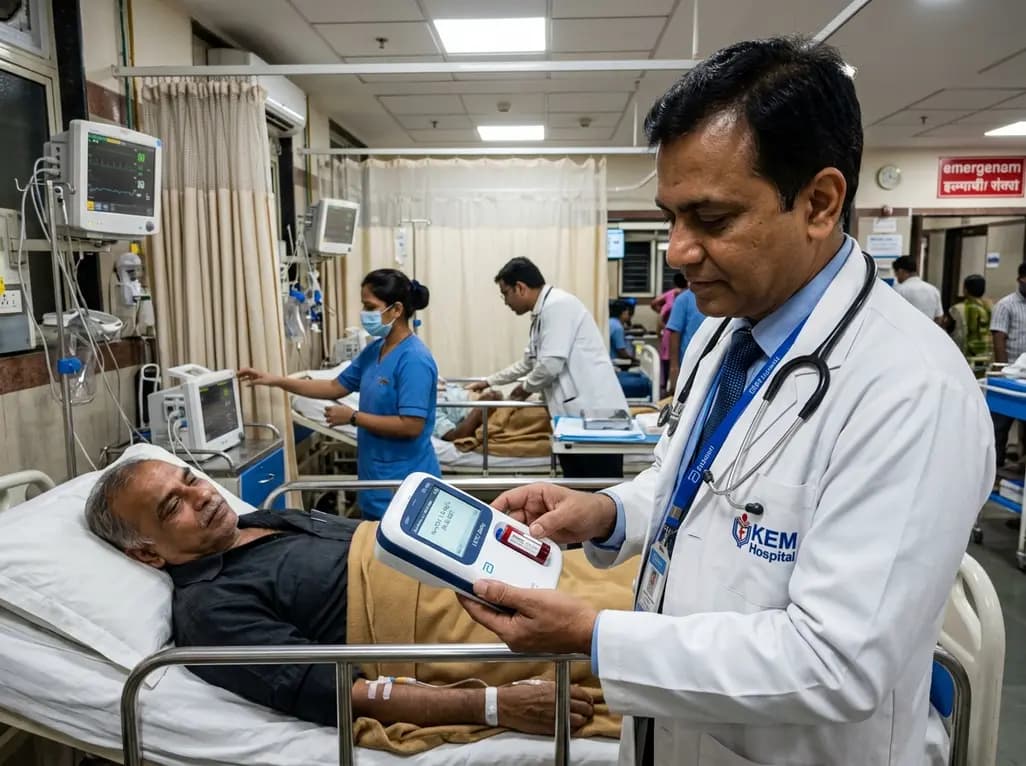
A real-world emergency department evaluation demonstrates that the Abbott i-STAT Alinity point-of-care high-sensitivity troponin I assay achieves excellent analytical precision and safely rules out myocardial infarction without false negatives, offering rapid bedside results to decongest acute care pathways.
Today

Integrating adult genetic services into reproductive and pregnancy care substantially alters clinical management. A study reveals that diagnostic genetic evaluations directly inform maternal, fetal, and neonatal care in nearly 57% of tested patients, highlighting the value of preconception and antenatal genomics.
Today
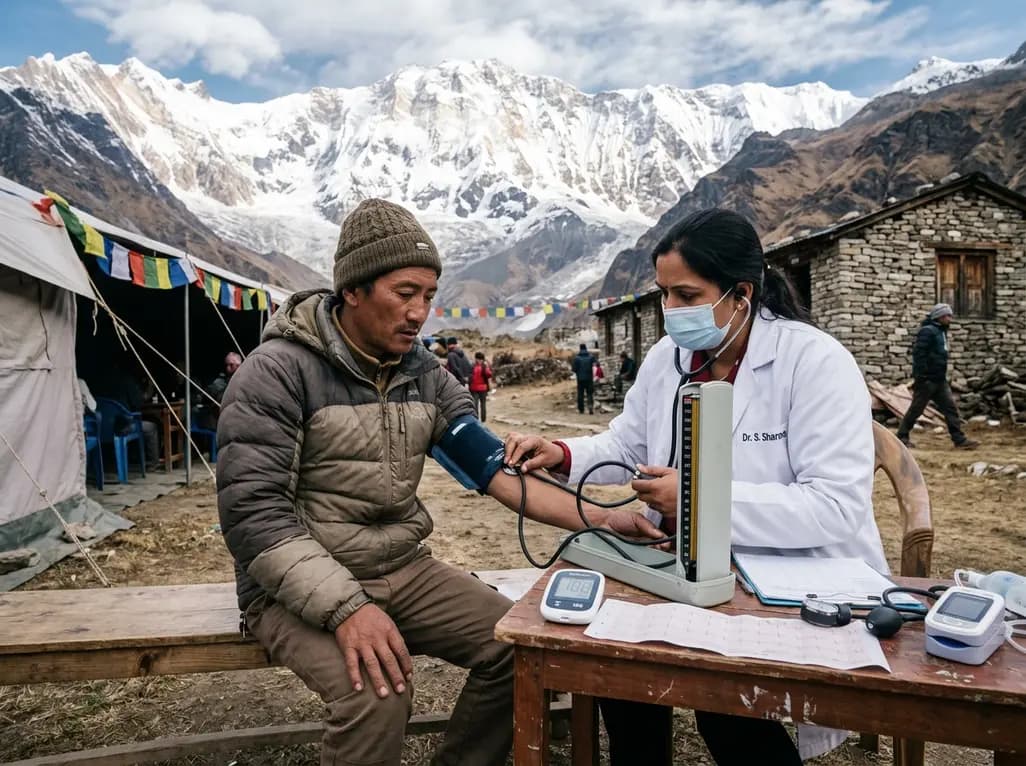
A cross-sectional study in Nepal evaluates cardiovascular risk factors among adults working above 4,000 meters. The findings reveal unexpected rates of diabetes, hypertension, and mountain sickness, underscoring the urgent need for targeted cardiometabolic screening in high-altitude occupational cohorts.
Today
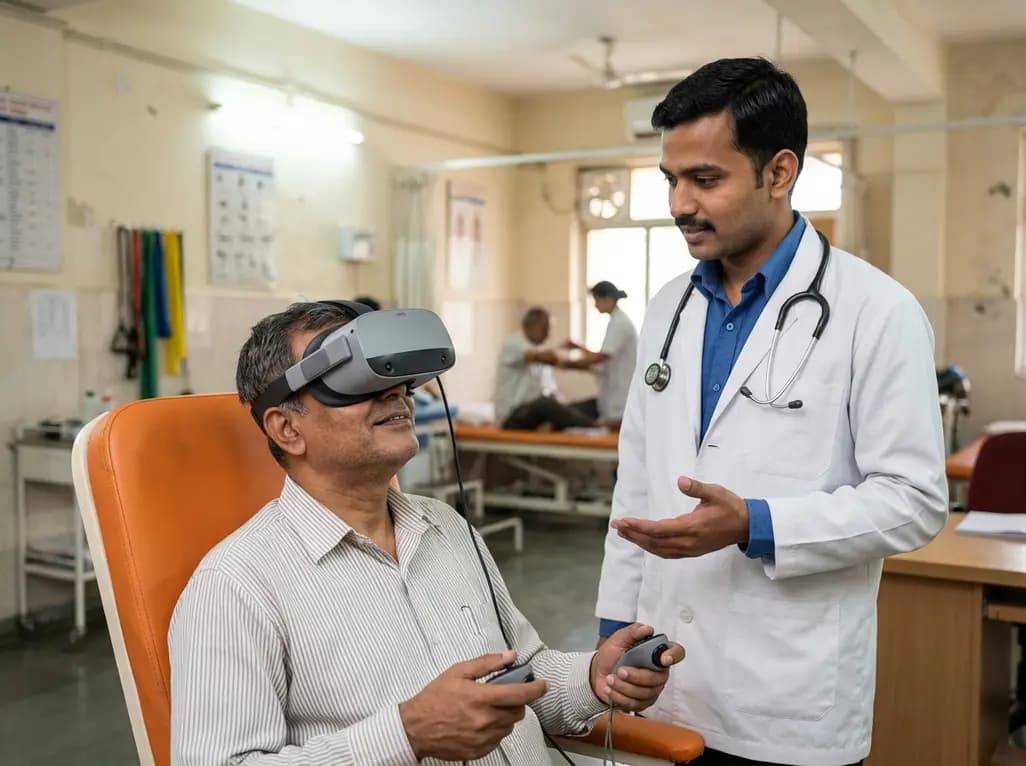
A recent scoping review highlights the efficacy, usability, and patient satisfaction of virtual reality pain management for chronic musculoskeletal pain, emphasizing psychotherapy-based VR protocols.
Today
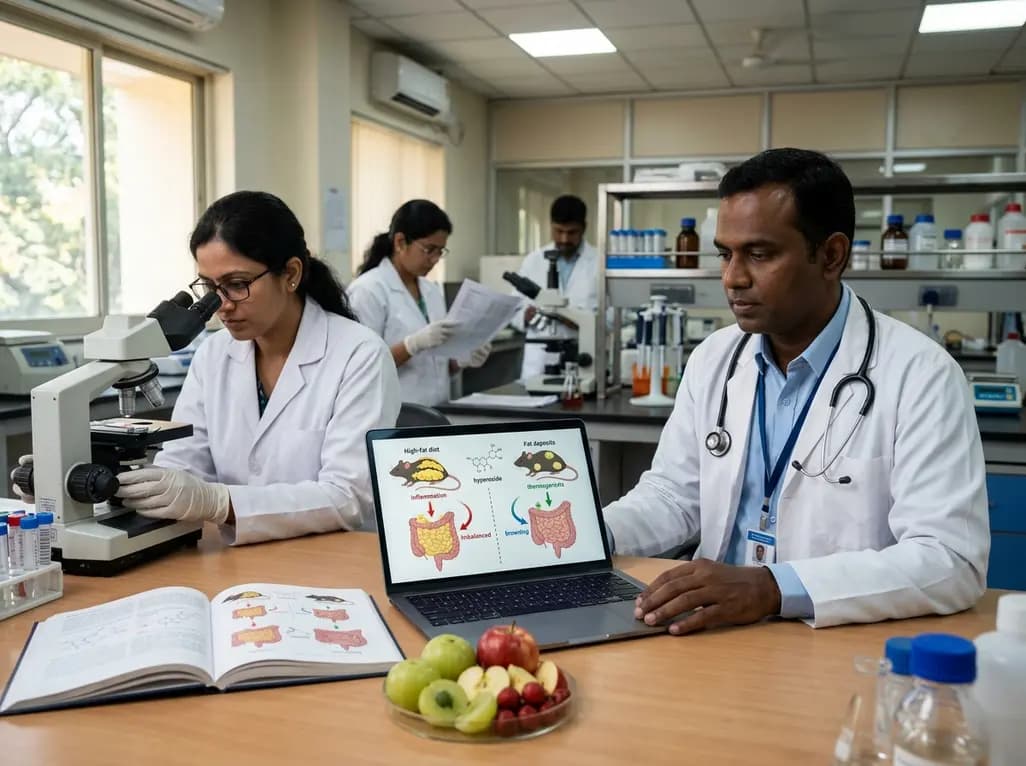
Preclinical findings demonstrate that dietary flavonoid hyperoside ameliorates high-fat diet-induced type 2 diabetes by stimulating brown adipose tissue thermogenesis, promoting white fat browning, dampening adipose macrophage inflammation, and restoring gut microbiota homeostasis.
Today
